Weekend in Portugal · 3 days
2 stops · ≈ 60 km · version shown
Lisbon → Sintra & Cascais
From Lisbon to the cliffs of the Algarve, day by day: the map, what is worth booking, everything that costs nothing, driving times, and where to sleep at three budgets.
 By PierrickLocal Guide ★8 · 14M+ views on Google MapsBy PierrickLocal Guide ★8 · 14M+ Maps views
📄 Portugal guide: weather, budget, what to avoid and FAQPortugal guide: weather, budget, FAQ →
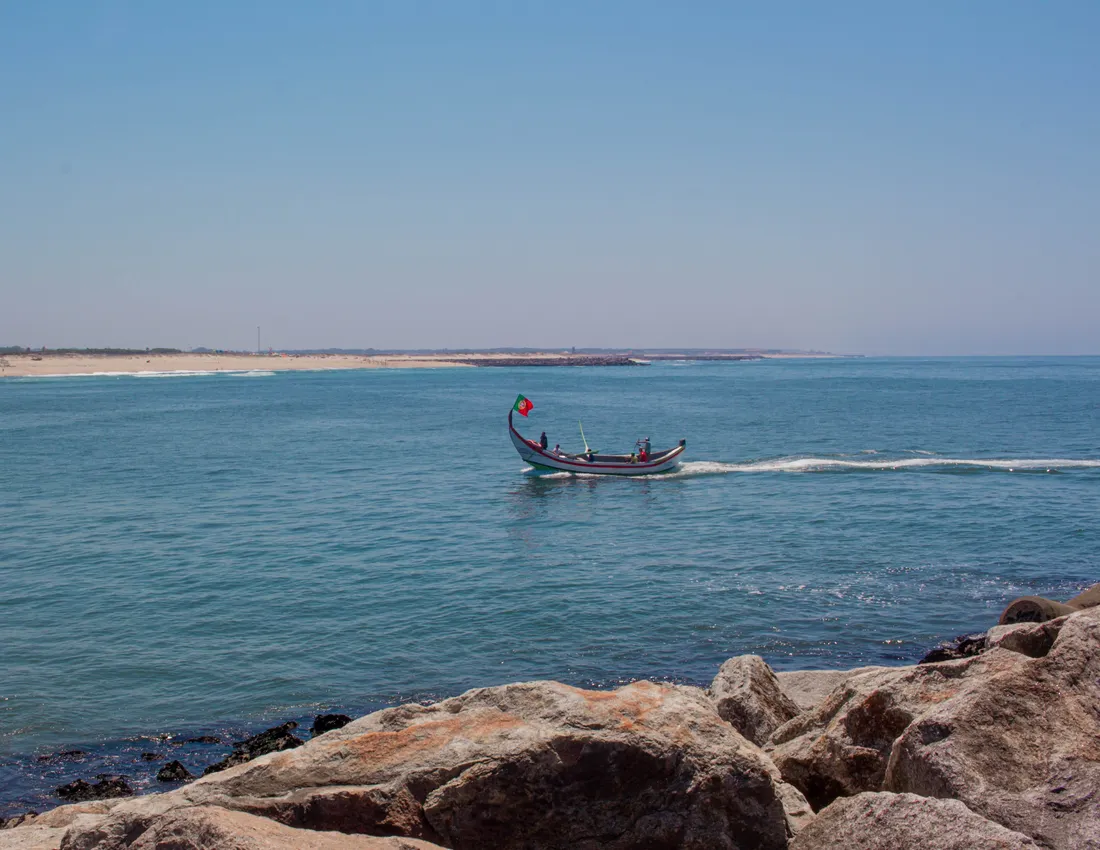 Portugal ✦
Lisbon · Photo Leandro Henrique / Pexels

A yellow wooden carriage from the 1930s, tram 28 is an attraction in its own right: it squeezes through lanes too narrow for buses, from Graça to Estrela. On a guided tour, you ride it and then explore the Alfama on foot, the oldest district, which survived the 1755 earthquake. Stairways, azulejos and fado houses make up postcard Lisbon. Board early in the morning: fewer crowds and fewer pickpockets.
In the late afternoon, you leave the quay to sail on the Tagus, the river from which the explorers set out. From the water, you grasp the scale of the city, the 25 de Abril Bridge (a cousin of the Golden Gate) and Cristo Rei on the far bank. The golden light of sunset makes the pastel façades glow. Drinks on board and a relaxed atmosphere, ideal for a first evening.
An iconic viewpoint lined with azulejos, perched above the Alfama. The view drops down over red roofs, bell towers and the sparkling Tagus. Shaded benches and sometimes a guitarist for the soundtrack. Free, and magical at sunrise.
Getting deliberately lost in the Alfama is one of the finest experiences in Lisbon. This medieval maze survived the earthquake: washing lines, grilled sardines and fado drifting out of the taverns in the evening. Every turn reveals a little square or a miradouro. Wear good shoes.
Under a 19th-century market hall, the Time Out Market brings together the city's best restaurants in food stalls. You can try fish, bifanas and pastéis de nata at gentle prices, around shared tables. A lively atmosphere and a huge choice when you can't decide. Avoid 1pm and 8pm if you want a seat.
A former textile factory turned creative village under the 25 de Abril Bridge. Designer shops, a spectacular bookshop, street art and cafés follow one after another. A bohemian vibe, perfect at the weekend. Free entry, and you can easily spend half a day there.

A 19th-century Romantic palace painted bright yellow and red, perched in a forest often shrouded in mist. A wild mix of styles (Moorish, Gothic, Manueline), it is the icon of Sintra, a UNESCO World Heritage Site. The interior recreates court life; the gardens alone are worth the visit. Book a timed skip-the-line ticket, as the site is very busy.
The mystical estate of an early 20th-century eccentric, packed with Masonic initiation symbols. The highlight: the Initiation Well, a spiral staircase descending underground to a star. Grottoes, tunnels and turrets turn the visit into a treasure hunt. Allow 2 hours to explore it all.
Sintra's historic centre, with its cobbled lanes and craft shops, is best explored on foot between two palaces. Try the travesseiros and queijadas, local pastries. The cool, wooded atmosphere is a contrast to Lisbon. Ideal for lunch between visits.
20 minutes away, Cascais has swapped its fishing-village past for a seaside elegance popular with Lisbon locals. Small beaches, a marina and a seafront for a breath of sea air. The coast road to Guincho is superb. Perfect at the end of the day.
'The mouth of hell': a sea chasm where the Atlantic surges into the cliff with a roar, near Cascais. The sight is striking when the sea is rough. A laid-out path and safe viewpoints. A few minutes are enough, but the image stays with you.
The westernmost point of mainland Europe, swept by the wind and facing the ocean. A lighthouse and a monument mark the spot 'where the land ends and the sea begins' (Camões). Dizzying cliffs and memorable sunsets. Wrap up warm, it is always cool here.

Évora's centre, a UNESCO World Heritage Site, is best seen with a guide to take in its 2,000 years of history, from the Romans to the kings of Portugal. The highlight: the Chapel of Bones, lined with monks' bones, with its chilling inscription. The cathedral, lanes and squares complete the walk. An immersion in the heart of the Alentejo.
The Alentejo is one of the country's great wine regions, known for its powerful, full-bodied reds. At a tasting, you discover the local grape varieties and the tradition of making wine in clay amphorae, inherited from the Romans. Often served with regional cheeses and charcuterie. A convivial and instructive experience.
Right in the centre, the so-called 'Temple of Diana' has stood with its Corinthian columns since the 1st century. Surprisingly well preserved, it owes its survival to having been walled in during the Middle Ages. Superb at sunset. Free access, on a pleasant square.
Évora's network of whitewashed lanes invites you to wander, far from the crowds. Quiet squares, flower-filled patios and craft shops on every corner. The atmosphere is peaceful and authentic. Perfect at the end of the day.
The public garden, shady and full of flowers, offers a welcome break from the Alentejo heat. You will find ruins, a small lake and peacocks. Ideal for catching your breath between visits. Free and central.

By kayak or stand-up paddleboard, you glide into Benagil Cave, a cathedral of golden rock pierced by a natural oculus. It is the most famous image of the Algarve, and it cannot be reached on foot. The trip runs along cliffs, arches and secret beaches. Set off early, as the crowds and the swell build during the day.
On board a catamaran, you explore the coast of Lagos in search of dolphins, often seen offshore. The boat gets close to the caves and the cliffs sculpted by the ocean. Swimming is possible on some trips. A memorable half-day at sea.
Ponta da Piedade is the jewel of the Algarve: ochre cliffs, arches and stacks plunging into turquoise water. A staircase and paths let you admire it all for free. The sunset here is sublime. The most photographed site in the region.
A small beach sheltered between the cliffs, Praia Dona Ana charms with its golden sand and calm, clear water. Ideal for swimming and a little snorkelling. A beautiful view from the clifftop. Arrive early in summer.
The Seven Hanging Valleys trail follows the coast between Carvoeiro and Benagil, taking in coves, arches and panoramas one after another. About 6 km one way, with no major difficulty but little shade. Breathtaking views of the Atlantic. Bring water and a hat.
A yellow wooden carriage from the 1930s, tram 28 is an attraction in its own right: it squeezes through lanes too narrow for buses, from Graça to Estrela. On a guided tour, you ride it and then explore the Alfama on foot, the oldest district, which survived the 1755 earthquake. Stairways, azulejos and fado houses make up postcard Lisbon. Board early in the morning: fewer crowds and fewer pickpockets.
In the late afternoon, you leave the quay to sail on the Tagus, the river from which the explorers set out. From the water, you grasp the scale of the city, the 25 de Abril Bridge (a cousin of the Golden Gate) and Cristo Rei on the far bank. The golden light of sunset makes the pastel façades glow. Drinks on board and a relaxed atmosphere, ideal for a first evening.
An iconic viewpoint lined with azulejos, perched above the Alfama. The view drops down over red roofs, bell towers and the sparkling Tagus. Shaded benches and sometimes a guitarist for the soundtrack. Free, and magical at sunrise.
Getting deliberately lost in the Alfama is one of the finest experiences in Lisbon. This medieval maze survived the earthquake: washing lines, grilled sardines and fado drifting out of the taverns in the evening. Every turn reveals a little square or a miradouro. Wear good shoes.
Under a 19th-century market hall, the Time Out Market brings together the city's best restaurants in food stalls. You can try fish, bifanas and pastéis de nata at gentle prices, around shared tables. A lively atmosphere and a huge choice when you can't decide. Avoid 1pm and 8pm if you want a seat.
A former textile factory turned creative village under the 25 de Abril Bridge. Designer shops, a spectacular bookshop, street art and cafés follow one after another. A bohemian vibe, perfect at the weekend. Free entry, and you can easily spend half a day there.
"Book" (hotels), "via GetYourGuide" (activities) and "Rent" (car) are affiliate links (Booking, GetYourGuide). Prices, distances and times are approximate.
This trip adapts to the length of your stay. Here are the three versions of the itinerary, from the short format to the most complete.
2 stops · ≈ 60 km · version shown
Lisbon → Sintra & Cascais
5 stops · ≈ 680 km · version shown
Lisbon → Sintra & Cascais → Évora → The Algarve · Lagos → Lisbon
7 stops · ≈ 1 250 km · version shown
Lisbon → Sintra & Cascais → Évora → The Algarve · Lagos → Coimbra → Porto → The Douro Valley
The full PDF guide (Portugal): map, day-by-day stops, hotels by budget and insider tips. Free and available offline.
Don't feel like organising everything? A local partner travel agent can set it all up for you (flights, hotels, activities). We pass on your preferences and they call you back. Free and with no obligation.

a crisp custard tart, dusted with cinnamon. The one thing you will eat every day.
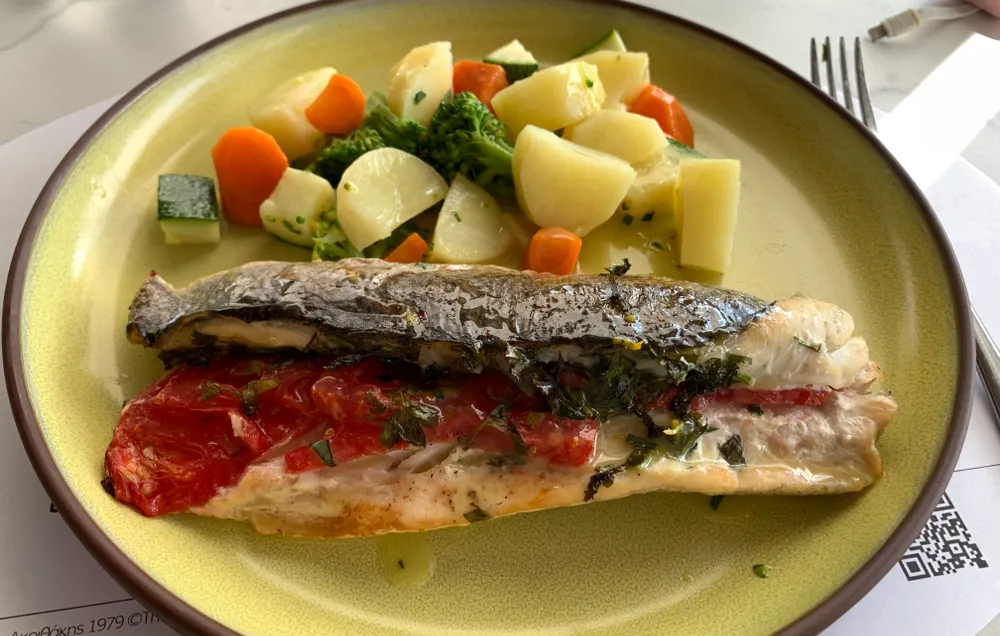
salt cod, done a thousand ways (à brás, com natas, and on it goes).

the grilled sandwich of Porto, meat and cheese under a beer sauce.
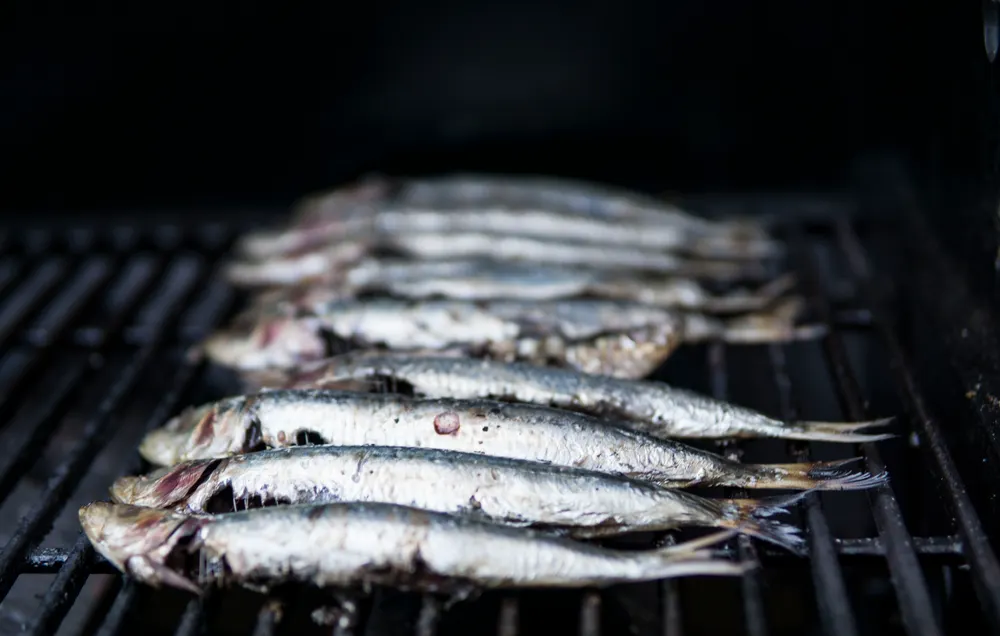
the food of summer street festivals, above all in Lisbon.
 Photo Scott Dexter from Brooklyn, US / CC BY-SA 2.0 (Wikimedia Commons)
one young, cool and faintly sparkling, the other fortified and famous.
The little details that make all the difference once you're there.
Keep your favourite activities and get your selection.
A local partner travel agent will call you back to organise this tailor-made trip. Free and with no obligation.


