When to go to Sweden?
→ The detailed month-by-month page, with real weather records
Best time: June to August (summer) and December to March (far north)
At a glance
Why go to Sweden?
Sweden unfolds landscapes of striking purity, from thousands of lakes and islands to the deep forests that cover most of the country. In the north lies Lapland, realm of the midnight sun in summer and the northern lights in winter. It is an ideal nature destination for anyone seeking calm, wide open spaces and clean air.
The country also embodies an enviable way of life, between clean-lined design, cosy cafés and the culture of fika, the sweet coffee break raised to an institution. Stockholm, built on fourteen islands, charms with its colourful old town and first-rate museums. Swedish cities combine carefully kept heritage with self-assured modernity.
Sweden is lived to the rhythm of the seasons, from lazy summer days in the archipelago to polar nights lit by dancing lights. The relationship with nature is intimate, fostered by the right of public access, which allows you to camp and hike almost anywhere. Safe, clean and welcoming, it suits families and solo travellers perfectly.
Map of Sweden: what is where?
The map shows the 6 places covered in this guide, to picture the distances and plan your route.
- Stockholm
- Abisko
- Jukkasjärvi
- Gothenburg
- Malmö
- Vaxholm
How much does a trip to Sweden cost?
Sweden is an expensive destination, particularly for accommodation, alcohol and restaurants. Good planning and cooking for yourself can nevertheless keep spending in check.
| Style | Per day | What it covers |
|---|---|---|
| Backpacker | €70-100/day | Hostels, self-catering, public transport and free outdoor activities. |
| Comfort | €150-220/day | Mid-range hotels, restaurants, fast trains and a few guided excursions. |
| Premium | €300+/day | Upscale hotels, experiences such as the Icehotel, fine dining and private northern lights outings. |
Sweden is almost cashless: pay for everything by card, which is accepted absolutely everywhere, even for small amounts.
Is Sweden safe?
Sweden is a very safe country, with modern infrastructure and a respectful, helpful population. Violent crime is rare and basic precautions are enough, including for women travelling alone. The main challenge is the climate: be ready for intense cold and short days in winter, especially in the north. Suitable gear and careful driving on snowy roads are essential in the cold season.
What to see and do in Sweden
- Gamla Stan in Stockholm
- the Stockholm archipelago
- the ice hotel in Lapland
- the northern lights in Abisko
- the forests of Dalarna
Stockholm and Gamla Stan

A capital set on fourteen islands linked by bridges, Stockholm blends water, stone and greenery with rare elegance. Gamla Stan, the medieval old town, charms with its cobbled lanes, ochre facades and royal palace. The Vasa Museum, home to an intact 17th-century warship, is an unmissable visit. You hop from island to island and savour a fika in a cosy café. A city of remarkable gentleness and refinement.
Lapland and Abisko (northern lights)

Swedish Lapland is one of the best places in the world to watch the northern lights, especially around Abisko. Its microclimate, with often clear skies, makes it a favourite haunt of aurora hunters. The national park offers hiking, sled dogs and encounters with Sami culture. The Aurora Sky Station, perched high up, lets you admire the show in the warm. Wonder guaranteed from October to March.
Icehotel in Jukkasjärvi

In Jukkasjärvi, the Icehotel is rebuilt every winter entirely from ice and snow from the Torne river. Its rooms sculpted by artists, its ice bar and its chapel make it a unique experience in the world. You sleep bundled up in extreme-cold sleeping bags, on a bed covered in reindeer skins. A permanent version also lets you try the adventure all year round. An unusual night in the heart of Lapland.
Stockholm archipelago

The Stockholm archipelago counts tens of thousands of islands and islets, the summer playground of Stockholmers. You hop from ferry to ferry to discover fishing villages, red houses and swimming coves. Sandhamn, Vaxholm and Grinda each have their own atmosphere, between sailing and nature walks. The right of public access lets you camp freely on many of the islets. A maritime escape within easy reach of the capital.
Gothenburg

The country's second city, Gothenburg cultivates a relaxed, maritime charm, facing the North Sea. Its canals, its lively Avenyn boulevard and its bohemian Haga district invite you to wander. Thrill-seekers love the Liseberg amusement park, one of the most renowned in Scandinavia. You feast on prawns and fresh fish in a picturesque covered market hall. A friendly, foodie stop on the west coast.
Malmö
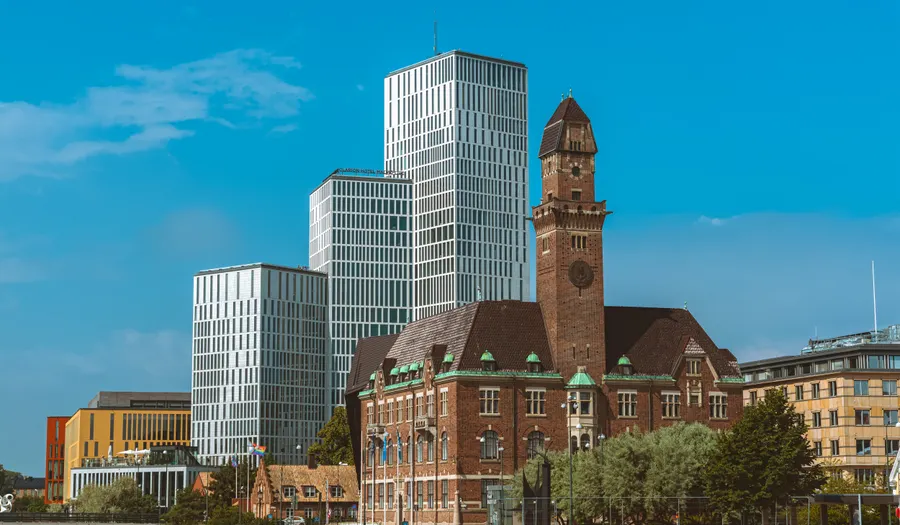
On the southern tip, Malmö is linked to Copenhagen by the spectacular Öresund Bridge. This young, multicultural city shows real dynamism, symbolised by the twisting Turning Torso tower. You stroll the cobbled streets of the old town and along the beaches of Ribersborg. Its food scene and cafés make it a pleasant, accessible stop. Ideal for combining Sweden and Denmark in a single trip.
How many days, and which itinerary?
Allow a week for Stockholm and the south, and around ten days if you add a trip to Lapland for the northern lights.
🗺️ Day-by-day itinerary · 📓 Free printable Sweden guide (PDF)
Stockholm and the archipelago (5 days)
An immersion in the capital, between Gamla Stan, museums and cruises in the archipelago. You alternate cultural visits and relaxing on the water. A short format perfect for an extended long weekend.
Southern Sweden (8 days)
From Stockholm to Malmö via Gothenburg, by train along the lakes and the coast. You discover three cities of very different character and lovely scenery. Ideal in the warmer months, with no great distances to worry about.
Northern lights in Lapland (7 days)
A combination of Stockholm and a winter stay in Abisko and Jukkasjärvi. Sled dogs, the Icehotel and aurora hunting are on the programme. Best between December and March to maximise your chances.
Getting there and getting around
The rail network is excellent and comfortable: fast trains between Stockholm, Gothenburg and Malmö, and a night train to Lapland.
Domestic flights quickly link Stockholm to Kiruna, handy for reaching the far north in winter.
In the archipelago, public ferries and boats serve most of the inhabited islands.
In town, public transport is efficient (metro and buses in Stockholm) and cycling is very popular in the warmer months.
Where to stay in Sweden?
Hostels and vandrarhem-style lodgings, from €30 to €50 in a dorm or single room.
Mid-range hotels in town, generally between €90 and €150 a night depending on the season.
Red wooden cabins (stugor) to rent in the heart of nature, around €70 to €120, perfect for families.
An unusual night at the Icehotel in Jukkasjärvi, a premium experience from around €250.
Our places to stay, stop by stop, at three budgets →
What to eat in Sweden?
Meatballs (köttbullar) served with mash and lingonberry jam are Sweden's emblematic dish.
Fika, a coffee break with a cinnamon bun (kanelbulle), is an unmissable daily ritual.
Salmon, pickled herring and prawns hold a central place in coastal cooking.
To eat without breaking the bank, go for the lunch buffet (dagens lunch), hearty and at a fixed price.
Entry requirements
Schengen area: an ID card or passport for EU citizens, 90 days visa-free for UK, US, Canadian and Australian passports.
Rules change: check your own government's travel advice before you go.
Cities and regions to discover

Frequently asked questions about Sweden
When can you see the northern lights in the north?
From late September to early April, on clear, cloudless nights; the Abisko area is renowned for its often crystal-clear skies.
What daily budget should I plan?
Allow at least €70 to €100 a day travelling frugally, and €150 to €220 for a comfortable stay.
How do I get around Sweden?
The train is the ideal way to travel between the big cities; a plane or the night train will take you to Lapland.
When is the best time to go?
Summer (June-August) for the midnight sun and the archipelago, winter (December-March) for snow and the northern lights.
Similar destinations
 City
City🇳🇴 Oslo
 Country
🇭🇷 Croatia
 City
City🇮🇪 Galway and Connemara
 City
City🇨🇭 Geneva
 City
City🇳🇴 Bergen
 City
City🇬🇷 Corfu
 City
City🇫🇮 Helsinki
 City
City🇮🇸 Reykjavík
 City
City🇭🇷 Split
 City
City