When to go to Croatia?
→ The detailed month-by-month page, with real weather records
Best time: May to June and September to October
At a glance
Why go to Croatia?
Croatia is first of all a colour: that Adriatic blue of almost unreal clarity, where you can make out the seabed several metres down. You jump off the boat into a deserted cove, sail past islands covered in pine and lavender, and quickly understand why the Dalmatian coast is so addictive.
But the water is not everything. The old towns of honey-coloured stone tell of Venice, Rome and Byzantium: the walls of Dubrovnik towering over the sea, Diocletian's Palace in Split where people still live among ancient columns, the polished lanes of Trogir. Here you travel between two swims and two centuries.
And then there is the often-forgotten interior. The waterfalls and emerald pools of Plitvice and Krka, the hills of Istria scented with truffle and olive oil, the konobas where you share octopus cooked under the bell. Compact and varied, Croatia is easy to explore, just a short flight from much of Europe.
Map of Croatia: what is where?
The map shows the 6 places covered in this guide, to picture the distances and plan your route.
- Dubrovnik
- Split
- Plitvice Lakes
- Hvar
- Krka National Park (Skradin)
- Rovinj
How much does a trip to Croatia cost?
Croatia has switched to the euro and is no longer the ultra-cheap destination it once was, but it remains gentler on the wallet than neighbouring Italy. Accommodation and boat trips weigh most heavily in high season; eating and getting around cost a reasonable amount.
| Style | Per day | What it covers |
|---|---|---|
| Backpacker | €45-65/day | Hostels and rooms in private homes, buses, markets and neighbourhood konobas. |
| Comfort | €80-120/day | Studios with a view, ferries and a hire car, fish dinners and a boat trip. |
| Indulgence | €160+/day | Charming hotels in the old towns, private boat hire and renowned restaurants facing the Adriatic. |
The euro has replaced the kuna and cards are accepted almost everywhere, but keep a little cash for markets, small ferries and country konobas.
Is Croatia safe?
Croatia is a very safe country, where petty crime remains rare even in tourist areas. The usual common sense is enough: keep an eye on your belongings on beaches and on crowded ferries. On winding coastal roads, drive carefully, especially at night. The main hazards remain the sun and sea urchins: water shoes spare you a lot of trouble in rocky coves.
What to see and do in Croatia
- the Plitvice Lakes
- Dubrovnik Old Town
- Split and Diocletian's Palace
- the islands of Hvar and Brač
- Krka National Park
Dubrovnik

The pearl of the Adriatic deserves its reputation: its intact ramparts encircle an old town of marble where every lane climbs towards a viewpoint. Walk the city walls at sunrise, before the cruise ships, to have the town and the sea to yourself. The cable car up Mount Srđ offers a breathtaking panorama over the red roofs. In the evening, the lighting turns the Stradun into a stage set.
Split and Diocletian's Palace

Here, antiquity is no museum: the city grew up in and around the palace of Emperor Diocletian, and you drink your coffee leaning against Roman columns. The maze of lanes opens onto squares, markets and cellars thousands of years old. Split is also the great port from which ferries leave for the islands. Climb Marjan Hill to take in the city and the Adriatic.
Plitvice Lakes
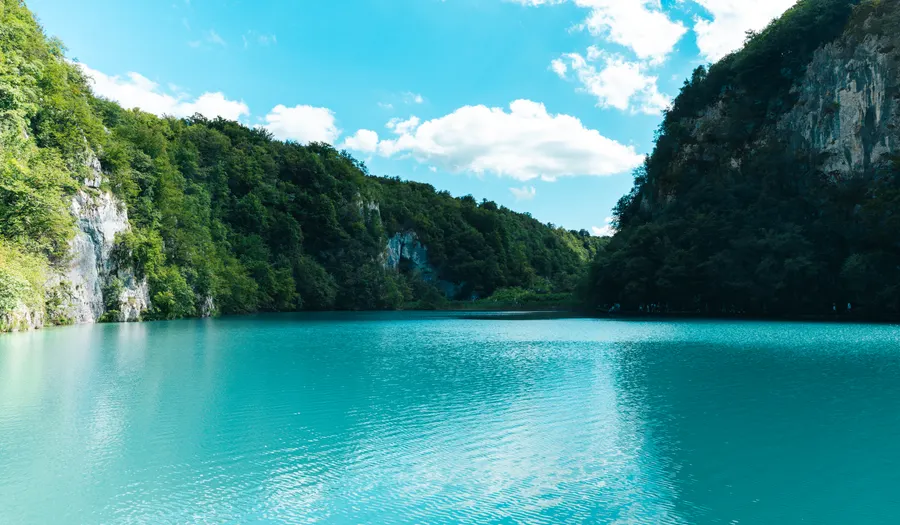
Sixteen terraced lakes cascading into one another, linked by waterfalls and wooden walkways winding above emerald-green water: Plitvice is pure enchantment. The circuit is done on foot along boardwalks, between forests and curtains of water, with a small boat to cross the big lake. Come early in the morning to avoid the crowds and enjoy the light. The colours change with the seasons, and are spectacular in autumn.
Hvar and the Dalmatian islands

Hvar combines lavender fields, hidden coves and a lively little capital overlooked by its fortress. From there, the Pakleni Islands are an archipelago of islets where boats drop anchor for a swim in crystal-clear water. Neighbouring Brač hides the famous Zlatni Rat beach, a tongue of pebbles that changes shape with the currents. Hiring a boat, even a small one, opens up the best coves.
Krka National Park
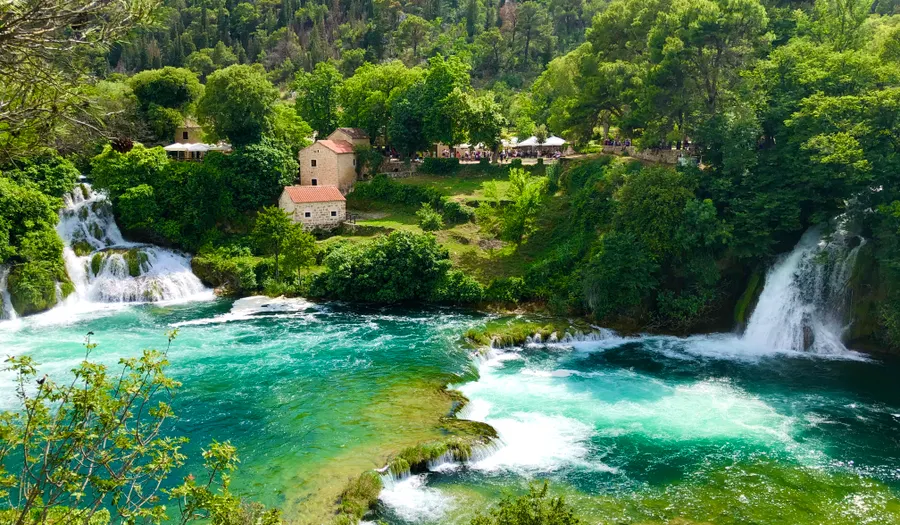
More accessible from the coast than Plitvice, Krka also lines up waterfalls and turquoise pools in a green setting. Skradinski Buk is the most spectacular falls, fanning out at the bottom of the canyon. You reach it by boat from Skradin, a lovely approach along the river. A monastery perched on an island rounds off the outing, between nature and heritage.
Istria
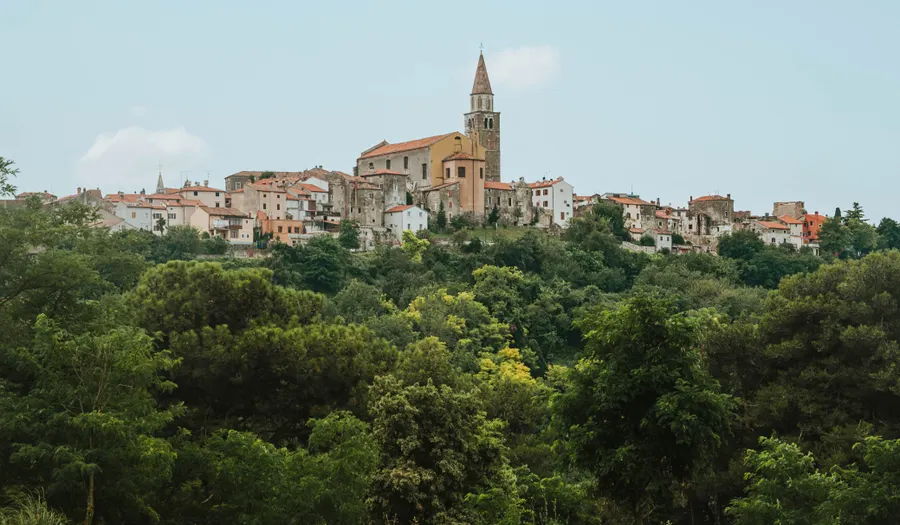
The northern peninsula looks like Tuscany set down on the Adriatic: hilltop villages, olive groves, vineyards and truffles. Rovinj, with its Venetian bell tower and lanes tumbling into the sea, is one of the most beautiful towns in the country. In Pula, an almost intact Roman amphitheatre still hosts concerts. The hinterland around Motovun is best savoured in konobas where truffle is king.
How many days, and which itinerary?
A week is enough for southern Dalmatia, from Split to Dubrovnik with an island or two; allow ten to fifteen days to add Plitvice and Istria.
🗺️ Day-by-day itinerary · 📓 Free printable Croatia guide (PDF)
Essential Dalmatia in 8 days
Start in Split for Diocletian's Palace, then sail to Hvar and Brač for two or three days of beaches and coves. Head back down the coast to Dubrovnik via the Pelješac peninsula and its vineyards. Two nights in Dubrovnik for its walls and Mount Srđ.
Waterfalls and coast in 10 days
Land in Zagreb or Zadar and head for the Plitvice Lakes for a full day of walkways and falls. Join the coast at Zadar, then go down to Split via Krka National Park. Finish with the Dalmatian islands before reaching Dubrovnik.
Istria and Kvarner, 6 days
From Pula and its amphitheatre, head up to Rovinj and its Venetian lanes. A day of truffles and vineyards around Motovun, then set course for the hills and hilltop villages. An escape to the island of Cres or to Opatija to finish facing the sea.
Getting there and getting around
Jadrolinija ferries and catamarans link the coast with the islands from Split, Zadar and Dubrovnik: fast for foot passengers, slower for cars, to be booked in summer.
A hire car is ideal for the coast, Istria and the national parks, with beautiful coastal roads but tricky parking in the old towns.
Long-distance buses are comfortable and cheap, a real alternative for travelling between Split, Zadar and Dubrovnik without driving.
Hiring a small boat for the day from Hvar or Split gives access to coves you could not otherwise reach, a genuine luxury that is affordable for a group.
Where to stay in Croatia?
Sobe and apartmani, rooms and studios in private homes, are everywhere and often the best value for money, around €50-90 a night.
Inside the walls of Dubrovnik, prices soar in summer: stay in Lapad or Gruž, better connected and gentler on the budget.
Youth hostels in Split and Zadar, handy and sociable for small budgets.
On the islands, family guesthouses with a terrace and sea view remain affordable outside July and August.
Our places to stay, stop by stop, at three budgets →
What to eat in Croatia?
Octopus under the bell, peka, slow-cooked beneath the embers, a signature dish to order in advance in the konobas.
Grilled fish and the freshest seafood, drizzled with local olive oil and served with garlicky chard.
Crni rižot, black risotto made with cuttlefish ink, a speciality of the Dalmatian coast.
In Istria, fuži pasta with truffle and air-dried pršut ham, with a glass of malvazija.
Entry requirements
Schengen area: an ID card or passport for EU citizens, 90 days visa-free for UK, US, Canadian and Australian passports.
Rules change: check your own government's travel advice before you go.
Cities and regions to discover
 City
City🇭🇷 Dubrovnik
 City
City🇭🇷 Split
 City
City🇭🇷 Hvar
 Region
🇭🇷 Istria
 Region
🇭🇷 Plitvice Lakes
Frequently asked questions about Croatia
When should you go to Croatia?
May-June and September are ideal: the sea is warm, the towns can breathe and prices fall. July and August are magnificent but hot, expensive and very busy on the coast.
Is it better to hire a car or take the ferry?
The two complement each other: the car for the coast, Istria and the parks, the ferry to reach the islands. Many people leave the car on the mainland and explore the islands on foot or by boat.
How many days do you need to discover Croatia?
A week covers southern Dalmatia between Split and Dubrovnik. Ten to fifteen days let you add Plitvice, Zadar and Istria without rushing.
Is swimming pleasant everywhere?
Yes, the water is exceptionally clear all along the coast. Beaches are often pebbles or rocks rather than sand, so bring water shoes for extra comfort.
Similar destinations
 Region
🇬🇷 Crete
 City
City🇮🇪 Galway and Connemara
 City
City🇬🇷 Corfu
 City
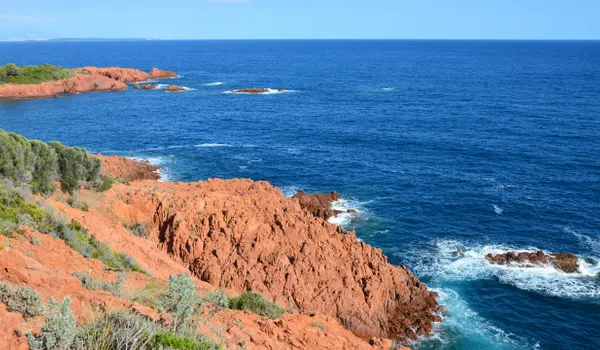
City🇫🇷 Fréjus, Saint-Raphaël and the Esterel
 Region
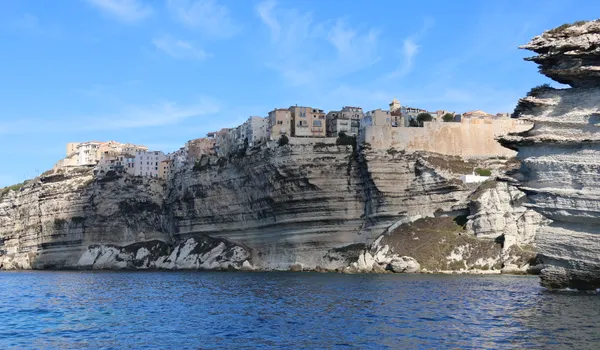
🇫🇷 Corsica
 Region
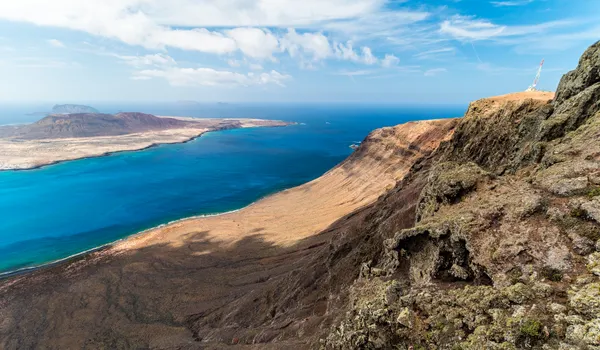
🇪🇸 The Canary Islands
 Region
🇮🇹 Sicily
 Region
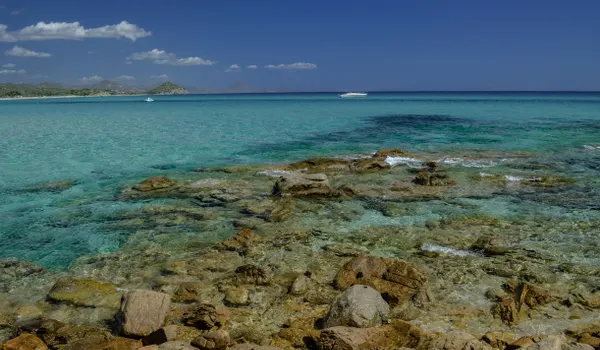
🇮🇹 Sardinia
 Region
🇵🇹 Madeira
 Country