When to go to Crete?
→ The detailed month-by-month page, with real weather records
Best time: May to June and September to October
At a glance
Why go to Crete?
Crete is not so much an island as almost a country in its own right, the largest and most varied in Greece. You will find dream beaches with turquoise water, but also wild mountains rising to over two thousand metres. Between deep gorges, green plateaus and villages clinging to the slopes, the landscapes change radically within a few kilometres. This diversity makes it an inexhaustible destination, one you return to without ever seeing it all.
The island is also the cradle of Minoan civilisation, the oldest in Europe. The palace of Knossos, with its legendary labyrinth, plunges visitors into the heart of the myth of the Minotaur. Venetian towns, Ottoman fortresses and Orthodox monasteries bear witness to a rich and contested past. Every stone tells of the crossroads of civilisations that Crete has always been.
But what marks travellers most is the warm welcome of the Cretans and their art of living. Here, philoxenia, hospitality, is not an empty word but an everyday reality. Cretan cooking, healthy and generous, is reputed to be one of the most balanced in the world. You leave with the taste of shared raki and memories of endless meals under vine trellises.
Map of Crete: what is where?
The map shows the 6 places covered in this guide, to picture the distances and plan your route.
- Palace of Knossos
- Chania
- Samaria Gorge
- Elafonissi Beach
- Rethymno
- Lassithi Plateau
How much does a trip to Crete cost?
Crete offers very good value for money, more affordable than the small Cycladic islands for both accommodation and food.
| Style | Per day | What it covers |
|---|---|---|
| Backpacker | €45-70/day | Studio, shared car or bus, local tavernas and free beaches. |
| Comfort | €110-180/day | Charming hotel, hire car, restaurants and archaeological sites. |
| Premium | €300+/day | Resort or luxury villa, fine dining, excursions and private activities. |
The euro is the official currency and cards are widely accepted, but keep some cash for villages and small mountain tavernas.
Is Crete safe?
Crete is a very safe island where visitors quickly feel at ease thanks to local hospitality. The main risks concern driving on narrow mountain roads that are sometimes poorly signposted. When hiking, notably in the Samaria Gorge, you need good shoes and water, and must respect the closing times. Currents can be strong on some south-facing beaches, so pay attention to the flags. Petty crime is rare, and a little vigilance on busy beaches is more than enough.
What to see and do in Crete
- Balos Beach
- the Elafonissi lagoon
- the Samaria Gorge
- the Palace of Knossos
- Chania Old Town
Palace of Knossos

The largest archaeological site in Crete, Knossos was the centre of the powerful Minoan civilisation. You explore a maze of halls, stairways and courtyards that legend links to the labyrinth of the Minotaur. The colourful frescoes and restored red columns bring the palace to life. The stone throne in the Throne Room is among the oldest in Europe. An audio guide helps decipher this complex and fascinating site.
Chania Old Town

Chania charms with its picturesque Venetian harbour lined with colourful houses. The Egyptian lighthouse at the harbour entrance is its much-photographed symbol. The narrow lanes blend Venetian, Ottoman and Greek influences with faded charm. The covered market and waterfront tavernas invite you to linger. It is arguably the most beautiful town in Crete.
Samaria Gorge

The Samaria Gorge offers one of the finest hikes in Europe, sixteen kilometres long. The path descends from a mountain plateau to the Libyan Sea, between dizzying rock walls. The Gates, a passage just a few metres wide, is its spectacular highlight. You may come across the kri-kri, a wild goat found only on the island. The walk requires good fitness and plenty of water.
Elafonissi Beach

Elafonissi is a heavenly lagoon with pink sand and shallow turquoise water. At low tide, you can walk across to a wild islet that is a protected nature reserve. The setting evokes the Caribbean, a rare thing in the Mediterranean. Its beauty draws crowds in summer, so arrive early. The colours are simply unreal in the midday sun.
Rethymno and its fortress

Rethymno boasts one of the best-preserved Venetian old towns in Greece. Its Fortezza, an imposing citadel, overlooks the sea and offers lovely views. The lanes are full of fountains, Ottoman balconies and Renaissance doorways. The long sandy beach extends the pleasure of a visit. The atmosphere is more intimate than in Heraklion or Chania.
Lassithi Plateau and Dikteon Cave

The Lassithi Plateau spreads out a chequerboard of crops and old windmills. According to mythology, the Dikteon Cave was the birthplace of Zeus, king of the gods. You descend to admire stalactites and underground pools in a striking atmosphere. The traditional villages nearby offer a glimpse of rural, authentic Crete. It is a refreshing escape from the touristy coast.
How many days, and which itinerary?
A week is the minimum to sample the diversity of Crete; ten days to two weeks let you explore the west and the east in depth.
🗺️ Day-by-day itinerary · 📓 Free printable Crete guide (PDF) · 🌍 All of Greece
Western Crete (5 days)
Base yourself in Chania to explore the Venetian harbour and the beaches of Elafonissi and Balos, then hike the Samaria Gorge. Finish with Rethymno and its fortress.
Classic Crete (8 days)
Combine Heraklion and Knossos, Rethymno, Chania and the wild west. Alternate Minoan sites, Venetian towns, hikes and beach days for a complete overview of the island.
Grand tour of Crete (12 days)
Cross the island from west to east, from Chania to the Lassithi Plateau and the palm forest of Vai. You add mountain villages, monasteries and isolated beaches for total immersion.
Getting there and getting around
Hiring a car is almost essential to explore such a vast, mountainous island freely.
The KTEL bus network efficiently links the main towns on the north coast at a modest price.
Mountain roads are beautiful but winding, so allow plenty of time and drive carefully.
Ferries link Crete with Piraeus and the Cyclades, with very handy overnight sailings.
Where to stay in Crete?
Guesthouses and studios in villages or on the outskirts, from €35 to €70 a night.
Charming hotels in the old towns of Chania or Rethymno, between €80 and €150 a night.
Seafront resorts with a pool and a view, from €150 to €280 a night.
Villas and luxury hotels around Elounda, from €350 a night.
Our places to stay, stop by stop, at three budgets →
What to eat in Crete?
Try dakos, barley rusks topped with grated tomato, feta and oregano.
Savour oven-roasted lamb or rabbit in sauce, hearty dishes from the mountain tavernas.
Don't miss graviera cheese and thyme honey, the island's pride.
Finish every meal with a complimentary glass of raki, often served with fruit or cakes.
Entry requirements
Schengen area: an ID card or passport for EU citizens, 90 days visa-free for UK, US, Canadian and Australian passports.
Rules change: check your own government's travel advice before you go.
Frequently asked questions about Crete
When is the best time to visit Crete?
From May to June and from September to October, the climate is ideal for combining beach and hiking. July and August are very hot and busy; winter stays mild but quieter.
How many days do you need in Crete?
A week lets you discover half the island; ten to fourteen days are recommended to explore the west and the east without rushing.
What daily budget should you plan for Crete?
Allow around €60 a day as a backpacker, €140 for a comfortable stay and over €300 for a premium experience in a resort or villa.
How do you get around Crete?
Hiring a car is highly recommended for independence; the KTEL bus network serves the coastal towns well but isolated sites poorly.
Which town should you stay in in Crete?
Chania and Rethymno have the most charm for the west, Heraklion is handy for Knossos, and Elounda appeals for an upmarket beach holiday.
Similar destinations
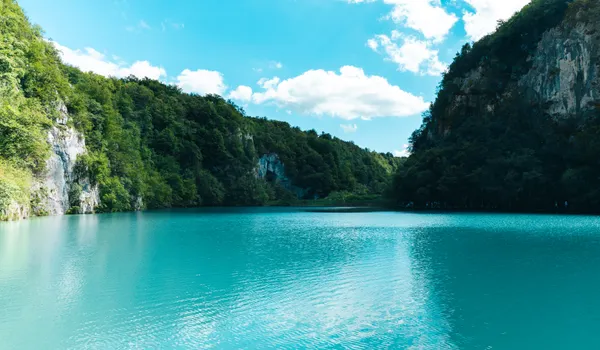 Country
🇭🇷 Croatia
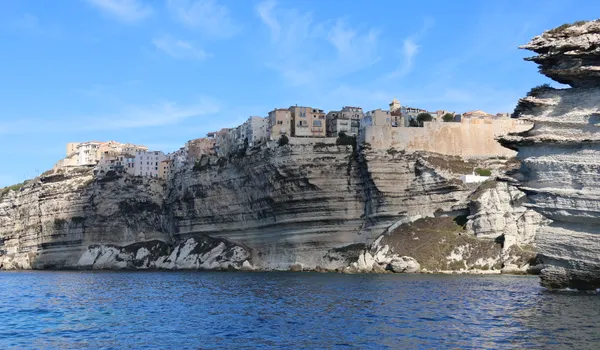 Region
🇫🇷 Corsica
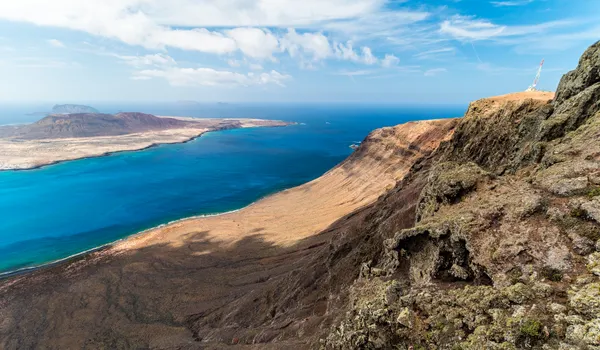 Region
🇪🇸 The Canary Islands
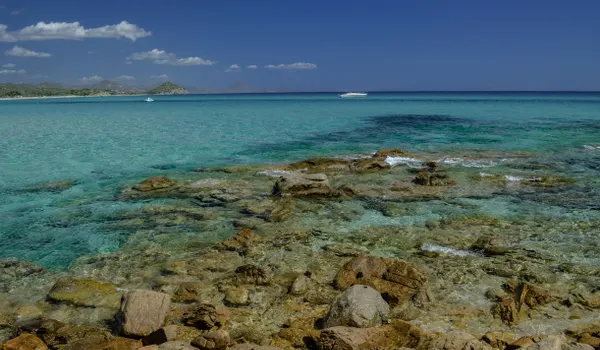 Region
🇮🇹 Sardinia
 Region
🇵🇹 Madeira
 City
City🇮🇪 Donegal
 City
City🇮🇪 The Ring of Kerry
 City
City🇮🇪 Galway and Connemara
 Region
🇵🇹 The Azores
 City
City