When to go to Corsica?
→ The detailed month-by-month page, with real weather records
Best time: May to October
At a glance
Why go to Corsica?
Corsica is a mountain set in the sea, and that is what makes it unique. Less than an hour from the finest beaches in the Mediterranean, Palombaggia, Santa Giulia or Rondinara, rise 2,700-metre peaks, forests of Corsican pine and natural pools of green water. No other Mediterranean island packs such a concentration of landscapes into 180 kilometres of length.
It is also an island of character, with a living island culture that goes far beyond the scenery. Polyphonic singing echoes through the churches of the Balagne, inland villages such as Sartène and Corte keep their austere granite and their pride, and the food (free-range pork charcuterie, brocciu, AOP honeys, Patrimonio wines) is worth the trip on its own.
Above all, Corsica is a life-sized playground. The GR20, Europe's most legendary and most demanding trail, crosses the island along its ridges, but dozens of accessible hikes lead to the mountain lakes of the Restonica or the pools of the Cavu. At sea, the Scandola reserve and the Lavezzi Islands rank among the finest diving and sailing spots in the Mediterranean.
Map of Corsica: what is where?
The map shows the 6 places covered in this guide, to picture the distances and plan your route.
- Bonifacio
- Calanques de Piana
- Bavella Pass
- Palombaggia
- Corte
- Nonza (Cap Corse)
How much does a trip to Corsica cost?
Corsica is more expensive than the mainland in summer, especially car hire and coastal accommodation in July and August.
| Style | Per day | What it covers |
|---|---|---|
| Backpacker | €70-100/day | camping, picnics from local producers, free beaches and hikes |
| Comfort | €130-190/day | 3-star hotel or rental, restaurants, car and one boat trip |
| Premium | €350+/day | 5-star sea-view hotel in Porto-Vecchio or Calvi, private boat to the Lavezzi Islands |
Cards accepted almost everywhere; keep cash for bergeries, beach shacks (paillotes) and small producers inland.
Is Corsica safe?
Corsica is very safe for travellers. The real risks are natural: narrow mountain roads where you meet free-roaming cows and pigs, sudden storms that make rivers rise in minutes (deadly in canyons, so always check the weather before swimming in natural pools), and summer wildfires that can close mountain areas and trails. At sea, the wind picks up quickly in the Strait of Bonifacio.
What to see and do in Corsica
- The Strait of Bonifacio
- Calanques de Piana
- Aiguilles de Bavella
- Palombaggia beach
- The GR20
- Cap Corse and Nonza
- Scandola nature reserve
- Lavezzi Islands
Bonifacio

Corsica's most spectacular town sits on the edge of white limestone cliffs, hollowed out by the sea 70 metres below. The citadel and its medieval lanes tower over a natural fjord where boats slip in and out. The King of Aragon's Staircase, carved into the cliff, descends to the water's edge. From offshore, on a boat to the Lavezzi Islands, the view of the suspended town is unforgettable. Allow a full day.
Calanques de Piana

Between Piana and Porto, the road winds through tafoni of red granite sculpted by erosion, plunging into a cobalt sea. UNESCO-listed together with Scandola, the calanche can be explored on foot via the Château Fort trail, or from the sea at sunset when the rock catches fire. The narrow road is shared with coaches, so drive early. The listed village of Piana is worth a stop.
Aiguilles de Bavella

These jagged granite peaks, often compared to the Dolomites, tower over the Bavella Pass at 1,218 metres. Trails for all levels start from the pass, from the walk to the Trou de la Bombe (1h30) to the alpine variants of the GR20. Below, the natural pools of Purcaraccia and the Cavu offer green-water swimming in polished granite. One of the most beautiful mountain landscapes in the Mediterranean.
Palombaggia and the far south

South of Porto-Vecchio, Palombaggia rolls out its white sand between umbrella pines and pink granite rocks, facing the Cerbicale Islands. Santa Giulia and its turquoise lagoon, then Rondinara and its shell-shaped bay complete the trio of Corsica's most photogenic beaches. The water is translucent and warm from June to October. In August, arrive before 9.30am to find parking.
Scandola and Girolata

The Scandola nature reserve, a UNESCO jewel accessible only by sea, lines up red volcanic organ pipes, caves and ospreys. Excursions leave from Porto, Calvi or Cargèse and often stop at Girolata, a roadless hamlet reachable on foot or by boat. The crystal-clear water of the coves is perfect for anchoring and swimming. Book a trip on a RIB to get as close as possible to the rock fissures.
Corte and the Restonica

Pasquale Paoli's former capital, perched on its spur in the centre of the island, is the historic and university heart of Corsica. Its citadel houses the Museum of Corsica, essential for understanding the island. From the town, the Restonica gorges lead to the glacial lakes of Melo and Capitello, a flagship hike taking 2h30 return for the first one. Authentic Corsica, far from the beaches.
How many days, and which itinerary?
Allow 10 days to tour the island, or a week focused on the south or the north.
🗺️ Day-by-day itinerary · 📓 Free printable Corsica guide (PDF) · 🌍 All of France
The deep south (7 days)
Base yourself between Porto-Vecchio and Bonifacio. The beaches of Palombaggia and Rondinara, a day in Bonifacio and the Lavezzi Islands, the climb to Bavella and the natural pools, an escape to Sartène. The best beach-to-mountain ratio.
Tour of Corsica (10-12 days)
Ajaccio, Piana and Scandola, Calvi and the Balagne, Cap Corse, then south via Corte and the Restonica, finishing in the far south. The grand tour clockwise, 900 km of superb roads.
Wild Corsica (8 days)
Corte and the Restonica lakes, day sections of the GR20 around Vizzavona, the Aiguilles de Bavella, canyoning at Purcaraccia and swimming at the Cavu. For legs that love to climb.
Getting there and getting around
A hire car is essential; book early for July and August, from €45 a day at Figari, Ajaccio or Bastia.
Mountain roads are slow: allow 3h for Ajaccio-Bastia, 2h for Ajaccio-Bonifacio.
The Ajaccio-Corte-Bastia train (U Trinichellu) crosses the mountains, a superb 4h journey.
Ferries from Toulon, Nice or Marseille (5 to 12h) are handy if you are bringing your own car.
Where to stay in Corsica?
Seaside campsites are everywhere, pitches €25 to €40, bungalows from €80 a night.
3-star hotels in Porto-Vecchio, Calvi or Bonifacio, €120 to €200 a night in summer.
Holiday rentals and residences around Porto-Vecchio, a good family option by the week from €700.
Mountain huts and bergeries on the GR20 (~€15 a night, booking compulsory on the nature park website).
Our places to stay, stop by stop, at three budgets →
What to eat in Corsica?
Corsican charcuterie (coppa, lonzu, figatellu in winter) and sheep's or goat's cheeses, to buy directly from producers.
AOP brocciu in cannelloni, in a mint omelette and in fiadone for dessert.
Fish and spiny lobster in the ports, wild boar stew and veal with olives inland.
Patrimonio and Figari wines, Pietra chestnut beer; allow €25 to €40 for a full meal.
Entry requirements
Schengen area: an ID card or passport for EU citizens, 90 days visa-free for UK, US, Canadian and Australian passports.
Rules change: check your own government's travel advice before you go.
Frequently asked questions about Corsica
When is the best time to visit Corsica?
June and September are ideal: warm sea, trails open, reasonable prices and half the crowds of August. May and October are perfect for hiking, July and August for pure beach life.
What daily budget should I plan for?
Allow €100 to €170 a day per person in summer, car included. Camping and outside July and August, €70 to €90 is plenty.
How do I get around?
A hire car is a must, as public transport is almost non-existent outside the main towns. Book it several months ahead for summer, when prices soar.
How many days do I need?
A week to explore the south or the north, 10 to 12 days for a proper tour of the island. Mountain roads are slow, so don't overload the itinerary.
Is the GR20 suitable for average hikers?
The full GR20 (16 stages) is for very fit walkers only, but several sections can be done as day hikes, for example around Vizzavona or the Bavella Pass. Book the mountain huts well in advance for June to September.
Similar destinations
 Region
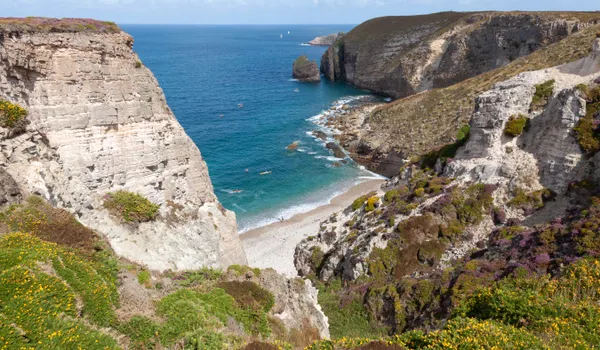
🇫🇷 Brittany
 Region
🇫🇷 The French Basque Country
 Region
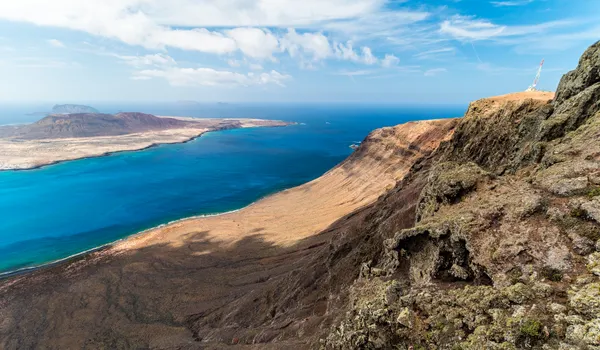
🇪🇸 The Canary Islands
 Region
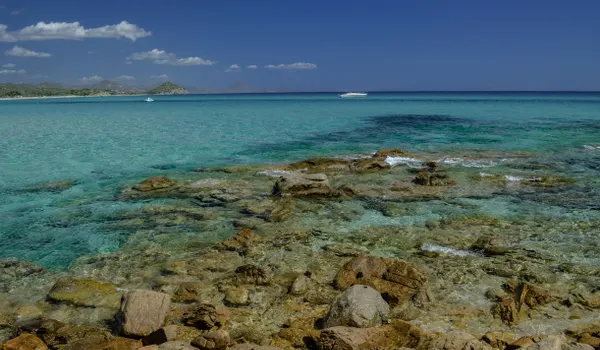
🇮🇹 Sardinia
 Region
🇵🇹 Madeira
 Region
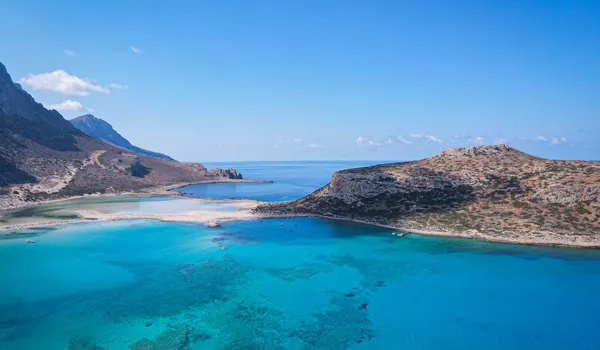
🇬🇷 Crete
 Country
🇭🇷 Croatia
 Region
🇵🇹 The Azores
 City
City🇬🇷 Corfu
 Region