When to go to the Canary Islands?
→ The detailed month-by-month page, with real weather records
Best time: All year round (ideal in winter)
At a glance
Why go to the Canary Islands?
The Canaries offer endless summer off the coast of Africa, with volcanic landscapes of astonishing variety. Each island has its own identity, from the desert of Fuerteventura to the misty forests of La Gomera and the lunar craters of Lanzarote. This is a nature destination where you can go from the beach to high mountains in a matter of hours.
The spring-like climate all year round makes the islands an ideal refuge, especially in winter when the rest of Europe is shivering. People come for hiking, surfing, diving or simply lazing on golden or black sand beaches. Stargazers also prize skies that are among the clearest in the world.
Beyond the scenery, the Canaries have a blended culture of Guanche traditions, Spanish influences and Latin American echoes. Colourful villages, craft markets and cooking built on fresh fish and papas arrugadas complete the picture. It is an archipelago that wins over families, active travellers and lovers of wide open spaces.
Map of the Canary Islands: what is where?
The map shows the 6 places covered in this guide, to picture the distances and plan your route.
- Teide (Tenerife)
- Timanfaya (Lanzarote)
- Maspalomas Dunes (Gran Canaria)
- Garajonay (La Gomera)
- Betancuria (Fuerteventura)
- Roque Nublo (Gran Canaria)
How much does a trip to the Canary Islands cost?
The Canaries offer good value for money, with favourable taxes, even if car hire weighs on the budget.
| Style | Per day | What it covers |
|---|---|---|
| Backpacker | €50-75/day | hostel, self-catering, local buses and free hikes |
| Comfort | €110-170/day | seafront hotel, hire car and restaurants |
| Premium | €300+/day | upmarket resort, private excursions and water sports |
Cards are accepted everywhere, and the local sales tax (IGIC), lower than VAT on mainland Spain, makes some purchases cheaper.
Is the Canary Islands safe?
The Canaries are among the safest destinations in Spain, with very low crime. The main risks come from nature: strong currents on some beaches, sunburn and hiking on volcanic terrain. Respect the swimming flags, carry water in the mountains and never underestimate the sun. Stay careful around the elements and your trip will be perfectly relaxed.
What to see and do in the Canary Islands
- Teide volcano (Tenerife)
- the Maspalomas dunes
- the beaches of Fuerteventura
- Timanfaya park (Lanzarote)
- the trails of La Gomera
Teide (Tenerife) 3 697 m

Mount Teide is the highest peak in Spain, rising to more than 3,700 metres. The national park around it unfolds surreal volcanic landscapes of frozen lava flows and coloured rock. A cable car runs close to the summit, from where the view takes in the whole archipelago. The site is a UNESCO World Heritage Site.
Timanfaya National Park (Lanzarote)

This park is a spectacle of scorched earth shaped by 18th-century eruptions. The Montañas del Fuego display striking shades of red, ochre and black. Demonstrations of geothermal heat show the volcanic activity still present underground. Visits are by panoramic coach along a spectacular road.
Maspalomas Dunes (Gran Canaria)
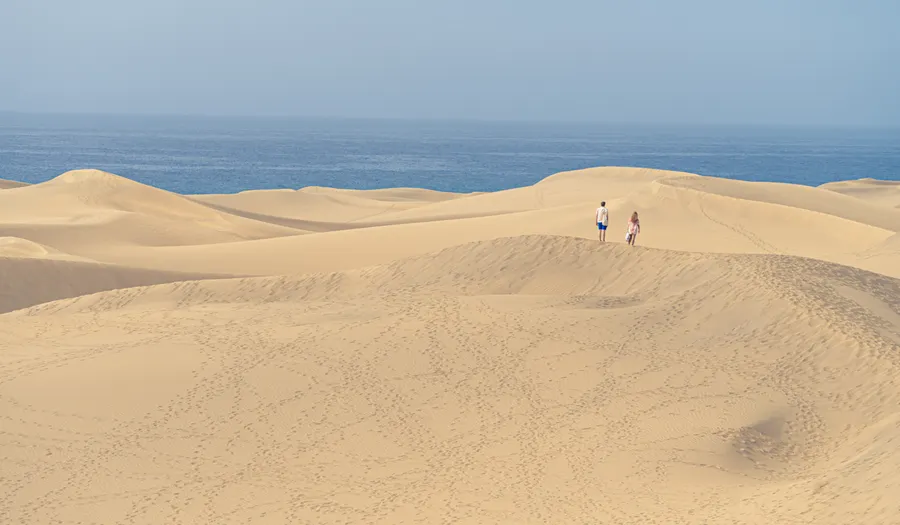
These golden sand dunes in the south of Gran Canaria feel like a mini Sahara by the ocean. Protected as a nature reserve, they shelter protected wildlife and plants. A historic lighthouse and a long beach border this unique space. It is a favourite spot for walks and sunsets.
Garajonay (La Gomera)

This national park protects a primeval laurel forest inherited from the Tertiary period. Wrapped in mist, the laurisilva creates a mysterious, fairy-tale atmosphere. Trails wind between mosses, ferns and centuries-old trees. This botanical gem is a UNESCO World Heritage Site.
Betancuria (Fuerteventura)
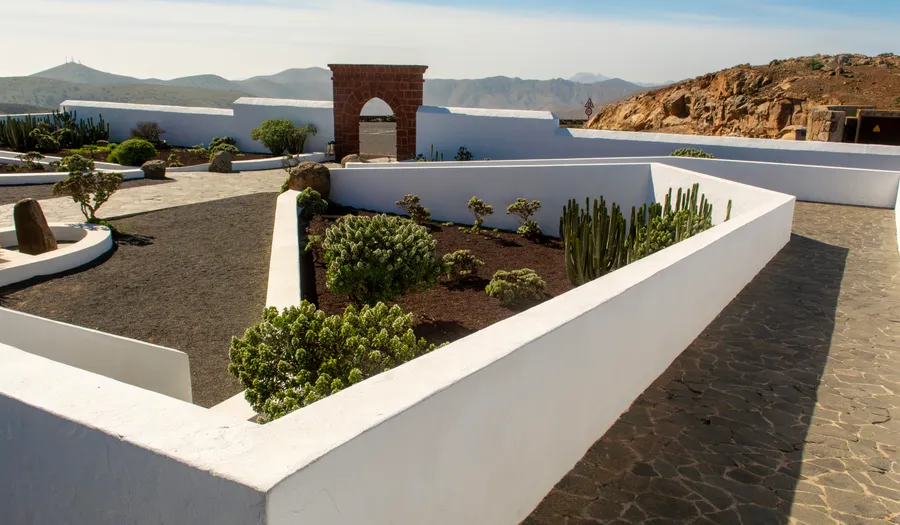
The island's former capital, this white village tucked into the mountains exudes serenity. Its church, quiet lanes and arid setting make it a picturesque stop. The surroundings offer superb viewpoints over desert peaks. It sums up Fuerteventura's history and authenticity.
Roque Nublo (Gran Canaria)

This volcanic monolith rising in the heart of Gran Canaria is a symbol of the island. An easy hike leads to its base, with grand panoramas along the way. On clear days you can make out Tenerife's Teide on the horizon. The site is especially magical at sunrise and sunset.
How many days, and which itinerary?
Allow at least a week per island, or two weeks to combine several.
🗺️ Day-by-day itinerary · 📓 Free printable Canary Islands guide (PDF) · 🌍 All of Spain
Tenerife and Teide (7 days)
Alternate hikes in Teide National Park, the beaches of the south and northern towns such as La Orotava. Add a whale and dolphin watching trip off the west coast. A week lets you take in the variety of the largest island.
Lanzarote and Fuerteventura (10 days)
Explore the volcanic landscapes of Timanfaya and the legacy of the artist César Manrique on Lanzarote. Then cross to Fuerteventura for its wild beaches and surfing. A ferry easily links the two neighbouring islands.
Multi-island combo (14 days)
Link Tenerife, Gran Canaria and La Gomera by plane or ferry for the full picture. Alternate summits, forests, dunes and colourful villages. This circuit reveals the archipelago's full variety.
Getting there and getting around
Domestic flights and ferries to get between the islands
Car hire almost essential for exploring the interior
Reliable bus networks (guaguas), but limited off the main routes
International airports on Tenerife, Gran Canaria, Lanzarote and Fuerteventura
Where to stay in the Canary Islands?
Hostels and small apartments from €30 to €50 a night
Seafront hotels between €80 and €150 for a double room
Rural houses (casas rurales) inland at around €90 to €160 a night
Resorts and luxury hotels from €250 and up
Our places to stay, stop by stop, at three budgets →
What to eat in the Canary Islands?
Papas arrugadas served with mojo rojo and mojo verde sauces
Fresh grilled fish such as vieja and cherne
Award-winning Canarian cheeses and gofio, the archipelago's emblematic flour
Volcanic wines from Lanzarote and Canary bananas for dessert
Entry requirements
Schengen area: an ID card or passport for EU citizens, 90 days visa-free for UK, US, Canadian and Australian passports.
Rules change: check your own government's travel advice before you go.
Frequently asked questions about the Canary Islands
When is the best time to visit the Canaries?
The archipelago can be visited all year round thanks to its spring-like climate. Winter is ideal for escaping the European cold, while spring offers perfect conditions for hiking.
How many days do you need in the Canaries?
Allow at least a week per island to make the most of it. Two weeks let you combine two or three, depending on your interests.
What is the daily budget in the Canaries?
Expect around €50 to €75 a day on a backpacker budget, €110 to €170 for a comfortable stay and more than €300 for a premium trip.
How do you get around the Canaries?
A hire car is the best way to explore each island. Between the islands, planes and ferries run regular services.
Where should you stay in the Canaries?
The south of Tenerife and Gran Canaria is where the beaches and the action are, while the north and the interior offer authenticity and nature. Choose according to your plans, beach or hiking.
Similar destinations
 Region
🇫🇷 Corsica
 Region
🇮🇹 Sardinia
 Region
🇵🇹 Madeira
 Region
🇬🇷 Crete
 Country
🇭🇷 Croatia
 Region
🇵🇹 The Azores
 Region
🇫🇷 Brittany
 Region
🇫🇷 The French Basque Country
 City
City🇪🇸 Mallorca
 City
City