When to go to Spain?
→ The detailed month-by-month page, with real weather records
Best time: April to June and September to October
At a glance
Why go to Spain?
Spain is not so much visited as lived, to the rhythm of its hours: the siesta that empties the streets at midday, the aperitif spilling onto the pavements at seven, dinners that begin when people elsewhere are going to bed. You move from Gaudí's façades in Barcelona to the Andalusian patios of Seville without ever feeling you are in the same country.
It is one of the easiest trips to put together: the euro in your pocket and sunshine all but guaranteed from April to October. The country is big enough for a complete change of scenery, and well enough connected to link it all up without hassle.
And then there is the food, which shapes the days as much as the monuments do. You eat standing at the counter, share everything, and graze one plate after another as you move from bar to bar. It is a culture of conviviality that makes the trip warm even when you travel alone.
Map of Spain: what is where?
The map shows the 6 places covered in this guide, to picture the distances and plan your route.
- Barcelona
- Madrid
- Seville
- Granada
- San Sebastián
- Cadaqués
How much does a trip to Spain cost?
Spain comes in at between 70 and 120 euros a day depending on the city and the season, with plenty of room to spend less or to treat yourself.
| Style | Per day | What it covers |
|---|---|---|
| Backpacker | €55 to 70 | Hostels, pintxos at the counter, trains booked in advance and museums during free hours |
| Comfort | €90 to 120 | Boutique hotel in the city centre, restaurants in the evening, a few skip-the-line tickets |
| Splurge | €150 and up | Historic paradores, gourmet tables and taxis without counting the cost |
The euro everywhere, and cards accepted even in small bars, but keep a little cash for markets and village taverns.
Is Spain safe?
Spain is a safe country where the main risk remains pickpocketing in the tourist areas of Barcelona, Madrid or Seville: keep an eye on your bag and phone on the metro and on packed terraces. No particular vaccinations are required, and tap water is drinkable almost everywhere. The European Health Insurance Card covers routine care.
What to see and do in Spain
- Barcelona (Sagrada Família, Gaudí)
- the Alhambra in Granada
- Seville and Andalusia
- the beaches of the Costa Brava
- Madrid and the Prado
The Sagrada Família, Barcelona

Gaudí's work in progress remains the city's most breathtaking experience. Inside, light filtered through the stained glass turns the columns into a forest of coloured stone. Book a time slot in advance; the queues without a ticket are disheartening. Go up a tower if you have a head for heights: the view over the rooftops is worth the extra cost.
The Alhambra, Granada

Perched above Granada, the Nasrid citadel is a high point of Islamic art in Europe. The finely carved palaces, the pools and the Generalife gardens have to be earned: tickets sell out weeks in advance. Aim for early morning or late afternoon for the light and the cool. Below, the Albaicín quarter is best explored on foot at sunset.
Seville and Andalusia

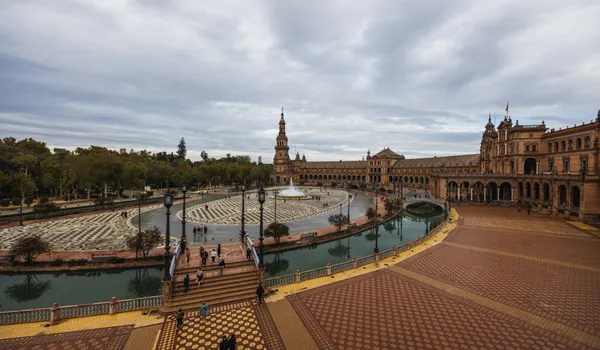
Seville distils everything people love about the south: the cathedral and its Giralda, the Alcázar and its azulejos, the cool lanes of Santa Cruz. In the evening, seek out a flamenco peña where the guitar and the singing are not there for the tourists. The summer heat is crushing, hence the appeal of spring or autumn.
The Prado, Madrid

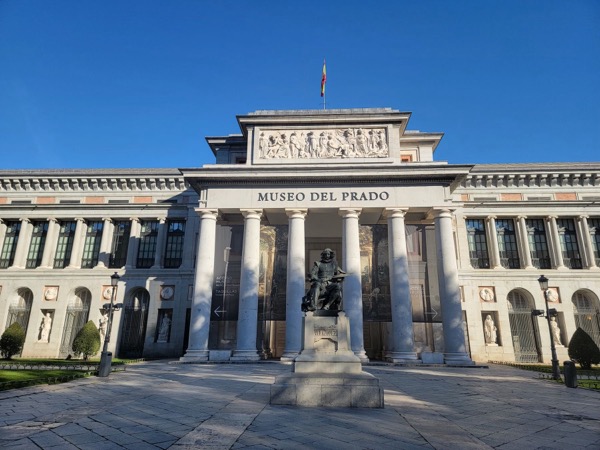
Madrid lacks Barcelona's postcard looks, but it has the life and the museums. At the Prado, you come for Velázquez, Goya and Las Meninas, without trying to see everything in one afternoon. Nearby, the Retiro is made for a break in the shade. In the evening, head to the La Latina district to hop from one tapas bar to the next.
The Costa Brava
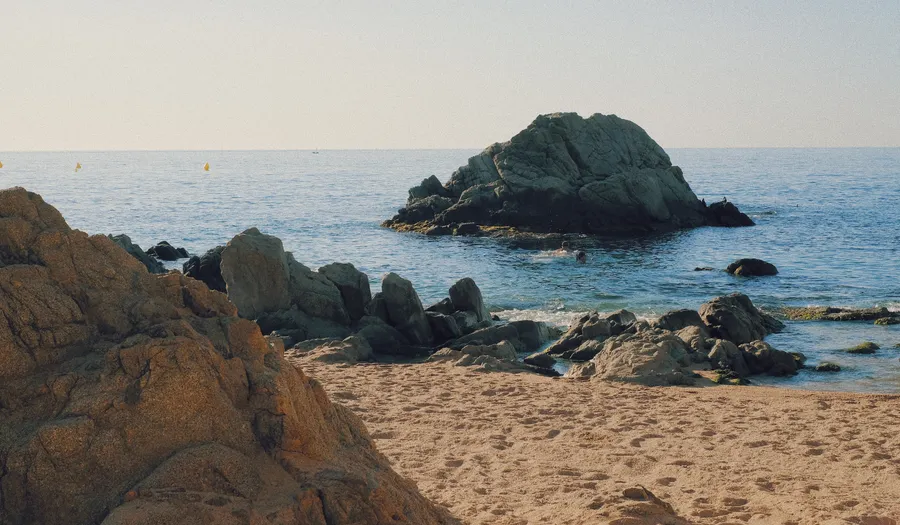
North of Barcelona, the coast breaks into clear-water coves fringed with pines. Cadaqués, with its white houses, keeps the memory of Dalí, whose house can be visited at Portlligat. The coastal paths, the famous camins de ronda, link the beaches on foot. Out of season, you almost have the coves to yourself.
Basque food, San Sebastián

In San Sebastián's old town, you go from bar to bar picking at pintxos laid out on the counter. Each place has its speciality, from txangurro to prawn skewers. Wash it all down with a glass of txakoli poured from a height. It is a way of dining standing up, on the move, and terribly addictive.
How many days, and which itinerary?
Allow a week for a pairing such as Barcelona and Andalusia, and ten to fourteen days to really feel the contrasts between the Atlantic north and the Mediterranean south.
🗺️ Day-by-day itinerary · 📓 Free printable Spain guide (PDF)
Andalusia in a week
Fly into Seville for three nights: cathedral, Alcázar, a flamenco evening and tapas in Triana. Head to Córdoba for a day to see the Mezquita, then on to Granada for two nights centred on the Alhambra and the Albaicín. Finish in Málaga with a swim on the Costa del Sol before flying home.
Barcelona and Catalonia, ten days
Spend four nights in Barcelona: Gaudí, the Gothic Quarter, La Boqueria and a trip to Montserrat. Hire a car to reach the Costa Brava, with two nights in Cadaqués among coves and Dalí. Continue to Girona for its ramparts, then wrap up with a night in Tarragona and its Roman remains facing the sea.
The green north, one week
Start in Bilbao for the Guggenheim and the Basque atmosphere, then two nights in San Sebastián devoted to pintxos and La Concha beach. Follow the Cantabrian coast to Santander and the Picos de Europa for a day's hiking. Finish in Oviedo, in Asturias, between cider and pre-Romanesque architecture.
Getting there and getting around
The AVE high-speed rail network links Madrid with Barcelona, Seville, Valencia or Málaga in a few hours, often for less if you book early.
For the Costa Brava, the Picos de Europa or Andalusia's white villages, hiring a car opens up areas poorly served by rail.
In the big cities, the metro and walking are more than enough; there is no point keeping a car in the city centre.
ALSA long-distance buses cover routes without trains well and remain cheap.
Where to stay in Spain?
On a base of 70 to 120 euros a day, you can sleep comfortably in a boutique hotel or a B&B in most cities.
Hostels and pensiones in Andalusia or Barcelona can bring your accommodation budget down considerably if you travel light.
In Seville or Granada, staying in the old town saves on journeys and makes for longer evenings.
In high season on the coast, book early: the popular coves push prices up fast.
Our places to stay, stop by stop, at three budgets →
What to eat in Spain?
The golden rule: share. Order several tapas or raciones for the middle of the table and pick away.
Don't leave without tasting real jamón ibérico, a tortilla de patatas that is still runny in the middle and a Valencian paella cooked to order, not the frozen version of the tourist areas.
In Granada, many bars still serve a free tapa with your drink, a tradition that is dying out elsewhere.
Gazpacho and salmorejo cool down hot days, and Rioja wine goes with everything else.
Entry requirements
Schengen area: an ID card or passport for EU citizens, 90 days visa-free for UK, US, Canadian and Australian passports.
Rules change: check your own government's travel advice before you go.
Cities and regions to discover
 City
City🇪🇸 Barcelona
 City
City🇪🇸 Madrid
 City
City🇪🇸 Seville
 Region
🇪🇸 The Canary Islands
 City
City🇪🇸 Mallorca
 Region
🇪🇸 Andalusia
Frequently asked questions about Spain
When is the best time to go?
April to June and September to October offer the best compromise: pleasant warmth, superb light and reasonable crowds. Andalusian summers can push daytime temperatures beyond bearable.
How long should I plan?
A week is enough for a well-chosen pair of cities. Allow ten to fourteen days to combine the Mediterranean south and the Atlantic north without rushing.
Is Spain expensive?
It is one of the most affordable countries in Western Europe for food and transport. A budget of 70 to 120 euros a day comfortably covers accommodation, meals and sightseeing.
Is English spoken?
A little, in tourist areas, but a few words of Spanish quickly pay off, especially in Andalusia and in villages. A thank you and a hello in Castilian open many doors.
Similar destinations
 Region
🇮🇹 The Amalfi Coast
 City
City🇫🇷 Montpellier
 City
City🇬🇷 Corfu
 City
City🇭🇷 Split
 Country
🇫🇷 France
 Region
🇫🇷 The French Riviera
 City
City🇫🇷 Bordeaux and Around
 Country
🇮🇹 Italy
 City
City🇮🇹 Amalfi and Ravello
 Region