When to go to Mallorca?
→ The detailed month-by-month page, with real weather records
Best time: May to June and September to October
At a glance
Why go to Mallorca?
Mallorca is the largest of the Balearic Islands, a concentrate of the Mediterranean with a thousand faces. Far from the beach-resort cliché, the island reveals turquoise coves, perched stone villages and a mountain range listed by UNESCO. It offers both party energy and the gentle pace of island life.
The Serra de Tramuntana, with its olive terraces and winding roads, offers spectacular landscapes plunging towards the sea. Hikers, cyclists and lovers of wild beaches are spoilt for choice. Inland, colourful markets and wine estates reveal an authentic, food-loving Mallorca.
Palma, the capital, charms with its Gothic cathedral facing the sea, its elegant lanes and its refined atmosphere. The island thus combines heritage, gastronomy and nature in an easy-to-explore package. Accessible and varied, Mallorca suits families, couples and active travellers alike.
Map of Mallorca: what is where?
The map shows the 6 places covered in this guide, to picture the distances and plan your route.
- Palma Cathedral
- Valldemossa
- Cap de Formentor
- Caves of Drach
- Sóller
- Port de Sóller
How much does a trip to Mallorca cost?
Mallorca covers every budget, from a cheap off-season break to an upmarket summer holiday, when prices climb sharply.
| Style | Per day | What it covers |
|---|---|---|
| Backpacker | €55-80/day | hostel, self-catering, buses and free beaches |
| Comfort | €120-180/day | boutique hotel, hire car and restaurants |
| Premium | €320+/day | luxury finca or resort, renowned restaurants and private activities |
Cards are accepted everywhere, but bring a little cash for markets and small villages.
Is Mallorca safe?
Mallorca is a very safe island where tourists travel with complete peace of mind. The rare problems are limited to pickpocketing in Palma's busiest areas and excesses in some party resorts such as Magaluf. On the mountain road, take extra care on the narrow bends of the Tramuntana. At sea, follow the swimming guidance and your stay will be trouble-free.
What to see and do in Mallorca
- the coves of Cala Mondragó
- the Serra de Tramuntana
- Palma and its cathedral
- the village of Valldemossa
- Es Trenc beach
Palma Cathedral (La Seu)

This monumental Gothic cathedral towers over the Bay of Palma from the waterfront. Its rose window, one of the largest in the world, casts spectacular plays of light. The interior bears the mark of Gaudí, who took part in its restoration. It is the island's emblematic monument and an unmissable masterpiece.
Valldemossa

This stone village nestled in the Serra de Tramuntana is strikingly beautiful. Its flower-filled lanes and its Carthusian monastery, where Chopin stayed, give it a deeply romantic air. Ochre houses and green shutters make a picture-postcard setting. It is one of the most beautiful villages in Mallorca.
Cap de Formentor

At the island's northern tip, this spectacular cape plunges into an intensely blue sea. The scenic road out to it crosses dizzying cliffs and pine forests. Its lighthouse offers a grand viewpoint over the Mediterranean. The sunsets here are among the most memorable on the island.
Caves of Drach
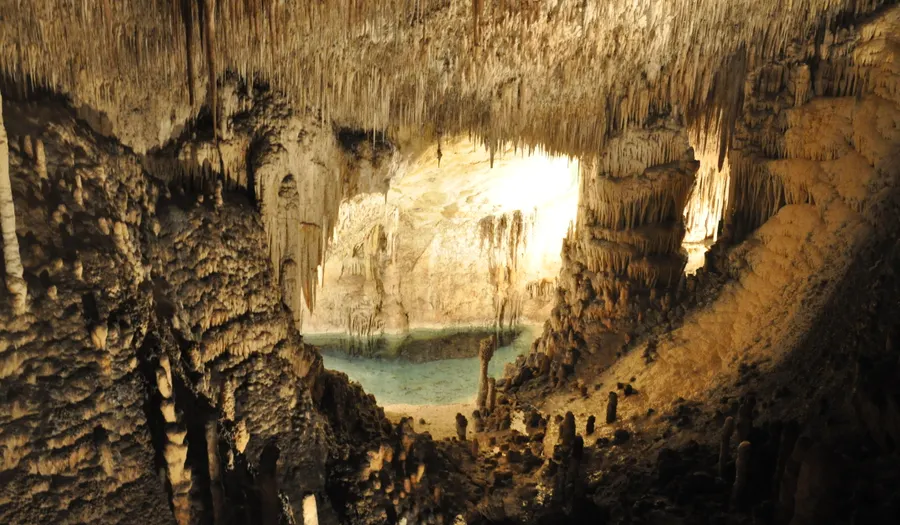
These caves on the east coast hold one of the largest underground lakes in the world. Stalactites and stalagmites form fairy-tale scenes, beautifully lit. The visit ends with a classical music concert played from a boat. It is a unique experience, popular with families.
Sóller

This picturesque town in the heart of a valley of orange groves is reached by a vintage wooden train from Palma. The journey through the mountains is a delight in itself. The main square, dominated by a modernist church, invites you to linger. A vintage tram then links the town to its port.
Port de Sóller
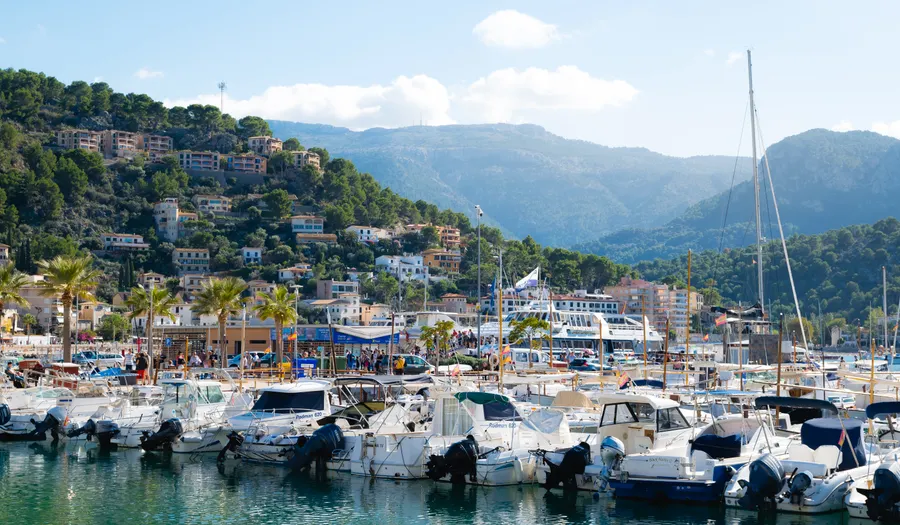
Tucked into a sheltered bay, this port offers a beach, a promenade and a relaxed Mediterranean feel. Nearby, wild coves such as Cala Tuent tempt swimmers. The crystal-clear water and mountain scenery are exceptional. It is an ideal base for exploring the island's northwest.
How many days, and which itinerary?
Allow 5 to 7 days to explore the island between Palma, the mountains and the coves.
🗺️ Day-by-day itinerary · 📓 Free printable Mallorca guide (PDF) · 🌍 All of Spain
Essential Mallorca (5 days)
Start with Palma and its cathedral, then head to Valldemossa and Sóller with its historic train. Devote one day to the northern beaches and another to the Caves of Drach. This format covers the essentials of culture and nature.
Mallorca for nature lovers (7 days)
Add hikes in the Serra de Tramuntana, Cap de Formentor and several wild calas. Leave time for local markets and wine estates. A week allows a relaxed, varied pace.
Palma and around (3 days)
Focus on Palma, Valldemossa and a beautiful nearby cove. Hire a car for a day trip into the mountains. It is short but enough for a satisfying taste.
Getting there and getting around
Car hire recommended for reaching coves and mountain villages
Bus network linking Palma with the main resorts and villages
Picturesque historic train and tram between Palma, Sóller and its port
Palma's international airport, well served and close to the capital
Where to stay in Mallorca?
Hostels and small hotels from €35 to €55 a night
Boutique hotels in Palma between €90 and €160 for a double room
Fincas (rural estates) inland at around €120 to €220 a night
Luxury hotels and seafront resorts from €300 and up
Our places to stay, stop by stop, at three budgets →
What to eat in Mallorca?
Ensaïmada, the island's emblematic spiral pastry
Sobrassada, a Mallorcan cured sausage spiced with paprika
Fresh fish and seafood in the ports and coastal villages
Tumbet, a traditional vegetable dish, and local wines from the interior
Entry requirements
Schengen area: an ID card or passport for EU citizens, 90 days visa-free for UK, US, Canadian and Australian passports.
Rules change: check your own government's travel advice before you go.
Frequently asked questions about Mallorca
When is the best time to visit Mallorca?
From May to June and from September to October, the weather is ideal and crowds are more manageable. July and August are hot and very busy, while winter stays mild but quiet.
How many days do you need in Mallorca?
Five to seven days let you combine Palma, the mountains and the coves. A full week gives a pleasant pace without rushing.
What is the daily budget in Mallorca?
Expect around €55 to €80 a day on a backpacker budget, €120 to €180 for a comfortable stay and more than €320 for a premium trip.
How do you get around Mallorca?
A hire car is the most practical way to explore the island. The historic Sóller train and the buses usefully fill the gaps.
Where should you stay in Mallorca?
Palma is ideal for culture and nightlife, the northwest coast for nature and villages. The north and east appeal to fans of quiet beaches.
Similar destinations
 City
City🇭🇷 Split
 Region
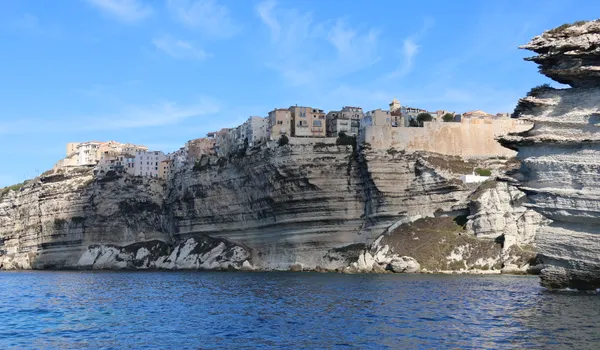
🇫🇷 Corsica
 Region
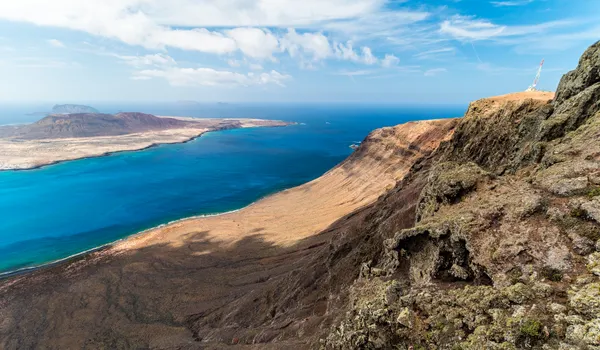
🇪🇸 The Canary Islands
 Region
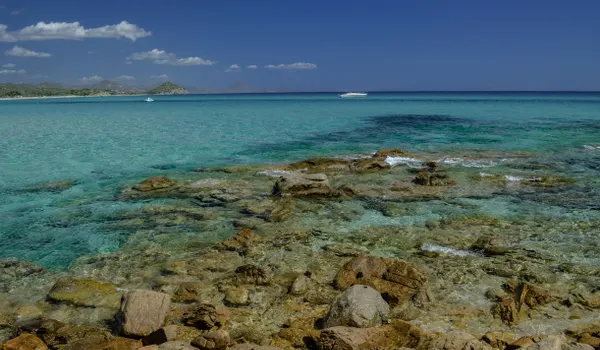
🇮🇹 Sardinia
 Region
🇵🇹 Madeira
 Region
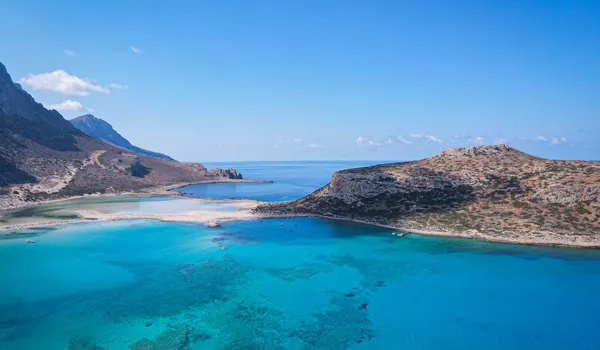
🇬🇷 Crete
 Country
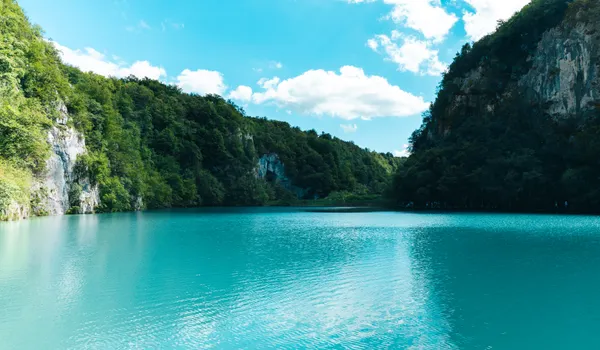
🇭🇷 Croatia
 Region
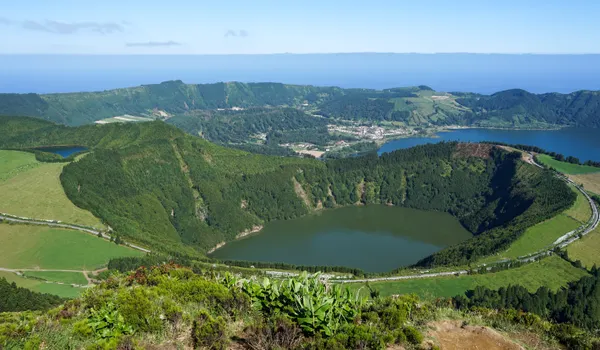
🇵🇹 The Azores
 City
City🇬🇷 Corfu
 Region