When to go to Barcelona?
→ The detailed month-by-month page, with real weather records
Best time: May to June and September to October
At a glance
Why go to Barcelona?
Barcelona is a city that blends sea, mountains and an architectural creativity unlike anywhere else in the world. People come for Gaudí and his whimsical modernisme, but stay for the atmosphere of the Gothic lanes, the sunny terraces and an infectious Mediterranean energy. Few regional capitals offer so many facets in such a compact area.
The city is easy to explore on foot or by bike, between urban beaches and panoramic hills. Every neighbourhood has its own personality, from chic Eixample to the working-class lanes of Gràcia and the redeveloped port of Barceloneta. This variety keeps things fresh, without ever a dull moment.
Barcelona is also a food capital where tapas, seafood and Catalan cooking are enjoyed in lively markets and neighbourhood bars. Its nightlife is renowned, culture is everywhere, and the climate is mild for much of the year. It is an ideal destination for a long city break or a seaside stopover.
Map of Barcelona: what is where?
The map shows the 6 places covered in this guide, to picture the distances and plan your route.
- Sagrada Família
- Park Güell
- Casa Batlló
- Gothic Quarter
- La Boqueria Market
- Montjuïc
How much does a trip to Barcelona cost?
Barcelona remains affordable compared with other major European cities, but the tourist sights and central districts push the bill up.
| Style | Per day | What it covers |
|---|---|---|
| Backpacker | €50-70/day | dorm, market meals, public transport and free sights |
| Comfort | €120-180/day | mid-range hotel, restaurants, a few paid visits |
| Premium | €300+/day | upscale hotel, gourmet tables and private experiences |
Pay by card everywhere without worry, but keep a little cash for small tapas bars.
Is Barcelona safe?
Barcelona is a safe city where violence is rare, but it has a stubborn reputation for pickpocketing. Be extra vigilant on La Rambla, on the metro, at La Boqueria and on the beaches, where pickpockets target distracted tourists. Keep bags and phones close, avoid back pockets and never leave anything unattended on a terrace. With these simple precautions, your stay will go smoothly.
What to see and do in Barcelona
- the Sagrada Família
- Gaudí's Park Güell
- the Gothic Quarter
- La Boqueria on the Ramblas
- Barceloneta beach
Sagrada Família
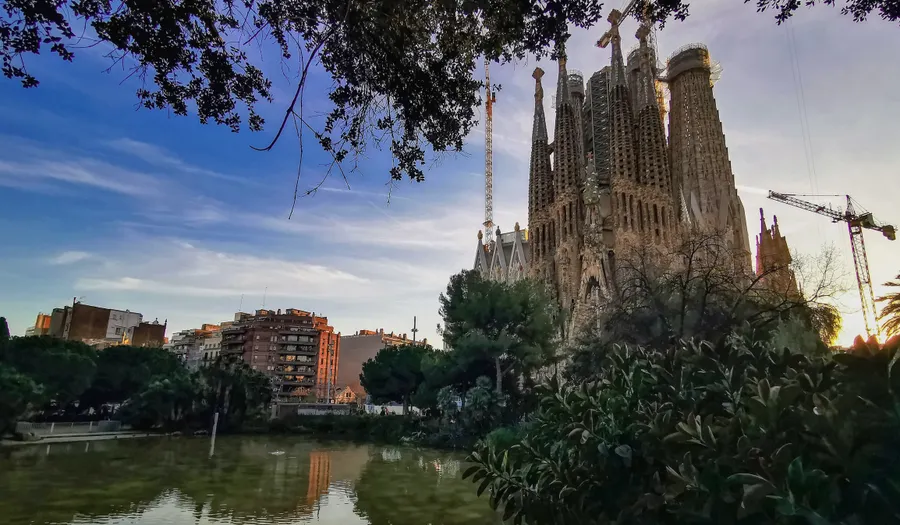
Gaudí's unfinished basilica is the ultimate symbol of Barcelona. Its soaring towers and sculpted façades tell biblical stories in a profusion of detail. Inside, light filters through coloured stained glass that turns the nave into a forest of stone. Be sure to book your tickets in advance to avoid endless queues.
Park Güell
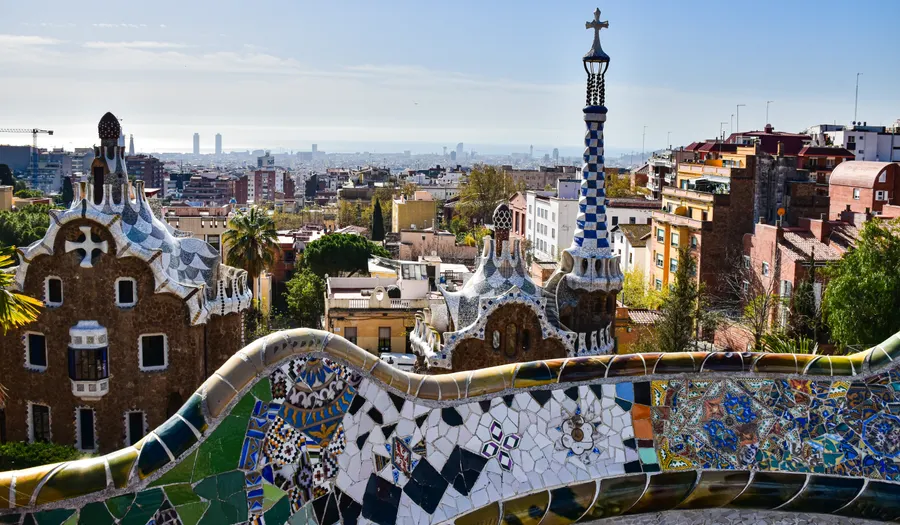
This terraced garden overlooking the city is another major work by Gaudí. Colourful mosaics, an undulating bench and the famous trencadís salamander make it a fairytale setting. From the heights, the view over Barcelona and the Mediterranean is superb. The Monumental Zone charges admission and entry is booked by time slot.
Casa Batlló

On Passeig de Gràcia, this modernista house evokes a dragon with shimmering scales. Gaudí banished the straight line here in favour of organic curves and marine colours. The undulating façade and the dragon-back roof fascinate passers-by. The immersive interior visit plunges you into the architect's imagination.
Gothic Quarter

The Barri Gòtic is the city's medieval heart, a maze of cobbled lanes and shady little squares. Here you find the cathedral, Roman remains and craft shops. The atmosphere is timeless, between hidden patios and lively terraces. It is the ideal district for wandering with no set route.
La Boqueria market

Opening onto La Rambla, La Boqueria is Barcelona's most famous covered market. Its stalls overflow with fruit, jamón, seafood and freshly squeezed juices. The colours and smells make it a feast for the senses. Stay alert to pickpockets in this very busy area.
Montjuïc hill
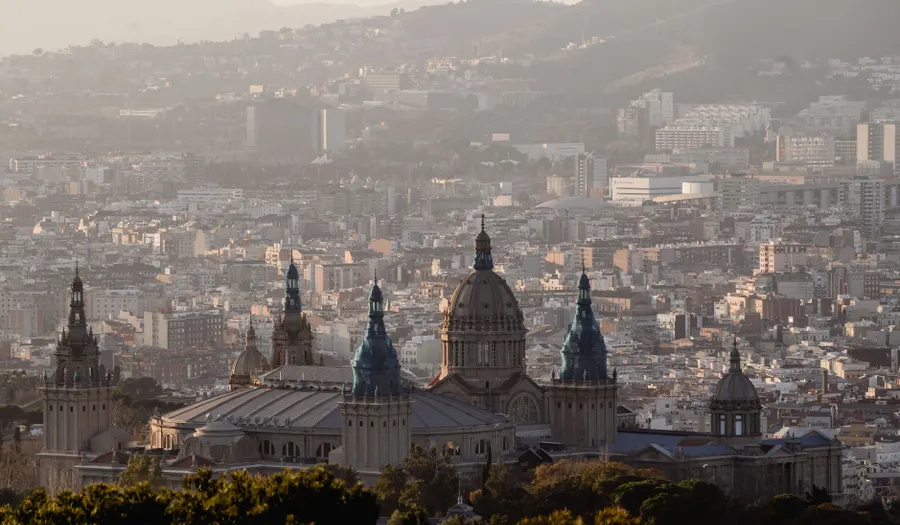
This hill overlooking the port is home to gardens, museums and a historic castle. Here you will find the Fundació Joan Miró, the National Art Museum of Catalonia and the Magic Fountain. A cable car offers a spectacular ride up above the city. It is an excellent viewpoint for taking in Barcelona as a whole.
How many days, and which itinerary?
Allow 3 to 4 days to discover the essentials of the city without rushing.
🗺️ Day-by-day itinerary · 📓 Free printable Barcelona guide (PDF) · 🌍 All of Spain
Essential Barcelona (3 days)
One day devoted to Gaudí with the Sagrada Família and Park Güell, a second in the Barri Gòtic and on La Rambla, a third between Montjuïc and Barceloneta. This pace covers the must-sees while leaving time for terraces.
Barcelona in depth (5 days)
Add the Gràcia and Born districts, several museums and a tapas evening. Plan half a day relaxing on the beach and a trip to Montserrat or Sitges. This format allows a more relaxed tempo and discoveries off the beaten track.
Express city break (2 days)
Focus on the Sagrada Família, Park Güell, Passeig de Gràcia and the Barri Gòtic. Book all your tickets in advance to make the most of every hour. It is short, but enough to grasp the soul of the city.
Getting there and getting around
Dense, efficient metro, ideal for getting between all the districts quickly
Very walkable city, with most central sights within walking distance of each other
Bike-share network and well-developed cycle lanes
From the airport, the Aerobús or the R2 line reach the centre in 30 minutes
Where to stay in Barcelona?
Youth hostels and dorm beds from €25 to 40 a night
Mid-range hotels in Eixample between €90 and 150 for a double room
Apartments for families or groups around €120 to 200 a night
Upmarket hotels with rooftops from €250 and up
Our places to stay, stop by stop, at three budgets →
What to eat in Barcelona?
Tapas and pintxos to share in the bars of the Born and Gràcia
Seafood and paella to enjoy in Barceloneta, facing the sea
La Boqueria market for fresh produce and squeezed juices
Catalan specialities such as pa amb tomàquet, fideuà and crema catalana
Entry requirements
Schengen area: an ID card or passport for EU citizens, 90 days visa-free for UK, US, Canadian and Australian passports.
Rules change: check your own government's travel advice before you go.
Frequently asked questions about Barcelona
When is the best time to visit Barcelona?
Spring and autumn offer a mild climate and moderate crowds. Summer is hot and very busy, while winter remains pleasant but cooler for the beach.
How many days should I spend in Barcelona?
Three to four days are enough for the must-sees. Allow five days to explore lesser-known districts and enjoy day trips in the surrounding area.
What daily budget for Barcelona?
Plan on around €50 to 70 a day backpacking, €120 to 180 for a comfortable stay and over €300 for an upmarket trip.
How do I get around Barcelona?
The metro and walking cover most needs. A multi-journey travel card is great value, and bikes round things off nicely.
Where should I stay in Barcelona?
Eixample is central and well connected, the Barri Gòtic full of charm, and Gràcia more authentic. Barceloneta appeals to those who want the beach on their doorstep.
Similar destinations
 City
City🇫🇷 Montpellier
 Region
🇫🇷 The French Riviera
 City
City🇫🇷 Bordeaux and Around
 Region
🇮🇹 The Amalfi Coast
 City
City🇵🇹 Lisbon
 City
City🇮🇪 Cork
 City
City🇬🇧 Belfast
 Country
🇳🇱 The Netherlands
 City
City🇧🇪 Brussels
 Region