When to go to Lisbon?
→ The detailed month-by-month page, with real weather records
Best time: April to June and September to October
At a glance
Why go to Lisbon?
Lisbon wins you over from the very first steps with its unique light, reputed to be among the most beautiful in Europe. Built on seven hills beside the Tagus, the Portuguese capital offers a viewpoint over ochre rooftops and the river at every turn. Its yellow trams climbing the steep lanes have become an iconic image. It is a city on a human scale, both a great capital and a warm-hearted village.
Its melancholy, authentic atmosphere, carried by fado, touches travellers deeply. The old districts of Alfama and Mouraria have kept their working-class soul, with washing at the windows and secret staircases. The city has managed to reinvent itself without betraying itself, blending tradition with a buzzing creative scene. People fall in love with Lisbon for its soul as much as for its monuments.
Finally, Lisbon combines cultural riches and an easy-going lifestyle at gentle prices. Its Manueline monuments, museums and mosaic-paved squares tell the epic story of the great discoveries. The sun shines for much of the year, and escapes to Sintra or the ocean are just a train ride away. Few capitals offer such a balance of heritage, atmosphere and a manageable budget.
Map of Lisbon: what is where?
The map shows the 6 places covered in this guide, to picture the distances and plan your route.
- Tram 28 (Largo Martim Moniz)
- Belém Tower
- Alfama (São Jorge Castle)
- Jerónimos Monastery
- Praça do Comércio
- Miradouro da Senhora do Monte
How much does a trip to Lisbon cost?
Lisbon remains one of the most affordable capitals in Western Europe, even if prices are rising. Food and transport remain particularly cheap.
| Style | Per day | What it covers |
|---|---|---|
| Backpacker | €45-70/day | hostel, traditional tascas, public transport and free sights |
| Comfort | €100-160/day | hotel or guesthouse, restaurants, a few museums and a day trip |
| Premium | €280+/day | boutique hotel, fine dining, fado dinner and private tours |
Cards are accepted almost everywhere, but keep some change for taverns and small shops.
Is Lisbon safe?
Lisbon is a very safe capital, regularly ranked among the most peaceful cities in Europe. You can walk around without worry by day or night, including alone. The main risk is pickpocketing on tourist transport, especially the crowded tram 28, and in the crowds of the centre. Low-key drug dealers sometimes approach tourists in Baixa, but simply ignoring them is enough. With basic precautions against pickpockets, your stay will be entirely relaxed.
What to see and do in Lisbon
- the Alfama district
- Belém Tower
- tram 28
- the miradouros
- a day trip to Sintra
Tram 28

This historic yellow tram winds through Lisbon's most picturesque districts, from Graça to Estrela. It climbs and plunges down the hills with a charming clatter, brushing past façades and drying laundry. Riding line 28 is an experience in itself, as long as you avoid rush hour. It is best to board at the terminus to get a seat and enjoy the journey.
Belém Tower

A masterpiece of the Manueline style, this 16th-century fortified tower keeps watch over the mouth of the Tagus. A symbol of the golden age of Portuguese explorers, it is a UNESCO World Heritage Site. Its lace of carved stone, turrets and maritime motifs dazzle up close. The Belém district is also home to the Jerónimos Monastery and the famous pastéis.
Alfama

Lisbon's oldest district, Alfama survived the great earthquake of 1755 and has kept its medieval maze. It is a joy to get lost in its labyrinth of lanes, stairways and little squares where fado echoes. São Jorge Castle, at the top, offers a magnificent panorama over the city and the river. Viewpoints such as Santa Luzia are among the most romantic in the capital.
Jerónimos Monastery

This grandiose monastery in Belém is the absolute jewel of Portuguese Manueline architecture. Built to celebrate Vasco da Gama's return from the Indies, it boasts a cloister of extraordinary delicacy. The chiselled columns, fan vaults and maritime motifs reflect the naval power of the age. This is where the great navigator and the poet Camões lie.
Praça do Comércio
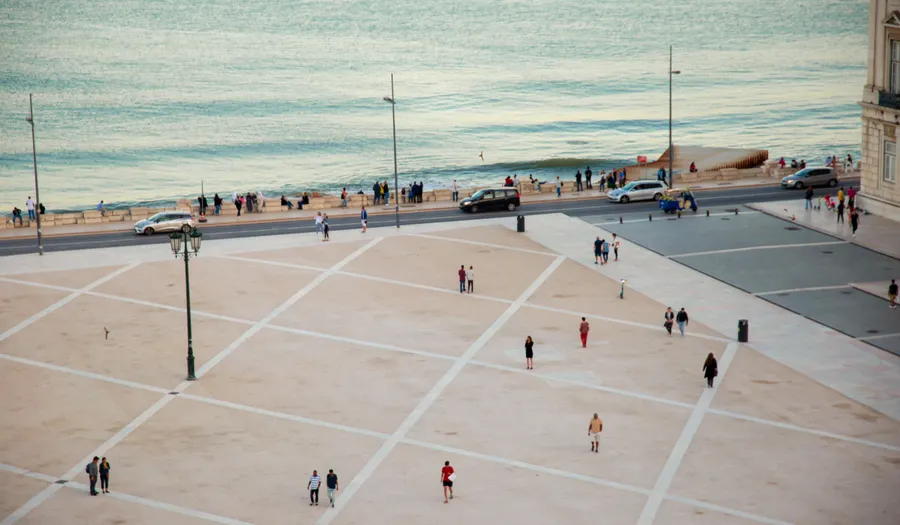
This immense square opening onto the Tagus is one of the most majestic in Europe. Lined with yellow arcades and dominated by a monumental triumphal arch, it marks the city's ceremonial entrance from the river. Rebuilt after the earthquake of 1755, it symbolises Lisbon's rebirth. Its terraces and its pier invite you to watch the sun set over the water.
Miradouro da Senhora do Monte
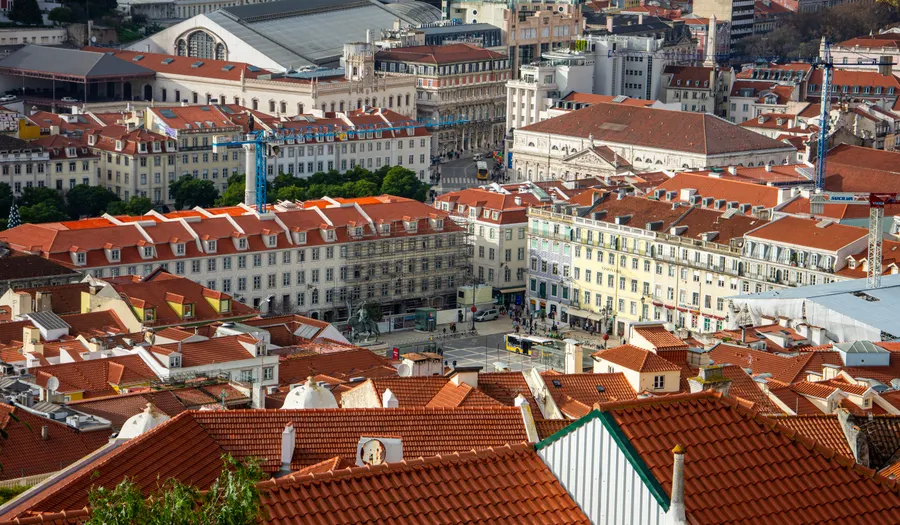
Perched on one of the highest hills, this viewpoint offers the widest panorama over Lisbon. At a glance you take in the castle, the ochre rooftops, the Tagus and the 25 de Abril Bridge. It is the ideal place to watch the sunset, guitar and bottle of wine in hand. Less crowded than others, it keeps a peaceful, local atmosphere.
How many days, and which itinerary?
Allow 3 to 4 days for Lisbon, extending to 5 or 6 with trips to Sintra and the coast.
🗺️ Day-by-day itinerary · 📓 Free printable Lisbon guide (PDF) · 🌍 All of Portugal
Essential Lisbon (3 days)
Three days to capture the soul of the city: Alfama and its castle, Baixa and Chiado, then a day in Belém. In the evening, enjoy a fado dinner in a traditional tavern.
Lisbon and Sintra (5 days)
To exploring the capital, add a fairy-tale day in Sintra, with its romantic palaces, and an escape to the beaches of Cascais and Cabo da Roca.
Greater Lisbon (7 days)
The full version takes in the creative hub of LX Factory, the Ribeira market, a trip to Óbidos or Setúbal and more time on the Atlantic coast.
Getting there and getting around
An efficient, cheap metro for longer journeys, complemented by buses, trams and funiculars.
Tram 28 and the Santa Justa Lift are as much attractions in their own right as means of transport.
Trains from Rossio or Cais do Sodré station reach Sintra and Cascais in under an hour.
Many districts can be explored on foot, but watch out for the steep slopes: good shoes are a must.
Where to stay in Lisbon?
Renowned youth hostels, among the best in Europe: €20-40 a night in a dorm.
Two- or three-star hotels and charming guesthouses: €70-120 a night depending on the season.
Boutique hotels in Chiado or Alfama: €130-220 a night with a view or terrace.
Luxury and grand hotels with rooftops: from €280 a night.
Our places to stay, stop by stop, at three budgets →
What to eat in Lisbon?
Pastéis de nata, little caramelised custard tarts, to taste warm at Pastéis de Belém.
Salt cod (bacalhau), prepared in countless recipes, the national dish par excellence.
Grilled sardines, the stars of the popular June festivals and the taverns of Alfama.
A glass of ginjinha, a sour cherry liqueur, or port wine to round off the meal.
Entry requirements
Schengen area: an ID card or passport is enough for EU citizens, 90 days visa-free for UK, US, Canadian and Australian passports.
Rules change: check your own government's travel advice before you go.
Frequently asked questions about Lisbon
When is the best time to visit Lisbon?
Spring (March to June) and autumn (September-October) offer mild, bright weather, perfect for walking the hills. Summer is hot and livened up by popular festivals, while winter stays mild and quiet.
How many days do you need for Lisbon?
Three to four days are enough to discover the city in depth. Allow five to six days to add trips to Sintra, Cascais or the Atlantic coast.
What daily budget should you plan for Lisbon?
About €45-70 a day as a backpacker, €100-160 for comfort with a hotel and restaurants, and more than €280 for a premium stay with fine dining and private tours.
How do you get around Lisbon?
The metro, buses and trams cover the city well for a modest fare. Many districts can be visited on foot, and the train easily reaches Sintra and Cascais in under an hour.
Which district should you stay in in Lisbon?
Alfama and Chiado offer charm and a central location, Baixa convenient transport links, and Bairro Alto the nightlife. For more calm, the Príncipe Real district appeals with its elegance.
Similar destinations
 Country
🇪🇸 Spain
 City
City🇪🇸 Barcelona
 City
City🇫🇷 Montpellier
 City
City🇸🇳 Dakar
 Region
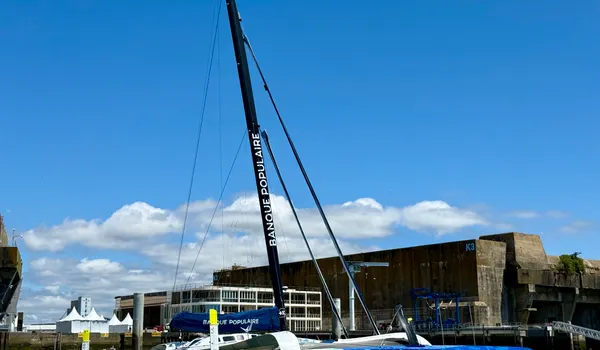
🇫🇷 Lorient and South Brittany
 Region
🇫🇷 The French Riviera
 City
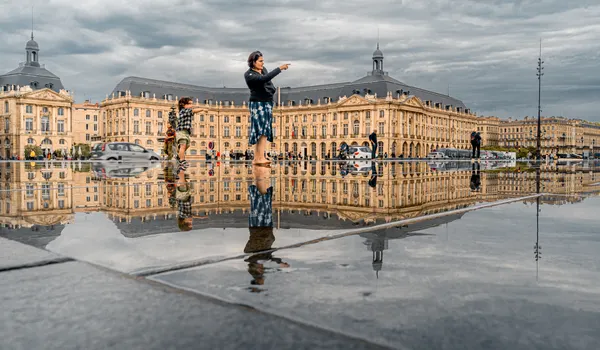
City🇫🇷 Bordeaux and Around
 Region
🇮🇹 The Amalfi Coast
 City
City🇵🇹 Porto
 City
City