When to go to France?
→ The detailed month-by-month page, with real weather records
Best time: May to September
At a glance
Why go to France?
France is the most visited country in the world, and not by accident. In less than 1,000 km from north to south, you move from the chalk cliffs of Étretat to the turquoise coves of the calanques, from the sandy beaches of the Atlantic coast to Alpine summits topping 4,000 metres. No other European destination packs in such a density of landscapes, heritage and terroirs. And the TGV network links most of these worlds in just a few hours.
It is also a heritage destination of exceptional scale. Some fifty sites are UNESCO-listed, from Mont Saint-Michel to the Canal du Midi by way of the Loire châteaux and the walled city of Carcassonne. Mid-sized cities such as Lyon, Strasbourg, Bordeaux and Nantes offer superb historic centres, first-rate museums and a rich cultural life, without the crowds of the capital.
Above all, travelling in France means eating. Every region champions its own produce: galettes in Brittany, cassoulet in Toulouse, choucroute in Alsace, bouillabaisse in Marseille, cheeses from the Auvergne and wines from Burgundy. Open-air markets, found in almost every small town, remain the best gateway to local culture. You could build an entire trip around its tables and wine cellars.
Map of France: what is where?
The map shows the 6 places covered in this guide, to picture the distances and plan your route.
- Paris
- Mont Saint-Michel
- Chambord
- Chamonix
- Verdon Gorge
- Colmar
How much does a trip to France cost?
France suits every budget, with big differences between Paris, the coast in summer and the countryside. Booking travel early and eating the set lunch menu make all the difference.
| Style | Per day | What it covers |
|---|---|---|
| Backpacker | €60-90/day | hostels or camping, picnics and set lunches, buses and car-sharing |
| Comfort | €120-180/day | 3-star hotels or B&Bs, restaurants in the evening, TGV and hire car |
| Premium | €280+/day | boutique hotels and palaces, fine dining, private activities |
Euro everywhere, cards accepted almost everywhere; keep a little cash for markets and small villages.
Is France safe?
France is a safe country for travellers. The main precaution concerns pickpockets in the busiest tourist areas of Paris (metro, Montmartre, the Eiffel Tower) and on the Côte d'Azur: keep valuables close and be wary of petitions and street games. In the mountains, check the weather and avalanche bulletins before heading out. On Atlantic beaches, stick to the lifeguarded swimming zones, as the baïne rip currents are treacherous. European emergency number: 112.
What to see and do in France
- Mont Saint-Michel
- The Loire châteaux
- The Verdon Gorge
- Chamonix and Mont Blanc
- The Dune du Pilat
- Colmar and the Alsace Wine Route
- The calanques from Marseille to Cassis
- Paris and its great museums
Provence and the Côte d'Azur

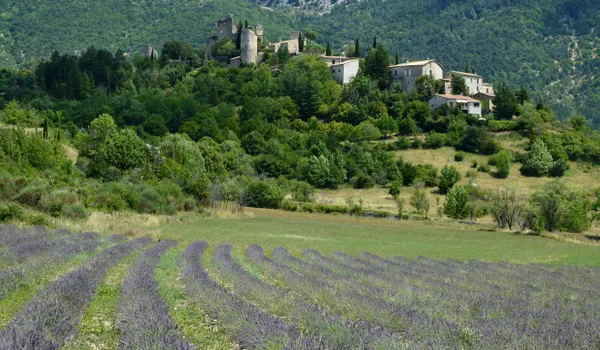
The south-east holds all the picture-postcard images of summertime France: lavender fields on the Valensole plateau, Luberon hilltop villages such as Gordes and Roussillon, the markets of Aix-en-Provence. The coast strings together Cassis, Saint-Tropez and the wild capes of the Estérel. The Verdon Gorge is Europe's largest canyon, to be explored by kayak or along the Blanc-Martel trail. Allow at least a week to combine the hinterland and the coast. Avoid July and August if you want to escape the crowds; June and September are perfect.
Northern Alps

Around Chamonix, Annecy and the Vanoise, the French Alps are a summer and winter affair alike. The Aiguille du Midi lifts visitors to 3,842 metres facing Mont Blanc, while Lake Annecy spreads its crystal-clear waters, edged with cycle paths. In summer, the trails of the Tour du Mont Blanc and the Aravis draw hikers from all over the world. In winter, the Three Valleys and Paradiski ski areas rank among the largest on the planet. Staffed mountain huts let you sleep at altitude without expedition gear.
Brittany

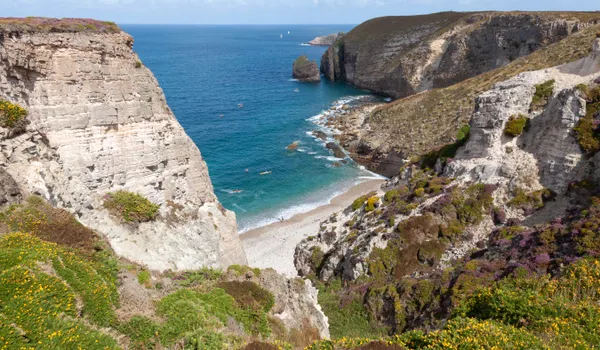
Out west, Brittany unfurls 2,700 km of jagged coastline, from the ramparts of Saint-Malo to the tumbled granite boulders of Ploumanac'h. The Crozon Peninsula and the Pointe du Raz have the most spectacular cliffs, while the Gulf of Morbihan shelters an island-studded inland sea. This is a land of coastal paths, fishing harbours and crêperies. The islands of Ouessant, Bréhat and Groix are reached by boat for a day out of time. The weather changes fast, which is all part of the charm.
Atlantic Coast and Nouvelle-Aquitaine

From La Rochelle to Biarritz, the Atlantic rolls out vast sandy beaches backed by pine forests. The Dune du Pilat, Europe's highest, towers over the Arcachon Bay and its oyster shacks. UNESCO-listed Bordeaux makes the ideal base for exploring the vineyards of Saint-Émilion and the Médoc. Further south, the Basque Country blends surf breaks, red-and-white villages such as Espelette and fiery cooking. The Île de Ré and the Île d'Oléron are best explored by bike, between salt marshes and whitewashed villages.
Alsace and the Grand Est
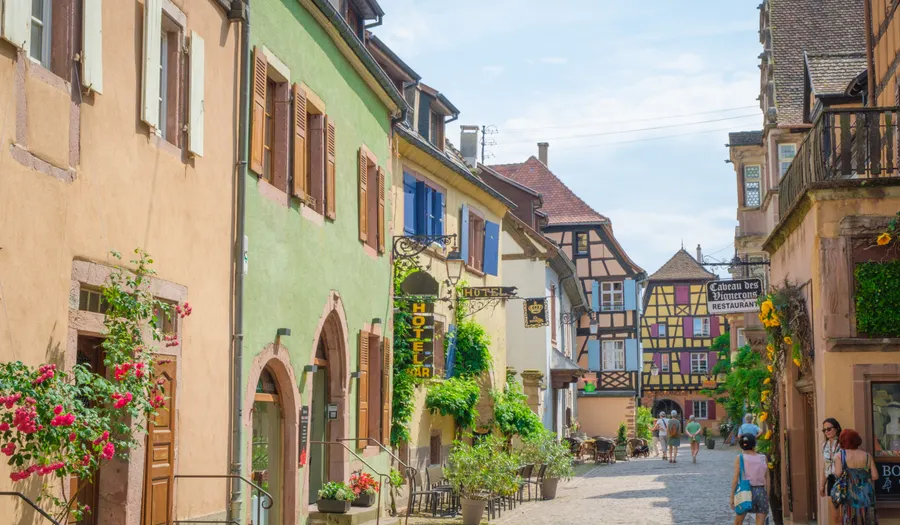
Between the Vosges and the Rhine, Alsace looks like a fairy-tale set: the half-timbered houses of Colmar, the flower-decked lanes of Riquewihr and Eguisheim, Strasbourg's pink sandstone cathedral. The Wine Route winds for 170 km through wine villages and riesling and gewurztraminer cellars. In December, the Christmas markets of Strasbourg and Colmar are among the finest in Europe. The Château du Haut-Koenigsbourg keeps watch over the plain from its rocky spur. A compact region, perfect for a long, food-filled weekend.
Occitanie and the South-West
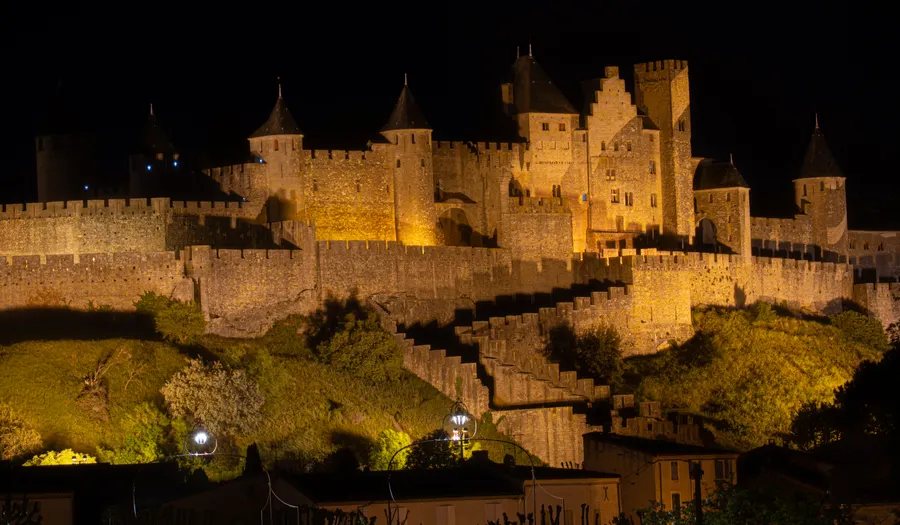
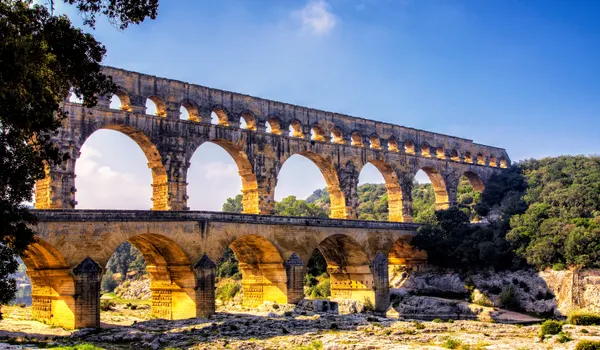
From the ramparts of Carcassonne to the Tarn Gorges, Occitanie mixes great historic sites with raw nature. Rose-pink Toulouse and Mediterranean Montpellier frame a hinterland of limestone plateaux, bastide towns and listed villages such as Saint-Cirq-Lapopie. The Millau Viaduct, the Pont du Gard and the hilltop town of Cordes-sur-Ciel punctuate the routes. The Pyrenees offer the UNESCO-listed Cirque de Gavarnie and its giant waterfalls. It is also one of the most affordable regions in France for accommodation and eating out.
How many days, and which itinerary?
Allow a week per major region, or two to three weeks for a first grand tour combining Paris, the Loire, the South and a stretch of coast.
📓 Free printable France guide (PDF)
The great classic (14 days)
Paris and Versailles (3 days), the Loire châteaux (2 days), Bordeaux and the Dune du Pilat (3 days), Carcassonne (1 day), Provence and the Luberon (3 days), the calanques and Nice (2 days). A first trip that ticks off the must-sees by train and hire car.
Western coasts (10 days)
Normandy with Étretat, Honfleur and Mont Saint-Michel (4 days), then Brittany from Saint-Malo to Crozon and the Gulf of Morbihan (6 days). Cliffs, islands and seafood, ideal in summer when the South is overrun.
Mountains and lakes (7 days)
Annecy and its lake (2 days), Chamonix and the Aiguille du Midi (3 days), the Beaufortain and its alpine pasture villages (2 days). Hiking, lake swimming and mountain cheeses, perfect from June to September.
Getting there and getting around
TGV: Paris to Bordeaux in 2h04, Marseille in 3h, Strasbourg in 1h45; book early on SNCF Connect for tickets from €25
A car is essential for the countryside (Luberon, Dordogne, wine routes): hire from €35-50/day, and watch out for motorway tolls
Flixbus and BlaBlaCar Bus coaches for tight budgets, often €10-25 between major cities
In the cities: metros and bike-share schemes, and most historic centres can be explored on foot
Where to stay in France?
Camping: France has more than 7,000 campsites, pitches €15-35/night, mobile homes from €60
B&Bs (chambres d'hôtes): the best value for charm in the countryside, €70-110 for a double with breakfast
2-3 star hotels: €70-130 in the regions, €120-250 in Paris and on the Côte d'Azur in summer
Mountain huts and walkers' lodges (gîtes d'étape): €45-70 half board, booking essential in summer in the Alps
What to eat in France?
Lunch menu in a brasserie: the starter-and-main formule at €16-22 is still the best deal in the country
Open-air markets: cheeses, charcuterie and fruit for princely picnics at under €10
Regional specialities not to miss: Breton galette, cassoulet, bouillabaisse, choucroute, tartiflette
Fine dining: chef-run bistros offer tasting menus from €45-70, far cheaper than Michelin-starred restaurants
Entry requirements
Schengen area: an ID card or passport for EU citizens, 90 days visa-free for UK, US, Canadian and Australian passports.
Rules change: check your own government's travel advice before you go.
Cities and regions to discover
 Region
🇫🇷 Brittany
 Region
🇫🇷 Normandy
 Region
🇫🇷 Provence
 Region
🇫🇷 The French Riviera
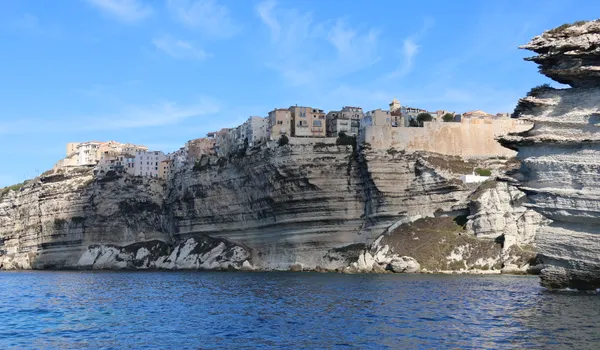 Region
🇫🇷 Corsica
 Region
🇫🇷 Alsace
 Region
🇫🇷 The French Basque Country
 Region
🇫🇷 The French Alps
 Region
🇫🇷 Auvergne
 Region
🇫🇷 Dordogne and the Périgord
 Region
🇫🇷 The Loire Valley
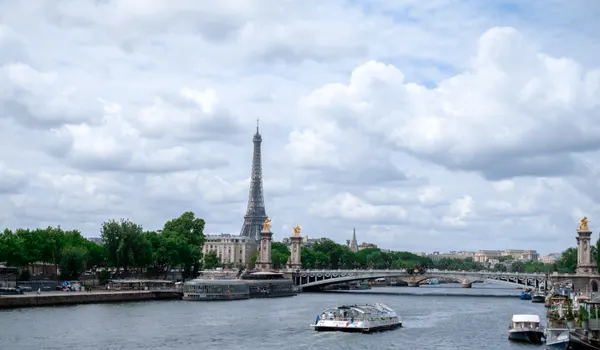 City
City🇫🇷 Paris
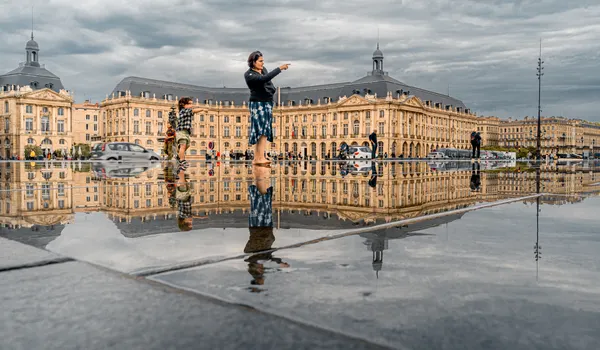 City
City🇫🇷 Bordeaux and Around
 City
City🇫🇷 Lyon
 City
City🇫🇷 Toulouse
 City
City🇫🇷 Montpellier
 City
City🇫🇷 Lille
 City
City🇫🇷 Nantes
 City
City🇫🇷 Carcassonne
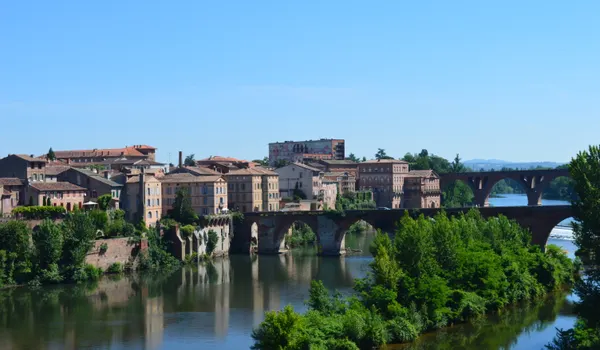 City
City🇫🇷 Albi and the Tarn Valley
 Region
🇫🇷 The French Ardennes
 Region
🇫🇷 Aveyron
 Region
🇫🇷 The Opal Coast
 Region
🇫🇷 The Lot and Quercy
 Region
🇫🇷 The French Pyrenees
 Region
🇫🇷 The Vosges
 Region
🇫🇷 The Ardèche
 Region
🇫🇷 The Cévennes
 Region
🇫🇷 The Côte Vermeille and Collioure
 Region
🇫🇷 The Tarn Gorges
 Region
🇫🇷 The Bay of Somme
 Region
🇫🇷 Béarn
 Region
🇫🇷 Burgundy
 Region
🇫🇷 Champagne
 Region
🇫🇷 Charente-Maritime and the Île de Ré
 Region
🇫🇷 The Jura
 Region
🇫🇷 The Landes
 Region
🇫🇷 The Vendée
 Region
🇫🇷 The Alpilles and Les Baux-de-Provence
 City
City🇫🇷 Angoulême
 City
City🇫🇷 Briançon and La Grave
 City
City🇫🇷 Évian and the Chablais
 City
City🇫🇷 Fréjus, Saint-Raphaël and the Esterel
_Abbaye_Saint-Michel_de_Gaillac_exposition_sud_vue_des_berges_du_Tarn.jpg/1280px-(Gaillac)_Abbaye_Saint-Michel_de_Gaillac_exposition_sud_vue_des_berges_du_Tarn.jpg) Region
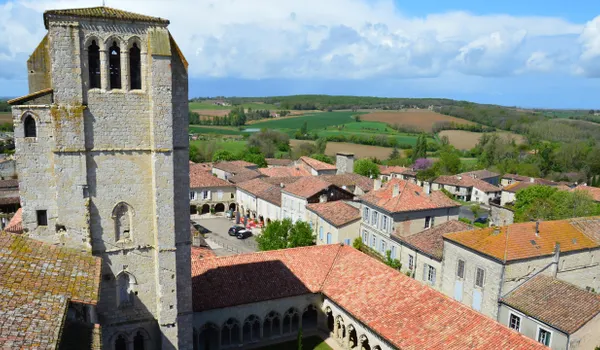
Region🇫🇷 Gaillac
 Region
🇫🇷 The Gers and Armagnac
.JPG/1280px-Lac_de_Nantua_et_Nantua_(Ain).JPG) Region
Region🇫🇷 Haut-Bugey
 City
City🇫🇷 Hossegor and Capbreton
 Region
🇫🇷 Les Deux Alpes
 City
City🇫🇷 Limoges
 Region
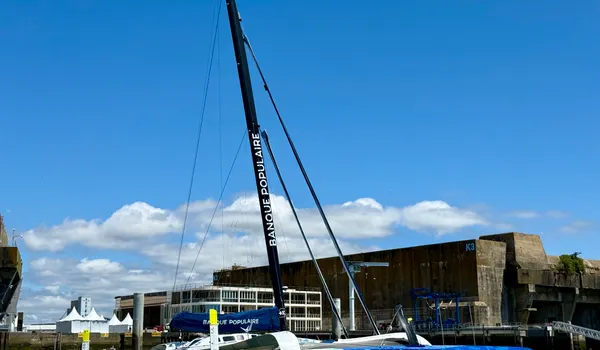
🇫🇷 Lorient and South Brittany
 Region
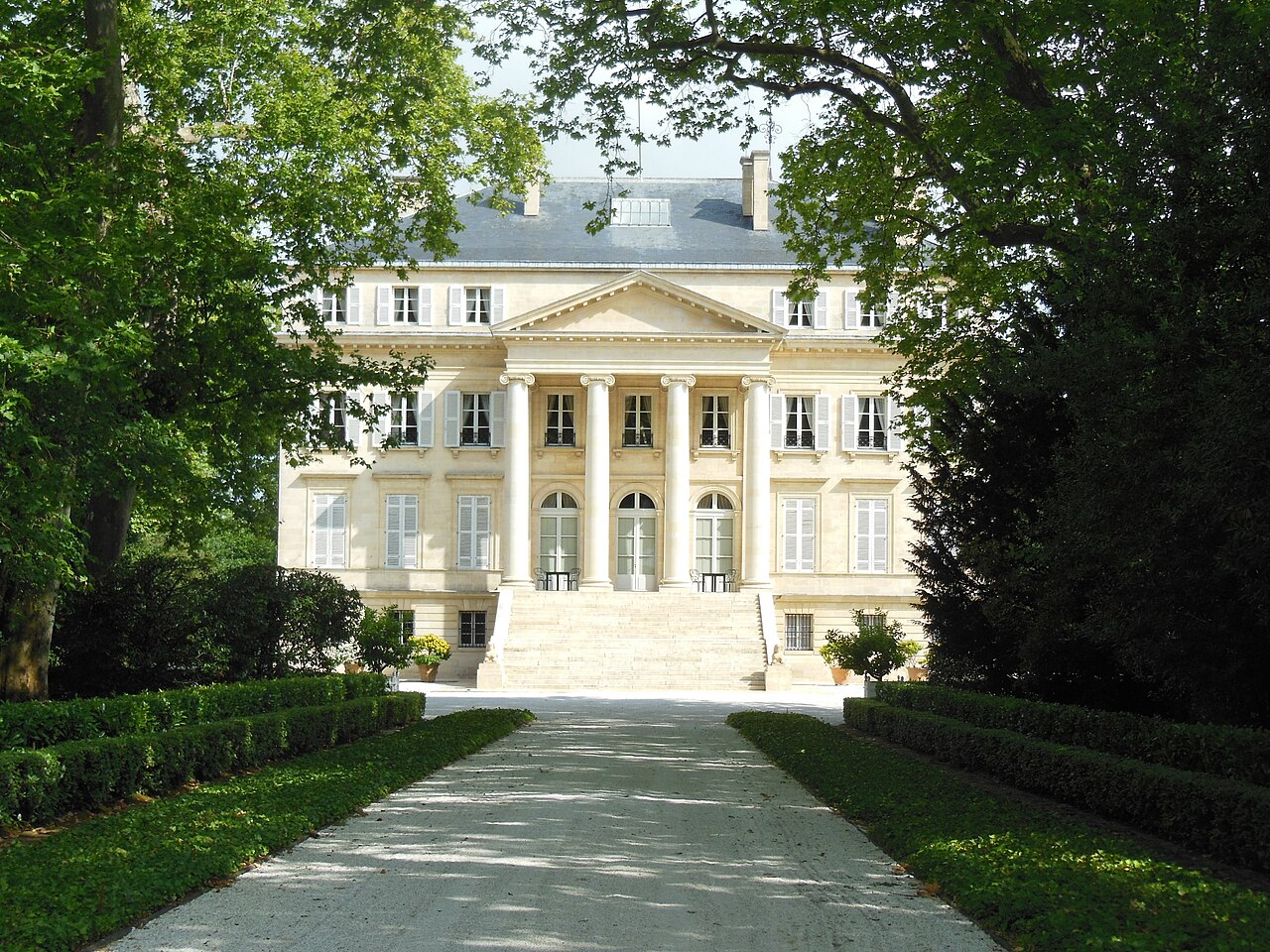
🇫🇷 The Médoc
 Region
🇫🇷 The Mercantour
 Region
🇫🇷 The Monts du Lyonnais
 Region
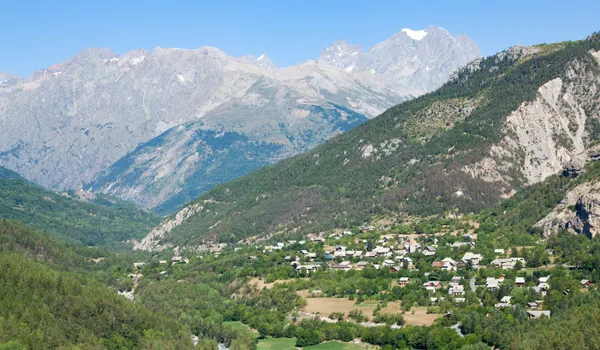
🇫🇷 The Écrins (Vallouise)
 City
City🇫🇷 Roanne and the Roannais
 City
City🇫🇷 Saint-Gilles-Croix-de-Vie
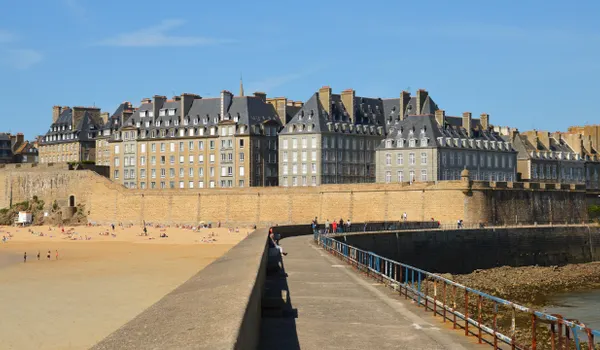 Region
🇫🇷 Saint-Malo and the Emerald Coast
.jpg/1280px-09_NAQ_-_Charente-Maritime_-_Saintes_-_Arc_de_Germanicus_(2017-05-02_17-48-10).jpg) City
City🇫🇷 Saintes and the Saintonge
 City
City🇫🇷 Sarlat and the Périgord Noir
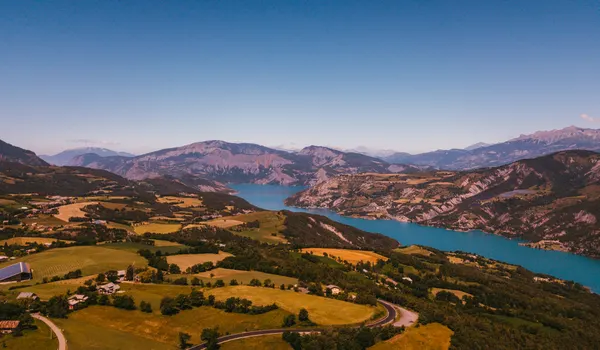 Region
🇫🇷 Serre-Ponçon and Les Orres
.jpg/1280px-Sundgau_(7710016240).jpg) Region
Region🇫🇷 The Sundgau
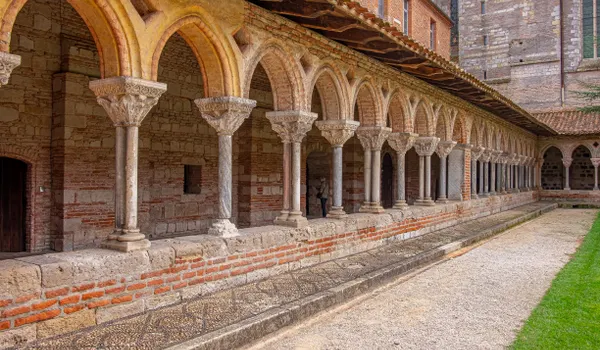 Region
🇫🇷 Tarn-et-Garonne
 City
City🇫🇷 Tours
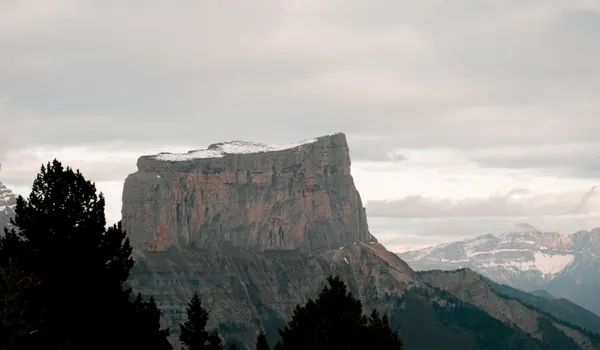 Region
🇫🇷 The Trièves
 City
City🇫🇷 Uzès and the Pont du Gard
 Region
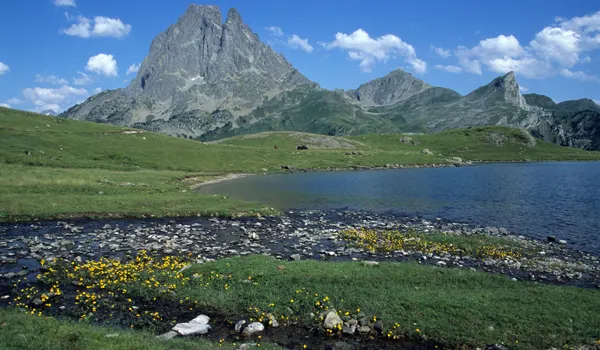
🇫🇷 The Ossau Valley
 Region
🇫🇷 The Vézère Valley
 City
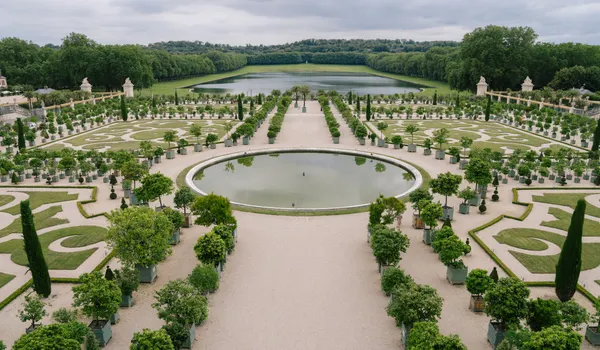
City🇫🇷 Versailles
Frequently asked questions about France
When is the best time to visit France?
May, June and September offer the best balance: pleasant weather, long days and sites less crowded than in July and August. Winter is ideal for skiing in the Alps and for the Christmas markets of Alsace.
What daily budget should I plan for?
Allow €60-90 a day on a backpacker budget, €120-180 for a comfortable trip and €280 or more at the premium end. Paris and the Côte d'Azur in summer are noticeably more expensive than the countryside.
How do I get around?
The TGV links the major cities very quickly; book early to pay less. For the countryside, villages and coast, a hire car remains essential.
How much time do I need?
A week is enough for one region, two to three weeks for a first grand tour combining Paris, the Loire and the South. Better to explore one or two regions in depth than to skim over everything.
Do I need to book sites in advance?
Yes for the busiest ones: the Louvre, the Palace of Versailles, Mont Saint-Michel in summer and the Aiguille du Midi should be booked online several days or even weeks ahead. It saves hours of queuing.
Similar destinations
 Country
🇮🇹 Italy
 Region
🇪🇸 Andalusia
 City
City🇬🇷 Corfu
 Region
🇭🇷 Istria
 Region
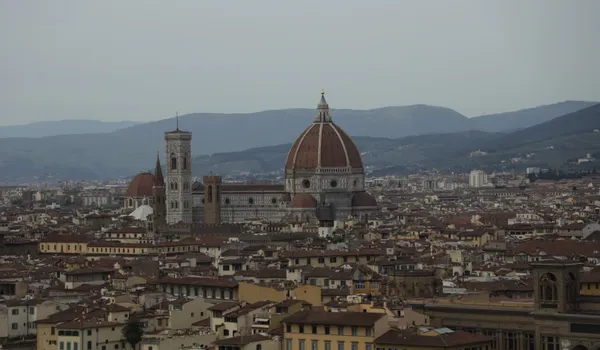
🇮🇹 Florence and Tuscany
 Region
🇮🇹 The Amalfi Coast
 Region
🇮🇹 Sicily
 Country
🇮🇪 Ireland
 City
City🇮🇪 Galway and Connemara
 Country