When to go to Italy?
→ The detailed month-by-month page, with real weather records
Best time: April to June and September to October
At a glance
Why go to Italy?
Italy is to be savoured as much as visited. You come for the Colosseum and the frescoes of Florence, but you leave talking about the short, strong coffee drunk standing at the bar, the gelato at the end of a day on foot, the unsigned trattoria stumbled upon by chance. Heritage and food go hand in hand.
Every region holds its own against the others: Venice and its canals have nothing in common with rolling Tuscany, and the Amalfi Coast looks nothing like Rome. Within a few hours by train you change accent, signature dish and landscape. That is what makes the country inexhaustible, trip after trip.
Practicalities help too: the euro is the currency, and the high-speed rail network links the major cities so quickly that you can put together a packed itinerary without ever getting behind the wheel.
Map of Italy: what is where?
The map shows the 6 places covered in this guide, to picture the distances and plan your route.
- Rome
- Florence
- Venice
- Naples
- Positano
- Vernazza
How much does a trip to Italy cost?
Italy runs at €80 to €140 a day, a notch above Spain, especially in the big cities and on the Amalfi Coast in season.
| Style | Per day | What it covers |
|---|---|---|
| Backpacker | €65 to €85 | Hostels or B&Bs on the outskirts, pizza and cicchetti, trains booked early |
| Comfort | €110 to €140 | Hotel in the historic centre, trattorie in the evening, skip-the-line museum tickets |
| Treat | €180 and up | Charming palazzo, renowned restaurants, private boat on the coast and taxis |
The euro everywhere and cards widely accepted, but keep cash for small trattorie, coffee bars and markets.
Is Italy safe?
Italy is safe, the main concern being pickpockets around the busiest sites in Rome, Florence and Venice, and on public transport in Naples: a closed bag and vigilance are enough. No particular vaccinations are required and tap water is drinkable. The European Health Insurance Card covers routine medical care.
What to see and do in Italy
- Rome (Colosseum, Vatican)
- Venice and its canals
- Florence and Tuscany
- the Amalfi Coast
- the Cinque Terre
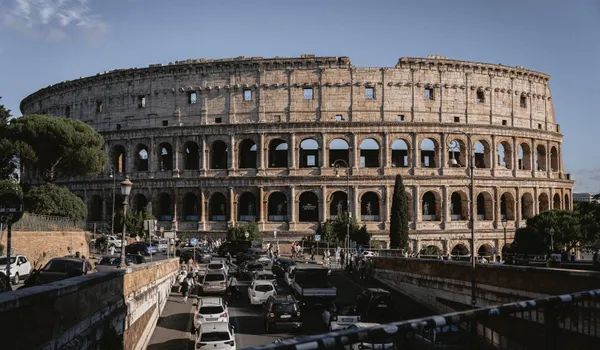
The Colosseum and the Forum, Rome

The amphitheatre remains the most powerful image of ancient Rome, but it is the neighbouring Forum that truly takes you back in time. A combined ticket covers both plus the Palatine, best booked online to skip the queues. Come at opening time or late in the afternoon for the low light. From there, wander to the Pantheon and the Trevi Fountain with no set plan.
The Vatican and the Sistine Chapel

The Vatican Museums culminate in Michelangelo's ceiling, packed with people but deeply moving. Book an early slot and allow plenty of time, as the galleries stretch for kilometres. St Peter's Basilica, meanwhile, is free to visit, with a climb up the dome to look down over the square. Modest dress required, shoulders and knees covered.
Florence and the Uffizi
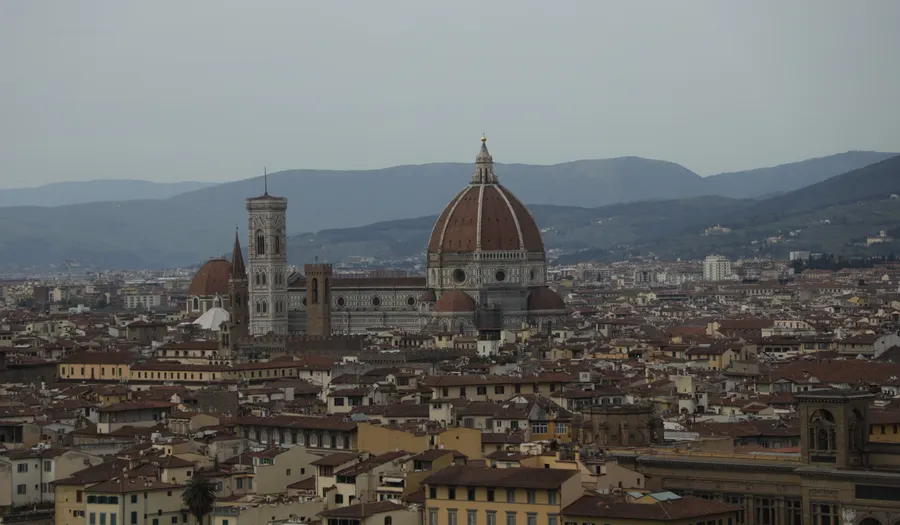
Florence is compact and easily explored on foot. At the Uffizi you meet Botticelli and the whole of the Renaissance, and booking is all but essential. Climb Brunelleschi's Duomo or head up to Piazzale Michelangelo to take in the city at sunset. In the evening, share a bistecca alla fiorentina in an Oltrarno trattoria.
Venice off the beaten track
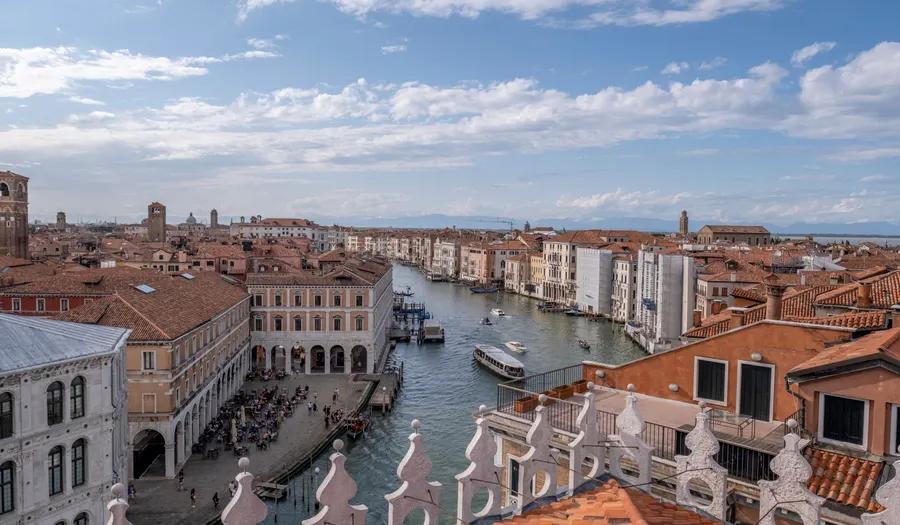
St Mark's Square and the Rialto Bridge are worth one visit, early, before the crowds. The real pleasure comes afterwards, getting lost in the lanes of Cannaregio or Dorsoduro, away from the main thoroughfares. Take the vaporetto along the Grand Canal rather than an overpriced gondola. Venture out to Burano and its colourful houses for half a day.
The Cinque Terre

Five villages clinging to the Ligurian cliffs, linked by a local train and hiking trails. Riomaggiore, Vernazza and Monterosso set the tone, with steep lanes and coves. The regional train card lets you hop from one to the next as often as you like. Avoid high summer, when the crowds clog the paths.
The Amalfi Coast

Positano tumbling down to the sea, Amalfi and its cathedral, Ravello perched high above: the coast strings together one viewpoint after another. The road is spectacular but narrow, so the bus or the boat beats driving yourself. A limoncello stop is a must, as the region has made it its signature. Spring and early autumn avoid the summer crush.
How many days, and which itinerary?
A week lets you cover one strong route such as Rome, Florence and Venice. Allow twelve to fifteen days to add the south, the Amalfi Coast or Sicily without having to rush through everything.
🗺️ Day-by-day itinerary · 📓 Free printable Italy guide (PDF)
The classic trio in a week
Three nights in Rome for the Colosseum, the Vatican and the squares of the centre. High-speed train to Florence, two nights between the Uffizi, the Duomo and Tuscany within easy reach. Finish with two nights in Venice, saving the quieter canals for the evening. It all works by Frecciarossa, with no car.
Tuscany and art cities, ten days
Two nights based in Florence, then a hire car for the countryside: San Gimignano and its towers, Siena and its Piazza del Campo, a night in Chianti among the vineyards. Push on to the Val d'Orcia for picture-postcard scenery. Drop the car off before Pisa and your train home.
The south and the Amalfi Coast, one week
Two nights in Naples for pizza and the archaeological museum, with a day at Pompeii at the foot of Vesuvius. Move on to Sorrento, the ideal base for the Amalfi Coast by bus and boat: Positano, Amalfi, Ravello. Treat yourself to a day on Capri before closing the loop.
Getting there and getting around
The Frecciarossa high-speed train links Rome, Florence, Venice, Milan and Naples in a few hours; book online for the best fares.
For rural Tuscany, Sicily or Puglia, a hire car becomes necessary, but avoid driving into historic centres with restricted ZTL zones.
On the Amalfi Coast and in the Cinque Terre, stick to buses, local trains and boats: the roads are narrow and parking impossible to find.
In the cities, public transport and walking are enough, with Venice explored only on foot and by vaporetto.
Where to stay in Italy?
With €80 to €140 a day, you sleep well in a mid-range hotel or a bed and breakfast, a very common and often welcoming option.
Staying in the historic centre of Rome, Florence or Venice costs more but saves daily journeys that eat into your time.
In Venice prices climb fast: a night on the mainland in Mestre eases the bill if your budget is tight.
Tuscany's agriturismi offer excellent value for anyone hiring a car and looking for peace and quiet.
Our places to stay, stop by stop, at three budgets →
What to eat in Italy?
Eat regional: carbonara and cacio e pepe in Rome, bistecca and ribollita in Florence, cicchetti at the bar in Venice, Neapolitan pizza in Naples.
Coffee is drunk standing at the bar, an espresso after a meal, never a cappuccino in the afternoon if you want to pass for a regular.
Steer clear of restaurants with menus translated into five languages near the monuments and look for neighbourhood trattorie full of locals.
Finish with an artisan gelato, a limoncello on the Amalfi Coast or a glass of Chianti in Tuscany.
Entry requirements
Schengen area: an ID card or passport for EU citizens, 90 days visa-free for UK, US, Canadian and Australian passports.
Rules change: check your own government's travel advice before you go.
Cities and regions to discover
 City
City🇮🇹 Rome
 City
City🇮🇹 Venice
 Region
🇮🇹 Florence and Tuscany
 Region
🇮🇹 The Amalfi Coast
 Region
🇮🇹 Sicily
 Region
🇮🇹 Sardinia
 City
City🇮🇹 Milan
 Region
🇮🇹 Cinque Terre
 Region
🇮🇹 Puglia
 Region
🇮🇹 The Dolomites
 Region
🇮🇹 The Italian Lakes
 City
City🇮🇹 Turin
Frequently asked questions about Italy
Should you book museums in advance?
Yes, strongly, for the Vatican, the Uffizi in Florence, the Colosseum and the Accademia in Venice. Queues without a ticket are long and cost precious hours in high season.
When is the best time to go?
April to June and September to October: mild weather, ideal light and fewer crowds than in high summer, when heat and crowds weigh on the art cities.
Can you do it all by train?
For the Rome, Florence, Venice and Naples axis, yes, the Frecciarossa is fast and comfortable. Rural Tuscany, Sicily and Puglia, on the other hand, call for a car.
How many days for a first trip?
A week for the Rome, Florence, Venice trio. Twelve to fifteen days if you want to add the south, the Amalfi Coast or a rural region.
Should you tip?
Nothing is compulsory, as the cover charge and service are often already included. Rounding up by a few euros for a very good meal is appreciated but never expected.
Similar destinations
 Country
🇫🇷 France
 Region
🇫🇷 Normandy
 Region
🇪🇸 Andalusia
 City
City🇬🇷 Corfu
 Region
🇭🇷 Istria
 Region
🇫🇷 Provence
 Region
🇫🇷 Alsace
 Region
🇫🇷 The Loire Valley
 City
City🇫🇷 Bordeaux and Around
 Country