When to go to Rome?
→ The detailed month-by-month page, with real weather records
Best time: April to June and September to October
At a glance
Why go to Rome?
Rome is the Eternal City, an open-air museum where nearly three millennia of history are layered on every street corner. Ancient ruins, Baroque basilicas and majestic fountains sit alongside a hectic, joyful daily life. Walking through Rome means crossing the ages from the Roman Empire to the Renaissance without ever stopping.
The Italian capital is also the heart of Christendom, with the Vatican, its basilicas and museums of unrivalled richness. But above all, Rome is a way of life: lively terraces, colourful markets, cafés and generous cooking. La dolce vita is savoured as much in front of a monument as in a neighbourhood trattoria.
Each district reveals a different side, from working-class Trastevere to the chic lanes around Piazza Navona. The city lends itself to wandering, punctuated by gelati, Baroque squares and unexpected discoveries. Intense and romantic, Rome leaves a lasting mark on anyone who ventures there.
Map of Rome: what is where?
The map shows the 6 places covered in this guide, to picture the distances and plan your route.
- Colosseum
- Roman Forum
- St Peter's Basilica
- Trevi Fountain
- Pantheon
- Piazza Navona
How much does a trip to Rome cost?
Rome can be visited on a range of budgets, but the major sights and the restaurants of the historic centre quickly push spending up.
| Style | Per day | What it covers |
|---|---|---|
| Backpacker | €55-75/day | dorm, pizza al taglio, walking and free sights |
| Comfort | €120-190/day | mid-range hotel, trattorias and skip-the-line tickets |
| Premium | €320+/day | upscale hotel, private guides and renowned restaurants |
Cards are accepted almost everywhere, but keep cash for small cafés and gelaterias.
Is Rome safe?
Rome is a safe city for travellers, but pickpocketing is common in tourist areas and on crowded public transport. Be especially careful on the metro and around the Colosseum, Termini station and the Trevi Fountain. Beware of people offering bracelets or insisting on helping you, and keep your belongings close. With these basic precautions, your stay will go smoothly.
What to see and do in Rome
- the Colosseum
- the Vatican and the Sistine Chapel
- the Trevi Fountain
- the Pantheon
- the Trastevere district
Colosseum

The most famous amphitheatre in the world, the Colosseum could hold tens of thousands of spectators for gladiator fights. Its monumental arcades bear witness to Roman architectural genius. The visit reveals the tiers, the arena and the underground passages where the games were prepared. It is the ultimate symbol of ancient Rome.
Roman Forum

The political and religious heart of ancient Rome, the Forum lines up ruined temples, arches and basilicas. You stroll along the Via Sacra, picturing the public life of old. The neighbouring Palatine Hill, the city's legendary birthplace, offers a superb view over the whole site. It is a striking plunge into Antiquity.
St Peter's Basilica

In the heart of the Vatican, the world's smallest state, the grand St Peter's Basilica is crowned by a dome designed by Michelangelo. The oval square lined with Bernini's colonnades forms its majestic entrance. Inside, Michelangelo's Pietà is among the treasures. Climb to the top of the dome for an exceptional panorama over Rome.
Trevi Fountain
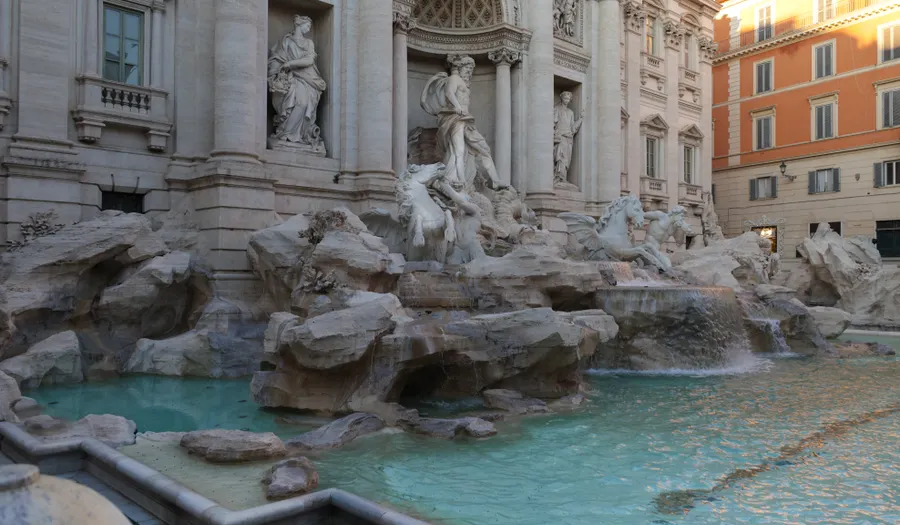
This monumental Baroque fountain is one of the most famous in the world. Its sculptures of Neptune and sea horses burst from a spectacular setting. Tradition has it that tossing in a coin guarantees your return to Rome. Come early in the morning to admire it without the crowds.
Pantheon
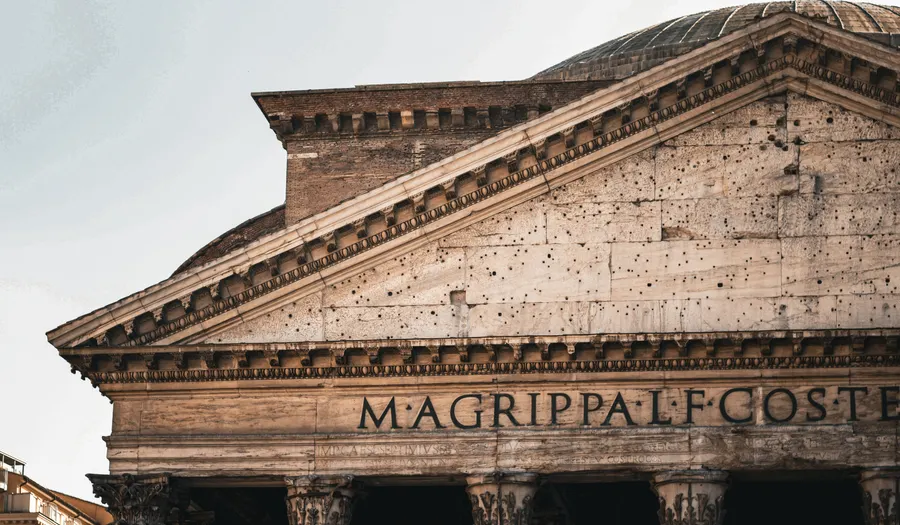
This remarkably preserved ancient temple impresses with its immense dome pierced by an oculus. A feat of engineering, its concrete dome is still the largest unreinforced one of its kind. Now a church, it holds the tombs of kings and artists such as Raphael. Its entrance on a lively square makes it a must in the centre.
Piazza Navona

This elegant Baroque square is built on the site of an ancient Roman stadium. It is adorned with three fountains, including Bernini's famous Fountain of the Four Rivers. Café terraces, street artists and ochre facades create a lively atmosphere. It is one of the most charming places to take the pulse of Rome.
How many days, and which itinerary?
Allow 3 to 4 days to discover Rome and the Vatican without rushing too much.
🗺️ Day-by-day itinerary · 📓 Free printable Rome guide (PDF) · 🌍 All of Italy
Ancient and Baroque Rome (3 days)
Devote day one to the Colosseum, the Forum and the Palatine, day two to the Vatican and its museums, and day three to the fountains, the squares and the Pantheon. End with an evening in Trastevere. This trio covers the city's essentials.
Rome in depth (5 days)
Add museums such as the Borghese Gallery, less-visited districts and more time in Trastevere. Plan a day trip to Ostia Antica or the Castelli Romani. Five days allow a more contemplative pace.
Roman getaway (2 days)
Focus on the Colosseum, the Vatican, the Trevi Fountain and the Pantheon. Be sure to book skip-the-line tickets. It is packed but doable on a long weekend.
Getting there and getting around
Very walkable historic centre, with most sights reachable on foot
Handy metro for longer distances, especially to the Vatican
Buses and trams fill out the network in the outer districts
From Fiumicino airport, the Leonardo Express train reaches the centre in 30 minutes
Where to stay in Rome?
Hostels and dorm beds from €30 to €50 a night
Mid-range hotels in the centre between €100 and €170 for a double room
Apartments and charming B&Bs at around €120 to €200 a night
Historic luxury hotels from €300 and up
Our places to stay, stop by stop, at three budgets →
What to eat in Rome?
Emblematic Roman pasta dishes such as carbonara, cacio e pepe and amatriciana
Pizza al taglio and suppli to go for a quick lunch
Trastevere trattorias for authentic, convivial cooking
Artisan gelati and espresso at the bar for a sweet break
Entry requirements
Schengen area: an ID card or passport for EU citizens, 90 days visa-free for UK, US, Canadian and Australian passports.
Rules change: check your own government's travel advice before you go.
Frequently asked questions about Rome
When is the best time to visit Rome?
Spring and autumn offer pleasant weather and more bearable crowds. Summer is hot and packed, while winter stays mild with fewer tourists.
How many days do you need in Rome?
Three to four days are enough for the highlights, the Vatican included. Allow five days to explore the lesser-known districts and slow down.
What is the daily budget in Rome?
Expect around €55 to €75 a day on a backpacker budget, €120 to €190 for a comfortable stay and more than €320 for an upmarket trip.
How do you get around Rome?
The historic centre is easy to explore on foot. The metro is useful for longer distances, especially to the Vatican and Termini.
Where should you stay in Rome?
The historic centre around the Pantheon is ideal but expensive, Monti is trendy and central, and Trastevere is full of charm. Near Termini, options are more affordable and well connected.
Similar destinations
 Country
🇫🇷 France
 Region
🇫🇷 Normandy
 Region
🇫🇷 Alsace
 Region
🇫🇷 The Loire Valley
 City
City🇫🇷 Paris
 City
City🇫🇷 Lyon
 City
City🇪🇸 Seville
 Region
🇮🇹 Florence and Tuscany
 Region
🇮🇹 The Amalfi Coast
 Region