When to go to Florence and Tuscany?
→ The detailed month-by-month page, with real weather records
Best time: May to June and September to October
At a glance
Why go to Florence and Tuscany?
Tuscany packs into a single region everything that makes the very idea of Italy so alluring. From hills striped with cypresses to honey-coloured hilltop villages, every bend in the road reveals a postcard. Florence, world capital of the Renaissance, adds an artistic density without equal. People come here to walk through six centuries of human genius.
Beyond the museums, this is a region to experience with all five senses. You taste some of the most renowned wines in the world, walk between rows of vines and olive trees, and sit down to eat without hurrying. The golden light of the Val d'Orcia at sunset stays with you long after you get home. Tuscany is as much about landscapes as flavours.
Finally, it is a destination of rare richness for anyone who likes to alternate town and country. Within an hour's drive you go from the medieval lanes of Siena to natural hot springs hidden in the hills. Siena, San Gimignano, Pisa and Lucca all lie within an hour and a half of Florence. Few regions let you pack in so much without ever feeling rushed.
Map of Florence and Tuscany: what is where?
The map shows the 6 places covered in this guide, to picture the distances and plan your route.
- Florence Duomo
- Uffizi Gallery
- Ponte Vecchio
- Val d'Orcia (Pienza)
- Siena, Piazza del Campo
- San Gimignano
How much does a trip to Florence and Tuscany cost?
Tuscany can be enjoyed on any budget, from a simple agriturismo to a luxury relais. Florence remains the most expensive part of the trip.
| Style | Per day | What it covers |
|---|---|---|
| Backpacker | €60-90/day | hostel, quick meals, public transport and limited museum visits |
| Comfort | €130-200/day | hotel or B&B, restaurants, car hire and museum entries |
| Premium | €300+/day | charming agriturismo or villa, fine dining, private tastings and guides |
Bank cards are accepted almost everywhere, but keep a little cash for small villages and markets.
Is Florence and Tuscany safe?
Tuscany is a very safe region, including for solo travellers and families. The main risk remains pickpockets in Florence's busiest tourist areas, especially around the Duomo, the Uffizi and Santa Maria Novella station. Keep your belongings close in crowds and stay alert on packed public transport. Beyond these basic precautions, you can get around everywhere in complete peace, day and night.
What to see and do in Florence and Tuscany
- the Duomo and its dome
- the Uffizi Gallery
- the Ponte Vecchio
- the Chianti hills
- Siena and San Gimignano
Florence Duomo

Santa Maria del Fiore cathedral dominates the city with its red-brick dome by Brunelleschi, a technical feat unmatched in its day. The polychrome marble facade in green, white and pink dazzles at first sight. Climb the 463 steps for a breathtaking panorama over Florence's rooftops. Giotto's bell tower, right next door, offers an equally spectacular view of the dome itself.
Uffizi Gallery

One of the greatest museums in the world holds the finest collection of Renaissance painting there is. Botticelli's Birth of Venus and Primavera reign among masterpieces by Leonardo da Vinci, Michelangelo and Raphael. The corridors themselves, with their frescoed ceilings, are a spectacle. Best to book your ticket in advance to avoid hours of queuing.
Ponte Vecchio
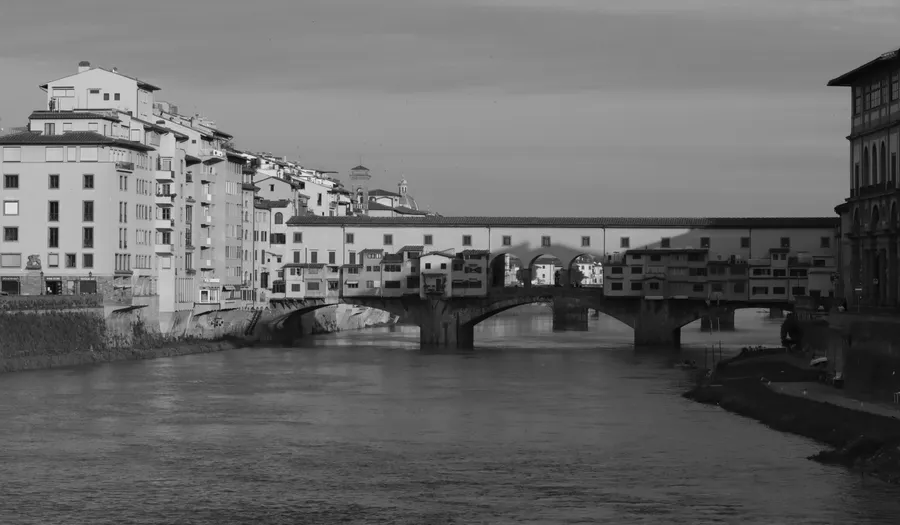
Florence's oldest bridge has spanned the Arno since the Middle Ages, lined with jewellers' workshops overhanging the water. Spared by the bombing of 1944, it remains the city's timeless symbol. The Vasari Corridor runs above it, discreetly linking the Palazzo Vecchio to the Pitti Palace. At sunset its golden silhouette is reflected in the river for one of the most beautiful shots in Tuscany.
Val d'Orcia

This UNESCO-listed landscape is the very image of the Tuscan countryside, with rolling hills dotted with lone cypresses. The villages of Pienza and Montalcino watch over vineyards producing the famous Brunello. Morning light creates cinematic mists that delight photographers. It is the beating heart of rural Tuscany, to be explored slowly by car.
Siena and its Piazza del Campo
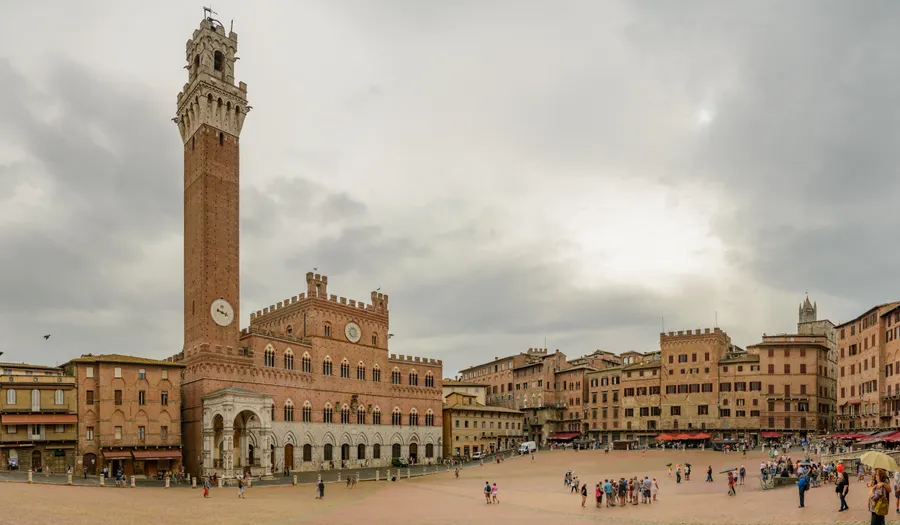
Siena's great fan-shaped square is one of the most beautiful in Europe, the stage every summer for the Palio horse race. The black-and-white striped Gothic cathedral rivals Florence's in audacity. The medieval lanes, still intact, climb between brick palaces and towers. The city still breathes the spirit of its historic rivalry with its Florentine neighbour.
San Gimignano

Nicknamed the Manhattan of the Middle Ages, this hilltop town bristles with fourteen medieval towers still standing. Once symbols of the wealth of rival families, they now give it a unique skyline visible from far across the countryside. Cobbled lanes lead to squares where you can taste the best gelato in Italy, award-winning several times over. The local white wine, Vernaccia, is best enjoyed at sunset.
How many days, and which itinerary?
Allow 5 to 7 days to combine Florence and a loop through the Tuscan countryside without rushing.
🗺️ Day-by-day itinerary · 📓 Free printable Florence and Tuscany guide (PDF) · 🌍 All of Italy
Essential Florence (3 days)
Three days to soak up the cradle of the Renaissance. Alternate museums (Uffizi, Accademia), monuments (Duomo, Ponte Vecchio) and wandering in the more authentic Oltrarno district.
Tuscan loop (6 days)
Spend two nights based in Florence, then hire a car to explore. Siena, San Gimignano, the Val d'Orcia and a tasting stop in Chianti make a varied itinerary between art and nature.
Complete Tuscany (8 days)
The in-depth version adds Pisa and Lucca to the west, the natural hot springs of Bagno Vignoni and two full days devoted to the vineyards of Chianti and Montalcino.
Getting there and getting around
Direct trains from Florence or Pisa airport, and a dense rail network between the main Tuscan cities.
A car is essential for exploring the countryside and the Val d'Orcia, but avoid it in historic centres (ZTL zones with fines).
Florence can be explored entirely on foot, with most sights less than twenty minutes' walk away.
SITA regional buses reach Siena or San Gimignano without a car, but with less flexibility.
Where to stay in Florence and Tuscany?
Hostels and shared rooms in Florence: €30 to €55 a night in a dorm or small room.
Three-star hotels in the city centre or charming B&Bs: €90 to €160 a night depending on the season.
Agriturismo in the Tuscan countryside: €100 to €200 with a pool, tastings and homemade breakfast.
Luxury villas and relais in Chianti: from €300 a night for a high-end experience.
Our places to stay, stop by stop, at three budgets →
What to eat in Florence and Tuscany?
Bistecca alla fiorentina, a thick beef steak on the bone grilled over a wood fire, strictly for sharing.
Ribollita, a peasant soup of bread and vegetables, comforting and emblematic of Tuscan cooking.
Pici, thick hand-rolled spaghetti, served with a garlic sauce or a wild boar ragù.
The red wines of Chianti, Brunello di Montalcino and Vino Nobile di Montepulciano, to taste on the spot.
Entry requirements
Schengen area: an ID card or passport for EU citizens, 90 days visa-free for UK, US, Canadian and Australian passports.
Rules change: check your own government's travel advice before you go.
Frequently asked questions about Florence and Tuscany
When is the best time to visit Tuscany?
Spring (April to June) and early autumn (September to October) offer soft light, green landscapes and ideal temperatures, away from the heat and crowds of summer.
How many days do you need for Tuscany?
Five to seven days let you combine Florence and a loop through the countryside. Three days are enough if you focus only on Florence and its immediate surroundings.
What daily budget should you allow in Tuscany?
Expect around €60 to €90 a day on a backpacker budget, €130 to €200 for comfort with a hotel and restaurants, and more than €300 for a premium stay in a villa with tastings.
How do you get around Tuscany?
Trains efficiently link the main cities, but a hire car is essential for exploring the countryside and the Val d'Orcia. Watch out for the limited traffic zones (ZTL) in historic centres.
Where should you stay in Florence?
The historic centre is ideal for a first visit but more expensive. The Oltrarno, on the other bank of the Arno, offers a more authentic atmosphere and gentler prices, and is still within walking distance of the main sights.
Similar destinations
 Country
🇫🇷 France
 Region
🇫🇷 Normandy
 Region
🇭🇷 Istria
 Region
🇫🇷 Burgundy
 Region
🇫🇷 Champagne
 City
City🇫🇷 Sarlat and the Périgord Noir
 Region
🇫🇷 Alsace
 Region
🇫🇷 The Loire Valley
 City
City🇫🇷 Bordeaux and Around
 Country