
Best time to travel in the Italian Lakes?
→ The detailed month-by-month page, with 2015-2024 averages
Best time: April to June and September to October
Best avoided if possible: November to February (less pleasant weather or big crowds).
Visitor numbers month by month
Overnight stays recorded in the Lombard towns on Lake Como and Lake Garda in 2024. Busiest month: August. Quietest month: January, with 12 times fewer overnight stays.
The crowd dots in the calendar are calculated from these figures. Source: Flussi turistici mensili nei comuni lombardi, Regione Lombardia, CC BY 4.0.
Temperatures and rainfall modelled for Bellagio · averages over recent years, Open-Meteo data (ERA5 reanalysis).
A mild climate tempered by the lakes: spring in bloom, hot summers with the odd storm, misty winters. The best time to visit the Italian Lakes is April, May, June and September, with temperatures reaching 27-31°C (summer). By contrast, January, February, March, July, August, October, November and December are generally less favourable (less pleasant weather or big crowds, depending on the destination), although a trip is still possible with some planning. In high season, book early: prices and visitor numbers climb fast.
Go against the flow. To avoid the crowds without sacrificing too much on the weather, aim for March and October: the crowds thin out, prices drop too, and the climate stays pleasant.
Do these months appeal to you? See what's best elsewhere too: where to go in May · where to go in June · where to go in September · where to go in April.
At a glance
Why go to the Italian Lakes?
The lakes of northern Italy offer concentrated dolce vita in an alpine setting. Lake Como unfurls its patrician villas and terraced gardens between mountains that plunge into dark water, a landscape that has seduced travellers since the Grand Tour. Bellagio, Varenna and Villa del Balbianello form a romantic triangle unrivalled in Europe.
Each lake has its own character, and that is what makes the region so rich. Lake Maggiore cultivates Belle Époque elegance around Stresa and the Borromean Islands, Baroque palaces set on the water. Lake Garda, larger and sunnier, mixes the Roman peninsula of Sirmione, the lemon trees of Limone and water sports beneath Monte Baldo. Tiny Lake Orta, meanwhile, remains a well-kept secret.
Finally, it is a disarmingly easy destination. Milan is a short flight from much of Europe, trains reach Como, Stresa and Desenzano in under an hour from the city, and scheduled ferries make a fine substitute for a car. You can combine two lakes in a week, add a day of shopping in Milan, and come home feeling you have been on a great journey without the long hours in the air.
Tourist map of the Italian Lakes: what's where?
The map below pinpoints the 6 places covered in this guide: a handy way to picture the distances between each stop and plan your route in the Italian Lakes.
- Bellagio
- Varenna
- Como
- Sirmione
- Stresa (Borromean Islands)
- Orta San Giulio
How much does a trip to the Italian Lakes cost in 2026? Budget calculator
Estimate your budget for the Italian Lakes based on your travel style: accommodation, meals, activities and local transport included (flights excluded). Adjust the length and the number of travellers, and the totals update.
Totals for all travellers over the chosen length; the daily amount is per person. Flights extra, indicative amounts to adjust depending on the season.
Cards are accepted everywhere; just bring a few coins for car parks, lockers and short crossings.
Safety in the Italian Lakes: should you be worried?
The Italian lakes are a very safe destination, popular with families and couples from all over the world. Just keep an eye out for pickpockets on trains from Milan and on crowded landing stages in summer. On the water, stick to the marked swimming areas: the lakes are deep, storms can whip up waves quickly and scheduled ferries have right of way. By car, the lakeshore roads around Lake Como are narrow and winding, so take care with buses and cyclists.
Things to see and do in the Italian Lakes
Our first-hand favourites, and the great classics:
- Bellagio
- Villa del Balbianello
- Varenna
- Sirmione
- Borromean Islands
- Malcesine and Monte Baldo
- Lake Orta and San Giulio
- Como and its cathedral
What to book before you go to the Italian Lakes →
🧭 Discover the Italian Lakes itinerary, day by dayMap, timings, budget and where to stay: free to access, to fit your dates. Create my tailor-made itinerary →Bellagio

The pearl of Lake Como occupies the point that separates the lake's two arms. Its stepped lanes climb between silk shops, gelaterias and ochre façades. The lakeside gardens of Villa Melzi are superb in spring when the azaleas and rhododendrons bloom. The waterfront terraces invite you to an aperitivo facing the mountains. Ideally, arrive by boat from Varenna or Como: the crossing is part of the pleasure.
Villa del Balbianello
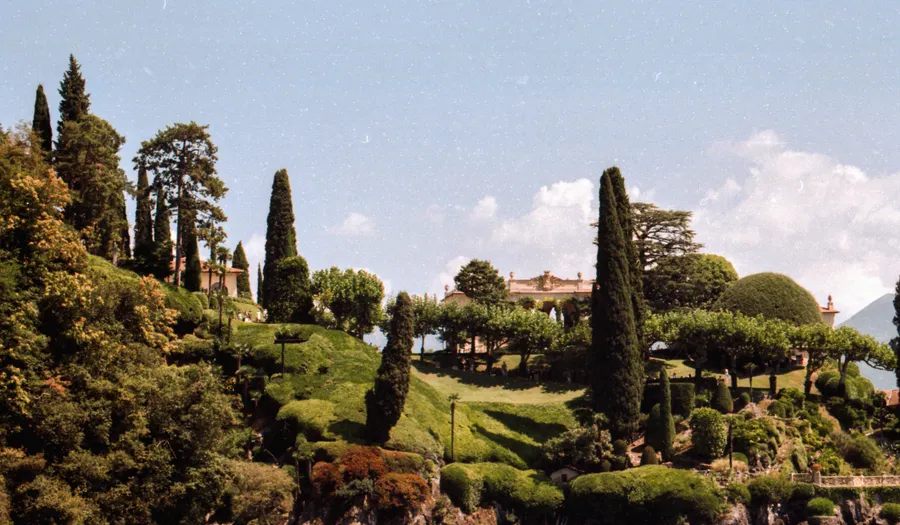
Set on a wooded promontory near Lenno, this is the most romantic of Lake Como's villas. Its terraced gardens, loggias and sculpted umbrella pines have served as a set for Star Wars and James Bond. A visit to the gardens can be extended to the interiors, preserved as they were left by their 20th-century explorer owner. Arriving by water taxi from Lenno is a moment out of time. Closed on Mondays and Wednesdays; booking recommended.
Varenna

On the east shore of Lake Como, Varenna is the lake's most endearing village, more intimate than Bellagio. Its lovers' walkway runs along the water between colourful houses and moored boats. The gardens of Villa Monastero stretch along almost two kilometres of shoreline. In the evening, when the day-trippers leave, the village recovers a rare gentleness. Varenna-Esino station makes it a perfect car-free base, an hour from Milan.
Sirmione
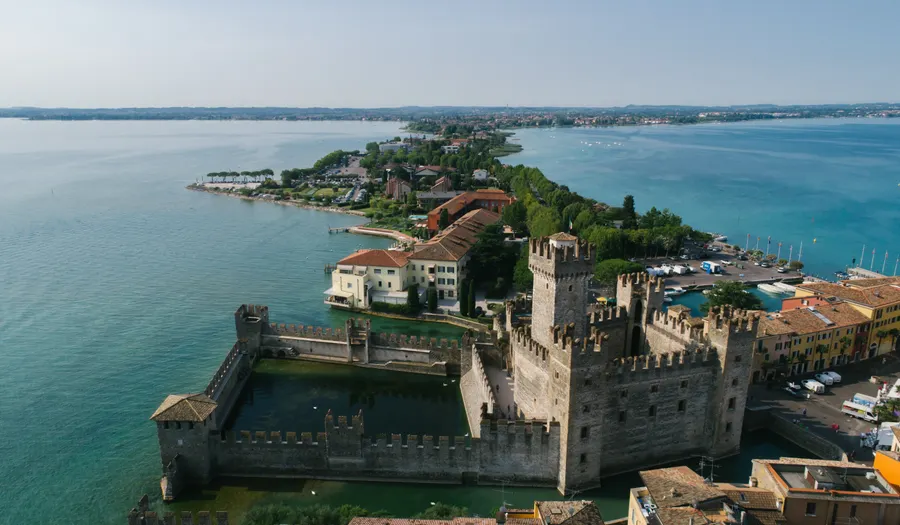
The Sirmione peninsula juts four kilometres into Lake Garda, guarded by the Scaliger Castle and its battlements rising from the water. At the very tip, the Grottoes of Catullus, ruins of a vast Roman villa, overlook turquoise water. The sulphurous thermal springs have delighted spa-goers since Antiquity. The pedestrianised old town is overrun in summer: come early or stay the night. Jamaica Beach, at the foot of the ruins, is one of the most photogenic spots on the lake.
Borromean Islands
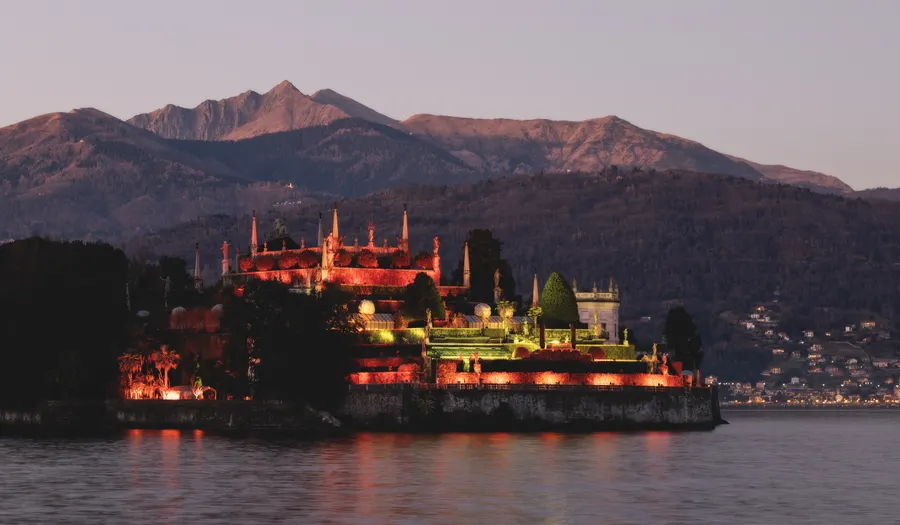
Off Stresa, on Lake Maggiore, three islands form a unique ensemble. Isola Bella carries a Baroque palace and ten terraces of gardens roamed by white peacocks. Isola Madre hides a lush English-style botanical garden. Isola dei Pescatori, the only one inhabited year-round, lines up fishermen's lanes and waterside trattorias. Public and private boats shuttle back and forth all day from Stresa. Allow a full day for all three.
Lake Orta

Thirty minutes from Lake Maggiore, little Lake Orta is Piedmont's best-kept secret. Orta San Giulio, its main village, is a gem of cobbled lanes and painted palazzi, free of cars. Offshore, the island of San Giulio and its basilica seem to float on the water; you walk around it along the lane of silence. The UNESCO-listed Sacro Monte overlooks the village with its Baroque chapels. The atmosphere is infinitely more peaceful than on the big lakes.
How many days, and which itinerary in the Italian Lakes?
Allow 4 to 5 days to explore one lake in depth, a week to combine two, for example Como and Maggiore or Como and Garda.
🗺️ Day-by-day Italian Lakes itinerary · 📓 Printable Italian Lakes travel guide (PDF) · 🌍 Discover all of Italy
Romantic Como (4 days)
Base yourself in Varenna or Bellagio, with days on the boats between Villa del Balbianello, Villa Carlotta and the three villages in the middle of the lake, plus half a day in Como for the cathedral and the Brunate funicular. The great classic for couples.
Two lakes in a week (7 days)
Three days on Lake Como, a transfer via Milan (one night and an evening in the city), then three days between Stresa, the Borromean Islands and an escape to Lake Orta. The perfect balance of glamour and gentleness.
Garda for families (6 days)
Base yourself in Sirmione or Malcesine: Scaliger Castle, Grottoes of Catullus, the cable car up Monte Baldo, a day at Gardaland or the Varone waterfalls, and the villages of Limone and Riva del Garda by boat. The most fun-filled lake.
How to get to the Italian Lakes and get around?
Direct trains from Milan: Como (40 min), Varenna (1 hr 05 min), Stresa (1 hr) and Desenzano for Lake Garda (50 min); often simpler than driving.
The Navigazione Laghi ferries are the real way to get around the lakes: day passes €15-25 depending on the zone, frequent sailings from April to October.
A car is only useful for touring Lake Garda or reaching hilltop villages: narrow lakeshore roads and expensive parking (€2-3/hr) around Como.
Funiculars and cable cars not to miss: Como-Brunate and the rotating cable car from Malcesine up Monte Baldo.
Where to stay in the Italian Lakes?
Three-star hotels with lake views in Varenna, Stresa or Malcesine: €120-190 a night, book early for a room on the water side.
B&Bs and flats in the villages on Como's east shore or around Desenzano: €80-130, the best value for money.
Historic grand hotels on Lake Maggiore and in Bellagio (Grand Hotel des Iles Borromées, Villa Serbelloni): from €400, for a special occasion.
Campsites and holiday residences on the shores of Lake Garda, around Peschiera and Lazise: €35-60, the family option par excellence.
Our picks stop by stop, in three price ranges →
What to eat in the Italian Lakes?
Lake fish: perch Milanese-style on risotto in Como, dried lake sardines (missoltini) and grilled whitefish.
Perch risotto and polenta in lakeside trattorias, allow €15-20 a dish with a view of the water.
Garda lemons and olive oil, to taste in Limone sul Garda, with the Lugana and Bardolino wines produced on its shores.
Aperitivo at sunset, a spritz or a glass of Franciacorta, the most pleasant tradition on the lakes (€8-12).
Which kind of traveller is it for?
The Italian Lakes are ideal for romance, relaxation and culture. Whether you travel as a couple, with family or even with friends, everyone can find their own pace. Accommodation is mostly standard hotels, boutique hotels and holiday rentals.
Entry requirements & practical info
Schengen area: an ID card or passport for EU citizens, 90 days visa-free for UK, US, Canadian and Australian passports.
Rules change: before you leave, check your country's official travel advice.
Frequently asked questions about the Italian Lakes
When is the best time to visit the Italian lakes?
From late April to June, when the gardens are in bloom, and September-October for soft light and thinner crowds. July-August are hot, lively and noticeably more expensive; from November to March, many hotels and boats run at a reduced pace.
What daily budget should I plan?
Around €75-110 on a budget, €130-200 for a comfortable stay with a lake-view hotel and restaurants, and a great deal more in the grand hotels of Bellagio or Stresa.
How do you get around?
Train from Milan, then scheduled ferries: the ideal combination, especially on Lake Como. A car only becomes useful for touring Lake Garda or getting off the beaten track.
How many days should I allow?
Four to five days to explore one lake in depth, a week to combine two with a stop in Milan in between.
Which lake to choose: Como, Garda or Maggiore?
Como for romance and villas, Garda for families, sunshine and sporty activities, Maggiore for Belle Époque elegance and the Borromean Islands. Tiny Orta will appeal to those fleeing the crowds.
Similar destinations
 City
🇬🇷 Corfu
 Region
🇮🇹 The Amalfi Coast and Naples
 Region
🇫🇷 Charente-Maritime and the Île de Ré
 Countries
🇫🇷 France
 Region
🇫🇷 Provence
 Region
🇫🇷 The French Riviera
 Region
🇫🇷 The Loire Valley
 Countries
🇪🇸 Spain
 City
🇮🇹 Amalfi and Ravello
 Countries