
Best time to travel in Venice?
→ The detailed month-by-month page, with 2015-2024 averages
Best time: April to June and September to October
- ✓Vaporetto rides and pleasant alleys without heavy heat
- ✓Art or Architecture Biennale open from April to November
- ✓Islands of Burano and Torcello easy to combine
- ✗City very busy from Easter and at weekends
- ✗Mosquitoes possible on the lagoon in early summer
- ✓Venice Carnival in February, masks and illuminated palazzi
- ✓Winter mist and a city handed back to the Venetians
- ✗Acqua alta possible, especially from October to December
- ✗Damp cold along the canals
Temperatures and rainfall modelled for St Mark's Square · averages over recent years, Open-Meteo data (ERA5 reanalysis).
Humid temperate, with hot summers and pleasant springs and autumns. The best time to visit Venice is April, May, June, September and October, with temperatures reaching 28-30°C (summer). Conversely, January, February, March, July, August, November and December are generally less favourable (less pleasant weather or heavy crowds, depending on the destination), although a trip is still possible with some planning. In high season, book early: prices and visitor numbers climb fast.
Go against the flow. To avoid the crowds without sacrificing too much on the weather, aim for March and November: the crowds thin out, prices drop too, and the climate stays pleasant.
Do these months appeal to you? See what's best elsewhere too: where to go in April · where to go in May · where to go in June · where to go in September · where to go in October.
At a glance
Why go to Venice?
Venice is a city like no other, built on water and criss-crossed by canals instead of streets. This lagoon city, born of a challenge thrown down to nature, unfolds Gothic palaces, elegant bridges and sumptuous squares. Getting lost in its maze of lanes, away from the crowds, is one of the finest travel experiences there is.
The history of the Serenissima, once a powerful maritime republic, can be read in its exceptional heritage. A Byzantine basilica, the Doge's Palace and museums tell of centuries of trade, art and refinement. Every facade, every bridge seems to have come through time without losing any of its splendour.
Venice is lived at the slow pace of vaporetti and gondolas, between reflections on the water and shifting light. The city extends into its lagoon, with the colourful islands of Burano and Murano. Romantic and fragile, Venice remains a unique destination to be savoured without hurrying.
Tourist map of Venice: what's where?
The map below pinpoints the 6 places covered in this guide: a handy way to picture the distances between each stop and plan your route in Venice.
- St Mark's Square
- St Mark's Basilica
- Doge's Palace
- Rialto Bridge
- Grand Canal
- Burano
How much does a trip to Venice cost in 2026? Budget calculator
Estimate your budget for Venice based on your travel style: accommodation, meals, activities and local transport included (flights excluded). Adjust the length and the number of travellers, and the totals update.
Totals for all travellers over the chosen length; the daily amount is per person. Flights extra, indicative amounts to adjust depending on the season.
Cards are accepted everywhere, but carry cash for small bacari and markets.
Safety in Venice: should you be worried?
Venice is one of the safest cities in Italy, with very little violent crime. The main risk is pickpocketing in crowded areas such as St Mark's Square, the Rialto and the vaporetti. Watch out too for the sometimes excessive prices of certain tourist restaurants and for high tides that can flood some areas. Keep an eye on your belongings and the tide forecasts, and your stay will be perfectly peaceful.
Things to see and do in Venice
Our first-hand favourites, and the great classics:
- St Mark's Square
- the Grand Canal by gondola
- the Rialto Bridge
- Murano and Burano
- the Doge's Palace
What to book before you go to Venice →
🧭 Discover the Venice itinerary, day by dayMap, timings, budget and where to stay: free to access, to fit your dates. Create my tailor-made itinerary →St Mark's Square
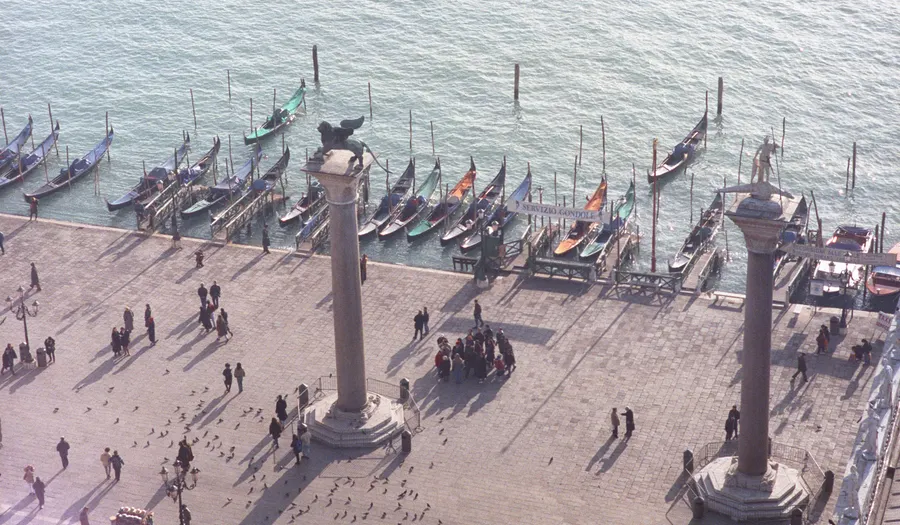
The heart of Venice, this majestic square is nicknamed the finest drawing room in Europe. It is lined with elegant arcades, historic cafés and the Campanile that towers over it. It is the essential meeting point, lively by day and by night. Be aware that it can be partly flooded during high tides.
St Mark's Basilica

This masterpiece of Byzantine art dazzles with its domes and golden mosaics. Its richly decorated facade holds the famous ancient bronze horses. The interior glitters with thousands of gold tesserae depicting sacred scenes. It is the city's most prestigious monument.
Doge's Palace

Former residence of the Doge and seat of Venetian power, this Gothic palace is sumptuous. Its fresco-covered halls testify to the might of the Republic. The Bridge of Sighs links it to the old prisons in a setting steeped in history. The visit takes you to the heart of triumphant Venice.
Rialto Bridge

The oldest bridge over the Grand Canal is a Renaissance architectural feat. Lined with shops, it spans the canal in an elegant, bustling curve. It is an ideal vantage point over the boat traffic and the palaces. At its foot, the Rialto Market overflows with fresh produce.
Grand Canal

This S-shaped waterway winds through Venice for nearly four kilometres. It is lined with the city's finest palaces, with Gothic and Renaissance facades. Riding it by vaporetto is the best way to admire this unique setting. The spectacle is magical at dusk.
Burano

This lagoon island enchants with its brightly painted houses. Famous for its traditional lace, it has a peaceful, picturesque atmosphere. Its quiet canals and leaning bell tower make a living picture. It is an ideal escape from the crowds of the centre.
How many days, and which itinerary in Venice?
Two to three days are enough to discover Venice and one or two islands of the lagoon.
🗺️ Day-by-day Venice itinerary · 📓 Printable Venice travel guide (PDF) · 🌍 Discover all of Italy
Essential Venice (2 days)
On day one, explore St Mark's Square, the basilica, the Doge's Palace and the Rialto Bridge. On day two, get lost in the Dorsoduro and Cannaregio districts, away from the crowds. Finish with a vaporetto ride along the Grand Canal at sunset.
Venice and its lagoon (3 days)
Add a day to explore Burano, Murano and Torcello by vaporetto. Leave time for museums and historic cafés. Three days let you savour the city without rushing.
Venetian stopover (1 day)
Focus on St Mark's Square, the basilica and the Rialto Bridge. Treat yourself to a gondola or vaporetto ride. It is short but enough to capture the magic of the place.
How to get to Venice and get around?
Vaporetti (water buses) linking the districts and the islands of the lagoon
Entirely pedestrian city, everything covered on foot via bridges and lanes
Gondolas and water taxis for a more romantic and pricier experience
From Marco Polo airport, boat or bus reaches the centre in 30 to 45 minutes
Where to stay in Venice?
Hostels and dorm beds from €35 to €60 a night
Mid-range hotels between €120 and €200 for a double room
B&Bs and charming small palazzi at around €150 to €250 a night
Luxury hotels on the Grand Canal from €400 and up
Our picks stop by stop, in three price ranges →
What to eat in Venice?
Cicchetti, small Venetian bites enjoyed in a bacaro with a glass of wine
Seafood and lagoon fish such as cuttlefish and sardines
Cuttlefish ink risotto and fresh pasta with flavours of the sea
Venetian spritz and tiramisu for the aperitivo and dessert
Which kind of traveller is it for?
Venice is ideal for romance and culture. Whether you travel as a couple or solo, everyone can find their own pace. Accommodation is mostly standard hotels and boutique hotels.
Entry requirements & practical info
Schengen area: an ID card or passport for EU citizens, 90 days visa-free for UK, US, Canadian and Australian passports.
Rules change: before you leave, check your country's official travel advice.
Frequently asked questions about Venice
When is the best time to visit Venice?
Spring and autumn offer mild weather and magnificent light. Summer is hot and very busy, while winter charms with its misty atmosphere despite the risk of high tides.
How many days do you need in Venice?
Two days are enough for the city's essentials. Add a day to explore the islands of Burano and Murano in the lagoon.
What is the daily budget in Venice?
Expect around €65 to €90 a day on a backpacker budget, €150 to €230 for a comfortable stay and more than €400 for a premium trip.
How do you get around Venice?
Everything is done on foot and by vaporetto, there are no cars at all. A day transport pass pays off if you take lots of boat trips.
Where should you stay in Venice?
San Marco is central but expensive, Cannaregio and Dorsoduro more authentic and affordable. Staying on Venice island itself rather than in Mestre lets you enjoy the magic of the city at night.
Similar destinations
 Countries
🇫🇷 France
 Region
🇫🇷 Normandy
 Region
🇮🇹 The Amalfi Coast and Naples
 Countries
🇬🇷 Greece
 City
🇭🇷 Dubrovnik
 Region
🇮🇹 Puglia
 Region
🇪🇸 Andalusia
 City
🇫🇷 Nice
 City
🇬🇷 Corfu
 City