When to go to Galway and Connemara?
→ The detailed month-by-month page, with real weather records
Best time: May to September
At a glance
Why go to Galway and Connemara?
On Ireland's west coast, Galway holds a special place. A university and port city, it cultivates a bohemian atmosphere that few European cities still offer: the cobbled lanes of the Latin Quarter, painted façades, buskers tuning their fiddles from midday, terraces where people put the world to rights, pint in hand. It is a city of festivals, seafood and conversation, facing the Atlantic and proud of it. People often arrive for one night and stay several days, held by its easy-going, island-like way of life.
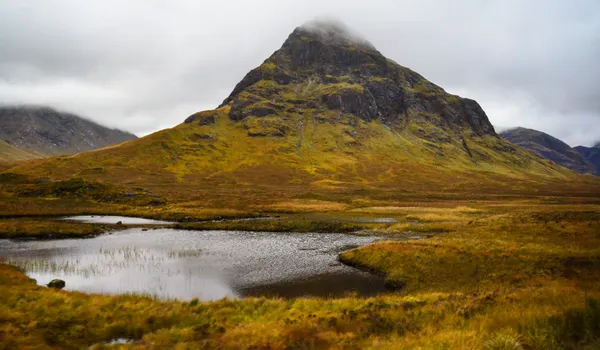
But Galway is only the gateway to a land that has fed the whole Irish imagination: Connemara. West of the city begins a country of copper-coloured bogs, countless lakes and squat mountains, the Twelve Bens, whose summits veil and unveil themselves beneath a sky that never stays still. Here Irish Gaelic is still spoken day to day, wild ponies graze freely and sheep daubed in bright colours dot moorland of rugged beauty. This is postcard Ireland, but lived in, inhabited, authentic.
Pairing Galway and Connemara means taking in both faces of the west in just a few days: the buzz of the city and the silence of wide open spaces. Many add a trip to the Aran Islands, limestone sentinels battered by the waves, or an excursion south to the Cliffs of Moher and the Burren. Few regions pack so much emotion into such a small radius. It is Ireland in concentrated form, both festive and contemplative.
Map of Galway and Connemara: what is where?
The map shows the 8 places covered in this guide, to picture the distances and plan your route.
- Galway
- Kylemore Abbey
- Diamond Hill
- Clifden
- Aran Islands (Inishmore)
- Killary Fjord
- Cong
- Cliffs of Moher
How much does a trip to Galway and Connemara cost?
The cost of living in Ireland is comparable to France's, or even slightly higher for accommodation in high season. Here are some guidelines per person per day, excluding car hire.
| Style | Per day | What it covers |
|---|---|---|
| Backpacker | €60-90/day | Youth hostel or simple bed and breakfast, pub meals, the ferry to Aran and free sites such as Diamond Hill. |
| Comfort | €120-190/day | Guesthouse or boutique hotel, restaurant dinners, a visit to Kylemore and a cruise on Killary Fjord. |
| Luxury | €250+/day | Upmarket hotels, gourmet restaurants, private experiences and an exceptional stay at Ashford Castle. |
The currency is the euro, which makes everything simple for travellers from the eurozone. Cards are accepted almost everywhere, even in small pubs, but it is useful to keep a little cash for markets, craftspeople on the Aran Islands or parking. Cash machines are plentiful in Galway and Clifden, scarcer in the Connemara hamlets.
Is Galway and Connemara safe?
Galway and Connemara are among the safest and most welcoming regions in Europe. Petty crime is marginal and you can get around without worry, day or night. The main thing to watch is actually the road and the weather: the narrow, winding roads of Connemara, driving on the left and a fickle climate all call for care behind the wheel. When hiking, bring waterproof clothing and good shoes, as the weather changes quickly and fog can roll in fast on the high ground.
What to see and do in Galway and Connemara
- Galway and the Latin Quarter
- Kylemore Abbey
- Connemara National Park
- the Aran Islands
- the Cliffs of Moher
Galway and the Latin Quarter

The Latin Quarter is the beating heart of Galway. You wander along Quay Street and Shop Street, two pedestrian streets lined with pubs, craft shops and painted façades that seem to pose for the camera. On every corner a musician plays a jig or a ballad, and the crowd stops to listen. At the end of the stroll, the Spanish Arch recalls the days when Galway traded with Spain, while the River Corrib rushes towards the bay. This is a city to experience on foot, without a plan, carried along by its infectious energy.
Kylemore Abbey

Nestled at the foot of a wooded hill and mirrored in the waters of a lake, Kylemore Abbey is the most famous image of Connemara. This neo-Gothic castle was built in the late 19th century by a wealthy industrialist for his wife, before becoming a Benedictine monastery. You can visit the restored reception rooms, the small Gothic church built in memory of the lady of the house, then the splendid Victorian walled gardens, a few minutes' walk away. The site is as moving for its history as for its setting. It is an unmissable stop, best visited early in the morning to avoid the crowds.
Connemara National Park and Diamond Hill

Connemara National Park protects nearly 2,000 hectares of moorland, bog and mountain. Its star summit, Diamond Hill, rises to just over 440 metres and offers one of the most accessible hikes in the region. The trail, largely laid with boardwalks and steps, forms a loop of a few hours that climbs steadily. At the top, the panorama takes in the jagged coastline, the islands offshore and the Twelve Bens on the horizon. The free visitor centre sheds light on the area's wildlife and geology. It is the ideal chance to enjoy the great outdoors without any mountaineering experience.
The Sky Road and Clifden

Clifden presents itself as the capital of Connemara, a pretty town set between mountains and ocean, whose pubs and hotels make it a handy base. Just to the north begins the Sky Road, a scenic loop of about twelve kilometres that climbs along the coast. From the highest point, the view plunges over a string of islands, coves and windswept headlands. You drive slowly, stop often and savour it all. At sunset, when the light gilds the moors, the show reaches its peak. It is one of the most beautiful roads in Ireland.
The Aran Islands

Off Galway Bay, the three Aran Islands fiercely guard their Gaelic identity. On the largest, Inishmore, a maze of dry-stone walls criss-crosses tiny fields wrested from the rock. The island's jewel is Dún Aonghasa, a prehistoric fort perched on the edge of a dizzying cliff that drops sheer into the Atlantic. You reach it on foot from the village, then explore the island by bike or by pony and trap. The ferry leaves from Rossaveel, west of Galway, or from Doolin further south. A day on Aran is a journey into a timeless Ireland.
Killary Fjord

On the border between counties Galway and Mayo, Killary Harbour is often described as Ireland's only true fjord. This long sea inlet of almost sixteen kilometres cuts deep between steep slopes, overlooked to the north by the massive bulk of Mweelrea. Mussel and oyster lines float on its calm waters, evidence of a thriving aquaculture. You can follow the fjord along a small scenic road, take a hiking trail along its shores, or board a gentle cruise. The silence and scale of the landscape are striking. It is a place of absolute serenity.
Cong and Ashford Castle

On the edge of Connemara, the village of Cong owes its fame to the cinema: this is where The Quiet Man, John Ford's classic starring John Wayne, was filmed. It is a pleasure to find the film's settings, the ruined medieval abbey and the peaceful lanes by the water. Close by stands Ashford Castle, a majestic 13th-century fortress turned into one of the most prestigious hotels in Europe. Even without staying, you can roam its vast wooded grounds bordering Lough Corrib. Together they make a romantic picture, blending history, nature and silver-screen legend.
The Cliffs of Moher and the Burren

South of Galway, in County Clare, two wonders justify a day trip. The Cliffs of Moher raise their wall of more than 200 metres against the Atlantic for almost eight kilometres, offering one of the most spectacular panoramas in the country. Right next door lies the Burren, a karst plateau with a lunar landscape where bare limestone nonetheless shelters rare flora and many prehistoric remains such as the Poulnabrone dolmen. Allow about 1 hour 30 minutes by road from Galway. The two sites combine easily in a single loop. A fascinating geological contrast.
How many days, and which itinerary?
Allow 3 to 4 days to discover Galway and Connemara without rushing. Two days already let you sample the city and make a first loop through Connemara, but a stay of three to four nights leaves time to add the Aran Islands, Killary Fjord and, for the more curious, an excursion south to the Cliffs of Moher. The changeable weather of the west is another reason not to overload the programme: better to build in some slack to make the most of the sunny spells.
🗺️ Day-by-day itinerary · 📓 Free printable Galway and Connemara guide (PDF) · 🌍 All of Ireland
Getting there and getting around
Most travellers arrive via Dublin, from where Galway is about 2 hours 30 minutes away, whether by road (the M6 motorway crosses the country from east to west) or by direct train from Heuston station. Shannon Airport, further south, is a handy alternative just over an hour's drive away, especially for those who want to start with the Cliffs of Moher. Once there, Galway is easily explored on foot, its centre being compact and pedestrianised.
For Connemara, however, a car is essential. The distances between sites, the scarcity of public transport and the sheer pleasure of the scenic roads make hiring one a must. You drive on the left, on often narrow roads lined with stone walls, which calls for caution and patience, especially with sheep sometimes wandering onto the road. Expect journeys to be slower than the map suggests. For the Aran Islands, leave the car at Rossaveel harbour and board the ferry.
Where to stay in Galway and Connemara?
Two bases stand out naturally. Galway city offers the widest choice of accommodation, from lively youth hostels in the centre to boutique hotels, along with many carefully run bed and breakfasts. Basing yourself here lets you enjoy the nightlife and restaurants while making day trips. It is the ideal choice for a first visit or for those who favour city life and music.
To explore the heart of Connemara without endless back-and-forth, Clifden is the best base. The town has several hotels, guesthouses and cottages, and its central position puts Kylemore, the Sky Road and the national park within easy reach. Lovers of peace and quiet will also find charming, isolated guesthouses in the countryside, by a lake or facing the sea. Combining two nights in Galway with two in Clifden strikes the best balance.
Our places to stay, stop by stop, at three budgets →
What to eat in Galway and Connemara?
The west of Ireland is seafood country. Galway is renowned for its oysters, celebrated every autumn at an international festival that draws gourmets from around the world. They are eaten native, with a glass of stout, in the pubs and oyster bars of the centre. Mussels, crab, smoked salmon and the catch of the day round out menus that give pride of place to Atlantic freshness. Several of the city's restaurants also show real culinary ambition.
Beyond the plate, there is a whole pub culture to experience. In the Latin Quarter as in the villages of Connemara, traditional pubs ring out every evening with trad music sessions, where fiddles, bodhráns and accordions come together, often on the spur of the moment. They serve generous pub food: lamb stew, fish and chips, seafood soup and home-made soda bread. These warm, spontaneous evenings are at the heart of the Irish experience.
Entry requirements
Ireland sits outside Schengen: EU citizens need only an ID card, UK citizens travel freely under the Common Travel Area, and US, Canadian and Australian passports get 90 days visa-free.
Rules change: check your own government's travel advice before you go.
Frequently asked questions about Galway and Connemara
How many days should you plan for Galway and Connemara?
Three to four days is ideal. Two days are enough for a glimpse of the city and a first loop through Connemara, but an extra day or two lets you add the Aran Islands, Killary Fjord and perhaps an excursion to the Cliffs of Moher, while leaving slack for the changeable weather.
Is a car essential?
For Galway alone, no: the city can be explored entirely on foot and reached by train from Dublin. For Connemara, however, a car is essential. Public transport is scarce there and the finest landscapes have to be earned along small roads you drive at your own pace.
When is the best time to visit?
From May to September you get long days and mild temperatures, with visitor numbers peaking in July and August. May, June and September offer a good balance of light, moderate crowds and lush greenery. Whatever the season, expect showers: it is the price of Ireland's dazzling green.
How do you get to the Aran Islands?
The Aran Islands are reached by ferry, mainly from the port of Rossaveel, about 40 minutes' drive west of Galway, with shuttle buses from the city centre. Another option is to sail from Doolin, further south, near the Cliffs of Moher. The crossing to Inishmore takes around forty minutes.
Can you see the Cliffs of Moher from Galway?
Yes, the Cliffs of Moher are about 1 hour 30 minutes' drive south of Galway, in County Clare. You can drive there and combine them with the karst plateau of the Burren, or opt for an organised day trip from Galway, which usually includes both sites.
Similar destinations
 Country
🇭🇷 Croatia
 City
City🇮🇪 Donegal
 City
City🇮🇪 The Ring of Kerry
 City
City🇫🇷 Fréjus, Saint-Raphaël and the Esterel
 Country
🇫🇷 France
 Region
🇫🇷 The French Basque Country
 City
City🇫🇷 Bordeaux and Around
 Region
🇮🇹 Sicily
 Region
🇬🇷 Crete
 Country