When to go to Ireland?
→ The detailed month-by-month page, with real weather records
Best time: May to September
At a glance
Why go to Ireland?
Ireland fits into a pocket handkerchief, yet it packs in a dizzying density of landscapes and moods. In a week on the road, you go from Atlantic cliffs to colourful fishing villages, from pubs ringing with traditional music to ivy-clad castles, under a light that changes every ten minutes. It is the Emerald Isle of the postcards, but also a land of stories, of living Gaelic and of a welcome that has become legendary.
Its great strength is the Wild Atlantic Way, a 2,500-kilometre waymarked coastal route that runs the full length of the west coast, from wild Donegal in the north to foodie West Cork in the south, by way of the Ring of Kerry. To the east, festive Dublin and, to the north, Northern Ireland and its Giant's Causeway complete the picture. You do not see Ireland in one go: you pick one or two regions and take the time to live them.
Good news: the island is easy to get around by car, with short distances and locals always ready to point the way or strike up a conversation. Rain is part of the trip, but it feeds that intense green and the rainbows that make the country so charming. This guide links our four favourite regions, each detailed in its own travel guide, plus the highlights of the east.
Map of Ireland: what is where?
The map shows the 7 places covered in this guide, to picture the distances and plan your route.
- Donegal
- Ring of Kerry
- Northern Ireland
- West Cork
- Dublin
- Connemara / Galway
- Cliffs of Moher
How much does a trip to Ireland cost?
Ireland is not the cheapest of destinations, especially Dublin and the popular regions in high season. Your budget depends largely on accommodation and how often you eat out; natural sites, on the other hand, are mostly free. Rough figures per person per day, excluding flights and car hire.
| Style | Per day | What it covers |
|---|---|---|
| Backpacker | €60-90/day | Hostel or simple B&B, pub grub and picnics, free natural sites, shared car or bus. |
| Comfort | €120-190/day | Good B&B or boutique hotel, one proper meal a day, a few paid visits, a car for two. |
| Luxury | €250/day and up | Country house or exceptional hotel, fine dining, guided experiences, comfortable car. |
The Republic of Ireland uses the euro, so no currency exchange is needed for travellers from the eurozone. Northern Ireland, which is British, uses the pound sterling: plan for this if your route goes north. Contactless cards are accepted almost everywhere; keep a little cash for car parks, some rural B&Bs and remote areas.
Is Ireland safe?
Ireland is one of the safest destinations in Europe, north and south alike: petty crime against travellers is rare and the welcome warm everywhere. The real risks are natural: cliffs often without railings, fast-rising tides, swell and changeable weather that can turn stormy. So take care near drop-offs and on beaches, with good shoes and waterproof clothing in every season. On the road, driving on the left and narrow lanes demand attention, especially in the rain.
What to see and do in Ireland
- Donegal and Slieve League
- the Ring of Kerry
- Northern Ireland and the Giant's Causeway
- West Cork and Mizen Head
- the Cliffs of Moher
Donegal

The far north-west, the wildest and least visited part of the country: the vertiginous cliffs of Slieve League, the horseshoe beaches of Malin Beg, the island's northernmost point at Malin Head and Glenveagh Castle on the shore of its lake. Raw, Celtic Ireland, at gentler prices than elsewhere.
The Ring of Kerry

Ireland's most famous scenic route: 179 kilometres around the Iveragh Peninsula, taking in the lakes of Killarney National Park, the Kerry Cliffs facing the Skelligs, the beaches of Derrynane and the glacial pass of the Gap of Dunloe. A rare density of scenery over such a short distance.
Northern Ireland

In less than an hour from Belfast, you go from the Titanic museum to the basalt columns of the Giant's Causeway, from the Game of Thrones Dark Hedges to the ruins of Dunluce. A packed road trip along the Causeway Coastal Route, in the United Kingdom (pound sterling, distances in miles).
West Cork

The south-western tip, the country's food capital, softened by the Gulf Stream: Mizen Head and its suspension bridge, the sea lough of Lough Hyne, the Drombeg stone circle, the gardens of Bantry House and colourful harbours serving the best seafood in Ireland.
Dublin

The capital, often the gateway to the trip: the lively Temple Bar quarter, the Trinity College library and its Book of Kells, the Guinness Storehouse, and pubs on every corner. One or two days are enough before heading west.
Connemara and Galway

On the west coast, bohemian Galway opens onto the wild landscapes of Connemara: peat bogs, bare mountains, lakes and Kylemore Abbey set at the water's edge. A region of music and Gaelic, ideal to combine with the nearby Cliffs of Moher.
The Cliffs of Moher

The country's most famous cliffs, in County Clare: eight kilometres of rock face plunging more than 200 metres into the Atlantic, with O'Brien's Tower perched on top. Very busy but spectacular, especially at sunset, and easy to combine with the lunar plateau of the Burren.
How many days, and which itinerary?
Ireland is best enjoyed à la carte. With a week, pick one route: Dublin then the west coast (Galway, Moher, Ring of Kerry), or Belfast and the north coast up to Donegal. Ten days lets you combine two regions without rushing, for example the south-west (Kerry and West Cork) or the north (Northern Ireland and Donegal). Two weeks gives you the grand tour of the Wild Atlantic Way, from Donegal to West Cork, with a detour to Dublin. Each of our four regions is detailed in its own travel guide, to mix and match as you wish.
🗺️ Day-by-day itinerary · 📓 Free printable Ireland guide (PDF)
1 week
A single route. Two days in Dublin, then head west: Galway and Connemara, the Cliffs of Moher, and the Ring of Kerry with Killarney National Park. Or, in the north: Belfast, the Causeway Coastal Route and a foray into Donegal.
10 days
Two regions combined, without rushing. In the south-west: the Ring of Kerry then West Cork (Mizen Head, Kinsale, the seafood). In the north: Northern Ireland (Giant's Causeway, Belfast) extended into wild Donegal via Derry.
2 weeks
The grand tour of the Wild Atlantic Way, from Donegal to West Cork along the entire west coast, with Dublin at the start or the end. The complete journey, one region after another, for those who want to see it all.
Getting there and getting around
Most travellers arrive via Dublin, which is very well served by direct flights. Cork in the south and Belfast in the north are other handy gateways depending on the region you are aiming for. Once there, a car is by far the best option: it alone lets you reach the coves, cliffs and end-of-the-world villages that public transport cannot.
Traffic drives on the left, on often narrow roads lined with banks, where you will meet sheep and tractors: allow plenty of time for journeys. The Republic of Ireland uses the euro and the metric system; Northern Ireland, which is part of the United Kingdom, uses the pound sterling and miles, but the border can be crossed freely, with no checks at all. Check that your rental insurance covers crossing between the two if you plan to visit the north.
Where to stay in Ireland?
Ireland has made the B&B an institution: these family-run guest houses, with their hearty cooked breakfast (the full Irish), are the most authentic and widespread form of accommodation, from simple to very smart. You will also find boutique hotels, country houses and plenty of holiday lets and cottages in the countryside. In each region, it is better to choose one or two bases (a hub town) rather than change address every night.
Book early for July and August, the high season, and for festival weekends, which quickly fill the best addresses. Details for each region are in its travel guide.
Our places to stay, stop by stop, at three budgets →
What to eat in Ireland?
Irish cooking has been transformed: beyond Irish stew (lamb stew) and the full Irish breakfast, the island champions its produce, mountain lamb, grass-fed beef, farmhouse cheeses and above all exceptional seafood along the coasts. Seafood chowder, a creamy soup served with brown bread, is a must everywhere.
The pub remains the heart of social life: you drink a pint of stout or an Irish whiskey to the sound of traditional music sessions, and the food is often very good. West Cork has established itself as the country's food capital, but each region has its specialities, detailed in its travel guide.
Entry requirements
Ireland sits outside Schengen: EU citizens need only an ID card, UK citizens travel freely under the Common Travel Area, and US, Canadian and Australian passports get 90 days visa-free.
Rules change: check your own government's travel advice before you go.
Cities and regions to discover
 City
City🇮🇪 Donegal
 City
City🇮🇪 The Ring of Kerry
 City
City🇬🇧 Northern Ireland
 City
City🇮🇪 West Cork
 City
City🇮🇪 Dublin
 City
City🇮🇪 Galway and Connemara
 City
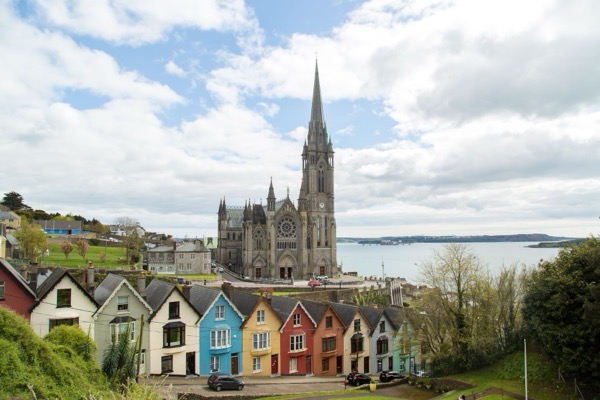
City🇮🇪 Cork
 City
City🇬🇧 Belfast
Frequently asked questions about Ireland
How long do you need to visit Ireland?
A week lets you explore one route (Dublin and the west coast, or the north), ten days to combine two regions, and two weeks to do the grand tour of the Wild Atlantic Way. Better to explore one or two regions in depth than to skim over everything.
Do you need a car to travel in Ireland?
For the cities (Dublin, Belfast, Galway, Cork), no: they can be explored on foot and are linked by train and bus. But for the coast, the cliffs and the villages, a car is essential, as public transport does not serve these scattered sites.
When is the best time to go to Ireland?
From May to September, for long days (the sun sets around 22:00 in June), milder weather and all sites open. July and August are the liveliest; May, June and September offer the best compromise. Winter is mild but wet and windy.
What budget should I plan for a trip to Ireland?
Allow around €60 to €90 per person per day as a backpacker, €120 to €190 for comfort, and more for an upmarket stay, excluding flights and car hire. With natural sites free, it is accommodation and restaurant meals that make the bill vary.
Similar destinations
 Country
🇫🇷 France
 Region
🇮🇹 Sicily
 Country
🇭🇷 Croatia
 Country
🇬🇧 United Kingdom
 City
City🏴 Scotland
 Country
🇩🇪 Germany
 Country
🇦🇹 Austria
 Country
🇺🇸 The American West
 Country
🇨🇴 Colombia
 City
City