
Best time to travel in Scotland?
→ The detailed month-by-month page, with 2015-2024 averages
Best time: May to September
- ✓Endless days for touring the Highlands and the Isle of Skye
- ✓Regular crossings to the Hebrides
- ✓Edinburgh's festivals in August, including the famous Fringe
- ✗Persistent midges in the Highlands in high summer
- ✗Skye and Edinburgh very busy in July-August
- ✓Northern lights possible on clear nights in the north
- ✓Speyside whisky distilleries by the fire
- ✗Very short days and often stormy weather
- ✗Ferries to the islands regularly disrupted
Temperatures and rainfall modelled for Edinburgh Castle · averages over recent years, Open-Meteo data (ERA5 reanalysis).
Cool oceanic, with changeable weather and mild, bright summers. The best time to visit Scotland is May, June, July, August and September, with temperatures reaching 17-20°C (summer). Conversely, January, February, March, April, October, November and December are generally less favourable (less pleasant weather or heavy crowds, depending on the destination), although a trip is still possible with some planning. In high season, book early: prices and visitor numbers climb fast.
Go against the flow. To avoid the crowds without sacrificing too much on the weather, aim for April and October: the crowds thin out, prices drop too, and the climate stays pleasant.
Do these months appeal to you? See what's best elsewhere too: where to go in May · where to go in June · where to go in July · where to go in August · where to go in September.
At a glance
Why go to Scotland?
Scotland is a land of legends where nature reigns in majesty, wild and romantic. Its Highlands unfold glacial valleys, deep lochs and mountains draped in mist. The silence of the glens and the shifting light create landscapes of raw, melancholy beauty. It is a country that speaks to the soul as much as to the eyes, where every hill seems to hide a story.
Scotland's turbulent past has left castles, battlefields and clans everywhere. Edinburgh, a capital with a theatrical skyline, blends a medieval Old Town with Georgian elegance. The tales of Mary, Queen of Scots, William Wallace and the Jacobites still haunt the stones. This proud, independent history feeds a vibrant cultural identity, from the kilt to the bagpipes.
But Scotland also offers unexpected warmth and conviviality beneath its grey skies. The pubs ring with traditional music, and a peaty whisky is shared while putting the world to rights. The Hebrides and the Isle of Skye add an oceanic, fairy-tale dimension to the journey. Between grandiose nature, heritage and hospitality, Scotland leaves a lasting mark on anyone who travels it.
Tourist map of Scotland: what's where?
The map below pinpoints the 6 places covered in this guide: a handy way to picture the distances between each stop and plan your route in Scotland.
- Edinburgh Castle
- Royal Mile
- Loch Ness and Urquhart Castle
- Isle of Skye
- Glenfinnan Viaduct
- Ben Nevis
How much does a trip to Scotland cost in 2026? Budget calculator
Estimate your budget for Scotland based on your travel style: accommodation, meals, activities and local transport included (flights excluded). Adjust the length and the number of travellers, and the totals update.
Totals for all travellers over the chosen length; the daily amount is per person. Flights extra, indicative amounts to adjust depending on the season.
The pound sterling is the currency; Scottish banknotes circulate alongside English ones, and contactless payment is accepted almost everywhere.
Safety in Scotland: should you be worried?
Scotland is a very safe country, where crime is low and the welcome especially warm. The main risks come from nature itself, with changeable weather that can catch you out in the mountains. When hiking, bring warm, waterproof clothing, even in summer, and tell someone your route. On Highland roads, driving on the left and single-track lanes call for vigilance and courtesy. In summer, midges, tiny biting flies, are more a nuisance than a danger, but insect repellent is welcome.
Things to see and do in Scotland
Our first-hand favourites, and the great classics:
- Edinburgh and its castle
- Loch Ness
- the Isle of Skye
- the Glenfinnan Viaduct
- a whisky distillery
What to book before you go to Scotland →
🧭 Discover the Scotland itinerary, day by dayMap, timings, budget and where to stay: free to access, to fit your dates. Create my tailor-made itinerary →Edinburgh Castle

Perched on an ancient volcano, Edinburgh Castle looms over the capital with all its bulk. It houses the Honours of Scotland and the legendary Stone of Destiny. Every day at one o'clock, the One O'Clock Gun booms out over the city. The view from the ramparts sweeps across the Old Town to the Firth of Forth. It is the natural starting point for any visit to Edinburgh.
Royal Mile and Edinburgh Old Town

The Royal Mile links the castle to the Palace of Holyroodhouse in a string of cobbled lanes. Its narrow closes and dark stone tenements plunge you into a medieval atmosphere. Tartan shops, pubs and museums line this lively historic thoroughfare. St Giles' Cathedral and its stained glass deserve a stop along the way. In the evening, ghost tours add a Gothic shiver.
Loch Ness and Urquhart Castle

World-famous for its legendary monster, Loch Ness stretches for almost forty kilometres. Its dark, deep waters jealously guard their mysteries. On its shores stand the romantic ruins of Urquhart Castle. A cruise lets you scan the surface in search of Nessie. The setting of hills and mist is strikingly beautiful.
Isle of Skye

The jewel of the Inner Hebrides, the Isle of Skye offers some of the most spectacular scenery in Scotland. The pinnacles of the Old Man of Storr and the waterfalls of the Fairy Pools draw hikers. The Quiraing unfolds a lunar landscape of ridges and dizzying scree slopes. Fishing villages and distilleries dot an island with a spellbinding atmosphere. It is total immersion in Scotland's wild nature.
Glenfinnan Viaduct
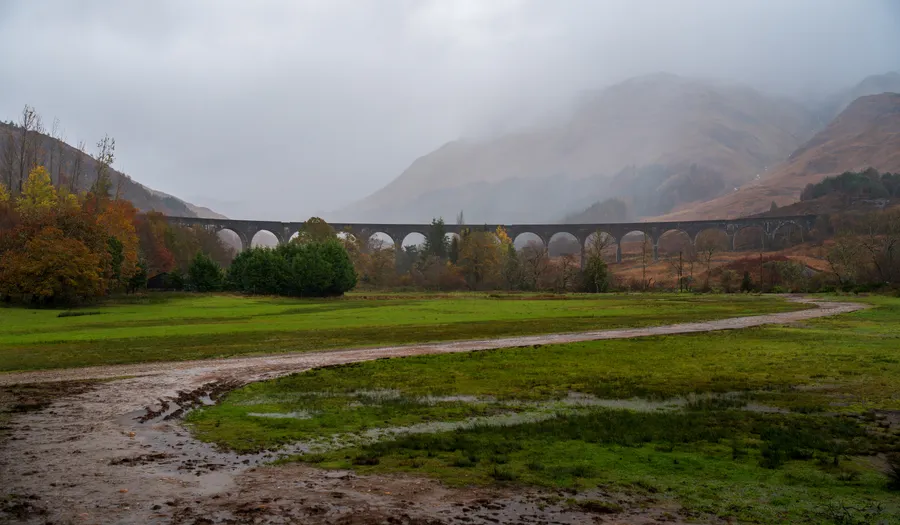
This curving twenty-one-arch viaduct became famous thanks to the Harry Potter films. The Jacobite steam train crosses it every day against a backdrop of mountains and loch. A footpath leads to an ideal viewpoint for watching the train go by. The nearby Glenfinnan Monument recalls the Jacobite rising of 1745. It is one of the most iconic images of the Highlands.
Ben Nevis and Fort William
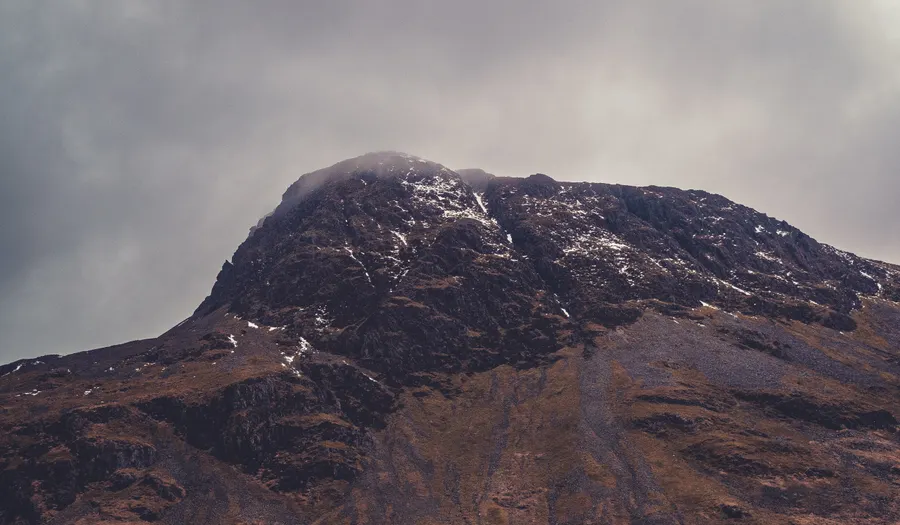
Rising to 1345 metres, Ben Nevis is the highest peak in the British Isles. Every year its ascent draws thousands of hikers towards a magnificent panorama. The town of Fort William, at its foot, is the gateway to the western Highlands. Neighbouring Glen Nevis offers waterfalls and valleys of peaceful beauty. It is paradise for lovers of the great outdoors and walking.
How many days, and which itinerary in Scotland?
A week lets you combine Edinburgh and the Highlands; ten days to two weeks to add islands such as Skye without rushing.
🗺️ Day-by-day Scotland itinerary · 📓 Printable Scotland travel guide (PDF) · 🌍 Discover all of United Kingdom
Edinburgh and around (3 days)
Two days for the capital, its castle, the Royal Mile and Arthur's Seat. The third explores the nearby countryside, between Stirling and the Firth of Forth.
Classic Highlands (7 days)
After two days in Edinburgh, head north to Loch Ness, Inverness and the Glenfinnan Viaduct. Continue to Fort William and Glencoe, returning via Loch Lomond.
Scotland and the Isle of Skye (10 days)
The classic Highlands plus three to four days on the Isle of Skye and its legendary landscapes. You alternate castles, hikes, distilleries and fishing villages.
How to get to Scotland and get around?
Hiring a car is strongly recommended to explore the Highlands and the scenic roads freely.
Trains link Edinburgh, Glasgow and Inverness efficiently, and the line to Mallaig is one of the most beautiful.
Long-distance coaches serve the big cities but remain limited in isolated rural areas.
On the Highlands' single-track roads, use the passing places and drive carefully on the left.
Where to stay in Scotland?
Hostels and B&Bs in rural areas or in Inverness, from €40 to €80 a night.
Charming hotels and guesthouses in Edinburgh, between €100 and €180 a night.
Historic hotels and lodges in the Highlands, from €180 to €320 a night.
Castles turned into luxury hotels, from €400 a night.
Our picks stop by stop, in three price ranges →
What to eat in Scotland?
Be brave and try haggis, the national dish made from offal and oats, served with neeps and tatties.
Savour Scottish smoked salmon and fresh seafood from the coasts and islands.
Warm up with a bowl of Cullen skink, a creamy smoked haddock soup.
Finish with a single malt whisky tasting at a distillery in the Highlands or Speyside.
Which kind of traveller is it for?
Scotland is ideal for nature, active pursuits and culture. Whether you travel as a couple, with friends or even with family, everyone can find their own pace. Accommodation is mostly standard hotels, lodges and boutique hotels.
Entry requirements & practical info
A passport is required. EU, US, Canadian and Australian visitors travel without a visa but must apply online for an Electronic Travel Authorisation before departure.
Rules change: before you leave, check your country's official travel advice.
Once there, to stay online without paying roaming charges, an Scotland eSIM activates in a few minutes and works as soon as you land (plans from €3.99). Remember suitable travel insurance too.
Frequently asked questions about Scotland
When is the best time to visit Scotland?
From May to September, the days are long and the weather milder, ideal for the Highlands. May and September avoid the peak of midges and crowds; winter offers dramatic moods but short days.
How many days should I spend in Scotland?
A week lets you combine Edinburgh and the Highlands; ten to fourteen days are recommended to add islands such as Skye and take your time.
What daily budget for Scotland?
Allow around €70 a day as a backpacker, €175 for a comfortable stay and over €350 for a premium experience in a castle hotel.
How do I get around Scotland?
A car is ideal for the Highlands and islands, trains link the big cities scenically, and buses fill out the network in more rural areas.
Which town should I stay in?
Edinburgh is the ideal base for a first visit, Inverness and Fort William serve as base camps for the Highlands, and Portree for exploring the Isle of Skye.
Similar destinations
 Countries
🇮🇪 Ireland
 City
🇮🇪 Galway and Connemara
 Countries
🇦🇹 Austria
 Region
🇫🇷 Béarn
 Countries
🇫🇷 France
 Region
🇮🇹 Sicily
 Countries
🇭🇷 Croatia
 City
🇮🇪 Donegal
 City
🇮🇪 The Ring of Kerry
 City