When to go to Colombia?
→ The detailed month-by-month page, with real weather records
Best time: December to March
At a glance
Why go to Colombia?
In a single generation, Colombia has traded its notorious image for that of the most vibrant destination in Latin America. It has everything, quite literally: Caribbean beaches, snowy Andean peaks, Amazon jungle, deserts and coffee valleys, all packed into one territory. This geographical diversity comes with an infectious human energy made of salsa, colour and a disarming welcome.
What strikes you first is the Colombians' zest for life, the alegría that turns any back street into a street show. Reinvented cities such as Medellín, once synonymous with violence and now a laboratory of urban innovation, embody this spectacular rebirth. Coffee, raised to an art of living, is savoured on fincas where you finally understand why the whole world loves it.
Travelling in Colombia also means being surprised at every stop by a country larger and more contrasting than you imagine. Between the golden ramparts of Cartagena and the red dunes of La Guajira, between the cool of Bogotá and the steamy heat of Tayrona, you are never bored. Security has improved markedly, opening up regions long closed to curious travellers.
Map of Colombia: what is where?
The map shows the 6 places covered in this guide, to picture the distances and plan your route.
- Cartagena
- Bogotá
- Medellín
- Salento
- Tayrona National Park
- Cabo de la Vela
How much does a trip to Colombia cost?
Colombia offers excellent value for money, with a moderate cost of living and lovely places at accessible prices.
| Style | Per day | What it covers |
|---|---|---|
| Backpacker | €30-45/day | Hostels, night buses and meals in markets or menús del día. |
| Comfort | €60-100/day | Charming hotels, a few domestic flights and good restaurants. |
| Premium | €180+/day | Upmarket hotels, private excursions and flights everywhere. |
Cards are accepted everywhere in the cities and cash machines are plentiful, but keep cash for rural areas and markets.
Is Colombia safe?
Colombia has made huge progress and tourist regions can now be visited with peace of mind, but vigilance is still called for. In town, follow the local rule of no dar papaya (don't tempt thieves) by not flashing valuables, especially at night. Some border and rural areas are still advised against, so check before any trip off the beaten track. Health-wise, antimalarials and the yellow fever vaccine are recommended for the Amazon and some tropical areas; tap water is fine to drink in Bogotá, but stick to bottled water elsewhere.
What to see and do in Colombia
- Cartagena
- Bogotá
- Medellín
- the coffee region
- Tayrona National Park
Cartagena de Indias
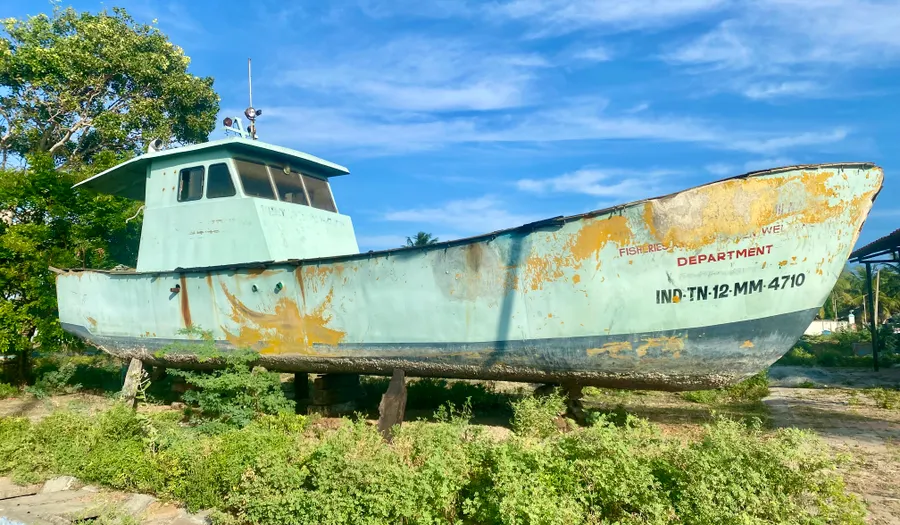
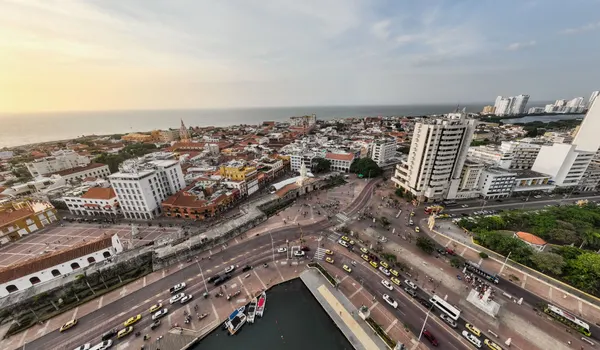
The colonial pearl of the Caribbean coast, Cartagena enchants with its walled old town, a UNESCO World Heritage Site. Its bougainvillea-draped lanes, wooden balconies and shady squares create a uniquely romantic setting. The bohemian Getsemaní district overflows with street art and lively bars. The nearby Rosario Islands beckon for a swim.
Bogotá 2 557 m
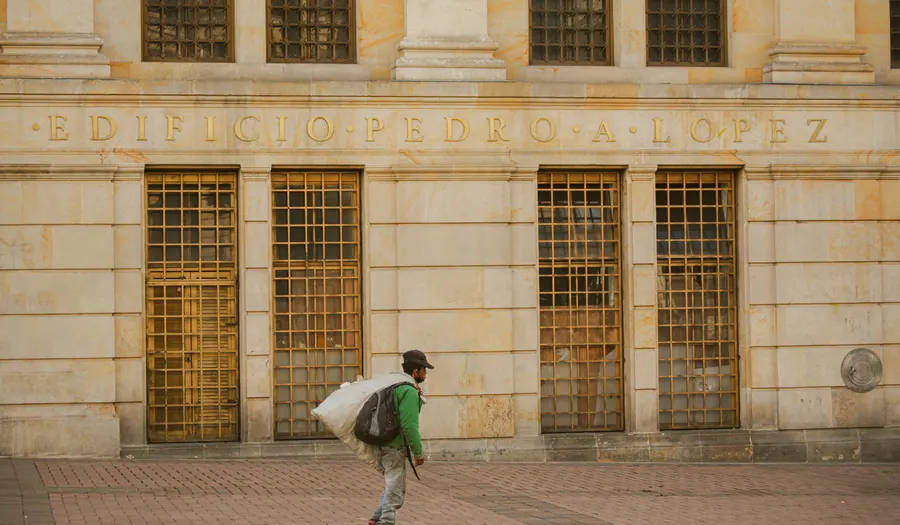
Perched at 2,600 metres, the capital surprises with its cultural buzz and food scene. The historic La Candelaria district packs in museums, murals and cafés, while the Gold Museum dazzles with its pre-Columbian treasures. The Monserrate funicular offers a dizzying view over the megacity. On Sundays, the ciclovía hands the avenues over to cyclists.
Medellín
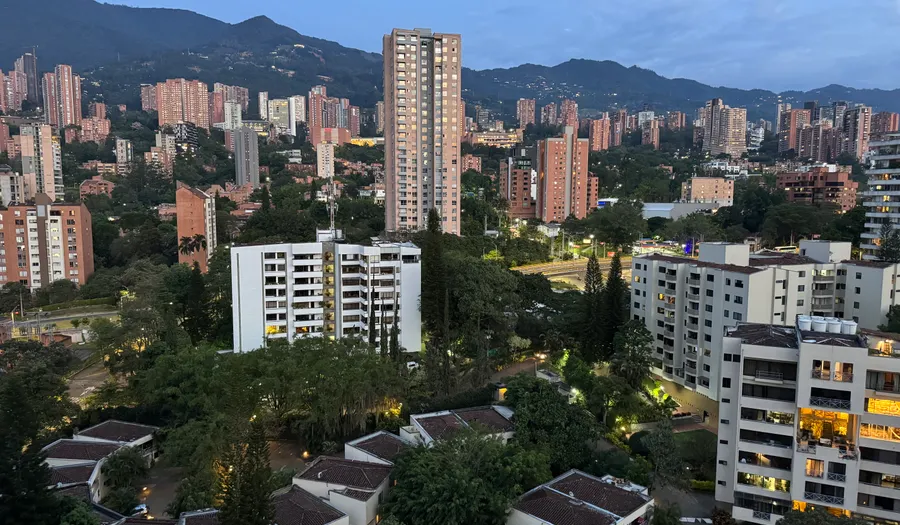
The city of eternal spring has become the symbol of Colombia's renewal. Its metrocables serving working-class neighbourhoods and Comuna 13, transformed into an open-air street-art gallery, embody a social transformation hailed worldwide. The mild climate all year round and the easy paisa way of life win over digital nomads and travellers alike. El Poblado's nightlife is renowned.
Coffee Region (Eje Cafetero)

UNESCO-listed, the coffee region rolls out green hills dotted with colourful fincas. You visit plantations to follow the bean from picking to cup, on foot or by Willys jeep. The Cocora valley and its giant wax palms, the national tree, make for a magical hike. Salento and Filandia are the most charming villages.
Tayrona National Park

On the Caribbean coast, Tayrona National Park pairs lush jungle with wild, boulder-strewn beaches. Trails lead to idyllic coves such as Cabo San Juan, where you sleep in a hammock facing the sea. Wildlife abounds, monkeys and iguanas included. Getting there means walking in humid heat, but the setting rewards the effort.
La Guajira Desert
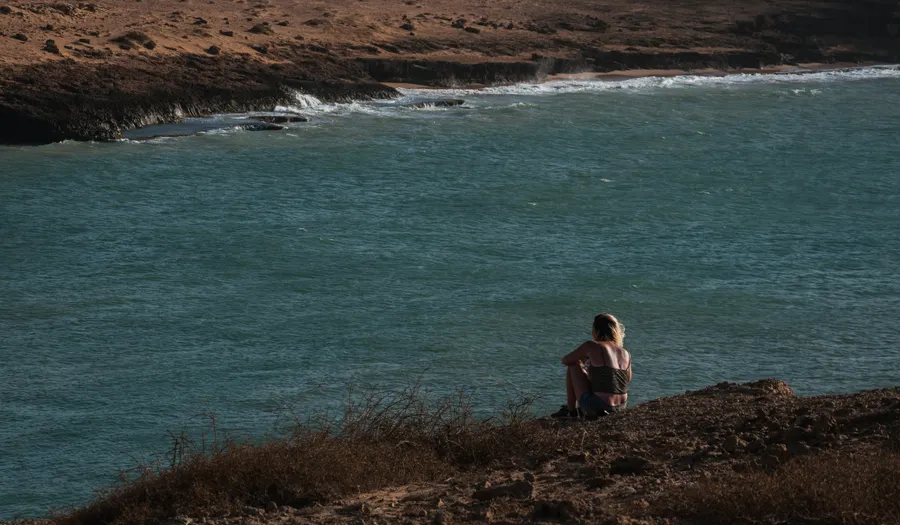
At the far northern tip of the continent, La Guajira reveals a striking desert where red dunes plunge into the Caribbean Sea. Cabo de la Vela and above all Punta Gallinas, the northernmost point of South America, offer end-of-the-world landscapes. You meet the Wayúu people and their colourful weaving. The trip is done by 4x4 over several days.
How many days, and which itinerary?
Three weeks let you combine the Caribbean coast, the coffee region and the big Andean cities without rushing.
🗺️ Day-by-day itinerary · 📓 Free printable Colombia guide (PDF)
Andean and Caribbean essentials (15 days)
Bogotá, Medellín, the coffee region, then Cartagena and Tayrona make a classic, complete sequence. You get a taste of the cities, coffee and beaches in one smooth trip.
Caribbean and northern adventure (10 days)
Cartagena, Tayrona, Santa Marta and La Guajira pack in the best of the coast. Ideal for those who favour beaches, jungle and spectacular desert landscapes.
Grand tour of Colombia (24 days)
From Bogotá to La Guajira via the Tatacoa desert and the Amazon, this route embraces the full diversity of the country. It takes time and a few domestic flights.
Getting there and getting around
Low-cost domestic flights (Avianca, Wingo, LATAM) are often essential given the distances and terrain, and remain affordable.
Long-distance buses, comfortable and frequent, link every city, but Andean journeys are long and winding.
In town, apps such as inDrive and official taxis are safer than hailing a cab in the street.
Medellín has an efficient metro and metrocables, the only such system in the country.
Where to stay in Colombia?
Lively youth hostels with dorms: €10 to €18 a night in the tourist towns.
Charming hotels and guesthouses, often boutique: €35 to €70 for a double room.
Fincas in the coffee region, for an immersion among the plantations: €40 to €90 a night depending on the standard.
Upmarket hotels in Cartagena or El Poblado: €120 to €300 a night.
Our places to stay, stop by stop, at three budgets →
What to eat in Colombia?
Bandeja paisa, a generous plate of beans, rice, meat, chorizo, egg and avocado, the emblem of Medellín.
Ajiaco, a chicken soup with three kinds of potato and guascas, Bogotá's comforting speciality.
Arepas, corn cakes in endless variations, and crisp empanadas sold everywhere.
Ceviche and fish in coconut on the Caribbean coast, washed down with a limonada de coco.
Entry requirements
No visa needed for stays of up to 90 days for EU, UK, US, Canadian and Australian passports, with proof of onward travel. Fill in the free Check-MIG form online between 72 hours and one hour before your flight.
Rules change: check your own government's travel advice before you go.
Cities and regions to discover
 City
City🇨🇴 Tayrona National Park
 City
City🇨🇴 Cartagena
Frequently asked questions about Colombia
When is the best time to go?
The dry seasons, from December to March and from July to August, are ideal for most regions. The climate varies more with altitude than with the month. The Caribbean coast stays hot all year round.
What daily budget should you plan for?
Allow €30 to €45 a day backpacking and €60 to €100 for mid-range comfort. Domestic flights and upmarket hotels can push the bill beyond €180.
Is Colombia dangerous?
The situation has improved markedly and the tourist regions can be visited with complete peace of mind. Stay careful in the big cities at night and avoid certain border areas, checking locally.
How do you get around the country?
Low-cost domestic flights are often the best option given the distances and mountainous terrain. Long-distance buses are comfortable but slow, and ride-hailing apps make getting around town easier.
Similar destinations
 Country
🇻🇳 Vietnam
 Region
🇲🇽 Chiapas
 City
City🇮🇩 Java
 Country
🇮🇪 Ireland
 Country
🇺🇸 The American West
 Region
🇧🇷 Northeast Brazil
 Country
🇦🇷 Argentina
 Country
🇬🇪 Georgia
 City
City🇬🇹 Lake Atitlán
 Region