When to go to Argentina?
→ The detailed month-by-month page, with real weather records
Best time: March to April and October to December
RecommendedFairNot recommended· afternoon temperature
When to go, region by region
Buenos Aires and the Pampas. Spring (October-November) and autumn (March-April) are ideal: mild days, with jacarandas in bloom in spring. Summer (December-February) is hot and muggy, and the city empties out in January; winter (June-August) stays mild but often grey.
Patagonia (El Calafate, El Chaltén, Ushuaia). This is the most demanding region: go from November to March, at the height of the southern summer, when the trails are open and the days seem endless. October and April are quieter but windy shoulder months; in winter, many places to stay and excursions close.
The Iguazú Falls and the subtropical North. Pleasant for much of the year. Avoid the height of summer (December-February), which is very hot and humid; winter (June-August) is mild and comfortable. The flow of the falls is generally most spectacular from autumn to early spring.
Mendoza and the Andes. Superb in autumn (March-April), when the vines turn red, and the grape harvest (the vendimia) livens up February-March. Spring is mild, summer hot but dry, and winter cool, with the Andean ski resorts close at hand.
The Northwest (Salta, Jujuy). Go in autumn and spring, which are drier. Summer is the rainy season, with roads sometimes cut off; winter is sunny by day but turns cold at night at altitude.
In short: if you combine Patagonia and the North in one trip, the most comfortable window for both is around November, then March, avoiding high summer.
At a glance
Why go to Argentina?
Argentina is a land of dizzying distances. From the tropics in the north, at Iguazú, to the glaciers of Patagonia in the far south, you cross nearly 4,000 kilometres and every climate going. You do not ‘visit’ Argentina in one go: you pick one or two pieces of it, and promise yourself you will come back.
It is also a matter of culture and food. Buenos Aires lives by night, between a tango milonga in San Telmo and an asado that goes on and on. Mendoza unrolls its Malbec vineyards at the foot of the Andes, the Northwest lines up its colourful mountains, and everywhere you find that Argentine sense of hospitality, generous and talkative.
Good news for your wallet: with a little planning, Argentina remains one of the most affordable big trips in South America, especially if you eat local, take night buses and book domestic flights ahead.
Map of Argentina: what is where?
The map shows the 7 places covered in this guide, to picture the distances and plan your route.
- Buenos Aires
- Iguazú Falls
- Salta
- Mendoza
- Perito Moreno Glacier
- El Chaltén (Fitz Roy)
- Ushuaia
How much does a trip to Argentina cost?
Argentina remains one of the most affordable big trips in South America, but two items weigh heavily: domestic flights and accommodation in Patagonia in high season. Here are ballpark figures per person per day, excluding the international flight.
| Style | Per day | What it covers |
|---|---|---|
| Backpacker | €35-50/day | Hostels and dorms, long-distance buses, street food and empanadas, few paid activities. |
| Comfort | €70-120/day | 3-star hotels, a few domestic flights, restaurants, key excursions (Perito Moreno, Iguazú). |
| Luxury | €200/day and up | Boutique hotels and estancias, domestic flights throughout, private excursions, top restaurants. |
Currency exchange is Argentina's classic trap: because of inflation, there has long been a parallel rate (the ‘dollar blue’) far more favourable than the official one. The situation changes fast, but the principle holds: check just before you leave, bring euros or dollars in cash and in good condition, and compare with paying by card. Western Union transfers collected on arrival have often offered an excellent rate. Pay for big expenses in cash when you can.
Is Argentina safe?
Argentina is generally safe for travellers, and Patagonia especially so: you can get around with peace of mind. Vigilance is mostly needed in the big cities, Buenos Aires first among them, where the main problem is pickpocketing and bag-snatching in tourist areas and crowded transport (Retiro, the microcentro, and La Boca, which you visit by day only and without straying from Caminito).
A few habits are enough: keep your bag and phone close, leave nothing on a café table, split up your money, and use official taxis or an app such as Cabify at night. Beware of the counterfeit-note scam and always check your change, especially when paying cash. Nothing to lose sleep over: with these common-sense precautions, the trip goes smoothly.
What to see and do in Argentina
- Buenos Aires
- the Perito Moreno Glacier
- the Iguazú Falls
- Patagonia and Ushuaia
- the Mendoza vineyards
The Perito Moreno Glacier

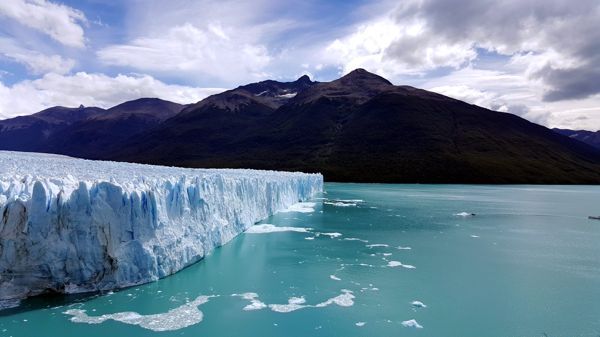
The star of Argentine Patagonia, long one of the few glaciers in the world in balance, in retreat since 2019: a five-kilometre face, thirty storeys high, and blocks of ice crashing into Lake Argentino with a thunderous roar. From El Calafate, you approach it along walkways, by boat or on a mini-trek across the ice.
The Iguazú Falls

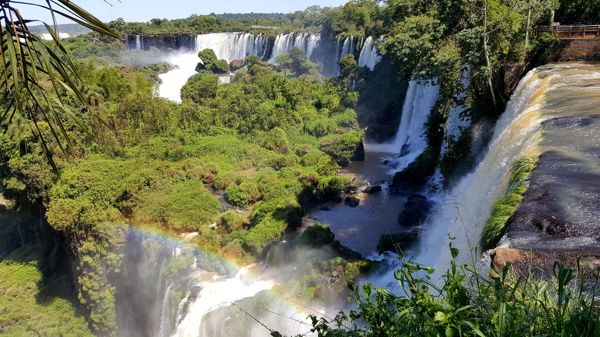
On the border with Brazil, 275 cascades in a curtain of UNESCO-listed jungle. On the Argentine side, the more immersive one, walkways lead to the dizzying Garganta del Diablo viewpoint, where the roar of the water drowns out every conversation. Allow a full day, and be ready to get soaked.
Buenos Aires

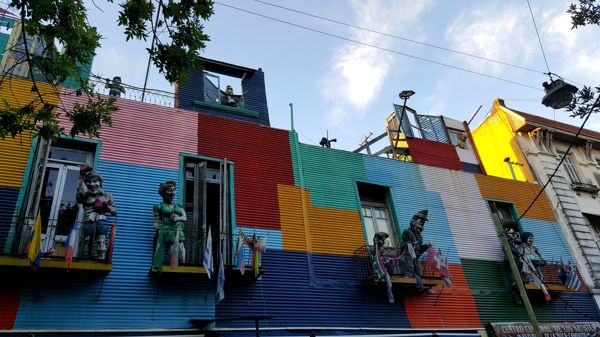
The capital reveals itself neighbourhood by neighbourhood: La Boca and its vividly coloured Caminito lane, San Telmo and its Sunday market, chic Recoleta, Palermo and its nightlife. In the evening, you are torn between a smoky parrilla and a tango show. Allow two to three days to soak it up.
Mendoza and the wine route

At the foot of the highest peaks in the Andes, Mendoza is the world capital of Malbec. You hop from bodega to bodega for tastings, by bike through the vineyards of Maipú or with a driver to the smarter estates of Luján de Cuyo and the Uco Valley, before a long food-and-wine lunch facing the mountains. It is also the starting point for trips to Aconcagua, the roof of the Americas (6,961 m), and for outdoor activities: rafting, horse riding, treks. The autumn light, when the vine leaves turn red and gold, is unforgettable.
Patagonia and Ushuaia
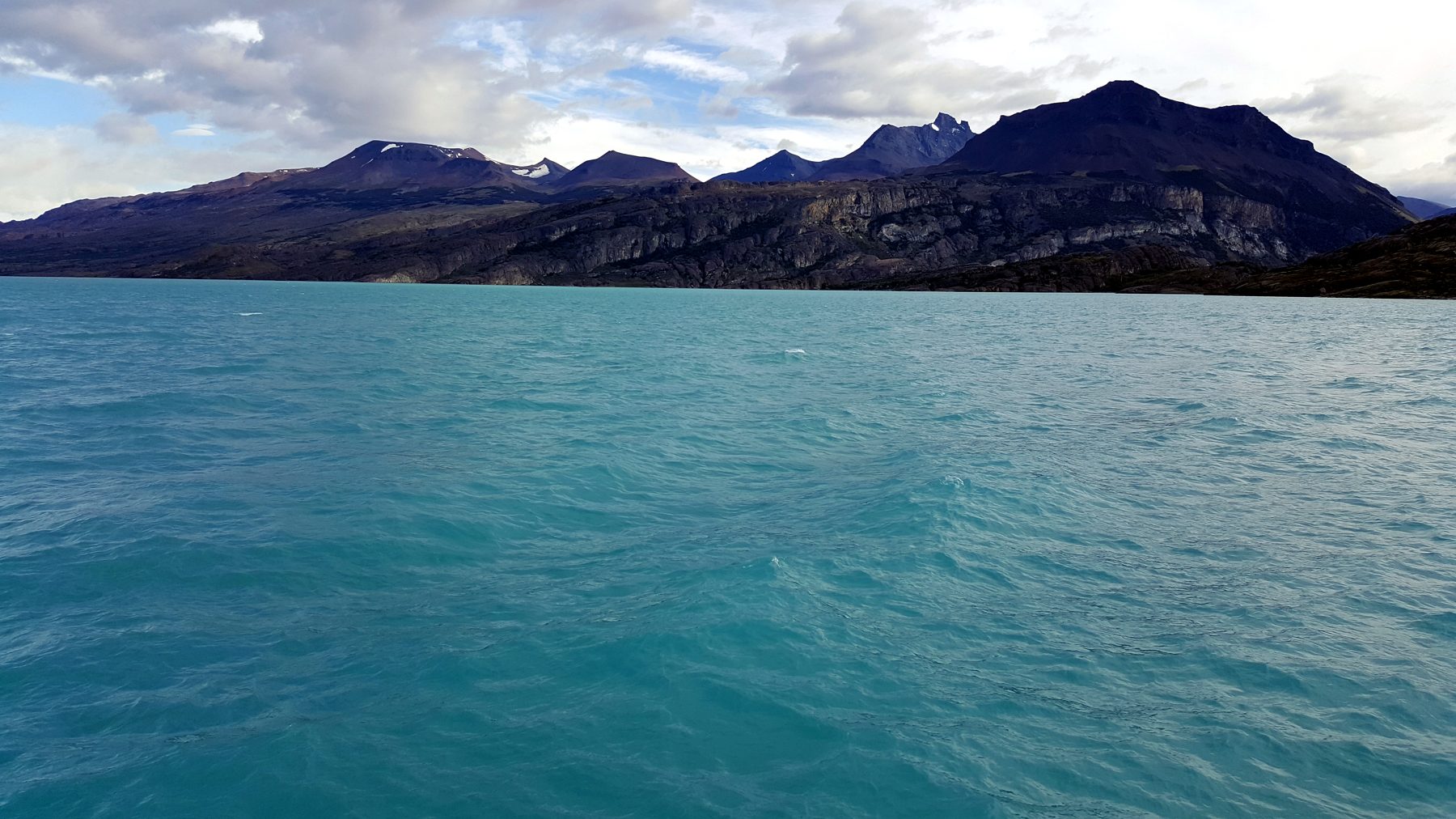
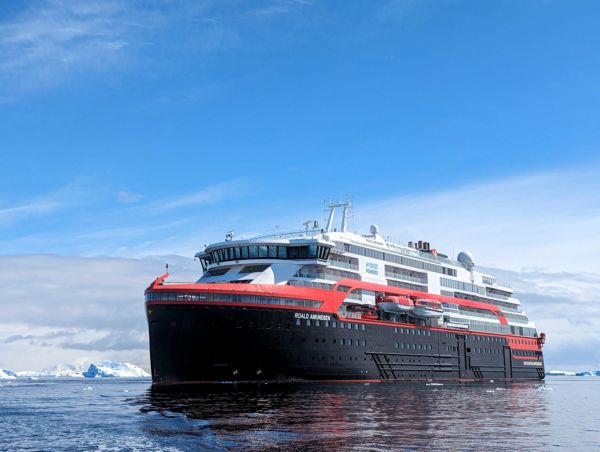
Argentina's deep south has to be earned, but what a reward. El Chaltén, the national trekking capital, puts the Fitz Roy massif within walking distance: the hike to Laguna de los Tres, a demanding day, pays off with one of the finest views in South America. El Calafate is the base for the Perito Moreno, and the estancias of the steppe offer a timeless interlude. At the very end, Ushuaia, ‘the city at the end of the world’, opens onto boat trips on the Beagle Channel, Tierra del Fuego National Park and, for a lucky few, expeditions to Antarctica. Between stops, the legendary Ruta 40 unrolls hundreds of kilometres of windswept steppe.
Salta and the Northwest

Less visited but striking, the Andean Northwest is a radical change of scene. The Quebrada de Humahuaca unfolds mountains streaked with colour, including the famous Hill of Seven Colours at Purmamarca; higher up lies the blinding white vastness of the Salinas Grandes. Salta ‘la Linda’ keeps a handsome colonial centre, and Cafayate produces torrontés, a fragrant high-altitude white wine. This is the region of the country's most celebrated empanadas and of an Andean heritage that is still very much alive.
Bariloche and the Lake District
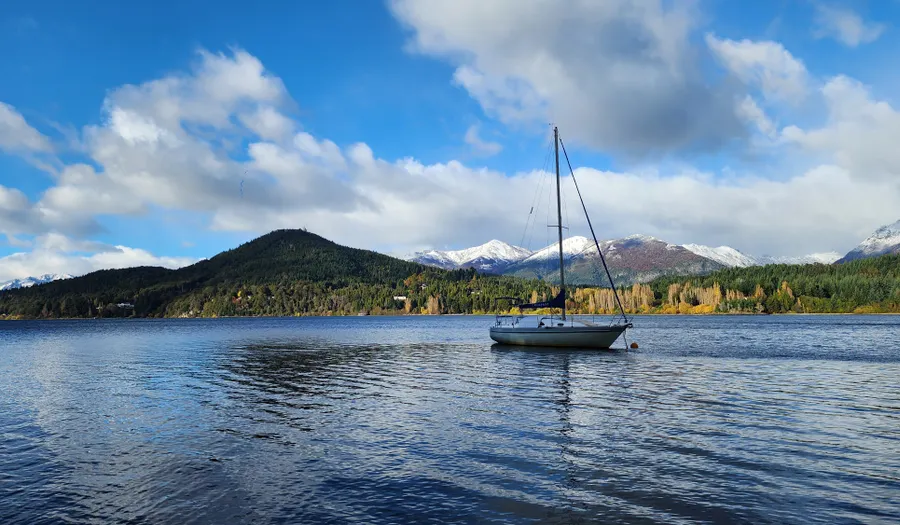
At the foot of the Andes, San Carlos de Bariloche opens onto a string of turquoise lakes, forests and peaks that recall Switzerland, only wilder. You savour handmade chocolate, drive the famous Seven Lakes Route to San Martín de los Andes, and ski at Cerro Catedral in winter. A gentle gateway to northern Patagonia.
The Valdés Peninsula and its whales
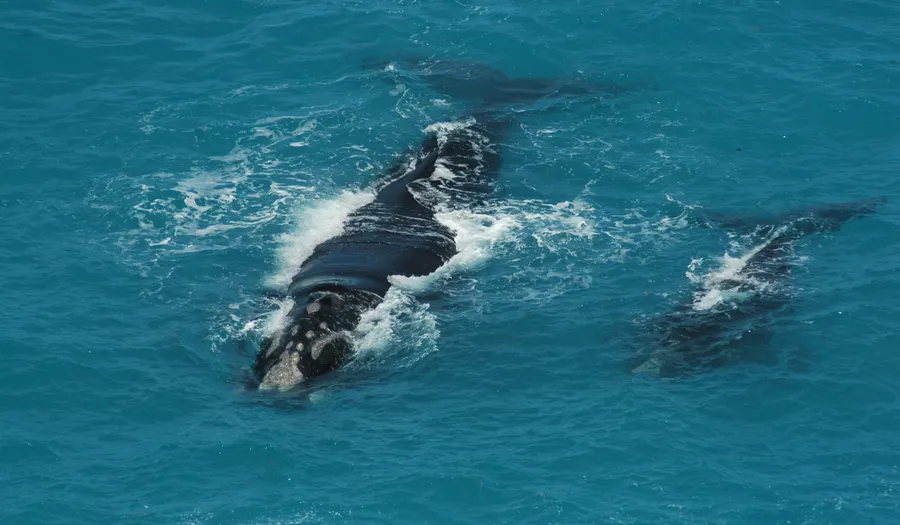
On the Atlantic coast, the UNESCO-listed Valdés Peninsula offers one of the finest wildlife spectacles in South America. From June to December, southern right whales come to calve in the gulf and can be watched from Puerto Madryn; the rest of the year it is the turn of Magellanic penguins, elephant seals, sea lions and, with a bit of luck, orcas hunting at the water's edge. A nature detour that is worth the trip in itself.
How many days, and which itinerary?
The right balance depends above all on your time and on the huge distances. With less than ten days, focus on a single region (most often Patagonia) to avoid spending the trip on planes. Here are three benchmark durations to adapt to your dates:
🗺️ Day-by-day itinerary · 📓 Free printable Argentina guide (PDF)
2 weeks
Two to three days in Buenos Aires to soak up the city (tango, parrilla, La Boca, Recoleta), then head south: fly to El Calafate and the Perito Moreno Glacier, then El Chaltén to hike at the foot of Fitz Roy, and perhaps a push on to Ushuaia. A first trip centred on the South, the most spectacular part.
3 weeks
The same foundation, enriched with two headline regions: the Iguazú Falls in the north (two nights, ideally seeing both sides) and Mendoza for the wine route and Andean scenery. It is the most complete and varied combination for anyone with three weeks.
1 month
The grand tour: Buenos Aires, Iguazú, the colourful Northwest (Salta, Purmamarca, Salinas Grandes), Mendoza and its vineyards, then the whole of Patagonia down to Tierra del Fuego. With time, you can cross the border into Chile for Torres del Paine. Plan on several domestic flights to cover the distances.
Getting there and getting around
International flights land at Ezeiza airport (EZE), an hour from the centre, while domestic flights leave mainly from the city airport, Aeroparque (AEP), which is far more central: a detail to plan for if you are connecting straight on to Patagonia.
Once there, flying is almost unavoidable: from Buenos Aires to El Calafate or Ushuaia is more than 2,000 kilometres. Aerolíneas Argentinas and the low-cost airlines (Flybondi, JetSmart) serve El Calafate, Ushuaia, Iguazú, Mendoza, Salta and Bariloche. Book several weeks ahead: prices rise fast and flights are often full in high season.
For tight budgets and lovers of scenery, the long-distance ‘cama’ and ‘semi-cama’ buses are comfortable (reclining seats, meals served) and very cheap, but journeys are long: Buenos Aires to Bariloche takes around twenty hours. Hiring a car makes real sense for exploring a specific region, such as the Mendoza wine route, the Quebrada de Humahuaca or Ruta 40. In the city, Buenos Aires is easy to get around by metro (the subte), bus and taxi or Cabify.
Where to stay in Argentina?
In Buenos Aires, choosing the neighbourhood matters as much as choosing the hotel. Palermo (Soho and Hollywood) is packed with boutique hotels, terraces and nightlife: perfect for a first visit. Recoleta plays the chic, quiet card, a stone's throw from the museums; San Telmo delights fans of a bohemian vibe and tango, especially around the Sunday market; Puerto Madero, modern and secure on the waterfront, appeals to families and business travellers alike.
In Patagonia, you sleep where you sightsee. El Calafate lines up hotels and cabañas for trips out to the Perito Moreno; El Chaltén, more rustic, is the hikers' base camp (book early, the village is tiny). For a memorable interlude, the estancias of the steppe offer a warm welcome and endless horizons, at a higher price. Ushuaia mainly has hotels in town and a few lodges with views over the Beagle Channel.
In Mendoza, sleeping among the vines, in a bodega hotel in the Uco Valley or Luján de Cuyo, turns the stay into an experience. Either way, book well ahead for high season (December to February and Argentine long weekends): in Patagonia above all, beds are limited and prices soar.
Our places to stay, stop by stop, at three budgets →
What to eat in Argentina?
Argentine food means, first and foremost, the asado: a long barbecue, often on a Sunday, where the meats parade past (tira de asado, bife de chorizo, chorizo, morcilla), seared over a wood fire on a parrilla. Beef, tender and affordable, is a true national religion; it comes with a glass of Malbec and a spoonful of chimichurri.
Day to day, people snack on empanadas (pastries filled with meat, cheese or corn) and milanesas (breaded escalopes), and anyone with a sweet tooth finds dulce de leche absolutely everywhere, from alfajores to ice cream, for Argentina worships artisan ice cream. As for drinks, mate, a bitter infusion shared through a bombilla, is a social ritual you will gladly be offered: accepting means becoming a little part of the family.
Entry requirements
Visa-free for 90 days for EU, UK, US, Canadian and Australian passports.
Rules change: check your own government's travel advice before you go.
Cities and regions to discover
 City
City🇦🇷 Iguazú Falls
 City
City🇦🇷 Buenos Aires
 City
City🇦🇷 El Calafate and the Perito Moreno Glacier
 City
City🇦🇷 Ushuaia
 Region
🇦🇷 Patagonia
Similar destinations
 Country
🇨🇳 China
 Country
🇵🇪 Peru
 Country
🇯🇵 Japan
 Country
🇺🇸 The American West
 Country
🇨🇴 Colombia
 Country
🇨🇱 Chile
 Region
🇲🇽 Chiapas
 City
City🇨🇦 Vancouver
 Region
🇫🇷 Béarn
 Country