When to go to Vancouver?
→ The detailed month-by-month page, with real weather records
Best time: June to September (dry season)
At a glance
Why go to Vancouver?
Vancouver sits on a tongue of land between the Pacific and the mountains of the North Shore, and that geography decides everything. From downtown, you can reach a beach in fifteen minutes on foot, a 400-hectare forest in twenty, a ski resort in forty minutes by car. The glass towers of the West End look out on peaks still capped with snow until June. The metro area is home to nearly 2.6 million people yet remains organised around the water, with twenty-seat ferries crossing False Creek like city buses.
It is also an Asian city of the Pacific. A good half of its residents come from immigrant backgrounds, many of them from mainland China, Hong Kong, Taiwan, India and the Philippines, and you can taste it. Dim sum in Richmond, hand-pulled noodles in Chinatown, night markets in summer, Japanese izakayas open until midnight on Robson Street. Sockeye salmon, Dungeness crab and Fanny Bay oysters round out the menu, often served a few hundred metres from the quay where they were landed.
Finally, the climate sets the calendar. From June to September the skies clear, the days last until 9.30pm at the solstice and it barely rains. The rest of the year, the city gets around 1,200 mm of rain, concentrated between November and March, under a low grey ceiling. That is no reason to avoid it in winter: snow falls on the three North Shore ski areas while downtown stays around 5°C, and half a day's skiing slips in neatly between two meals.
Map of Vancouver: what is where?
The map shows the 6 places covered in this guide, to picture the distances and plan your route.
- Stanley Park
- Granville Island
- Gastown
- Grouse Mountain
- Kitsilano Beach
- UBC Campus
How much does a trip to Vancouver cost?
Vancouver is the most expensive city in Canada for accommodation, and you feel it on the trip bill. The rest can be kept in check: public transport is cheap, the great natural sites are free, and Granville Island market lets you put together a full meal for the price of a restaurant starter.
| Style | Per day | What it covers |
|---|---|---|
| Backpacker | €90-130/day | Dorm or small hotel, transport on a Compass card, Granville Island market, free parks and beaches |
| Comfort | €170-240/day | Mid-range hotel in the West End, one paid attraction a day, neighbourhood restaurants, one day with a car |
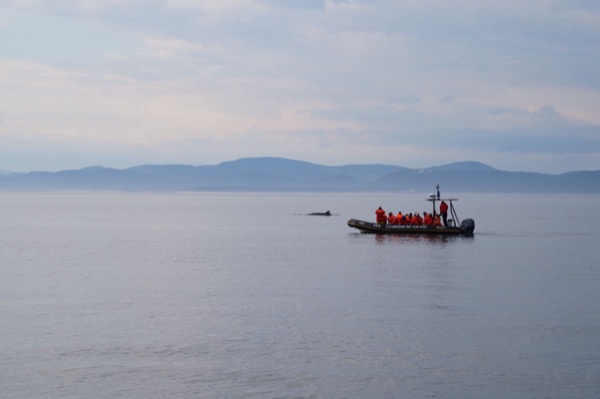
| Premium | €350+/day | Coal Harbour hotel, whale-watching trip, seaplane to Victoria and downtown restaurants |
Canadian dollars are easy to get from cash machines, with fees of 3 to 6 CAD per withdrawal depending on the bank. Cards are accepted everywhere, even for a coffee, and contactless payment is the norm. Budget for taxes added at the till and a 15 to 20% tip in restaurants, suggested by default on the card terminal.
Is Vancouver safe?
Vancouver is a safe city, including in the evening downtown, in the West End and in the beach districts. Two caveats, though. The Downtown Eastside, around East Hastings between Carrall and Main, is the centre of an open drug and homelessness crisis: walking through by day is not a problem, but it is best not to linger there at night. Thefts from parked cars are common, including at North Shore trailheads, so leave nothing visible inside. On hikes, the forest begins at the edge of the housing estates: black bears and cougars are present, so make noise, stay in a group and keep food sealed. Finally, the water stays cold all year, around 18°C in August, and currents are strong in the Strait of Georgia.
What to see and do in Vancouver
- Stanley Park and its seawall
- Granville Island Public Market
- Capilano Suspension Bridge
- Grouse Mountain
- Gastown and its steam clock
- UBC Museum of Anthropology
- Kitsilano Beach
- Dr. Sun Yat-Sen Classical Chinese Garden
Stanley Park

Four hundred hectares of temperate forest at the tip of downtown, ringed by an 8.8 km seawall open to walkers and to cyclists in one direction. Here you will find the totem poles of Brockton Point, an aquarium, two beaches and a lake where herons nest. The giant trees of the Seven Sisters area top 60 metres. The storm of December 2006 felled thousands of trunks, since replaced by plantings visible along the inland trails. Allow three hours on foot for the full loop, one hour by bike.
Granville Island

An industrial peninsula in False Creek transformed in 1979 into a covered market, artists' studios and theatres, without ever driving out the cement plant that still operates at the end of the street. The public market brings together some fifty stalls of British Columbia produce, from smoked salmon to berries from the Fraser Valley. Around it, a brewery, a kids' market and a kayak workshop occupy the old sheds. The Aquabus and False Creek Ferries link it to downtown in three minutes, roughly every ten minutes.
Gastown and Chinatown

Two neighbouring districts that tell the story of the city's beginnings. Gastown lines up its cobbles, cast-iron street lamps and brick warehouses from 1886, with the steam clock that whistles every quarter of an hour. Chinatown, one of the oldest in North America, keeps its clan associations, its herbalists and the Dr. Sun Yat-Sen Classical Chinese Garden, built in 1986 by craftsmen from Suzhou. Between the two, the Downtown Eastside concentrates the city's social problems: cross it by day and by the direct route.
Grouse Mountain and the North Shore

Across the inlet, North Vancouver and West Vancouver back their houses onto the forest. Grouse Mountain rises to 1,231 metres and can be climbed by cable car or via the Grouse Grind, a natural staircase of 2,830 steps. Further east, Lynn Canyon Park offers a free suspension bridge and pools of clear water, less developed than Capilano. The SeaBus takes twelve minutes from Waterfront and drops you at Lonsdale Quay Market, which puts the whole North Shore within reach without a car.
Kitsilano and the western beaches

South of False Creek, a string of sandy beaches looks out over downtown and the mountains. Kitsilano Beach leads the way with the largest saltwater pool in Canada, 137 metres long. Then come Jericho, Locarno and Spanish Banks, wider and quieter, where low tide uncovers hundreds of metres of firm sand. Behind them, West 4th Avenue strings together cafés, outdoor gear shops and colourful wooden houses. Sunset over the tankers at anchor is the evening show.
The UBC campus

At the western tip of the peninsula, the University of British Columbia occupies a wooded campus of more than 400 hectares. The Museum of Anthropology, designed by Arthur Erickson, displays totem poles of the coastal First Nations in a glass hall that opens onto the sea. The botanical garden and the Nitobe Japanese Garden are a few minutes' walk away. Below, Pacific Spirit forest runs down to the beaches, including Wreck Beach and its 500 steps, the country's only official naturist beach.
How many days, and which itinerary?
Three days are enough for downtown, Stanley Park, Granville Island and one North Shore mountain. Five to six days let you add the western beaches, the UBC campus and an escape to Whistler or Vancouver Island without rushing the driving.
🗺️ Day-by-day itinerary · 📓 Free printable Vancouver guide (PDF) · 🌍 All of Canada
Vancouver in 3 days
Day 1: Gastown first thing, Chinatown and the Ming garden, then the Stanley Park seawall by bike in the late afternoon. Day 2: Aquabus to Granville Island in the morning, market and workshops, then across to Kitsilano for sunset on the beach. Day 3: SeaBus to Lonsdale Quay, then Capilano or Grouse Mountain depending on the weather, returning via the quay market for dinner. Three days without a car, all done by public transport and on foot.
A week of city and mountains
The three-day base, plus a day on the UBC campus and its beaches, a day in Whistler via the scenic Sea to Sky Highway, two hours' drive, and a whale-watching trip from Granville Island between May and October. Keep half a day for Deep Cove and its walk to Quarry Rock, thirty minutes from downtown. A car becomes useful from day five, not before.
Vancouver and Vancouver Island in 10 days
Four nights in Vancouver, then the BC Ferries crossing from Tsawwassen to Swartz Bay, 1h35 through the Gulf Islands. Three nights in Victoria for Butchart Gardens and the south coast, two nights in Tofino on the Pacific side for the beaches of Long Beach and the rainforest. Return on the ferry from Nanaimo to Horseshoe Bay. Book crossings ahead in summer, as car spaces go fast at weekends.
Getting there and getting around
The SkyTrain's Canada Line links the airport to Waterfront station in 26 minutes, about €6 with the airport surcharge. The network combines three driverless lines, buses and the SeaBus, with the rechargeable Compass card on sale at every station.
The SeaBus crosses the harbour to Lonsdale Quay in twelve minutes, with a departure every ten to fifteen minutes during the day. It counts as an ordinary bus journey and opens up the whole North Shore with no car and no bridge to cross.
The little Aquabus and False Creek Ferries boats serve Granville Island, Yaletown and the maritime museum, about €5 a crossing. They are twenty-seat boats, handy and quick when the Granville Bridge is jammed.
A car is only useful for Whistler, the Fraser Valley or the ferries. Allow €50-80 a day, paid parking everywhere downtown and bridges clogged at rush hour, southbound in the morning and northbound in the evening.
Where to stay in Vancouver?
Youth hostels and shared rooms downtown: €40-60 a night in a dorm, around Granville Street and in the West End. They are often fully booked in July and August, so reserve several weeks ahead.
Mid-range hotels downtown and in the West End: €120-180 a night outside summer, double that in July and August when the cruise ships call. The West End remains the best compromise, within walking distance of Stanley Park and the beaches.
Furnished apartments in Kitsilano, Mount Pleasant and Yaletown: €130-200 a night, with a kitchen, which matters given restaurant prices. Short-term rentals are regulated in British Columbia, so check the listing's registration number.
Luxury hotels in Coal Harbour and the business district: €300-600 a night. On top of the listed rates come around 8% accommodation tax and 5% federal tax, never included in the advertised price.
Our places to stay, stop by stop, at three budgets →
What to eat in Vancouver?
Salmon dominates the menus, sockeye grilled on a cedar plank or served raw as sashimi. Allow €25-40 a dish in a downtown fish restaurant, less at a Granville Island counter for halibut fish and chips.
Chinese food is all about Richmond, across the river, where the dim sum halls start serving at 10am at weekends. Three or four baskets per person, around €20, and a thirty-minute queue without a booking.
The Japanese izakayas of the West End and the Korean counters of Robson Street open late and keep prices moderate, €15-25 a meal. The city also has a food truck scene set up around Burrard and the central library.
Listed prices include neither taxes nor service. Add 5 to 12% depending on the item, then a 15 to 20% tip suggested by default on the card terminal, which pushes a bill up by nearly a quarter compared with the menu. Alcohol is taxed separately and stays expensive in restaurants.
Entry requirements
No visa for EU, UK and Australian passports for visits of up to six months, but you need an eTA (an electronic travel authorisation, applied for online) to arrive by air. US citizens need neither a visa nor an eTA.
Rules change: check your own government's travel advice before you go.
Frequently asked questions about Vancouver
When is the best time to go?
From June to September, when the skies clear and the days stretch until 9.30pm at the solstice. July and August are the driest months, with 22 to 24°C in the afternoon and peak crowds. December to March suits skiing on the North Shore, but it rains a lot in the city and the light fades around 4.30pm.
How many days should I plan there?
Three full days cover downtown, Stanley Park, Granville Island and one North Shore mountain. Five to six days add the western beaches, the UBC campus and an escape to Whistler. Beyond that, it makes more sense to carry on to Vancouver Island or the Rockies than to stay in the city.
Can you visit Vancouver without a car?
Yes, with no difficulty. The SkyTrain links the airport to downtown in 26 minutes, the SeaBus reaches the North Shore in twelve minutes, buses run up to Capilano and UBC, and the Aquabus ferries cross False Creek. A car only becomes useful for Whistler, the Fraser Valley or the big parks.
Is Vancouver an expensive city?
For accommodation, yes: it is the biggest expense, with mid-range hotels at around €150 a night outside summer and double that in July. The rest is reasonable, between cheap public transport, free natural sites and market meals. Remember taxes and tips, never included in the listed price.
Similar destinations
 Region
🇫🇷 Guadeloupe
 Region
🇫🇷 Martinique
 Region
🇮🇹 Sicily
 Country
🇭🇷 Croatia
 City
City🇮🇪 Galway and Connemara
 City
City🇿🇦 Cape Town
 Country
🇺🇸 The American West
 Country
🇲🇽 Mexico
 Region
🇧🇷 Northeast Brazil
 City
City