When to go to Canada?
→ The detailed month-by-month page, with real weather records
Best time: June to October and December to March (winter)
At a glance
Why go to Canada?
Canada plays the card of quiet immensity. The second-largest country in the world, it unrolls endless forests, turquoise lakes, icy mountains and a misty Pacific coast, all inhabited by wildlife you really do encounter: bears, moose, whales. This ever-present nature is experienced without aggression, with infrastructure that makes adventure accessible.
The country cultivates a dual personality that is part of its charm. In the east, French-speaking Quebec and the Atlantic provinces have a European soul, with old stone and a lilting accent; in the west, Vancouver and the Rockies breathe fresh air and the outdoor spirit. In between, cosmopolitan cities such as Toronto bring the whole world together in a remarkably smooth coexistence.
And then there is the welcome, that famous Canadian politeness and openness which is no cliché. You quickly feel at ease, whether in a sugar shack, at a street festival or in a mountain hut. The seasons are clear-cut: bright summers, blazing autumns and fairytale winters that turn the country into a snowy playground.
Map of Canada: what is where?
The map shows the 6 places covered in this guide, to picture the distances and plan your route.
- Lake Louise (Banff)
- Quebec City (Old Quebec)
- Vancouver
- Niagara Falls
- Toronto
- Montreal
How much does a trip to Canada cost?
Canada's cost of living is close to that of Western Europe, with taxes added to displayed prices and the customary tip on top.
| Style | Per day | What it covers |
|---|---|---|
| Backpacker | €60-90/day | hostel, self-catering, public transport and free nature activities |
| Comfort | €150-230/day | mid-range hotel, restaurants, car hire and excursions |
| Premium | €300+/day | mountain lodges, whale watching, guided experiences and fine dining |
The Canadian dollar is the currency; cards are accepted everywhere and a tip (15 to 20%) is added to bills and taxi fares.
Is Canada safe?
Canada is one of the safest countries in the world, with low crime and a welcoming population. The main challenges are climatic: harsh winters requiring proper gear, and wild nature where you must follow the advice on bears (food stored away, noise on hikes). No vaccinations are compulsory, but medical care is very expensive for visitors: solid travel insurance is essential. The emergency number is 911.
What to see and do in Canada
- the Rockies and Lake Louise
- Niagara Falls
- Vancouver
- the maples in autumn
- whale watching
The Rockies (Banff and Jasper)

The mountains of Alberta hold lakes of an unreal blue, such as Lake Louise and Moraine Lake, framed by snowy peaks. The Icefields Parkway links Banff to Jasper through grandiose panoramas and accessible glaciers. You hike, watch elk and bears, and soak in hot springs. Every bend demands a photo stop, so dazzling is the scenery.
Quebec City and its old town

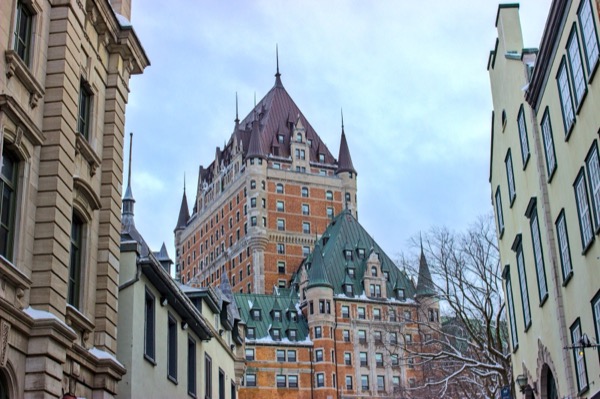
The capital of La Belle Province spreads its ramparts, cobbled lanes and Château Frontenac above the St Lawrence. The only fortified city in North America, it breathes history and the French language. You stroll through Petit-Champlain, savour a poutine and soak up the Carnival in winter. Nearby, Montmorency Falls are taller than Niagara.
Vancouver

Nestled between ocean and mountains, this Pacific coast city offers an enviable quality of life. You cycle around Stanley Park, cross the Capilano suspension bridge and explore the historic Gastown district. Whistler and its ski slopes are two hours' drive away. Multicultural and relaxed, Vancouver is also a gateway to Vancouver Island and its whales.
Niagara Falls
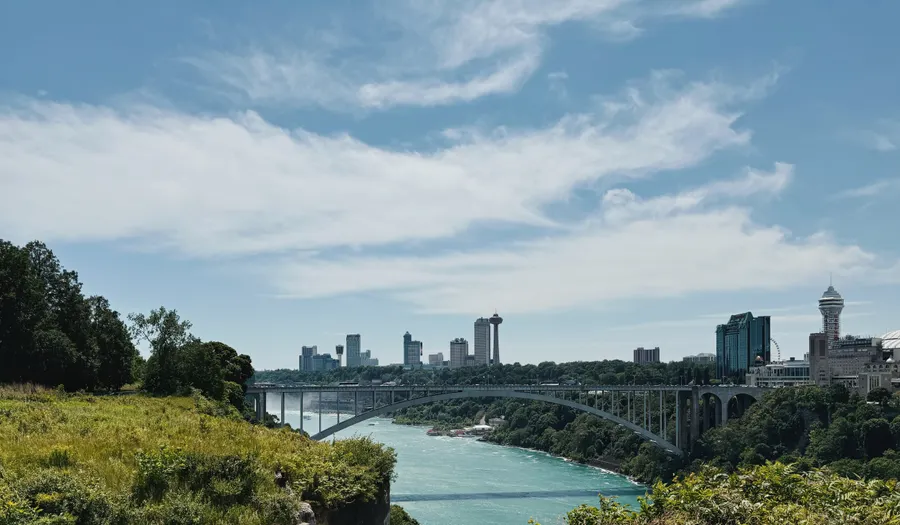
On the border with the United States, this colossal curtain of water impresses more by its flow than its height. The Hornblower boat gets as close as possible to the Horseshoe Falls, amid the spray and the roar. The tourist area around it is very commercial, but the natural spectacle remains striking, especially when lit up at night. It is an easy day trip from Toronto.
Toronto
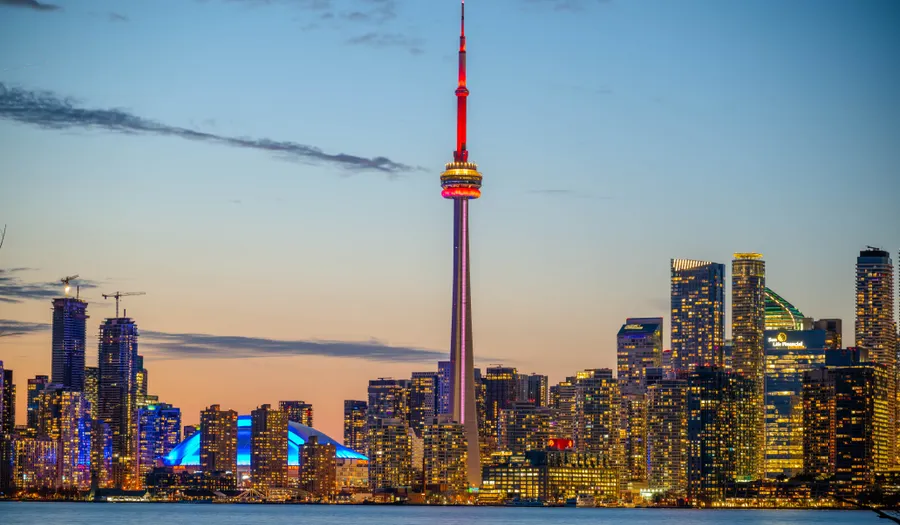
The country's largest city cultivates a dizzying diversity, neighbourhood by neighbourhood, from Kensington Market to Chinatown. You ride up the CN Tower to look down over Lake Ontario, walk the redeveloped waterfront and dip into the food and art scenes. It is a concentrate of multicultural, urban Canada. It also makes an ideal base for trips to Niagara and the lakes region.
Montreal

A buzzing French-speaking metropolis, Montreal blends European heritage with North American creativity. You explore cobbled Old Montreal, climb Mount Royal and dive into neighbourhood life on the Plateau. The city moves to the rhythm of its festivals, notably the Jazz Festival in summer. Its food scene, from bagels to smoked meat, delights food lovers at any hour.
How many days, and which itinerary?
Two to three weeks let you explore one region in depth, the French-speaking east or the mountainous west, without trying to see everything.
🗺️ Day-by-day itinerary · 📓 Free printable Canada guide (PDF)
Eastern Canada (10 days)
Montreal, Quebec City and its surroundings, then Toronto and Niagara Falls. An itinerary that mixes French-speaking culture, big cities and nature, by car or by train.
The West and the Rockies (12 days)
Vancouver and Vancouver Island, then a flight or a long drive to Calgary, Banff and Jasper. The great outdoors of the West, between ocean and mountains, in a hire car.
Quebec in autumn (7 days)
Montreal, Quebec City, Charlevoix and the Gaspé Peninsula to enjoy the blazing colours of the Indian summer. A short, intense circuit at the most photogenic time of year.
Getting there and getting around
The country is huge: flying (Air Canada, WestJet) is essential for linking east and west, and should be booked in advance.
A hire car is king for the Rockies, the Gaspé Peninsula or Vancouver Island; driving is on the right and the roads are in good condition.
In the big cities, public transport is reliable (metro in Montreal and Toronto, SkyTrain in Vancouver).
VIA Rail trains offer scenic but slow and expensive journeys; take them for the experience rather than for efficiency.
Where to stay in Canada?
Youth hostels: €30 to €50 a night in a dorm, found in the cities and near the national parks.
Motels and budget hotels: €80 to €130 a room, practical on long road trips.
Mid-range hotels and B&Bs: €120 to €220 a night, more in Banff and the mountain resorts in high season.
Chalets and rentals: from €100 a night, perfect for nature breaks with family or friends.
Our places to stay, stop by stop, at three budgets →
What to eat in Canada?
Poutine (fries, cheese curds and brown gravy) is the national dish to try in Quebec, in its classic or reinvented form.
Do not miss maple syrup in all its forms, ideally at a sugar shack in spring.
In Montreal, tuck into smoked meat on rye and a wood-fired bagel, cult local specialities.
On the coasts, feast on Pacific salmon, Atlantic lobster and fresh seafood.
Entry requirements
No visa for EU, UK and Australian passports for visits of up to six months, but you need an eTA (an electronic travel authorisation, applied for online) to arrive by air. US citizens need neither a visa nor an eTA.
Rules change: check your own government's travel advice before you go.
Cities and regions to discover
 City
City🇨🇦 Montreal and Quebec City
 City
City🇨🇦 Vancouver
Frequently asked questions about Canada
When is the best time to go?
Summer (June to August) for the Rockies and the big cities, and autumn (late September to mid-October) for the Indian summer and its colours in Quebec. Winter appeals to skiers and lovers of snowy landscapes, but it is very cold.
What daily budget should I plan for?
Allow €60 to €90 a day travelling on a small budget and €150 to €230 for a comfortable stay. Do not forget to add taxes and tips, which are often left out of displayed prices.
Can you speak French in Canada?
Yes, widely in Quebec, where French is the official language, and in parts of New Brunswick. Elsewhere English dominates, but you will often find a French-speaking welcome in tourist areas.
How do I travel between east and west?
Flying is the most realistic option given the distances (five hours in the air from one ocean to the other). Once there, a hire car remains your best ally for exploring the parks and nature freely.
Similar destinations
 City
City🇮🇪 Galway and Connemara
 Country
🇧🇷 Brazil
 City
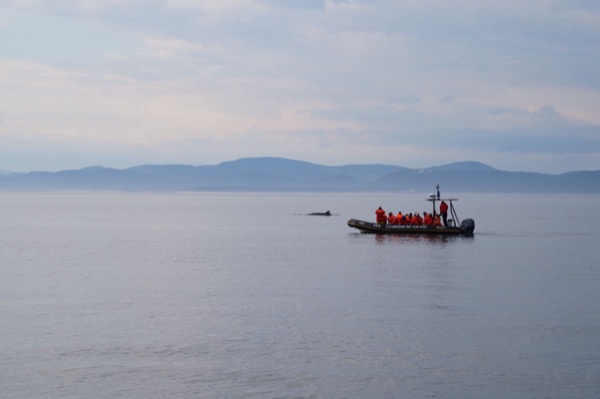
City🇨🇦 Charlevoix and Tadoussac
 Country
🇨🇷 Costa Rica
 City
City🇨🇴 Tayrona National Park
 City
City🇯🇵 Hokkaido
 City
City🇲🇽 Tulum
 Region
🇫🇷 The French Basque Country
 Country
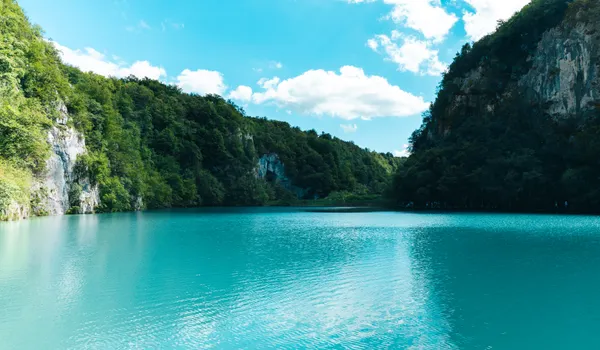
🇭🇷 Croatia
 Country