When to go to Chile?
→ The detailed month-by-month page, with real weather records
Best time: October to March (southern summer)
At a glance
Why go to Chile?
Chile is a geography lesson all by itself: a ribbon of land more than 4,000 kilometres long, squeezed between the Pacific Ocean and the Andes. You go from the driest desert on the planet to the glaciers of Patagonia, passing vineyards, volcanoes and rainforests on the way. Few countries let you change climate in a single trip the way you turn a page.
Here, nature does nothing by halves. The El Tatio geysers spit their plumes at dawn, the granite towers of Torres del Paine pierce the sky, and the Atacama nights are among the starriest in the world. Chile is lived in the open air, camera in hand and slightly out of breath.
Beyond the landscapes lies a warm and refined culture. Santiago buzzes with its bohemian neighbourhoods, Valparaíso stacks its colourful houses on the hills, and everywhere the pisco sour flows at aperitif time. You leave feeling you have glimpsed a country that is discreet yet immense.
Map of Chile: what is where?
The map shows the 6 places covered in this guide, to picture the distances and plan your route.
- Atacama Desert
- Torres del Paine
- Santiago
- Valparaíso
- Easter Island
- Chiloé
How much does a trip to Chile cost?
Chile is the most expensive country in South America, especially in the far south and the Atacama. Leave some margin for domestic flights and excursions.
| Style | Per day | What it covers |
|---|---|---|
| Backpacker | €40-55/day | Dorm, night buses, market meals and street empanadas. |
| Comfort | €80-130/day | Double room, a few domestic flights, restaurants and guided excursions. |
| Premium | €180+/day | All-inclusive lodges in the Atacama or Patagonia and private transfers. |
The Chilean peso is the local currency; cards are accepted everywhere in town, but keep cash in the desert and the south.
Is Chile safe?
Chile is one of the safest countries in South America, but pickpocketing affects Santiago and Valparaíso, notably on public transport and at tourist sites. Keep an eye on your belongings and avoid flashing valuables. At altitude in the Atacama, take time to acclimatise to avoid altitude sickness. No vaccinations are compulsory, but good travel insurance covering evacuation is recommended in Patagonia.
What to see and do in Chile
- the Atacama Desert
- Torres del Paine
- Easter Island
- Santiago
- Valparaíso
Atacama Desert
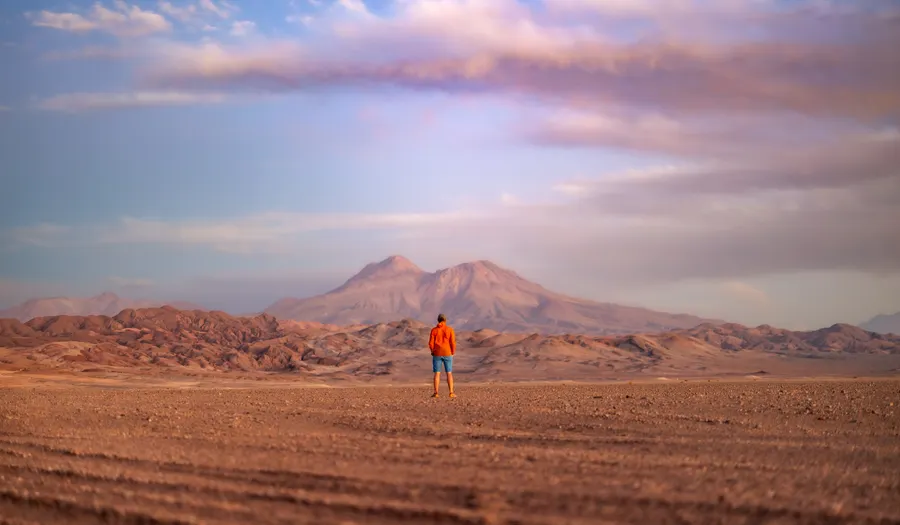
The driest desert in the world is explored from San Pedro, a dusty, lively oasis. At sunrise, the El Tatio geysers bubble at 4,300 metres above sea level. The Valley of the Moon serves up lunar landscapes tinged with ochre at sunset. Its crystal-clear nights make it one of the best stargazing spots on the planet.
Torres del Paine

This Patagonian national park is the jewel of southern Chile. Its three granite towers loom over turquoise lakes and hanging glaciers. The W trek, over four to five days, reveals its finest panoramas. You will meet guanacos, condors and, with luck, the odd puma.
Santiago

The capital sprawls at the foot of the snowy Andes, always visible on clear days. The Bellavista district mixes street art, bars and the house of the poet Pablo Neruda. From Cerro San Cristóbal, the view takes in the whole city. Markets such as La Vega overflow with fruit and fresh fish.
Valparaíso
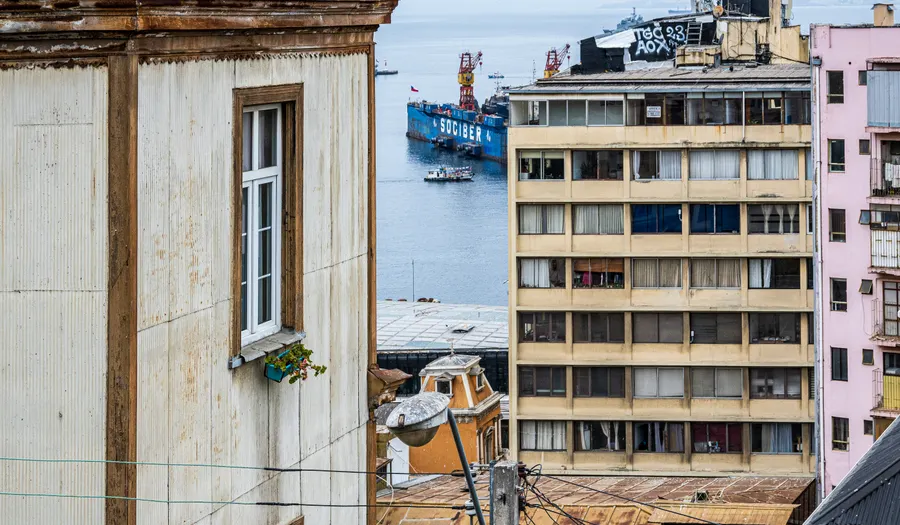
This bohemian port is a labyrinth of hills linked by creaking old funiculars. Façades are smothered in murals, in an explosion of colour. You climb the cerros on foot, following stairways and lanes. In the evening, the bars on Cerro Concepción offer a bird's-eye view over the bay.
Easter Island

Lost 3,700 kilometres off the coast, Rapa Nui fascinates with its moai, giant statues facing inland. The site of Ahu Tongariki lines up fifteen of them against the Pacific. The Rano Raraku quarry still holds dozens of unfinished statues. The atmosphere is unique, part mystery, part end of the world.
Chiloé

This southern archipelago nurtures an identity all its own, wrapped in mist and legend. Its wooden churches, UNESCO-listed, stand at the water's edge. Palafitos, colourful houses on stilts, line the channels of Castro. Local cooking revolves around curanto, a seafood feast cooked underground.
How many days, and which itinerary?
Allow at least two to three weeks to link the Atacama Desert in the north and Patagonia in the south without rushing.
🗺️ Day-by-day itinerary · 📓 Free printable Chile guide (PDF)
North and centre (10 days)
Two days in Santiago and Valparaíso, then a flight to the Atacama for three nights in San Pedro. Finish with the Casablanca valley and its vineyards before heading home.
Grand north-south tour (21 days)
Santiago, Valparaíso and the Atacama Desert follow one after the other, then the Lake District and Chiloé. The trip ends with a week in Patagonia around Torres del Paine.
Intense Patagonia (12 days)
Fly to Punta Arenas, then use Puerto Natales as base camp. Five days of trekking in Torres del Paine, before a trip to Grey Glacier and the journey home.
Getting there and getting around
Flying is unavoidable given the distances: LATAM and Sky link Santiago to Calama, Punta Arenas and Easter Island.
Long-distance buses are comfortable and reliable, with reclining seats for overnight journeys.
Car hire is ideal in the Atacama Desert and the Lake District, but distances remain long.
In Santiago, the modern, clean metro efficiently serves the main districts.
Where to stay in Chile?
Hostels: €15 to €30 a night in a dorm, more in the touristy south.
Charming hotels and guesthouses: €50 to €100 for a double room, often with breakfast.
Exceptional lodges in the Atacama or Patagonia: €200 and well beyond, all inclusive.
Refugios and campsites in Torres del Paine: from €15 a pitch to €80 for a refugio bed, to book well in advance.
Our places to stay, stop by stop, at three budgets →
What to eat in Chile?
Empanada de pino, a pastry filled with minced beef, egg and olive, a lunchtime staple.
Pastel de choclo, a sweetcorn bake topping a filling of meat and chicken.
Seafood from the coast: machas, conger eel, ceviche and curanto in the south.
Pisco sour, the national cocktail made with grape brandy, lime and egg white.
Entry requirements
Visa-free for 90 days for EU, UK, US, Canadian and Australian passports.
Rules change: check your own government's travel advice before you go.
Cities and regions to discover
 City
City🇨🇱 Easter Island
 City
City🇨🇱 The Atacama Desert
 City
City🇨🇱 Chiloé
Frequently asked questions about Chile
When is the best time to go?
The southern summer, from December to March, is ideal for Patagonia and the south. The Atacama Desert can be visited all year round thanks to its stable climate. Avoid the southern winter, from June to August, for the far south, which is often closed.
What daily budget should you plan for?
Allow around €40 to €55 a day backpacking and €80 to €130 for mid-range comfort. Domestic flights and excursions in Patagonia quickly push the bill up.
How do you get around the country?
Flying is essential for the long distances between north and south. Long-distance buses are excellent for the centre of the country. Car hire is the way to go in the Atacama and the Lake District.
Is Chile a safe country?
Yes, it is one of the safest on the continent, with reliable infrastructure. The main risks are pickpockets in Santiago and Valparaíso. Stay alert on public transport and in crowded places.
Similar destinations
 Country
🇺🇸 The American West
 Country
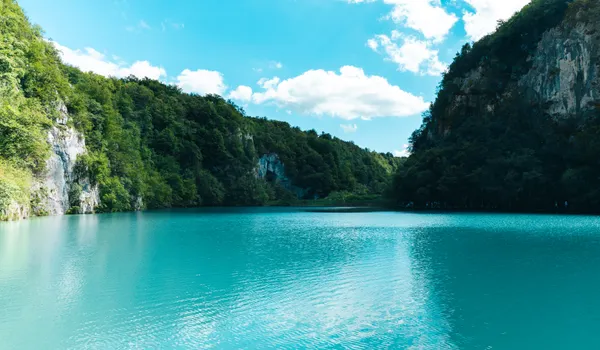
🇭🇷 Croatia
 Country
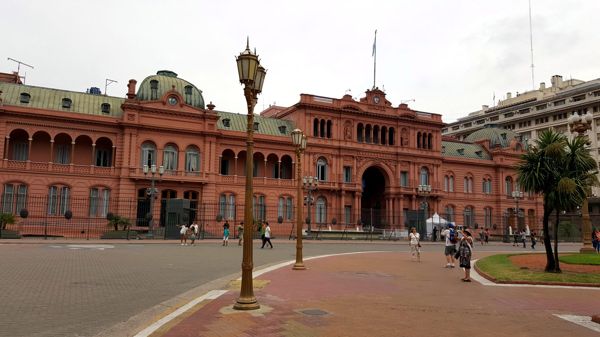
🇦🇷 Argentina
 City
City🇨🇦 Vancouver
 Region
🇫🇷 Guadeloupe
 Region
🇫🇷 Martinique
 Region
🇪🇸 The Canary Islands
 Region
🇮🇹 Sicily
 Region
🇬🇷 Crete
 Country