When to go to Buenos Aires?
→ The detailed month-by-month page, with real weather records
Best time: March to April and October to November
At a glance
Why go to Buenos Aires?
Buenos Aires is like no other capital in Latin America. It has been nicknamed the ‘Paris of the South’ for its European-style avenues and historic cafés, but it has an extra soul all its own: tango, asado, nightlife that kicks off at midnight and a constant creative energy.
The city is best experienced neighbourhood by neighbourhood, each with its own personality: the elegance of Recoleta, the bohemian air of San Telmo, the colours of La Boca, the hip modernity of Palermo. It is easy to get around on foot and by metro, and you quickly fall into the porteño rhythm of long conversations and late dinners.
Allow at least two to three days to catch its spirit, more if you want to take in a tango show, a red-hot football match or a trip to the nearby Tigre Delta.
Map of Buenos Aires: what is where?
The map shows the 6 places covered in this guide, to picture the distances and plan your route.
- La Boca / Caminito
- San Telmo
- Recoleta
- Palermo
- Plaza de Mayo / Casa Rosada
- Teatro Colón
How much does a trip to Buenos Aires cost?
Buenos Aires remains an affordable capital, especially for restaurants and transport, and a favourable exchange rate can noticeably lower the bill. Ballpark figures per person per day:
| Style | Per day | What it covers |
|---|---|---|
| Backpacker | €40-65/day | Hostel or private room, subte and colectivos, neighbourhood parrillas and empanadas. |
| Comfort | €80-140/day | Boutique hotel in Palermo or Recoleta, good restaurants, a tango show, taxis. |
| Luxury | €220/day and up | Upmarket hotel, top restaurants, shows and private experiences. |
As everywhere in Argentina, the exchange rate is a big topic: check just before you leave, bring cash (euros or dollars) in good condition and compare with paying by card. A good rate can transform your budget on the ground.
Is Buenos Aires safe?
Buenos Aires is generally safe, but it is a big metropolis: stay alert to pickpockets in tourist areas and crowded transport (the microcentro, Retiro, La Boca away from the main streets and after dark). Keep your bag and phone close, leave nothing on a café table and split up your money.
Use official taxis or Cabify at night, and beware of the counterfeit-note scam: always check your change, especially when paying cash. With these habits, you can enjoy the city with peace of mind, by day as in its lively nights.
What to see and do in Buenos Aires
- La Boca and Caminito
- San Telmo and its market
- Recoleta Cemetery
- Palermo
- a tango show
La Boca and Caminito
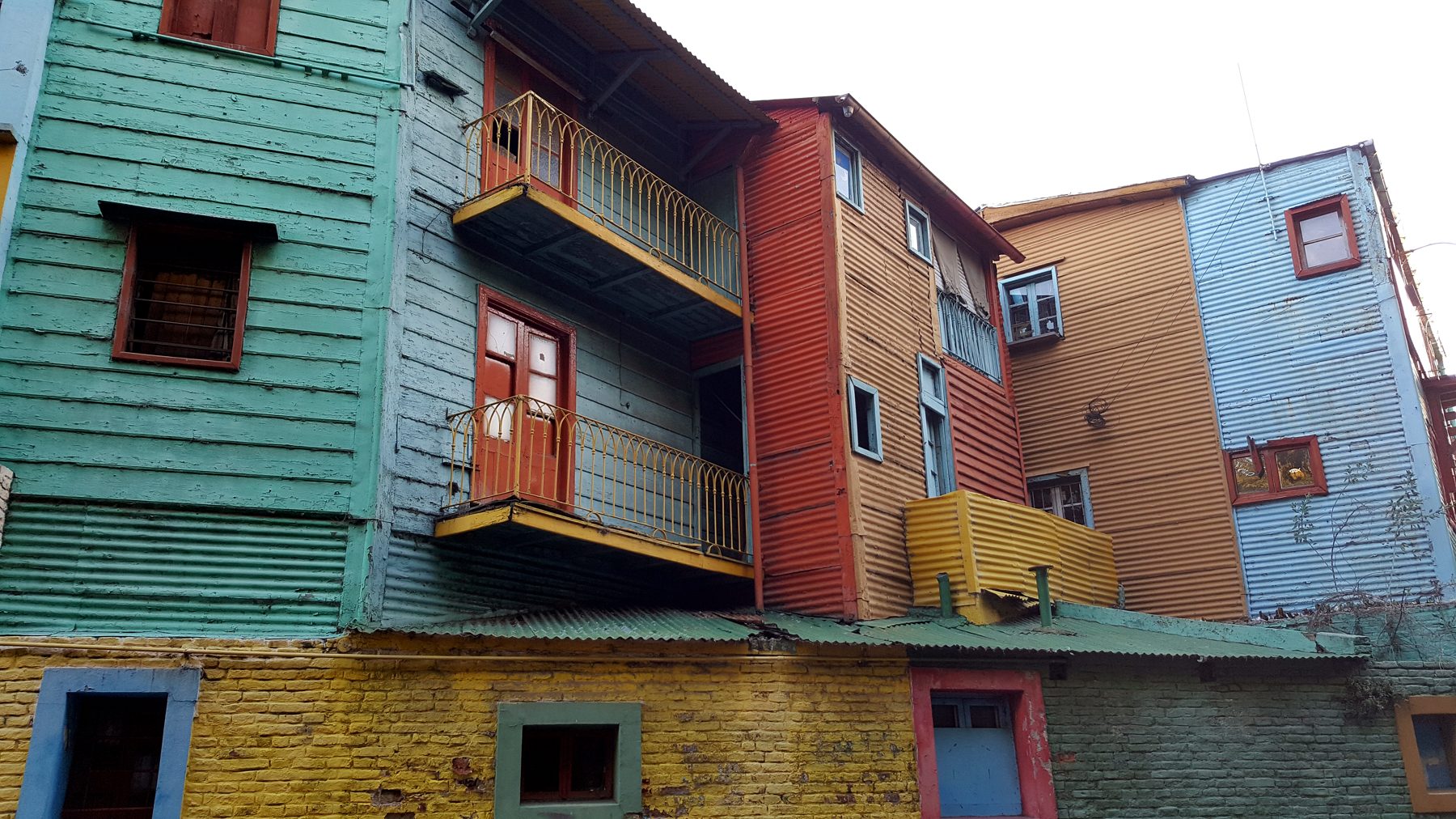
The working-class district of La Boca, cradle of tango and home of the Boca Juniors club, owes its fame to Caminito: a lane lined with corrugated-iron houses painted in bright colours, where dancers perform in the open air. It is touristy, and you need to stick to the busy streets and go by day, but the show is worth the detour. Football fans will want to see the Bombonera, Boca's legendary stadium.
San Telmo, the bohemian quarter
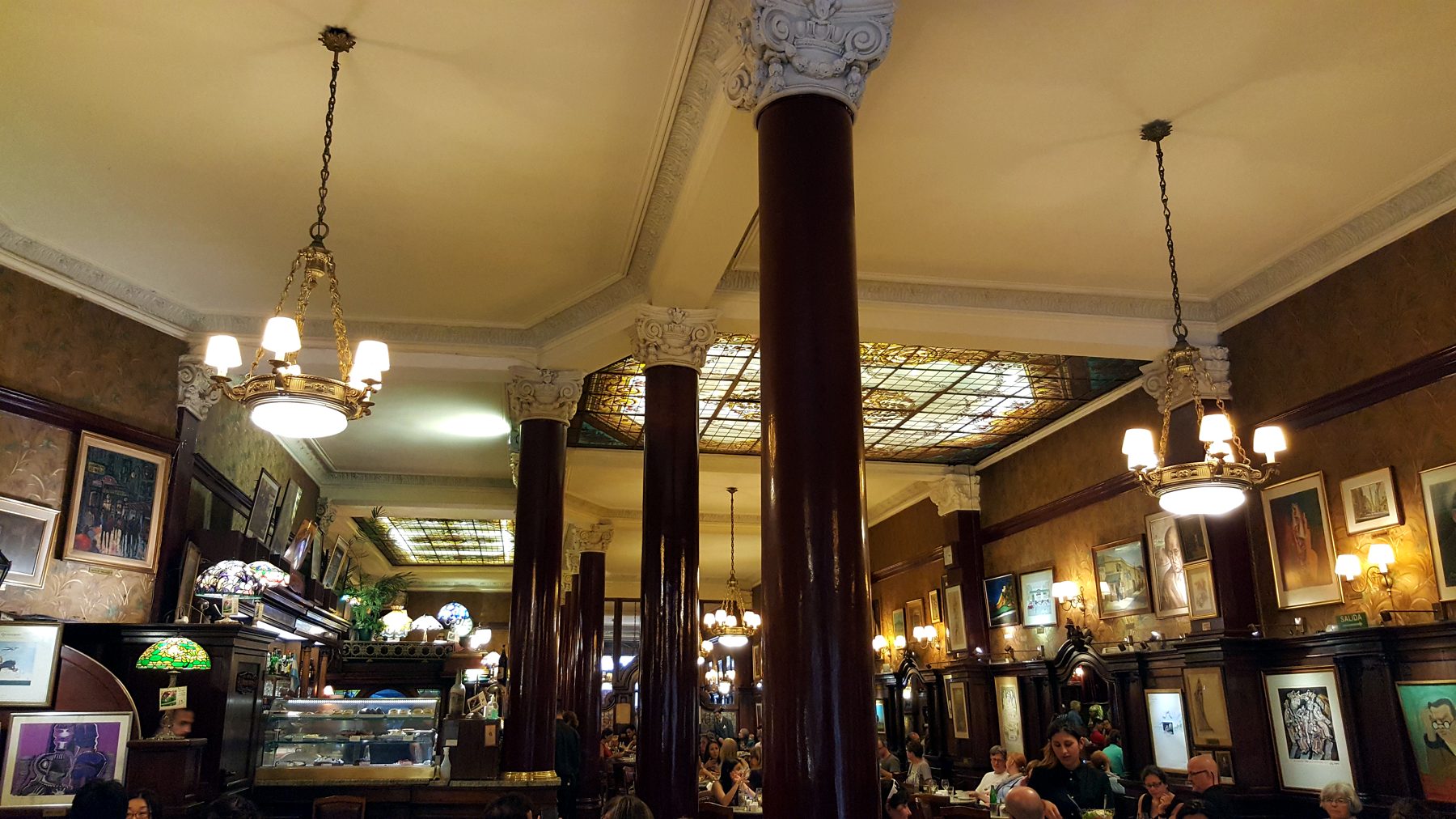
The city's oldest neighbourhood charms with its cobbled streets, colonial houses and time-worn cafés. On Sundays, the Feria de San Telmo spreads a vast antiques and crafts market along Calle Defensa, to a soundtrack of music and street tango. It is also the heart of the milongas, the dance halls where tango goes on until the small hours.
Recoleta and its cemetery
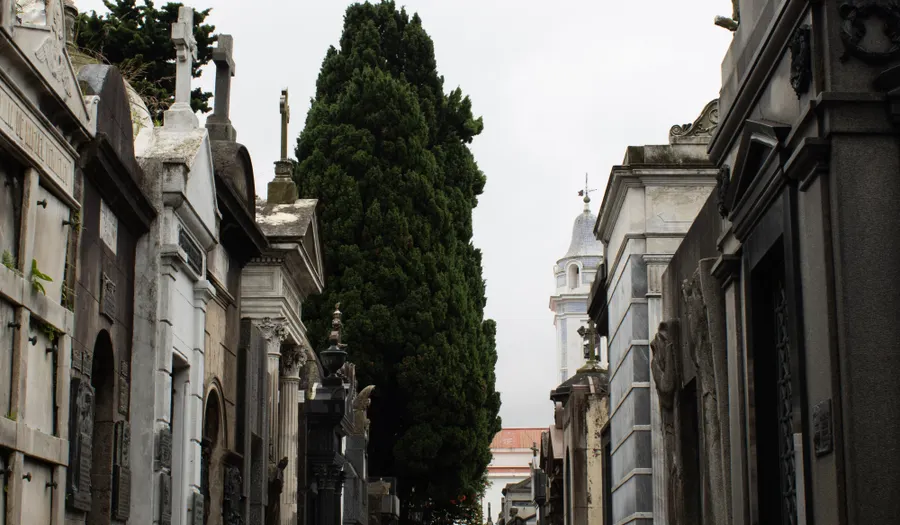
Recoleta shows a chic, European face: grand buildings, museums (including the National Museum of Fine Arts), cafés and parks. Its famous cemetery, a veritable city of marble mausoleums, holds the tomb of Eva Perón (Evita), a place of quiet reflection. A stone's throw away, the weekend craft market and café terraces invite you to linger.
Palermo, green and hip
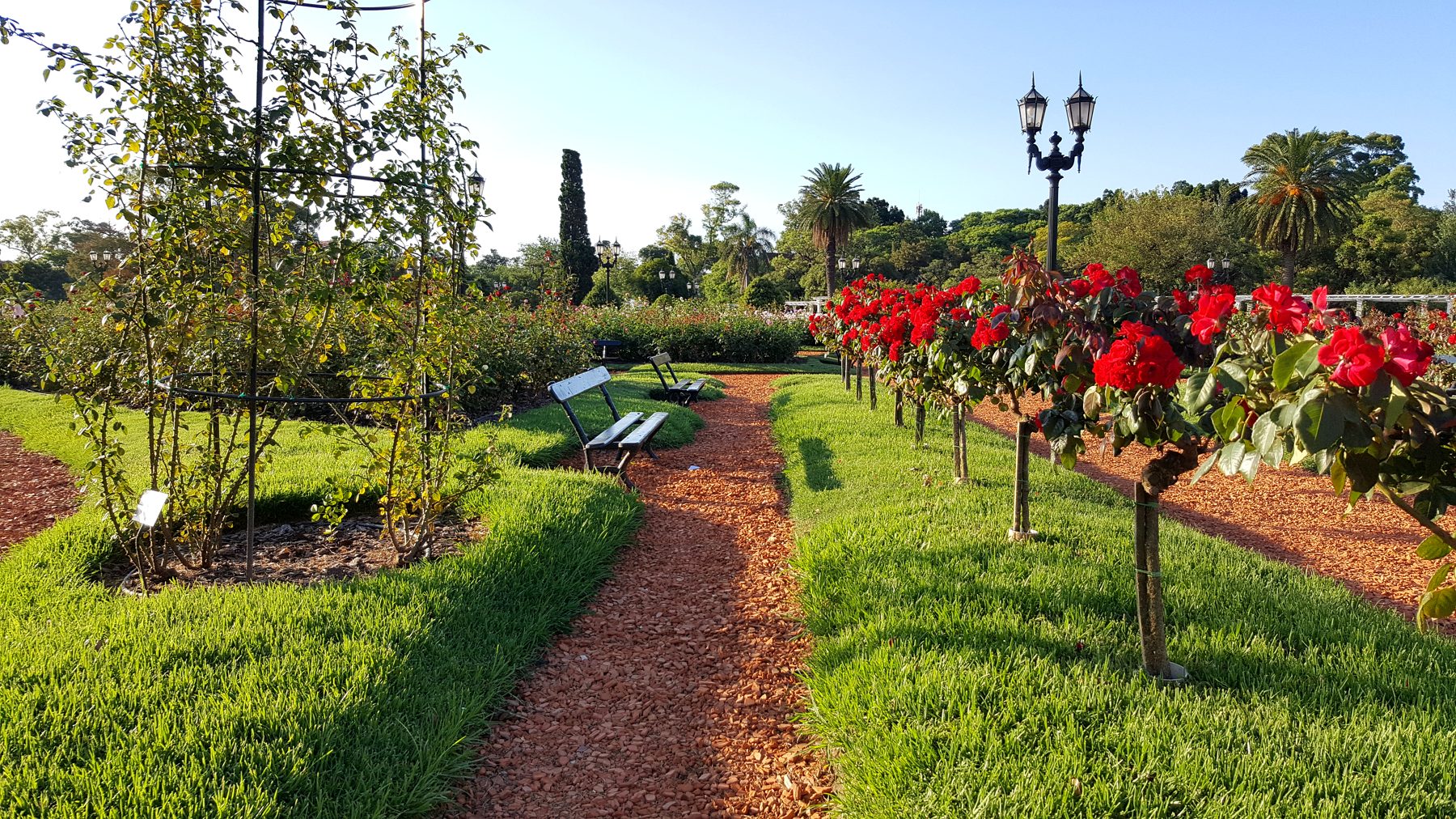
The city's largest neighbourhood splits into several moods: Palermo Soho with its designer boutiques, bars and restaurants; Palermo Hollywood and its nightlife; and the big parks (the Bosques de Palermo, the rose garden, the Japanese garden). It is the ideal place to stay on a first visit.
The historic centre and the Casa Rosada

The microcentro gathers the places of power and memory: the Plaza de Mayo, the Casa Rosada (the pink presidential palace, from which Evita addressed the crowds), the Metropolitan Cathedral and Avenida 9 de Julio, one of the widest in the world, with its obelisk. Close by, the Teatro Colón, one of the finest opera houses in the world, can be visited by day.
A match at the Bombonera (Boca Juniors)

Watching Boca Juniors play at the Bombonera is one of the most intense experiences in world sport: shaking stands, flares and non-stop chanting. Even without a match, a tour of the stadium and its museum plunges you into the fervour of Argentine fútbol. Tickets are in high demand and must be booked ahead, often through an agency.
A tango night: dinner show or milonga

As the birthplace of tango, Buenos Aires also comes alive at night. The big dinner shows, in San Telmo or Puerto Madero, offer polished staging, perfect for a first time; purists prefer the milongas, the popular dance halls where porteños dance until the small hours and where you can take a beginners' class. Either way, an unforgettable immersion.
The Tigre Delta
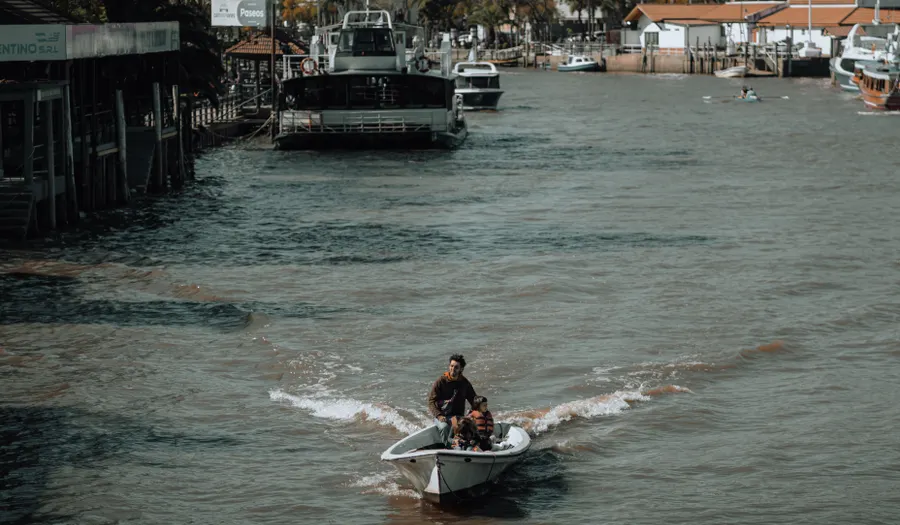
Less than an hour to the north, the small town of Tigre opens onto the maze of canals of the Paraná Delta, explored by shared boat or kayak, between stilt houses and lush vegetation. A green, refreshing escape, hugely popular with locals at weekends and easy to do as a day trip from the centre.
El Ateneo Grand Splendid bookshop

Housed in a former theatre from 1919, El Ateneo Grand Splendid regularly ranks among the most beautiful bookshops in the world: old boxes turned into reading alcoves, a painted ceiling and a stage that has become a café. Entry is free: a cultural, photogenic pause a stone's throw from Recoleta.
How many days, and which itinerary?
Two to three days let you see the essentials; four or five to live the city at its own pace, adding a tango show, a museum or a trip to the Tigre Delta. Buenos Aires is almost always the starting point of a trip around Argentina.
🗺️ Day-by-day itinerary · 📓 Free printable Buenos Aires guide (PDF) · 🌍 All of Argentina
Getting there and getting around
International flights arrive at Ezeiza airport (EZE), an hour from the centre, linked by shuttles and official taxis. Domestic flights leave mainly from the city airport, Aeroparque (AEP), which is far more central: something to plan for if you are heading straight on to Patagonia or Iguazú.
In the city, the metro (the subte) is fast and cheap, backed up by a dense network of buses (the colectivos, paid with the SUBE card) and taxis. At night, use official taxis or an app such as Cabify. Most of the tourist neighbourhoods are pleasant to explore on foot.
Where to stay in Buenos Aires?
Choosing the neighbourhood matters more than choosing the hotel. Palermo (Soho and Hollywood) is the travellers' favourite: boutique hotels, terraces, restaurants and nightlife. Recoleta offers a chic, quiet atmosphere near the museums; San Telmo appeals to lovers of a bohemian vibe and tango; Puerto Madero, modern and secure on the waterfront, suits families and business trips alike. The microcentro is convenient but goes quiet in the evenings and at weekends.
Our places to stay, stop by stop, at three budgets →
What to eat in Buenos Aires?
Buenos Aires is a carnivore's paradise: the parrilla (wood-fired grill) is an institution, from bife de chorizo to asado, washed down with a Malbec. Day to day, people tuck into empanadas, milanesas and Argentine-style pizza, a legacy of Italian immigration.
On the sweet side, alfajores and dulce de leche reign supreme, and artisan ice-cream parlours are everywhere. Do not miss the ritual of coffee with medialunas in a historic café, and give in to a Fernet and Coke, the porteños' cult mix.
Entry requirements
Visa-free for 90 days for EU, UK, US, Canadian and Australian passports.
Rules change: check your own government's travel advice before you go.
Frequently asked questions about Buenos Aires
How many days do you need for Buenos Aires?
Two to three days are enough for the essentials (La Boca, San Telmo, Recoleta, Palermo, the centre). Allow four to five days for a more relaxed pace, with tango, museums and a trip to the Tigre Delta.
What are the best neighbourhoods in Buenos Aires?
Palermo (shops, parks, nightlife), San Telmo (bohemian, tango), Recoleta (chic, museums, Evita's cemetery), La Boca (colourful, visit by day) and Puerto Madero (modern, on the waterfront).
Is Buenos Aires a safe city?
Yes on the whole, but it is a big metropolis: watch out for pickpockets in tourist areas and on public transport. Keep your belongings close and use official taxis or Cabify at night.
When is the best time to visit Buenos Aires?
Spring (October-November) and autumn (March-April) bring the most pleasant temperatures. Summer (December-February) is hot and muggy, and the city empties out in January; winter stays mild but grey.
Similar destinations
 City
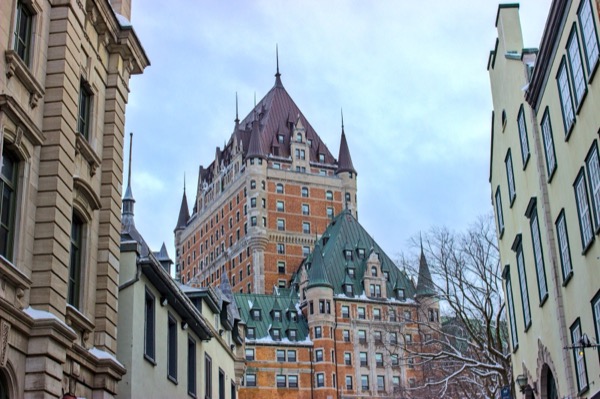
City🇨🇦 Montreal and Quebec City
 Country
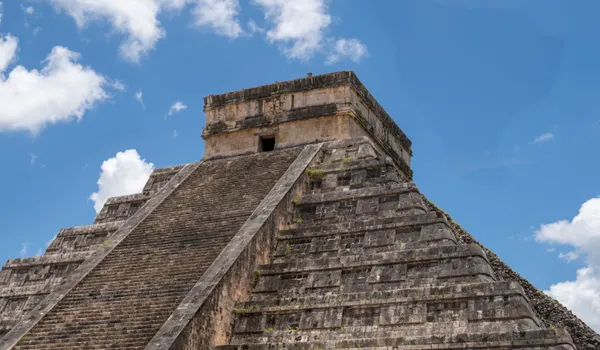
🇲🇽 Mexico
 City
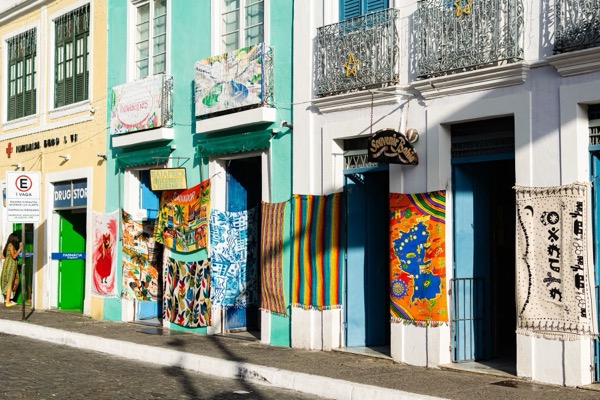
City🇧🇷 Salvador da Bahia
 City
City🇨🇦 Montreal
 City
City🇨🇴 Cartagena
 City
City🇺🇸 Las Vegas
 Region
🇺🇸 Louisiana
 City
City🇲🇽 Mexico City
 Country
🇪🇸 Spain
 City
City