When to go to Ushuaia?
→ The detailed month-by-month page, with real weather records
Best time: November to March
At a glance
Why go to Ushuaia?
Ushuaia proudly wears its nickname: the city at the end of the world. Set 3,000 kilometres south of Buenos Aires, between the last peaks of the Andes and the waters of the Beagle Channel, it is the southernmost city on the planet, the place beyond which roads, and dreams, go no further.
People come for Tierra del Fuego and its windswept forests, for a boat trip on the Beagle among the sea lions, and to feast on centolla, the famous king crab. But above all, Ushuaia is a starting point: for the great adventure, the cruise to Antarctica.
For it is here, on these quays, that almost every expedition to the white continent sets sail. Two days at sea later, after crossing the legendary Drake Passage, you enter another world of ice, silence and wildlife that has no fear of humans. The journey of a lifetime.
Map of Ushuaia: what is where?
The map shows the 7 places covered in this guide, to picture the distances and plan your route.
- Ushuaia
- Drake Passage
- South Shetland Islands
- Deception Island
- Port Lockroy
- Lemaire Channel
- Antarctic Peninsula
How much does a trip to Ushuaia cost?
Ushuaia can be visited on a standard travel budget, but Antarctica plays in another league: it is one of the most expensive trips in the world, with a price that depends mainly on the cabin, the length of the voyage and the size of the ship. Here are ballpark figures per person.
| Style | Per day | What it covers |
|---|---|---|
| Ushuaia (on the ground) | €100-160/day | Hotel, restaurants (centolla), Beagle boat trip and Tierra del Fuego park, excluding the cruise. |
| Classic cruise | €8,000-13,000 | 10 to 12 days from Ushuaia, standard cabin, all inclusive (excursions, full board, parka). |
| Upgraded cabins / long voyages | €15,000-25,000 and up | Suites with balcony, fly-cruise avoiding the Drake, or grand expeditions including South Georgia. |
Tip: a few agencies in Ushuaia sell off unsold cabins a few days before departure, sometimes at half price (from €5,000 to €6,000), for those with time and flexibility on the spot. Conversely, for a specific date and cabin, book up to a year ahead. Always check what is included: excursions and the parka almost always are, while activities such as kayaking often cost extra.
What to see and do in Ushuaia
- the city at the end of the world
- Tierra del Fuego National Park
- the Beagle Channel
- the great departure for Antarctica
- centolla, the king crab
Ushuaia, the city at the end of the world
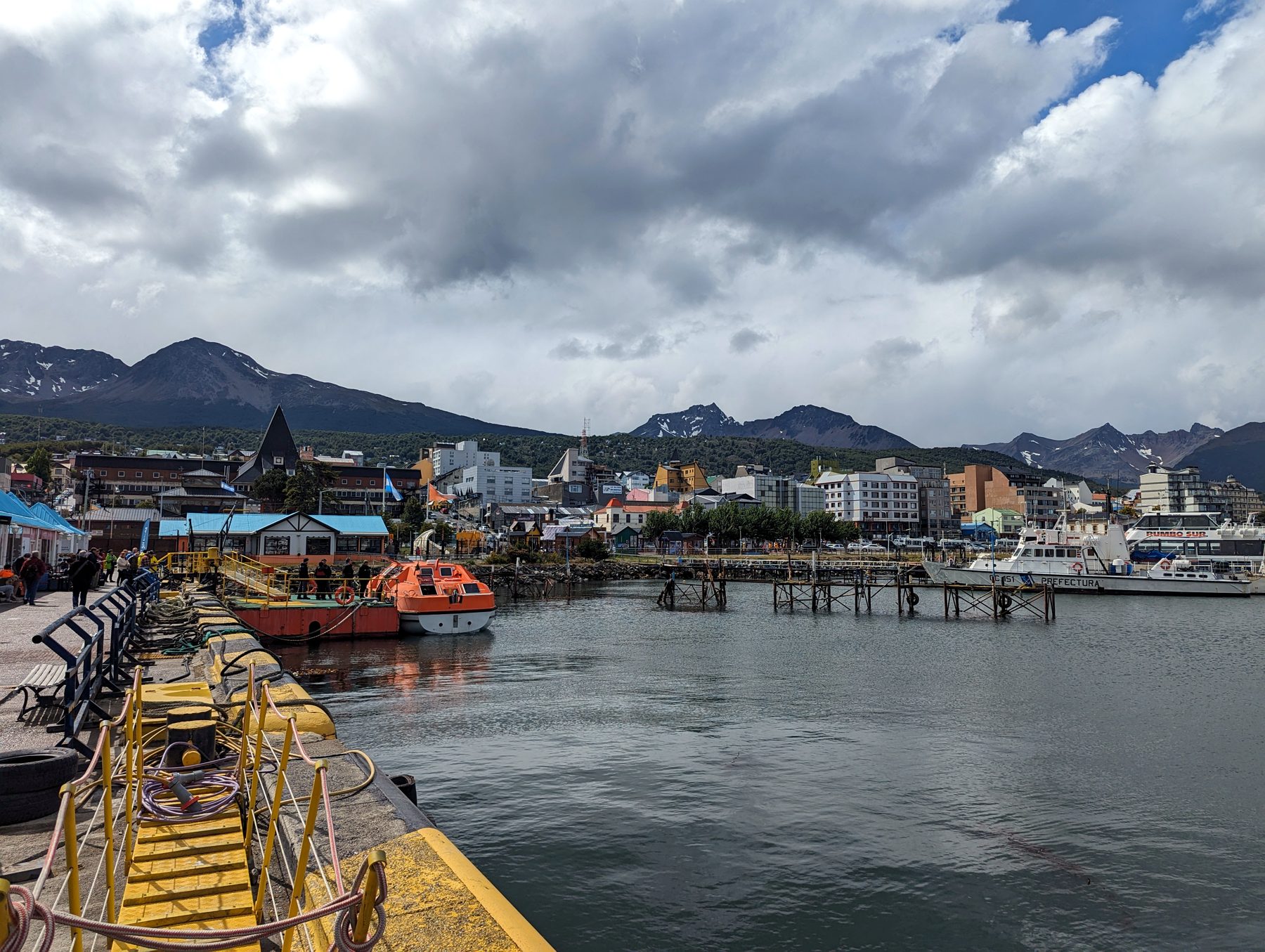
Clinging between sea and mountains, Ushuaia makes the most of its status as the southernmost city in the world. You stroll along Avenida San Martín, get your passport stamped ‘Fin del Mundo’, and visit the old prison turned museum, which tells how the city grew out of a penal colony. The harbour comes alive to the rhythm of the expedition ships: it is the gateway to Antarctica.
Tierra del Fuego National Park
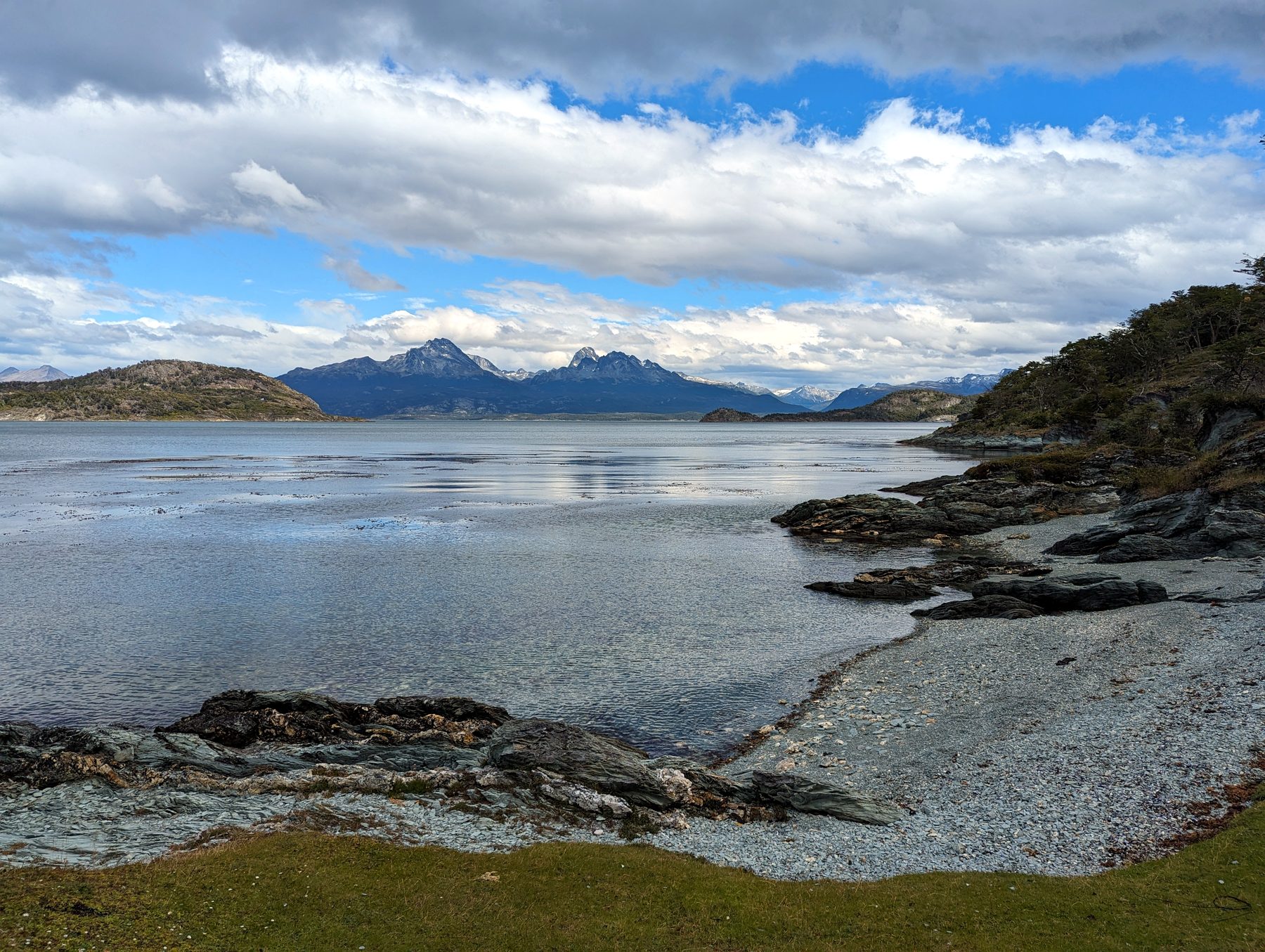
A few kilometres from town, Tierra del Fuego National Park unfolds lenga forests, peat bogs, lakes and bays where the mountains plunge into the sea. This is where the legendary Ruta 3 ends, at Bahía Lapataia, 3,000 kilometres south of Buenos Aires. You hike along the coast, look out for beavers and foxes, and can ride the Tren del Fin del Mundo, a little steam train following in the footsteps of the former convicts.
Boating on the Beagle Channel
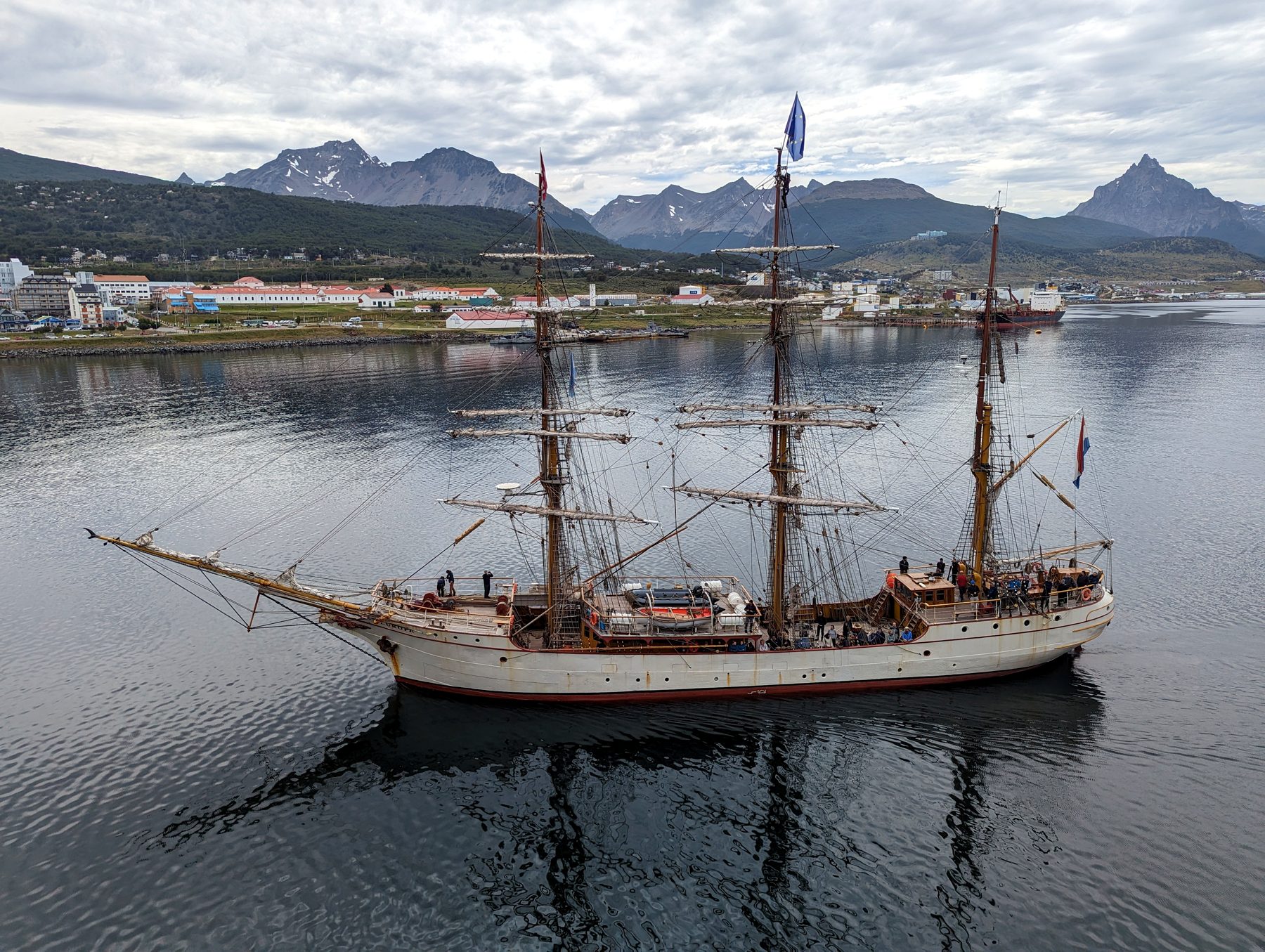
From the harbour, boats set out on the Beagle Channel, the waterway separating Tierra del Fuego from its islands. You pass colonies of sea lions and cormorants, sail beneath Les Eclaireurs Lighthouse, the ‘lighthouse at the end of the world’, and some excursions land on Martillo Island, home to a penguin colony. A fine appetiser before the open sea.
Which Antarctic cruise should you choose?
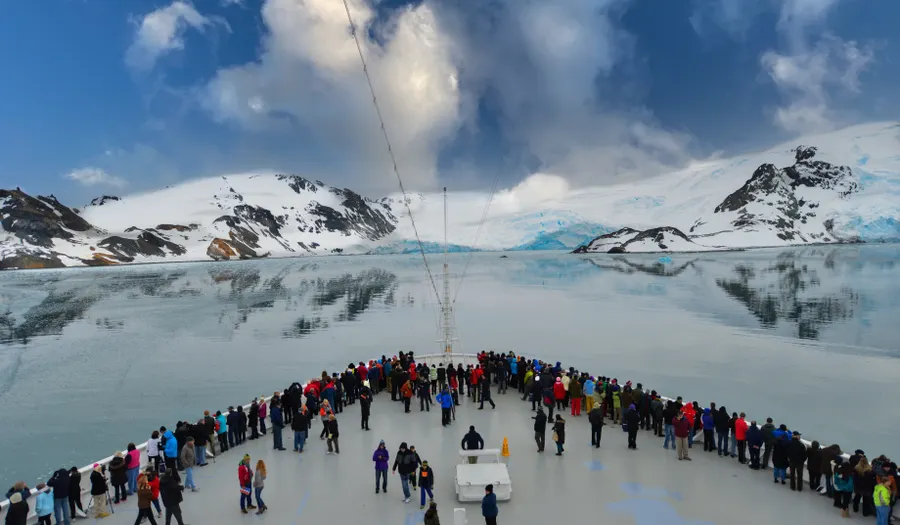
Almost all expeditions leave from Ushuaia and last ten to twelve days, with two days at sea each way to cross the Drake Passage, then six to seven days along the peninsula. To avoid the Drake, the ‘fly-cruise’ option takes off from Punta Arenas, in Chile, to the South Shetland Islands, where you board: more expensive, but shorter and free of seasickness. The longer voyages (eighteen to twenty-two days) add South Georgia and its king penguin colonies, a wildlife paradise. A crucial point: the size of the ship. Small expedition vessels (fewer than 200 passengers) can make landings, because international rules limit the number of people ashore at once to 100; big cruise liners often just sail along the coast. Choose a small ship to maximise your landings.
The Drake Passage, gateway to Antarctica
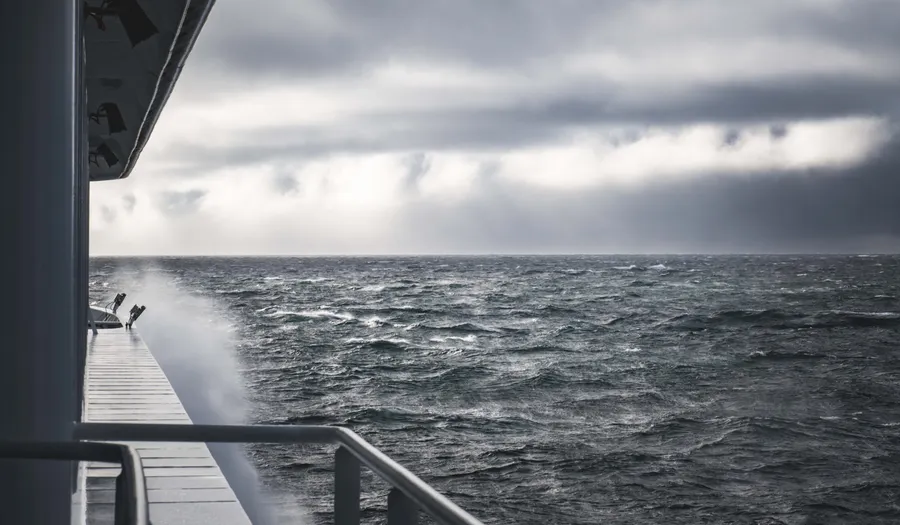
Between Cape Horn and the South Shetlands, the Drake Passage is one of the most feared stretches of sea in the world, where three oceans meet. People talk of the ‘Drake shake’ when the sea is wild, and the ‘Drake lake’ on calm days. For two days you scan the horizon, rocked or shaken, while albatrosses and petrels follow the ship's wake. Crossing the Drake is already stepping into the legend of the explorers.
The Antarctic Peninsula, another world
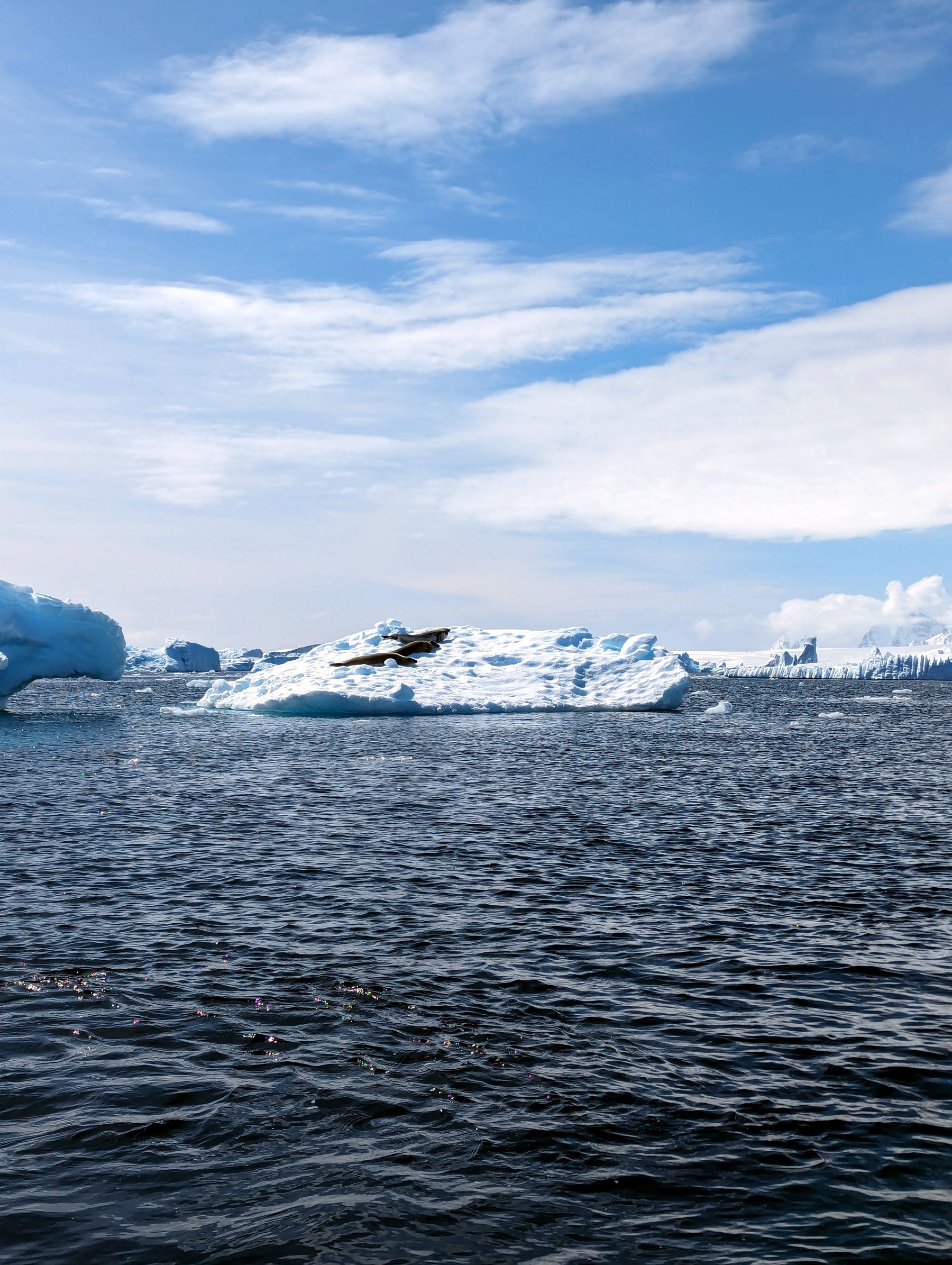
Then the first land appears, and it is a shock. The Antarctic Peninsula unfolds channels lined with glaciers, mountains dropping sheer into a glassy sea, and a total silence broken only by the cracking of ice. You sail through legendary passages such as the Lemaire Channel, so photogenic it is nicknamed ‘Kodak Gap’. Everything here is on a colossal scale, and you feel tiny.
Icebergs and blue ice
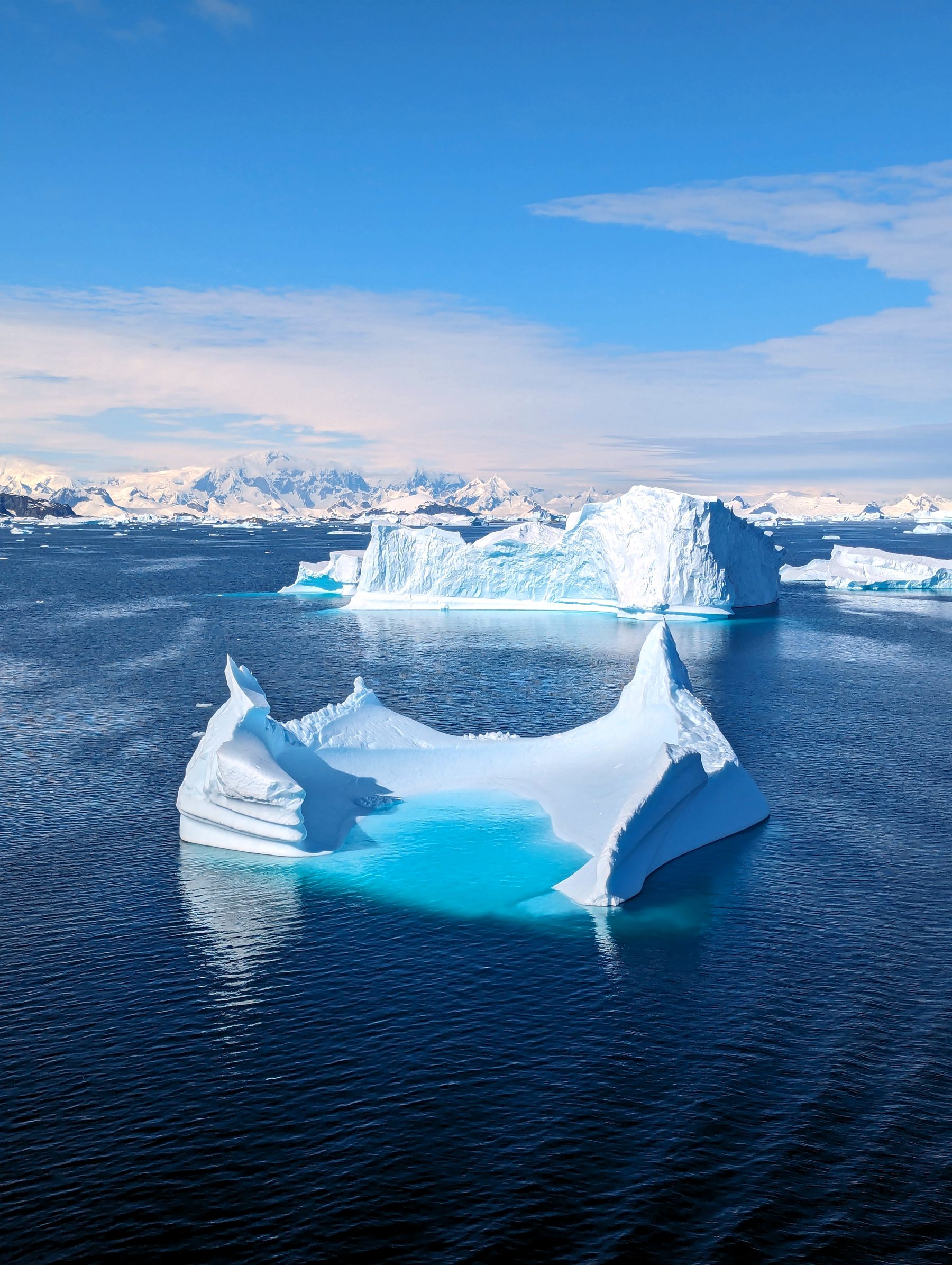
Antarctica is the kingdom of ice in all its forms: tabular icebergs as big as cathedrals, blocks sculpted by the waves, and that electric-blue ice, so dense that it reflects only the blue of the light. Every iceberg is unique, and the ship threads between them at a crawl. By Zodiac, you get as close as possible, in an unreal setting.
The midnight sun
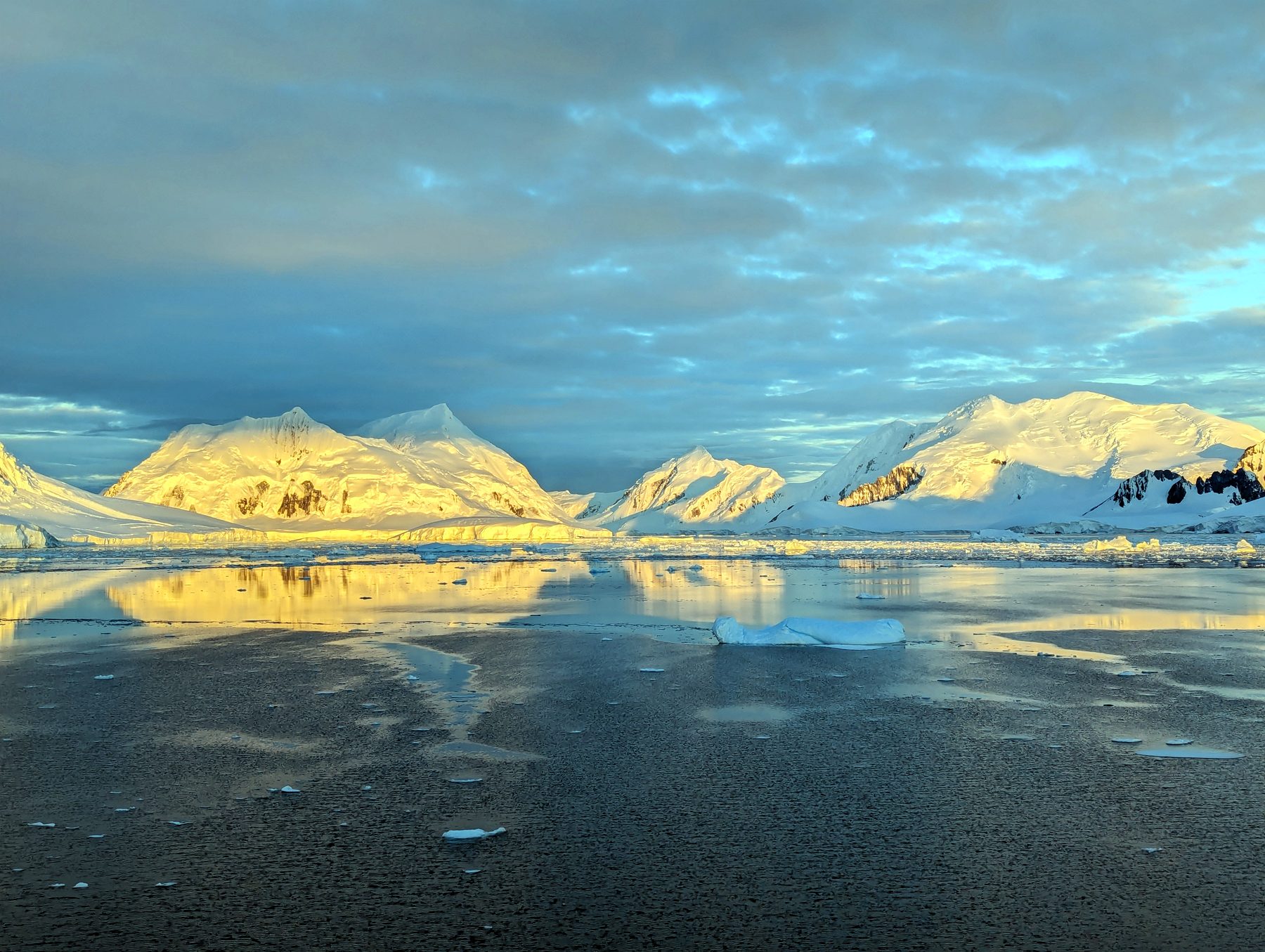
In December and January, at the height of the southern summer, the sun almost never sets. Nights cease to exist: they turn into an endless golden sunset that sets the mountains ablaze and is mirrored in still water. It is one of the most spellbinding sights of the voyage, and photographers stay up late for want of any real darkness.
Penguins by the thousand
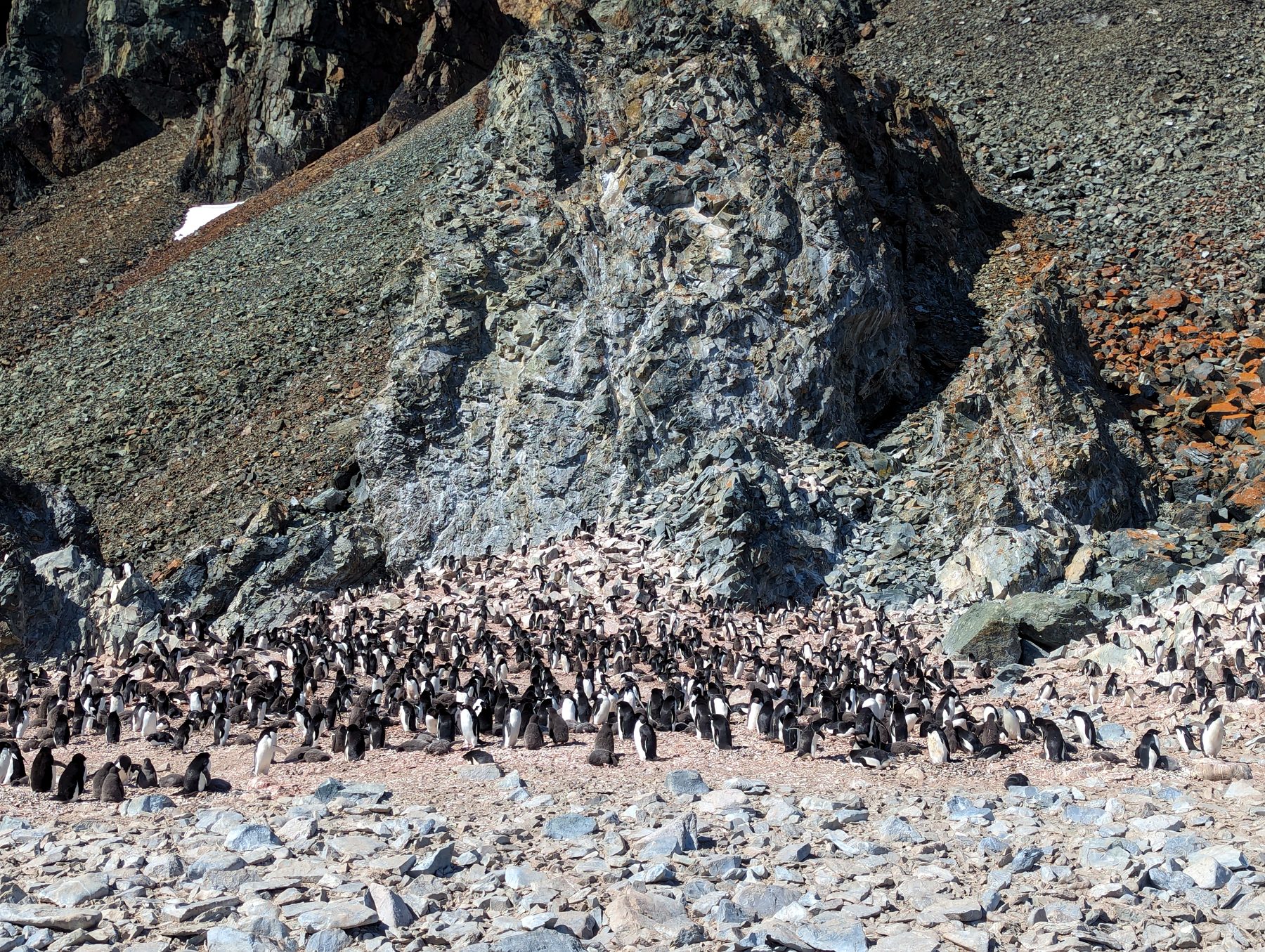
They are the stars of the continent. Gentoo, chinstrap and Adélie penguins gather in colonies several thousand strong, with an unforgettable din and smell. You watch them waddle along their ‘penguin highways’ carved into the snow, feed their fluffy chicks in January and February, and dive like rockets. Curious and fearless, they sometimes come right up close: they are the ones who decide the distance.
Seals on the pack ice
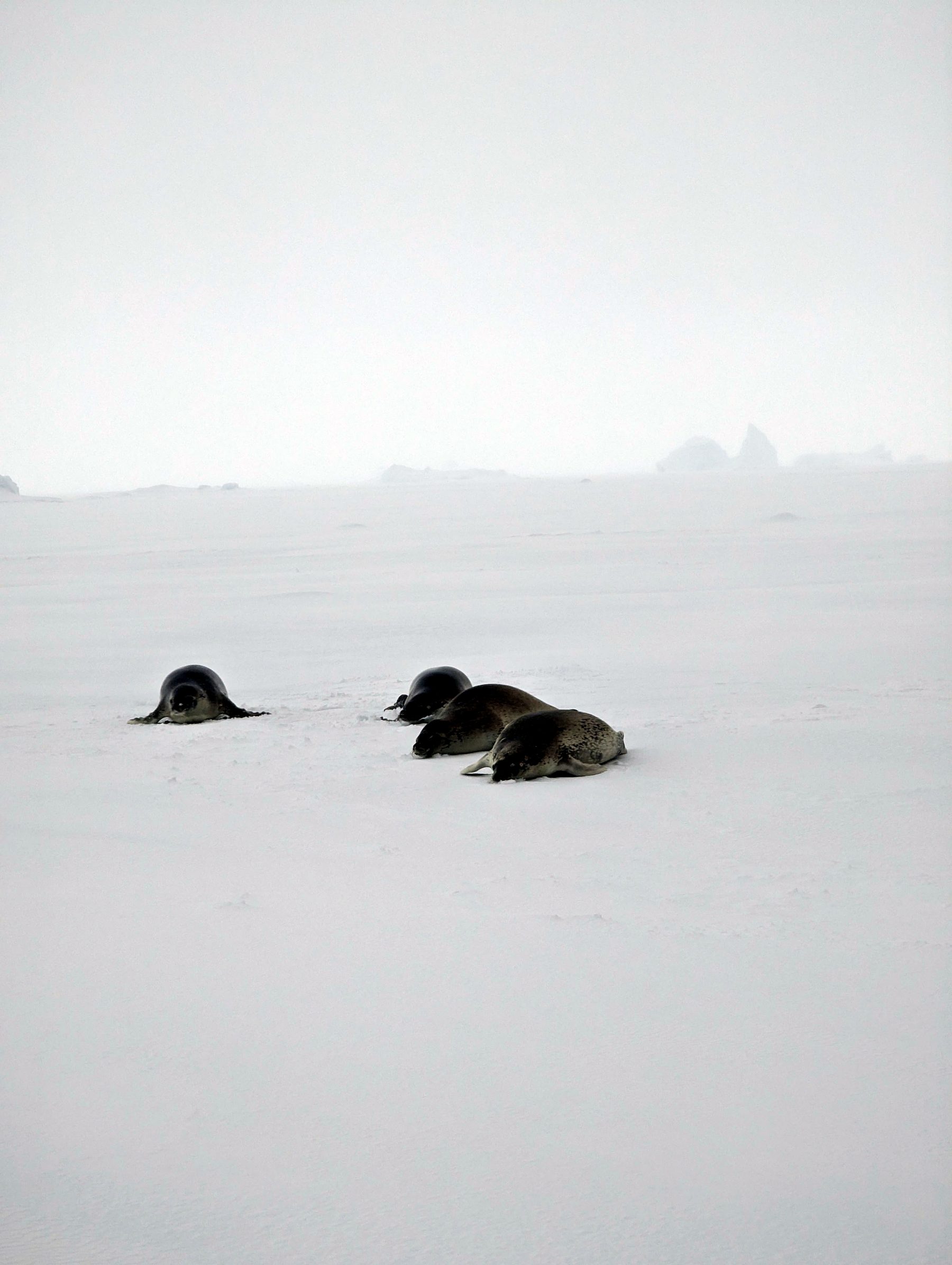
Sprawled on drifting floes, the seals seem oblivious to the world. You come across the placid Weddell seal, the crabeater seal (the most numerous seal in the world), and sometimes the fearsome leopard seal, a predator of penguins, recognisable by its reptilian jaws. Watching them laze in the sun a few metres from the Zodiac is one of the great moments of the expedition.
Whales

As the summer wears on, whales flock in to gorge on krill. Humpbacks and minke whales become easier and easier to spot from February to March, sometimes right next to the ship or the Zodiacs, with a loud blow and a powerful smell. With luck, you may witness orcas at play. Humpbacks even practise bubble-net feeding, a rare and fascinating sight.
Setting foot on the continent: Zodiac landings
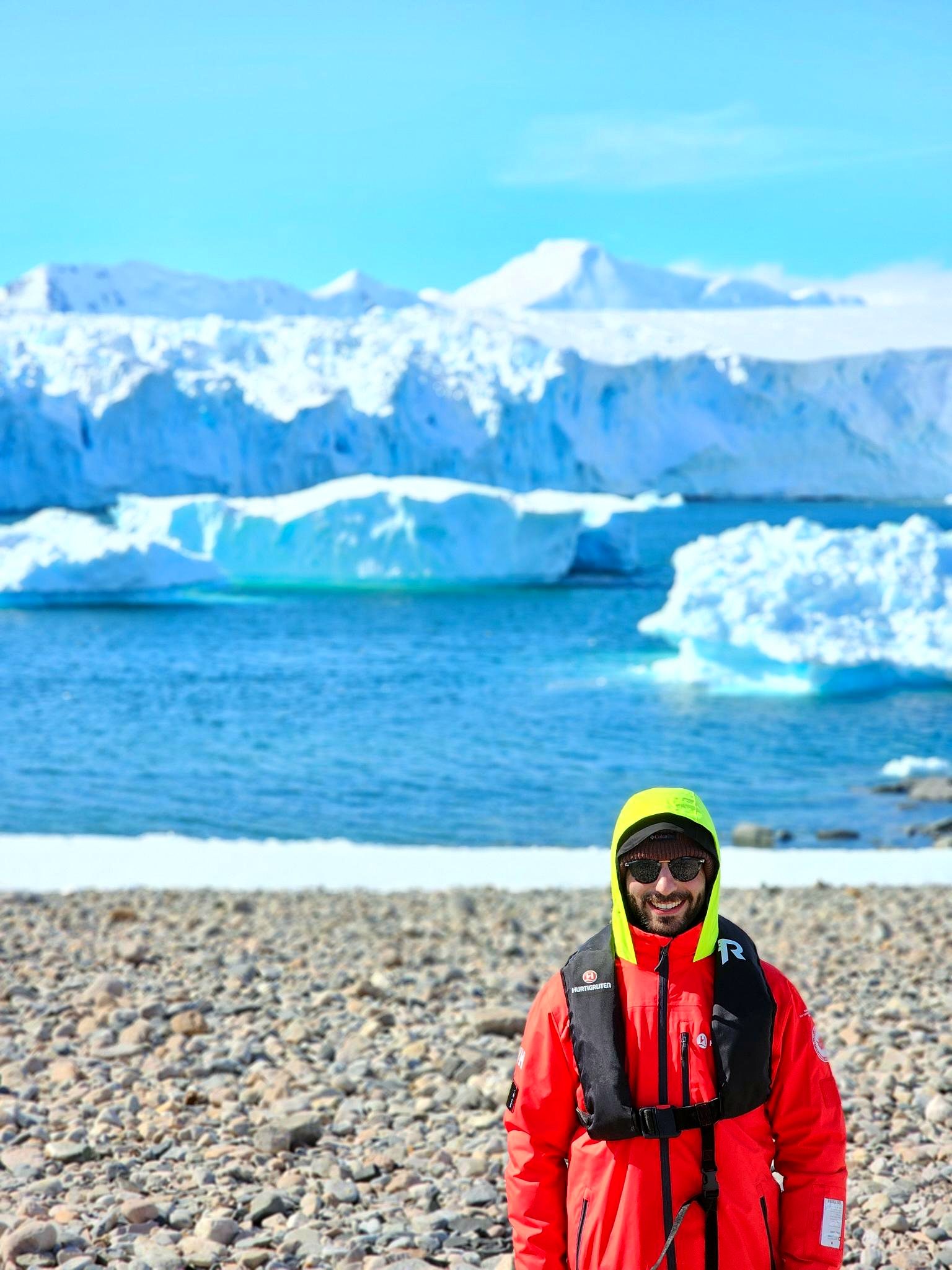
The heart of the expedition is the landings: twice a day, you pull on boots and parka and jump into a Zodiac to set foot on the white continent, walk among the penguins or skirt a glacier. Everything is strictly governed by international rules (IAATO): safe distances from wildlife, disinfecting boots so as to introduce nothing, no waste left behind. Some ships also offer kayaking, snowshoeing or even a night camping on the ice.
Research stations and historic huts

Antarctica belongs to no one: governed by an international treaty, it is dedicated to peace and science. Dozens of bases, of every nationality, study the climate, the ice and the wildlife. Cruises often call at Port Lockroy, a former British base turned museum and the famous ‘penguin post office’, from which you can send a postcard from the end of the world. You also come across explorers' huts and the rusting remains of the whaling era, as on Deception Island, a volcano whose flooded caldera you can visit.
Life on board: our cruise with Hurtigruten
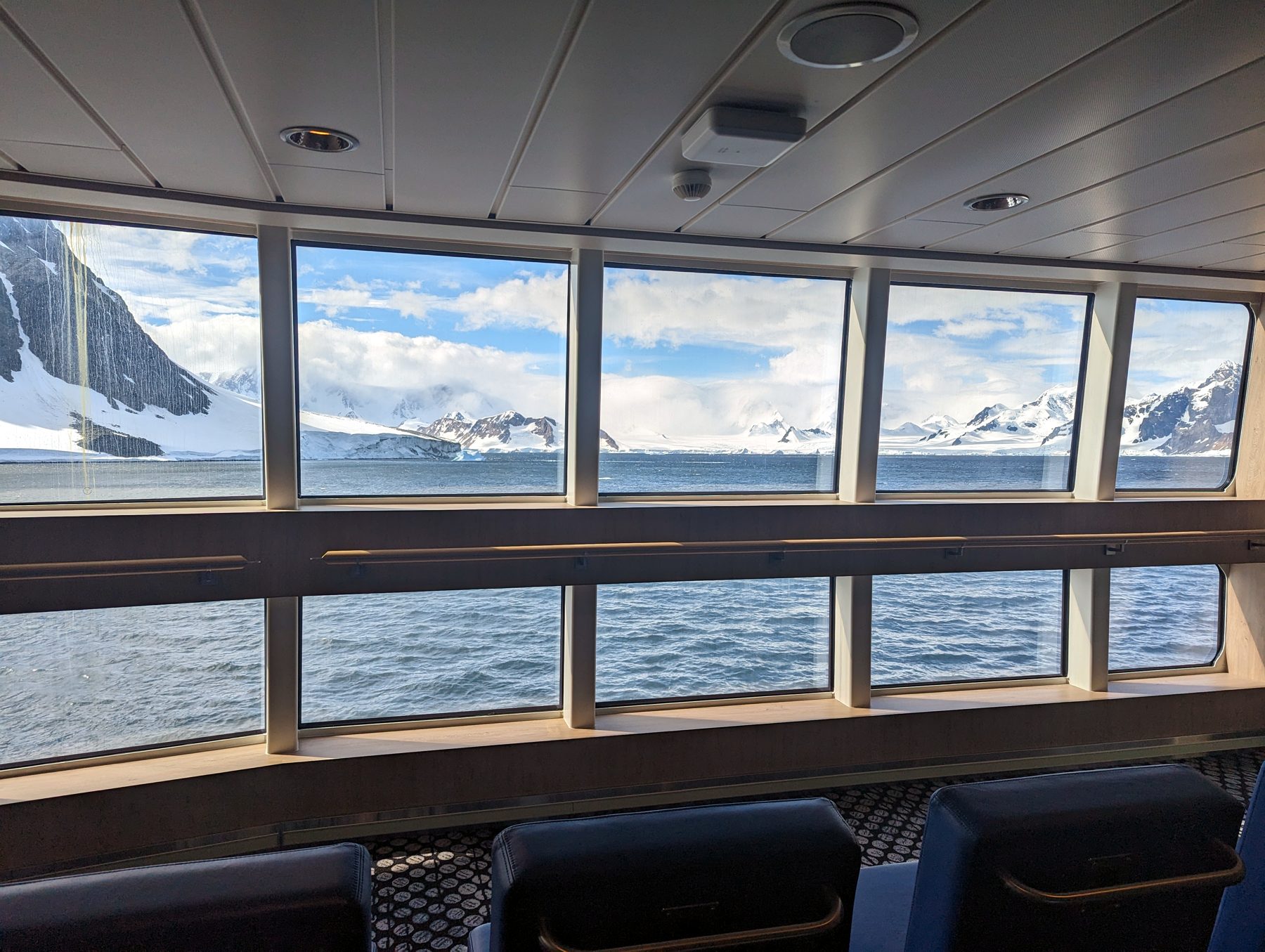
Between outings, life on board is a pleasure in itself. We sailed with Hurtigruten, and the experience lived up to the scenery: a comfortable, modern ship, a panoramic lounge from which to watch for whales in the warm, and a fascinating expedition team (biologists, glaciologists, historians) who give talks and accompany every landing. You leave having learnt as much as you dreamt.
Dining on board
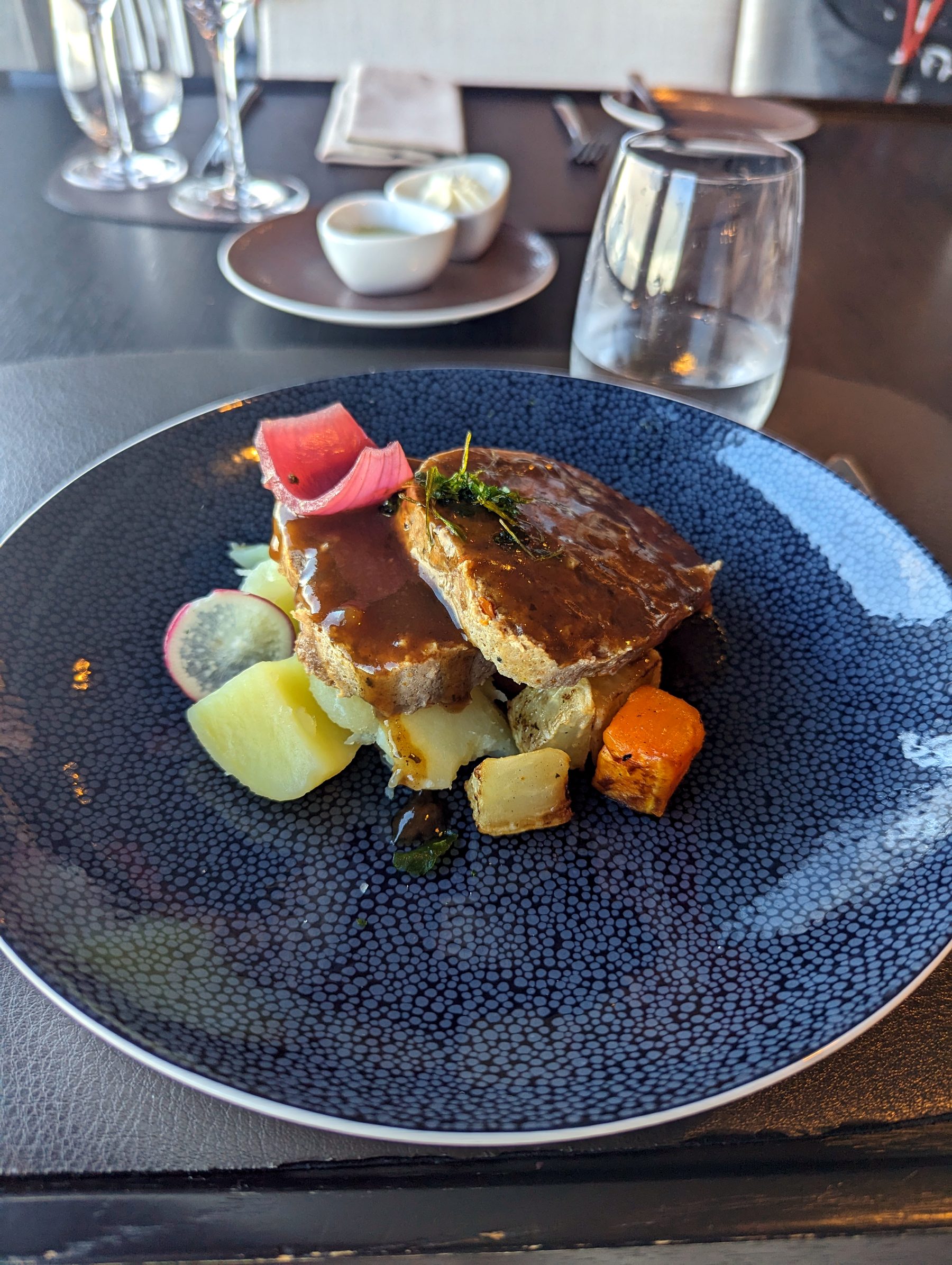
Another pleasant surprise: the food. On board, the cooking was quite simply exceptional, refined and carefully made, light years away from the cliché of canteen meals at sea. Quality produce, beautifully plated dishes, attentive service: after a day in the cold, these dinners were among the best moments of the day.
Preparing for your cruise: seasickness and gear

A few tips for setting off with peace of mind. Against Drake seasickness, bring a remedy (patches or tablets) or opt for the fly-cruise. As for gear, most companies lend the parka and sometimes the boots; it is up to you to bring thermal layers, gloves, a hat, sunglasses and a good sunscreen, since the glare off the ice is intense. A camera and binoculars transform the trip. Finally, book early: the best cabins and the small ships sometimes sell out a year ahead.
Did you know? Blood Falls, the blood-red waterfall

It is one of the strangest curiosities on the continent: Blood Falls, a blood-red waterfall flowing out of the Taylor Glacier. Its colour comes from very salty, iron-rich water, trapped under the ice for millions of years, which rusts on contact with the air. Unfortunately, it lies in the McMurdo Dry Valleys, at the other end of Antarctica: out of reach of peninsula cruises. A dream for a future life as an explorer.
How many days, and which itinerary?
Allow two to three days for Ushuaia and Tierra del Fuego, ideally combined with the rest of Patagonia. For Antarctica, the classic cruise lasts ten to twelve days from Ushuaia, four of them spent crossing. Leave plenty of margin: flights to Ushuaia are sometimes disrupted, and it is best to arrive a day before boarding so as not to miss the ship.
🗺️ Day-by-day itinerary · 📓 Free printable Ushuaia guide (PDF) · 🌍 All of Argentina
Getting there and getting around
Ushuaia is reached by plane: about 3h30 from Buenos Aires (Aeroparque airport) or an hour from El Calafate, with several flights a day in summer. The airport is ten minutes from the centre.
For Antarctica, you board directly at Ushuaia harbour, a few minutes from the town centre. Be sure to arrive the day before: one delayed flight and the cruise is missed, because the ship does not wait. Many travellers in fact spend a night or two in Ushuaia before setting off.
Where to stay in Ushuaia?
Ushuaia has a bit of everything, from hostels to design hotels perched on the hillside with views over the Beagle Channel. Book early in high season (December-February), as the town is the base for thousands of cruise passengers. Hotels with a shuttle and bay views are the most pleasant for the night before boarding.
During the cruise, the ship is your hotel. Cabins range from a standard porthole to a suite with a balcony; the price climbs quickly with the view and the space, but all passengers enjoy the same lounges, restaurants and landings. On small expedition ships, the atmosphere is friendly and geared more to adventure than to luxury.
Our places to stay, stop by stop, at three budgets →
What to eat in Ushuaia?
In Ushuaia, one speciality stands out: centolla, the huge Patagonian king crab, served fresh in the harbour restaurants. Also try roast Tierra del Fuego lamb and a craft beer brewed in the southernmost city in the world.
On board, everything is included, and the food is often a highlight: generous lunch buffets, served dinners in the evening, carefully chosen produce. On our Hurtigruten cruise, the food was even one of the great pleasures of the trip.
Entry requirements
Visa-free for 90 days for EU, UK, US, Canadian and Australian passports.
Rules change: check your own government's travel advice before you go.
Frequently asked questions about Ushuaia
How much does an Antarctic cruise from Ushuaia cost?
Allow €8,000 to €13,000 per person for a classic 10- to 12-day cruise in a standard cabin, all inclusive. Suites, fly-cruises (avoiding the Drake) and grand expeditions to South Georgia go beyond €15,000 to €25,000. Conversely, last-minute cabins can sometimes be negotiated from €5,000 to €6,000 on the spot in Ushuaia.
When is the best time to go to Antarctica?
The season runs from November to March. November brings pristine snow and penguin courtship displays; December and January, the chicks, relative warmth and the midnight sun; February and March are the best time for whales and sunsets, with less ice.
Is the Drake Passage really an ordeal?
It can be: two days at sea, sometimes rough (the ‘Drake shake’), sometimes calm (the ‘Drake lake’). A seasickness remedy helps a lot. To avoid it altogether, the fly-cruise option links Punta Arenas to the South Shetlands by plane.
Do you need to be fit for an Antarctic cruise?
No. Zodiac landings and walks ashore are within reach of most travellers in good health. Reasonable fitness simply lets you make the most of the optional hikes and kayak outings.
Can you see Blood Falls, the red waterfall?
No, not on a classic cruise: Blood Falls lies in the McMurdo Dry Valleys, on the opposite side from the Antarctic Peninsula visited by ships leaving Ushuaia. It is a curiosity reserved for scientific missions.
How do you get to Ushuaia?
By plane, from Buenos Aires (about 3h30 from Aeroparque airport) or from El Calafate (about 1 hour), with several flights a day in summer. Arrive the day before boarding to guard against any delay.
Similar destinations
 City
City🇺🇸 California
 City
City🇨🇱 Easter Island
 Region
🇪🇨 The Galápagos Islands
 Region
🇦🇷 Patagonia
 Country
🇮🇸 Iceland
 Country
🇳🇴 Norway
 Country
🇺🇸 The American West
 Country
🇨🇦 Canada
 City
City🇨🇦 Charlevoix and Tadoussac
 Country