When to go to Norway?
→ The detailed month-by-month page, with real weather records
Best time: June to August (northern lights: October to March)
At a glance
Why go to Norway?
Norway is first and foremost a geography that defies the imagination: glacier-carved fjords reach dozens of kilometres inland between thousand-metre walls, with farms clinging to the cliffsides. You don't so much visit these landscapes as travel through them, by ferry, on a scenic train or from a dizzying summit. Every bend in the road reveals a postcard. This is the undisputed kingdom of verticality and water.
The country has an almost mystical relationship with nature. The right of allemannsretten allows everyone to pitch a tent and hike almost anywhere, free of charge. Norwegians live outdoors in all weathers, with a cabin by a lake at the weekend and cross-country skiing from the first snowflakes. This quiet simplicity, known as friluftsliv, gives travel here a very particular flavour, far from flashy luxury.
The further north you go, the more extreme the country becomes. Beyond the Arctic Circle, the sun does not set from mid-May to late July, then vanishes for weeks in winter, making way for the northern lights dancing above the Lofoten Islands. Tromso, capital of the Arctic, has made them its speciality. It is another face of Norway: rawer, brighter, more polar.
Map of Norway: what is where?
The map shows the 6 places covered in this guide, to picture the distances and plan your route.
- Geirangerfjord
- Naeroyfjord
- Bergen
- Lofoten Islands (Reine)
- Tromso
- Preikestolen
How much does a trip to Norway cost?
Norway is one of the most expensive countries in the world, especially for restaurants and alcohol. Cooking, camping and making the most of free nature bring the bill down considerably.
| Style | Per day | What it covers |
|---|---|---|
| Backpacker | €90-130/day | Hostel or campsite, supermarket groceries, public transport and free hikes. |
| Comfort | €180-280/day | Standard hotel, hire car, scenic ferries and a few restaurant meals. |
| Premium | €350+/day | Rorbu or hotel with a fjord view, northern lights and sledding excursions, restaurants and cruises. |
The euro is not the currency: everything is paid in Norwegian kroner, and bank cards are accepted everywhere, even for the smallest amounts.
Is Norway safe?
Norway is an extremely safe country with very low crime, where you can get around calmly day or night. The main risks come from nature: high-altitude hikes exposed to sudden weather changes, icy roads in winter, and cliffs without railings, such as Preikestolen, where caution is essential. No vaccinations are required and the healthcare system is of a very high standard; the European Health Insurance Card is valid through the EEA agreement even though Norway is outside the EU. Pack warm, waterproof clothing and good walking shoes whatever the season.
What to see and do in Norway
- the Geiranger and Nærøy fjords
- Bergen and its colourful houses
- the Lofoten Islands
- the Trolltunga hike
- northern lights and the midnight sun
Geirangerfjord

The most famous of the Norwegian fjords, a UNESCO site, with its Seven Sisters waterfalls tumbling down the cliff opposite the Suitor. You can discover it on a cruise from the village of Geiranger, or from above at the Dalsnibba viewpoint at 1500 metres. The hairpin Eagle Road offers one of the finest viewpoints. In summer, the abandoned farms on the rock face recall a life from another age.
Naeroyfjord

A narrow, wild arm of the Sognefjord, also a UNESCO site, so tight that the walls seem to touch. You travel it by ferry between Gudvangen and Flam, one of the most beautiful sea journeys in Europe. It all combines with the Flam Railway, a spectacular line lined with waterfalls. The silence is striking the moment the engines cut out. It is the quintessential intimate fjord.
Bergen

The gateway to the fjords, a port city nestled between seven hills. Its Hanseatic Bryggen wharf, with colourful UNESCO-listed wooden houses, tells the story of the medieval cod trade. The Floibanen funicular climbs in eight minutes to a panorama over the whole bay. The fish market is a feast of salmon and king crab. Be warned: it rains here more than 200 days a year, but that is all part of its charm.
Lofoten Islands

An Arctic archipelago of jagged peaks plunging into a turquoise sea, dotted with fishing villages of red cabins on stilts, the rorbuer. You hike up Reinebringen for the view over Reine and see the dried cod hanging on huge wooden racks. In summer, the midnight sun; in winter, the northern lights. The white-sand beaches look tropical despite the icy water. It is the jewel of the Far North.
Tromso

Nicknamed the Paris of the North, this city 350 km beyond the Arctic Circle is the world capital of the northern lights. Between September and March you head out hunting for them as soon as night falls, often by minibus towards clear skies. The Arctic Cathedral with its triangular roof, the Fjellheisen cable car and dog-sledding trips complete the picture. The lively student atmosphere comes as a surprise at this latitude. It is the ideal base for the Arctic.
Preikestolen

The famous Pulpit Rock, a flat rock platform suspended 604 metres above the Lysefjord. The eight-kilometre return hike takes around four hours, on a well-marked but demanding trail. At the top there are no railings, just the void and one of the most vertiginous panoramas in Norway. Set off early to avoid the summer crowds. The photo on the edge of the abyss has become an icon of the country.
How many days, and which itinerary?
Allow eight to twelve days to combine the western fjords with a hop to the Far North, or five to six days to focus on Bergen and the fjords alone.
🗺️ Day-by-day itinerary · 📓 Free printable Norway guide (PDF)
The western fjords (6 days)
From Bergen, head out to the Naeroyfjord and the Flam Railway, then travel north to the Geirangerfjord via the Trollstigen road. The Preikestolen hike is an option from Stavanger. The perfect mix of ferries, scenic trains and viewpoints.
Fjords and the Far North (11 days)
Take in the western fjords from Bergen, then fly to the Lofoten for three days of fishing villages and hikes, before finishing in Tromso for the northern lights. The great leap from green nature to the raw Arctic.
Northern lights express (5 days)
A direct flight to Tromso, a single base and nightly outings chasing the aurora whenever the sky clears. Dog-sledding, snowmobile safaris and meeting the Sami people by day. A short, intense format for the polar winter.
Getting there and getting around
The country is best explored by combining a hire car, ferries to cross the fjords and scenic trains such as the Flam Railway.
Distances in the North are huge: opt for domestic flights (Widerøe) to reach the Lofoten or Tromso without spending days getting there.
Express buses and the Hurtigruten ferry network along the coast offer a comfortable alternative to the car.
Tunnels and mountain roads can close in winter: always check conditions before setting off and allow plenty of time.
Where to stay in Norway?
Hostels and dorms: 40 to 70 euros a night, the cheapest option in town and in the mountains alike.
Double room in a standard hotel or guesthouse: 130 to 220 euros, often with a hearty buffet breakfast included.
A rorbu fisherman's cabin in the Lofoten or a hotel with a fjord view: 180 to 320 euros, book well ahead in summer.
Campsites and camping cabins (hytter): 20 to 90 euros, widespread and well equipped throughout the country.
Our places to stay, stop by stop, at three budgets →
What to eat in Norway?
Norwegian salmon, smoked, grilled or as dill-cured gravlax, the undisputed star of the national table.
Kjottkaker, meatballs in brown gravy served with potatoes and lingonberry jam.
Brunost, a caramelised brown cheese with a uniquely sweet flavour, sliced thin on a waffle or on bread at breakfast.
Skrei, seasonal Arctic cod caught from January to April, with firm, delicate flesh, the pride of the Lofoten.
Entry requirements
Schengen area: an ID card or passport for EU citizens, 90 days visa-free for UK, US, Canadian and Australian passports.
Rules change: check your own government's travel advice before you go.
Cities and regions to discover
 City
City🇳🇴 Bergen
 Region
🇳🇴 The North Cape
 Region
🇳🇴 The Norwegian Fjords
 Region
🇳🇴 The Lofoten Islands
 City
City🇳🇴 Oslo
 City
City🇳🇴 Tromsø
Frequently asked questions about Norway
When can I see the northern lights in Norway?
From late September to late March, beyond the Arctic Circle, in Tromso or the Lofoten. You need a dark night and a clear sky, ideally far from any lights. The period around the autumn equinox is often the most active.
What daily budget should I plan for?
Plan on at least 90 euros a day as a backpacker camping and cooking your own meals, around 230 euros for a comfortable trip with a car and hotels, and more than 350 euros for top-end travel with Arctic excursions.
How do I get around the country?
A hire car and ferries for the western fjords, and Widerøe domestic flights to reach the Far North quickly. Scenic trains and the Hurtigruten coastal network round out the options for long distances.
How long do I need to visit Norway?
Five to six days are enough for Bergen and the western fjords. Allow more like eleven to twelve days to add the Lofoten and Tromso, as the distances to the North are considerable.
Similar destinations
 Region
🇫🇷 The French Basque Country
 Country
🇮🇪 Ireland
 City
City🇮🇪 Donegal
 City
City🇮🇪 The Ring of Kerry
 City
City🇮🇪 Galway and Connemara
 Country
🇮🇸 Iceland
 Country
🇨🇭 Switzerland
 Country
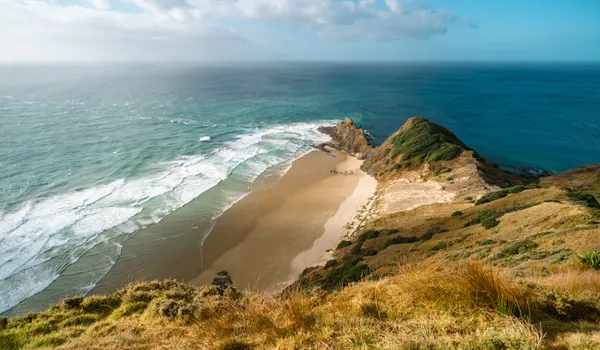
🇳🇿 New Zealand
 Country
🇫🇮 Finland
 Region