
Best time to travel in New Zealand?
→ The detailed month-by-month page, with 2015-2024 averages
Best time: November to March (southern summer)
- ✓Great Walks (Milford, Tongariro) open and trails clear
- ✓Long days for touring both islands by campervan
- ✓Swimming and kayaking possible in Abel Tasman
- ✗High season: campsites and campervans booked well in advance
- ✗Voracious sandflies on the West Coast and in Fiordland
- ✓Skiing and snowboarding in Queenstown, Wanaka and on Ruapehu
- ✓Snow-capped peaks of the Southern Alps, a spectacular backdrop from the roads
- ✗Short days and Alpine passes sometimes closed by snow
- ✗Some Great Walks not advised or closed in winter conditions
Temperatures and rainfall modelled for Auckland · averages over recent years, Open-Meteo data (ERA5 reanalysis).
Temperate oceanic climate, mild summers and cool winters, varying from island to island. The best time to visit New Zealand is January, February, March, November and December, with temperatures reaching 18-25°C. By contrast, April, May, June, July, August, September and October are generally less favourable (less pleasant weather or heavy crowds, depending on the destination), although a trip is still possible with some planning. In high season, book early: prices and visitor numbers rise quickly.
Go against the flow. To avoid the crowds without sacrificing too much on the weather, aim for April and October: the crowds thin out, prices drop too, and the climate stays pleasant.
Do these months appeal to you? See what's best elsewhere too: where to go in November · where to go in December · where to go in January · where to go in February · where to go in March.
At a glance
Why go to New Zealand?
New Zealand packs into two islands a variety of landscapes that seems to defy all geographical logic. Glaciers, fjords, smoking volcanoes, deserted beaches, primeval forests and emerald hills follow one another within a few hours' drive. This is the country where you pull over every kilometre, since every bend reveals a postcard panorama. Film buffs will recognise Middle-earth, the life-size set of The Lord of the Rings.
Beyond the scenery, the country cultivates a laid-back way of life and an intimate bond with nature. Māori culture, alive and respected, permeates places, names and traditions, lending rare spiritual depth. New Zealanders, devotees of the outdoors and of simple hospitality, pass on an infectious enthusiasm for their land. You breathe in a calm and a sense of safety that soon make you forget how far you have travelled.
It is also the world's playground for adventure sports and hiking, home of the bungy jump and the Great Walks. Whether you walk on a glacier, leap into the void above Queenstown or paddle through a fjord, adrenaline is always within reach. But you can just as happily settle for peaceful road trips and wine tastings. The destination adapts to every pace.
Tourist map of New Zealand: what's where?
The map below pinpoints the 6 places covered in this guide: a handy way to picture the distances between each stop and plan your route in New Zealand.
- Auckland
- Rotorua
- Tongariro
- Milford Sound
- Queenstown
- Bay of Islands
How much does a trip to New Zealand cost in 2026? Budget calculator
Estimate your budget for New Zealand based on your travel style: accommodation, meals, activities and local transport included (flights excluded). Adjust the length and the number of travellers, and the totals update.
Totals for all travellers over the chosen length; the daily amount is per person. Flights extra, indicative amounts to adjust depending on the season.
Cards are accepted absolutely everywhere, even for small amounts, and contactless is the norm; cash is becoming almost unnecessary.
Safety in New Zealand: should you be worried?
New Zealand ranks among the safest countries on the planet, with very low crime and a welcoming population. The main danger comes from nature itself: changeable mountain weather, very harsh sun due to a pronounced ozone hole, and strong currents on some beaches. Pack high-factor sunscreen and suitable hiking gear, and always check the forecast before setting out on a walk. No particular vaccinations are required and the health system is excellent, but good travel insurance remains essential given the cost of care.
Things to see and do in New Zealand
Our first-hand favourites, and the great classics:
- Milford Sound
- Queenstown
- Rotorua
- Hobbiton
- the southern glaciers
What to book before you go to New Zealand →
🧭 Discover the New Zealand itinerary, day by dayMap, timings, budget and where to stay: free to access, to fit your dates. Create my tailor-made itinerary →Auckland

The country's largest city, Auckland spreads between two harbours over a string of dormant volcanoes. The Sky Tower dominates a bay bristling with yachts, which earn it the nickname City of Sails. The Ponsonby and Wynyard districts offer fashionable cafés and a lively waterfront. The volcanic island of Rangitoto and the wild beaches of the west coast are a day trip away.
Rotorua

The geothermal and cultural heart of the North Island, Rotorua literally steams all over. Geysers, bubbling springs and mud pools create a lunar landscape with a whiff of sulphur. It is also the home of Māori culture, where you can attend a traditional hāngī and haka performances. The nearby redwood forests can be explored by bike or zip line.
Tongariro National Park

This UNESCO-listed park is home to three active volcanoes in a setting of red earth and emerald lakes. The Tongariro Alpine Crossing, often cited among the finest day hikes in the world, crosses this unreal landscape over nearly twenty kilometres. Mount Ngauruhoe stood in for Mordor on screen. The effort is real, but the visual reward is spectacular.
Milford Sound

The jewel of Fiordland, this fjord with sheer walls plunging into dark water is the country's most iconic sight. Streaming waterfalls, snowy peaks and seals lounging on the rocks can be admired on a cruise or by kayak. The road in, through valleys and tunnels, is a show in itself. Frequent rain multiplies the waterfalls.
Queenstown
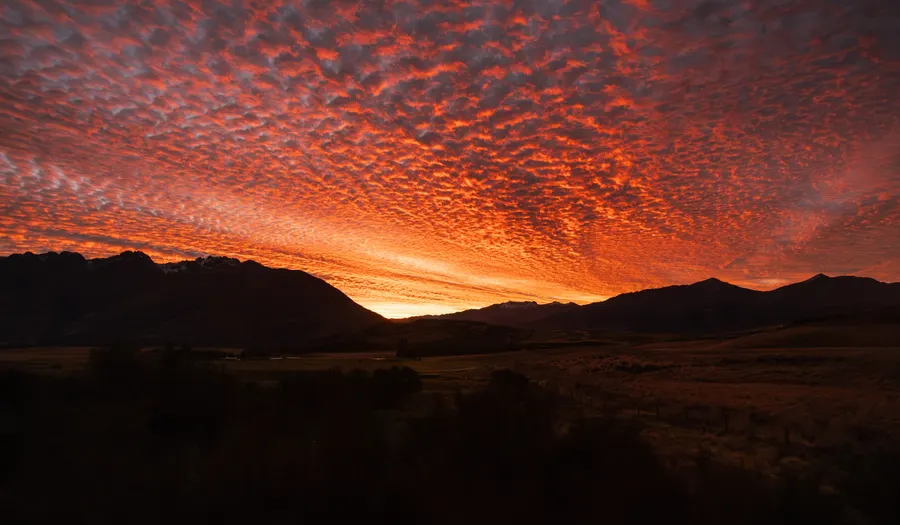
The adventure capital of the world, Queenstown nestles between a turquoise lake and the jagged peaks of the Remarkables. Bungy jumping, jet-boating, paragliding and winter skiing send the adrenaline soaring. The town buzzes with festive energy, with its bars and food scene. Trips to Glenorchy and the Central Otago wine region extend the fun.
Bay of Islands

In the north of the North Island, this subtropical bay strings together more than one hundred and forty islands in deep blue water. You sail, watch dolphins and whales and dive in an idyllic setting. The village of Russell was the first capital, and Waitangi the birthplace of the country's founding treaty. The mild climate invites you to unwind.
How many days, and which itinerary in New Zealand?
Three weeks are ideal for exploring both islands on a road trip without sacrificing the long stretches in the South.
🗺️ Day-by-day New Zealand itinerary · 📓 Printable New Zealand travel guide (PDF)
North Island essentials (10 days)
Auckland, Rotorua, Tongariro and the Bay of Islands cover volcanoes, Māori culture and beaches. An accessible taster for a first trip or limited time.
The South Island on a grand scale (12 days)
Christchurch, the West Coast glaciers, Milford Sound and Queenstown string together the most spectacular landscapes. Ideal for lovers of hiking and wide open spaces.
Grand tour of both islands (21 days)
From Auckland to Queenstown via the Wellington ferry, this road trip embraces the full diversity of the country. The complete formula so you miss nothing.
How to get to New Zealand and get around?
Hiring a car or campervan is the best option, driving on the left on roads in excellent condition.
The ferry between Wellington and Picton links the two islands in three hours; book early in high season.
Domestic flights (Air New Zealand, Jetstar) save time over long distances.
InterCity buses and backpacker networks serve the main sights for those who don't drive.
Where to stay in New Zealand?
Well-equipped youth hostels and backpackers: €25 to €40 for a dorm bed.
Motels and holiday parks with kitchenettes, typical of the country: €70 to €120 for a room or campervan site.
Bed and breakfasts and charming lodges in the heart of nature: €100 to €180 a night.
Luxury hotels and lodges around Queenstown: €250 to €500 a night and more.
Our picks stop by stop, in three price ranges →
What to eat in New Zealand?
Roast New Zealand lamb, reputed among the best in the world, the centrepiece of local tables.
The Māori hāngī, a feast of meat and vegetables steamed underground, an unmissable cultural experience.
Seafood, with Bluff oysters, green-lipped mussels and prawns, abundant on the coasts.
Pavlova, creamy meringue with fruit, and hokey pokey ice cream, the national treats par excellence.
Which kind of traveller is it for?
New Zealand lends itself to an active, nature-focused and relaxing trip. Whether you go solo, as a couple or even with family, everyone can find their own pace there. As for accommodation, it is mostly classic hotels, lodges and camping in the wild.
Entry requirements & practical info
An NZeTA bought online before departure, with a passport: 90 days for EU, US and Canadian visitors, six months for UK ones, and nothing required of Australians.
Rules change: before you leave, check your country's official travel advice.
Once there, to stay online without paying roaming charges, an New Zealand eSIM activates in a few minutes and works as soon as you land (plans from €3.99). Remember suitable travel insurance too.
Cities & regions to discover


Frequently asked questions about New Zealand
When is the best time to go?
The southern summer, from December to March, offers the mildest weather and the longest days. Autumn (April-May) is quieter and more colourful, while winter delights skiers. The seasons are reversed compared with Europe.
What daily budget should you plan for?
Allow €60 to €90 a day with a campervan and home cooking, and €120 to €180 for mid-range comfort. Adventure activities and luxury lodges can exceed €300 a day.
Is the country safe to travel in?
New Zealand is one of the safest countries in the world, with minimal crime. The need for vigilance concerns mainly nature: mountain weather, intense sun and sea currents call for caution and suitable gear.
How do you get around?
Hiring a car or campervan is the top choice, driving on the left on impeccable roads. The ferry links the two islands, and domestic flights save time over long distances.
Similar destinations
 Countries
🇦🇺 Australia
 Region
🇦🇺 Tasmania
 City
🇮🇪 Galway and Connemara
 Countries
🇨🇭 Switzerland
 City
🇺🇸 California
 Countries
🇨🇦 Canada
 Countries
🇵🇫 French Polynesia
 City
🇵🇫 Bora Bora
 Region
🇳🇴 The Norwegian Fjords
 City