When to go to French Polynesia?
→ The detailed month-by-month page, with real weather records
Best time: May to October (dry season)
At a glance
Why go to French Polynesia?
French Polynesia is not a destination, it is a dream you thought belonged only on postcards. One hundred and eighteen islands scattered across an area as big as Europe, lagoons of an impossible blue and vertiginous mountains thrusting out of the ocean. Here, time slows to the rhythm of the ukulele and garlands of tiare flowers. You quickly understand why painters and navigators lost their heads here.
Each archipelago has its own personality. The Society Islands, around Tahiti and Bora Bora, offer dreamy lagoons and overwater bungalows. The Tuamotus, flat atolls resting on the water, are a paradise for divers. In the wilder Marquesas, black cliffs plunge into an ocean with no lagoon. You move from one mood to the next on inter-island flights.
Beyond the landscapes lies mana, the spiritual force that permeates Polynesian culture. Fiery dances, ancestral tattoos, outrigger canoes and legends handed down from generation to generation. The welcome, warm and sincere, turns a stay into an encounter. You leave with a full heart, even if your wallet has grown lighter.
Map of French Polynesia: what is where?
The map shows the 6 places covered in this guide, to picture the distances and plan your route.
- Bora Bora
- Papeete
- Moorea
- Rangiroa
- Huahine
- Fakarava
How much does a trip to French Polynesia cost?
French Polynesia is one of the most expensive destinations in the world, between inter-island flights, accommodation and island life. Family guesthouses remain the key to keeping the budget under control.
| Style | Per day | What it covers |
|---|---|---|
| Backpacker | €90-140/day | Family guesthouse on half board, ferries, meals from the roulottes and picnics. |
| Comfort | €200-350/day | Mid-range hotel, a few inter-island flights and lagoon excursions. |
| Premium | €600+/day | Overwater bungalow, luxury resorts and private transfers. |
The currency is the CFP franc (XPF); cards are accepted in hotels, but keep cash on the smaller islands.
Is French Polynesia safe?
French Polynesia is a very safe destination, with low crime and a warm welcome. The main risks are natural: intense sun, currents in the passes and occasionally cyclones from November to April. No vaccinations are compulsory, but protect yourself from the sun and from mosquitoes, occasional carriers of dengue. Medical care is good in Tahiti, more limited on remote atolls.
What to see and do in French Polynesia
- Bora Bora
- Moorea
- Tahiti
- the Rangiroa lagoon
- diving with the rays
Bora Bora

The ultimate icon of the Pacific spreads its multicoloured lagoon around Mount Otemanu. Overwater bungalows are an institution here, your feet above translucent water. You tour the lagoon by outrigger canoe to swim with rays and blacktip sharks. Sunset over the volcanic peak is an unforgettable memory.
Tahiti and Papeete

The main island welcomes most travellers on arrival. Papeete, the lively capital, moves to the rhythm of its market and its roulottes (food trucks) in the evening. The wilder south coast offers gardens, waterfalls and renowned surf spots. The Tahiti Iti peninsula charms with its unspoilt landscapes and the legendary wave of Teahupo'o.
Moorea
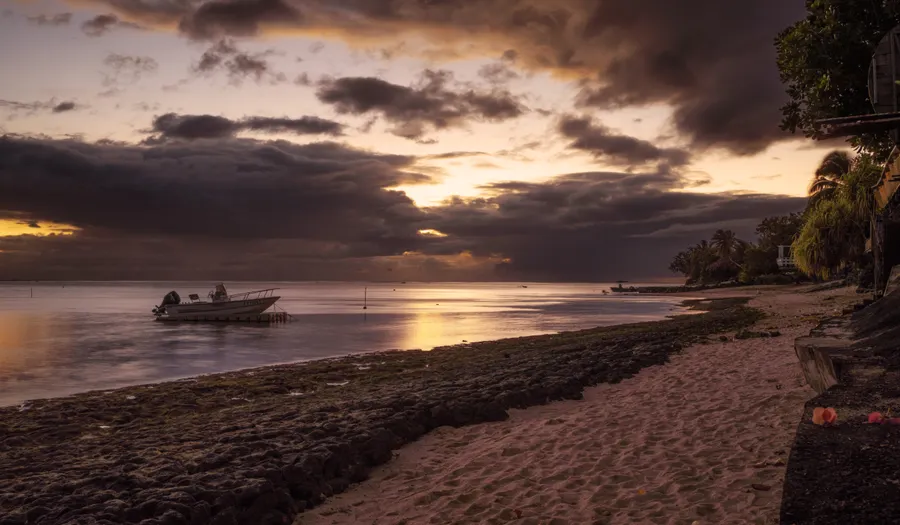
Just thirty minutes by ferry from Tahiti, Moorea raises its jagged mountains above two deep bays. The Belvedere lookout offers a plunging view over Cook's Bay and Opunohu Bay. The lagoon is home to rays, sharks and, in season, humpback whales. More affordable than Bora Bora, it keeps all of its beauty.
Rangiroa

This vast Tuamotu atoll has one of the largest lagoons in the world. The Tiputa Pass is a legendary dive site, crossed by dolphins and sharks. Drifting in the current surrounded by manta rays brings rare thrills. The Blue Lagoon, a huge natural pool, makes a day trip.
Huahine

Nicknamed the wild island, Huahine stays away from mass tourism. Its forested hills and authentic villages recall the Polynesia of old. Archaeological sites, the marae, bear witness to a sacred past. The peaceful lagoon is perfect for swimming, and the sacred blue-eyed eels of Faie are another draw.
Fakarava
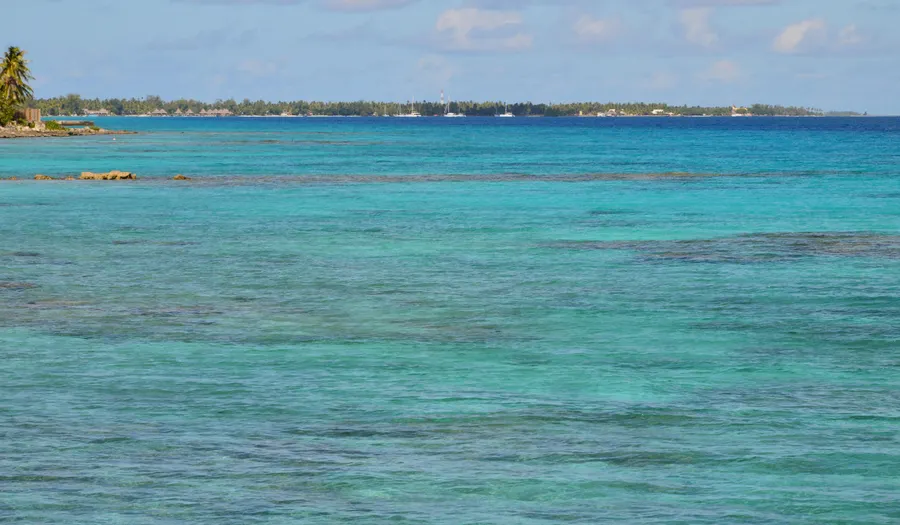
This atoll, a UNESCO biosphere reserve, is an underwater sanctuary. Its south pass, Tumakohua, is home to the famous wall of grey sharks, by the hundred. The drift diving here ranks among the most spectacular in the world. On land, pink-sand beaches and coconut palms create an absolute dream setting.
How many days, and which itinerary?
Allow at least ten to fourteen days to combine two or three islands without spending all your time on inter-island flights.
🗺️ Day-by-day itinerary · 📓 Free printable French Polynesia guide (PDF)
Society Islands (10 days)
After a night in Tahiti, head to Moorea for three days of lagoon and hiking. Finish with four nights in Bora Bora, in an overwater bungalow or a gentler-on-the-budget guesthouse.
Lagoons and diving (14 days)
Combine Tahiti, Moorea and Bora Bora with the atoll of Rangiroa or Fakarava. Divers find the finest passes in the Pacific here, among sharks, dolphins and manta rays.
Off the beaten track (12 days)
From Tahiti, head to authentic Huahine, then Raiatea and its sister island Tahaa. The trip blends sacred marae, vanilla and peaceful lagoons far from the crowds.
Getting there and getting around
Air Tahiti runs the inter-island flights, essential and expensive; multi-island passes can bring the bill down.
The Aremiti or Terevau ferry links Tahiti to Moorea in thirty minutes, a cheap and frequent option.
On the islands, hiring a car, scooter or bike lets you go round at your own pace.
Outrigger shuttles and boat transfers serve hotels and remote motu.
Where to stay in French Polynesia?
Family guesthouses (pensions): €60 to €120 a night, the most authentic and affordable option, often half board.
Mid-range hotels: €150 to €300 for a double room depending on the island.
Overwater bungalows: €400 to €800 a night in Bora Bora, more in the luxury resorts.
Camping and homestays: rare but possible, from €25 on some islands.
Our places to stay, stop by stop, at three budgets →
What to eat in French Polynesia?
Poisson cru à la tahitienne, tuna marinated in coconut milk and lime, the national dish.
Chicken fafa, simmered with taro leaves, mild and fragrant.
Ma'a tinito, a Sino-Polynesian dish of pork, red beans and macaroni.
Po'e, a jelly-like dessert made with fruit such as banana or papaya, topped with coconut milk.
Entry requirements
French Polynesia is not part of the Schengen area. EU citizens need only an ID card or a passport; UK, US, Canadian and Australian passports get 90 days in any 180 without a visa, with a return ticket.
Rules change: check your own government's travel advice before you go.
Cities and regions to discover
 City
City🇵🇫 Bora Bora
 City
City🇵🇫 Moorea
Frequently asked questions about French Polynesia
When is the best time to go?
The dry season, from May to October, is ideal: sunny weather, gentle warmth and low humidity. Avoid the rainy season, from November to April, which is hotter, more humid and exposed to cyclones. Underwater visibility is excellent in the dry season.
What daily budget should you plan for?
Polynesia is very expensive: allow a minimum of €90 to €140 a day in a family guesthouse. A comfortable trip with inter-island flights easily exceeds €200 to €350 a day. Overwater bungalows belong to another budget altogether.
How do you get between the islands?
Flying with Air Tahiti is unavoidable to reach most islands. A fast ferry serves Moorea from Tahiti at a low price. Air Tahiti's multi-island passes help lighten the cost of domestic flights.
When do you have the best chance of seeing whales?
Humpback whales frequent Polynesian waters from July to October. Moorea and Tahiti are excellent spots to watch them. Supervised outings sometimes let you swim alongside them, with respect for the animal.
Similar destinations
 Region
🇪🇨 The Galápagos Islands
 Region
🇦🇺 Tasmania
 City
City🇦🇺 The Great Barrier Reef
 Country
🇹🇿 Tanzania
 Country
🇵🇭 The Philippines
 Country
🇦🇺 Australia
 Country
🇳🇿 New Zealand
 City
City🇨🇱 Easter Island
 Region
🇳🇴 The Norwegian Fjords
 Region