When to go to Switzerland?
→ The detailed month-by-month page, with real weather records
Best time: June to September (skiing: December to March)
At a glance
Why go to Switzerland?
Switzerland packs an almost indecent density of the sublime into a tiny territory. The icy summit of the Matterhorn, lakes of an unreal turquoise, dizzying waterfalls, alpine pastures ringing with cowbells: every valley has its own masterpiece. This is a country that has turned its mountains into an art of living and of welcoming guests, with an efficiency that borders on perfection.
Nowhere else does the train reach such heights of poetry. Panoramic carriages with picture windows, rack railways climbing towards the glaciers, funiculars clinging to the slopes: the Swiss rail network is an attraction in its own right. Boarding the Glacier Express or the Bernina means crossing the Alps in slow motion, nose pressed to the glass, in legendary comfort and punctuality.
Switzerland also nurtures a fascinating plural identity, at the crossroads of four languages and three great European cultures. Within an hour you move from the Germanic rigour of Zurich to the Mediterranean softness of Ticino, from the French-speaking refinement of Geneva to the Romansh valleys of Graubünden. This mosaic, held together by a keen sense of consensus, has turned neutrality and precision into a genuine national philosophy.
Map of Switzerland: what is where?
The map shows the 6 places covered in this guide, to picture the distances and plan your route.
- Zermatt
- Interlaken
- Lucerne
- Geneva
- St Moritz
- Lugano
How much does a trip to Switzerland cost?
Switzerland is one of the most expensive destinations in Europe, across the board. Transport passes and meals from supermarkets or mountain huts help keep the bill in check.
| Style | Per day | What it covers |
|---|---|---|
| Backpacker | €90-140/day | Youth hostel, supermarket meals, free hikes and a transport pass. |
| Comfort | €200-320/day | Mid-range hotel, restaurants, panoramic trains and mountain lifts. |
| Premium | €400+/day | Luxury chalets, gourmet restaurants and high-end alpine experiences. |
The currency is the Swiss franc, not the euro; cards are accepted everywhere, but sometimes at an unfavourable exchange rate if you pay in euros.
Is Switzerland safe?
Switzerland regularly ranks among the safest countries on the planet, with very low crime and faultless infrastructure. In the mountains, caution is essential given the changeable weather, avalanches in winter and altitude sickness at high elevations: get properly equipped and follow local advice. The healthcare system is excellent but very expensive, so solid travel insurance is strongly recommended: the European Health Insurance Card is valid there, but only covers care at local rates. Water from public fountains is almost always drinkable and remarkably pure.
What to see and do in Switzerland
- the Matterhorn and Zermatt
- Lake Geneva and Geneva
- the Jungfraujoch
- the Glacier Express
- Lucerne and its lake
Zermatt and the Matterhorn
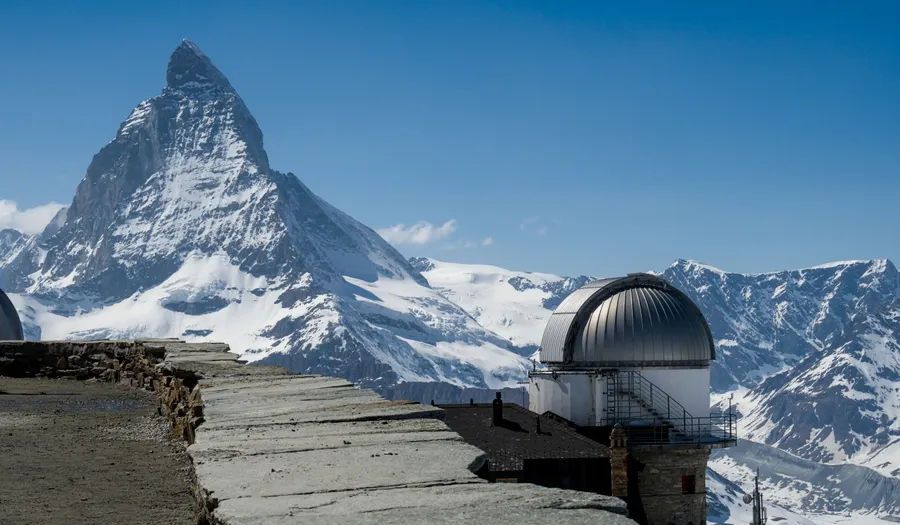
At the foot of the Matterhorn's perfect pyramid, Zermatt is a car-free village where you get around on foot or by electric cart. The legendary peak, immortalised on chocolate bars, is best admired from the Gornergrat, reached by a spectacular rack railway. Summer hiking and world-famous skiing share the year between them. The Matterhorn Glacier Paradise lift leads up to Europe's highest cable car. The chic alpine atmosphere and pure air are intoxicating.
Interlaken and the Jungfrau

Nestled between two turquoise lakes, Interlaken is the gateway to the Bernese Oberland and its giants of ice. A rack railway climbs to the Jungfraujoch, the Top of Europe, the highest railway station on the continent at more than three thousand five hundred metres. The villages of Grindelwald and Lauterbrunnen, tucked beneath waterfalls and sheer rock walls, are breathtaking. It is paradise for lovers of hiking, paragliding and thrills. The views of the Eiger, the Mönch and the Jungfrau are unforgettable.
Lucerne

On the shore of its deep lake and ringed by mountains, Lucerne charms at first sight. Its wooden Chapel Bridge, decorated with paintings and topped by a tower, is the oldest covered bridge in Europe. The medieval old town lines up painted facades and lively cobbled squares. You can easily climb Pilatus or the Rigi by rack railway and boat for sublime views. The city makes a perfect base for exploring central Switzerland.
Geneva and Lake Geneva

Cosmopolitan and international, Geneva stretches along the largest alpine lake, dominated by the Jet d'Eau, which shoots its plume a hundred and forty metres into the air. Home to many global organisations including the UN, the city breathes diplomacy and luxury watchmaking. The old town and St Peter's Cathedral look down on flower-filled quays. Cruises on Lake Geneva head towards Lausanne and the UNESCO-listed terraced vineyards of Lavaux. A refined French-speaking elegance reigns here.
Graubünden and St Moritz

The largest and wildest of the cantons, Graubünden is home to the timeless chic of St Moritz, birthplace of winter tourism and playground of the jet set. This is where the legendary Bernina Express runs, crossing spiral viaducts and snowy passes all the way to Italy. The Swiss National Park, the only one in the country, protects untouched alpine nature. Romansh villages, frozen lakes and glaciers make up landscapes of rare purity. Winters here are glamorous, summers delightfully peaceful.
Ticino and Lugano

South of the Alps, Ticino tips into a Switzerland with an Italian accent: palm trees, sparkling lakes and arcaded squares. Lugano, curled around its lake, blends Mediterranean ease with Swiss rigour. Here you savour the dolce vita between markets, gelati and boat trips to Gandria or Morcote. The Verzasca and Maggia valleys offer rivers of an incredible emerald green and romantic stone bridges. A complete change of scene just a few hours from Zurich.
How many days, and which itinerary?
A week is enough to sample the Alps and two or three regions; allow ten days to combine mountains, lakes and a stop in sunny Ticino.
🗺️ Day-by-day itinerary · 📓 Free printable Switzerland guide (PDF)
The essential Alps (6 days)
Base yourself in Interlaken for the Jungfrau and Grindelwald, then head to Zermatt and the Matterhorn on the panoramic train. Finish in Lucerne and its lake for an urban, medieval touch.
Grand panoramic tour (9 days)
String together the legendary trains: the Glacier Express from Zermatt to St Moritz, then the Bernina Express heading south. Wind down in gentle Ticino, in Lugano, before heading back up to Lucerne.
Lakes and cities (7 days)
Geneva and the Lavaux vineyards, Olympic Lausanne, then Lucerne and central Switzerland. Add a high-altitude escape to Pilatus or the Titlis for eternal snow.
Getting there and getting around
The train is king and legendarily punctual: the Swiss Travel Pass gives unlimited access to trains, buses and boats, and is often the best value for visitors.
Panoramic trains such as the Glacier Express and the Bernina Express are experiences in their own right; book ahead to secure a seat.
Funiculars, rack railways and cable cars serve the summits with Swiss-clock regularity; some are included or discounted with the pass.
A car lets you explore remote valleys, but mountain pass roads close in winter and city parking is expensive.
Where to stay in Switzerland?
Youth hostels and mountain dormitories: €40 to €80 a night, the wisest option in a country known for being expensive.
Mid-range hotels and family-run guesthouses: €130 to €250 for two, more in the most sought-after resorts.
Luxury chalets and grand historic alpine hotels: €300 to €600 and well beyond in Zermatt or St Moritz in high season.
Tip: mountain huts and lodgings down in the valleys, away from the star resorts, noticeably lighten the accommodation budget.
Our places to stay, stop by stop, at three budgets →
What to eat in Switzerland?
Cheese fondue, a pot of melted cheese into which you dip cubes of bread, the emblematic convivial dish of winter evenings.
Raclette, melted cheese scraped over potatoes, gherkins and pickled onions, a comforting mountain treat.
Rösti, a golden potato cake, the classic side dish of Swiss German cooking.
Swiss chocolate and meringues with Gruyère double cream, the country's unmissable sweet treats.
Entry requirements
Schengen area: an ID card or passport for EU citizens, 90 days visa-free for UK, US, Canadian and Australian passports.
Rules change: check your own government's travel advice before you go.
Cities and regions to discover
 City
City🇨🇭 Geneva
 City
City🇨🇭 Interlaken
 City
City🇨🇭 Lucerne
 City
City🇨🇭 Zermatt
Frequently asked questions about Switzerland
When is the best time to go?
June to September for hiking, flower-filled pastures and open passes; December to March for skiing. The shoulder seasons are quieter, but some lifts close.
What daily budget should I plan for?
Switzerland is expensive: allow at least €90 to €140 when travelling very frugally, and €200 to €320 for a comfortable stay. Transport and restaurants weigh heavily.
How do I get around Switzerland?
The perfectly punctual train serves the whole country and climbs to the summits by rack railway and cable car. The Swiss Travel Pass is often the best-value option for visitors.
Can you pay in euros in Switzerland?
The official currency is the Swiss franc. Some shops accept euros but give change in francs at an often unfavourable rate, so it is better to pay by card or in francs.
Similar destinations
 City
City🇮🇪 Galway and Connemara
 Country
🇳🇿 New Zealand
 Country
🇫🇮 Finland
 City
City🇫🇷 Annecy
 Region
🇳🇴 The Norwegian Fjords
 Region
🇫🇮 Finnish Lapland
 City
City🇮🇸 Reykjavík
 City
City🇫🇮 Rovaniemi
 Region
🇫🇷 The French Basque Country
 Region