When to go to Las Vegas?
→ The detailed month-by-month page, with real weather records
Best time: March to May and October to November
At a glance
Why go to Las Vegas?
There is nowhere quite like Las Vegas: a city of 2.3 million people that grew out of a 1905 railway station in the middle of the desert and turned the legalisation of gambling in 1931 into an industry drawing 40 million visitors a year. The Strip lines up the biggest hotels in the world, several with more than 4,000 rooms, each designed as a stage set, and the names change with every demolition and opening, from the Mirage, which fell in 2024, to the Sphere, switched on in 2023. People come here to look, more than to gamble.
The city has reinvented itself as a capital of shows and dining. Singers' residencies, Cirque du Soleil with six permanent shows, boxing and MMA fights, the Formula 1 Grand Prix on the Strip since 2023, and Raiders and Golden Knights games fill the venues all year round. On the food side, most of America's big-name chefs and a handful of French ones run a restaurant here, and the buffets have given way to food halls and omakase counters.
Finally, Las Vegas is the best base for the desert Southwest. Red Rock Canyon is 25 minutes away, the Hoover Dam 45, the Valley of Fire an hour, the West Rim of the Grand Canyon two and a half hours and the South Rim four and a half. Zion, Bryce and Death Valley each take two days. A car hired at the airport turns a casino weekend into the start of a road trip, which explains why so many travellers begin or end their loop of the West here.
Map of Las Vegas: what is where?
The map shows the 6 places covered in this guide, to picture the distances and plan your route.
- The Strip
- Fremont Street
- Red Rock Canyon
- Hoover Dam
- Valley of Fire
- Grand Canyon West
How much does a trip to Las Vegas cost?
Las Vegas can be cheap or ruinous depending on the day and your choices. Rooms are cheap midweek, but resort fees, parking and taxes add $60-80 a night, shows cost $80-300 and chef-led restaurants as much again. Entry to the big attractions, on the other hand, is free.
| Style | Per day | What it covers |
|---|---|---|
| Backpacker | €80-120/day | Downtown motel or a south Strip casino midweek, the Deuce bus, food halls and Chinatown, free shows |
| Comfort | €180-260/day | Central Strip hotel, hire car, one paid show, one desert excursion, steakhouse dinner |
| Premium | €500+/day | Bellagio or Wynn, private poolside cabana, the Sphere and a singer's residency, chef's tables, helicopter to the Grand Canyon |
Dollars are spent by contactless card almost everywhere, including for tips, calculated at 18-22% in restaurants. Casino cash machines charge $5-10 per withdrawal, so withdraw at the airport or at a bank. Displayed prices exclude tax: add 8.4% on purchases and 13.4% on rooms, not to mention the service charges added to most bills.
Is Las Vegas safe?
Las Vegas is a safe city for visitors, with a heavy police and private security presence on the Strip and on Fremont. Pickpockets work the crowds on the pavements and in the casinos, so keep your wallet and phone in front of you. Avoid walking alone at night in the streets north of Fremont and east of the Strip, where poverty is visible. Alcohol is drunk in the street, and so are the excesses, and casino cash machines charge high fees. The real danger is the heat: from June to September, it reaches 40-45°C in the afternoon, so drink a litre of water for every hour of walking and stay out of the desert between 10am and 5pm, when the Valley of Fire trails close. By car, fill the tank before the parks, as petrol stations are far apart. Healthcare is excellent but very expensive, health insurance covering the United States is essential, and carrying guns, legal in Nevada, is something you will come across.
What to see and do in Las Vegas
- The Strip
- Bellagio Fountains
- Fremont Street Experience
- Sphere
- Neon Museum
- Red Rock Canyon
- Hoover Dam
- Valley of Fire
The Strip

Seven kilometres of Las Vegas Boulevard, from Mandalay Bay to the Strat, lined with some thirty casino hotels whose lobbies stay open day and night. Each one is visited like an attraction: the Mirage volcano vanished in 2024, but the Venetian's canals, the Bellagio's conservatory, the Paris's Eiffel Tower and the Forum Shops at Caesars remain. Hotels on the central Strip, between the Bellagio and the Wynn, are best placed for doing everything on foot. Footbridges, free trams and the paid monorail spare you from crossing the eight-lane boulevard.
Downtown and Fremont Street

The Las Vegas that came before the Strip, around Fremont Street and its 1940s casinos, covered since 1995 by a 420-metre canopy of screens. Table minimums are lower, hotels cost half as much and the historic signs are still in place. The Mob Museum, in the old federal courthouse, tells the story of the Mafia that built the city, the Neon Museum preserves the signs of demolished casinos, and the East Fremont District is lined with cocktail bars and neighbourhood restaurants. The Deuce bus links Downtown to the Strip in 30 to 45 minutes.
Red Rock Canyon

25 km to the west, 900-metre red sandstone cliffs border a 21 km scenic drive. This is where Las Vegas locals come to play: hiking on some thirty trails, climbing on 2,000 routes, cycling on the loop. Calico Tanks, 4 km return, and Ice Box Canyon, 4.2 km, are the most accessible walks. The area takes half a day, early in the morning in summer. From October to May, the scenic drive requires a timed reservation booked online. The village of Blue Diamond, at the entrance, serves a good breakfast.
Hoover Dam and Lake Mead

50 km away, the 221-metre dam completed on the Colorado in 1936 can be toured right down to the turbines, and the neighbouring bridge gives the full view from its walkway. Upstream, Lake Mead is a national recreation area with 600 km of shoreline where you can hire kayaks and boats, and where the falling water has left a 50-metre white ring on the cliffs. Downstream, you can paddle 20 km of Black Canyon to Willow Beach, between hot springs and basalt walls, a day trip from Las Vegas.
Valley of Fire

A 19,000-hectare state park 80 km to the north-east, where fossilised dunes form waves of red and pink sandstone. The Fire Wave, 2.4 km return, is the walk not to miss, followed by White Domes and the petroglyphs of Atlatl Rock. Driving through with stops takes two or three hours, half a day if you add the trails. It is open from sunrise to sunset, with no accommodation apart from two campgrounds. In summer the heat tops 45°C and the trails close in the middle of the day, so visit at dawn or between November and March.
The Grand Canyon from Las Vegas

Two options from the city. Grand Canyon West, on the Hualapai reservation, 200 km and two and a half hours' drive away, with the Skywalk, a horseshoe-shaped glass walkway over the void, for around €65 for basic entry, and a canyon narrower than the one on the postcards. The South Rim, in the national park, 450 km and four and a half hours away, with Mather Point, the Rim Trail and the descents on Bright Angel: this is the real Grand Canyon, and it deserves a night in Tusayan or inside the park rather than a day trip there and back.
How many days, and which itinerary?
Two nights are enough for the Strip, Fremont Street and a show. Three or four nights add Red Rock, the Hoover Dam and the Valley of Fire. Beyond that, Las Vegas becomes the starting point of a road trip to the Grand Canyon, Zion or Death Valley.
🗺️ Day-by-day itinerary · 📓 Free printable Las Vegas guide (PDF) · 🌍 All of the American West
The weekend (3 days)
Day 1: arrive, walk the Strip from the Bellagio to the Venetian, fountains at nightfall, dinner at one of the chef-led restaurants in the Cosmopolitan or the Wynn. Day 2: Red Rock Canyon by car in the morning, the pool in the afternoon, a Cirque du Soleil show or a session at the Sphere in the evening. Day 3: Fremont Street and Downtown, the Mob Museum or the Neon Museum, then back to the Strip for a final drink up high at the Strat or the Eiffel Tower.
City and desert (5 days)
The three weekend days, plus a day out to the Hoover Dam and Lake Mead, touring the dam in the morning and kayaking or swimming in the afternoon, and a day in the Valley of Fire, leaving at dawn for the Fire Wave and the petroglyphs. Hire the car as soon as you arrive: hotels charge for parking, but coach excursions cost more than the rental and lock you into fixed schedules.
Gateway to the Southwest (10 days)
Two nights in Las Vegas for the Strip, then the classic loop by car: the Grand Canyon's South Rim over two days via Route 66 and Williams, Monument Valley and Page with Antelope Canyon and Horseshoe Bend, Bryce Canyon, Zion, and back to Las Vegas via St George. Allow 1,800 km, hotel bookings made well ahead inside the parks, and a last night on the Strip for a show before your flight.
Getting there and getting around
Harry Reid International Airport is 5 km from the Strip, and a taxi costs $20-30 at regulated fares.
On the Strip, you walk, take the free trams between certain hotels, the paid monorail on the east side at $6 a ride, or the Deuce bus at $4, which runs as far as Fremont. Taxis and ride-hailing cars pick up only at hotel drop-off areas.
The Vegas Loop, a tunnel under the convention centre where Teslas shuttle passengers, links a few hotels for a few dollars, more of a curiosity than a transport network. RTC buses 108 and 109 serve the airport for $4, taking 30 minutes to the Strip.
A hire car costs €40-70 a day at the airport, taxes and insurance included. Strip hotels charge $15-25 a night for parking, while Downtown is often free. A car becomes essential as soon as you head out to Red Rock, Hoover or the parks.
Where to stay in Las Vegas?
The big casinos at the south end of the Strip, Excalibur, Luxor and Circus Circus, offer rooms for €40-70 midweek, but add a resort fee of $40-50 a night, never included in the advertised price, plus parking. At weekends and during trade shows, rates triple.
Hotels on the central Strip, Paris, Caesars and the Cosmopolitan, cost around €120-200 a night midweek, with the same fees. They are the best placed for doing everything on foot and for watching the Bellagio fountains from your room.
Downtown, the Golden Nugget, the Plaza and Fremont's renovated motels cost half as much as the Strip and put you right by the bars and historic casinos, with the Deuce taking you back to the Strip in 30 minutes.
The Bellagio, Wynn, Aria, Waldorf Astoria or Four Seasons go for €250-500 a night, the last two without a casino, with reserved pools and chef-led restaurants. For a longer stay, aparthotels off the Strip offer kitchens and free parking.
Our places to stay, stop by stop, at three budgets →
What to eat in Las Vegas?
The buffets have all but disappeared, replaced by food halls such as Proper Eats or Famous Foods at Resorts World, where you can eat Thai, Korean or Mexican for $15-20. The chef-led restaurants, Bourdain in the past, Joël Robuchon, Guy Savoy or José Andrés, serve menus at $150-400.
Chinatown, on Spring Mountain Road 3 km from the Strip, is the best neighbourhood to eat in: dim sum, ramen, Korean barbecue and taquerias at normal prices, open late into the night. Taxis get there in ten minutes, and locals eat out here more often than on the Strip.
The steakhouse remains the local institution, from the Golden Steer, opened in 1958, where the Rat Pack used to eat, to the tables in the casinos, at $60-120 for dinner. Weekend brunch is another ritual, often with bottomless champagne.
Cocktails cost $18-25 in hotel bars, but are free for anyone playing the machines or the tables, with a tip of a dollar or two to the server expected. Tap water is safe to drink; the bottles in the rooms are charged.
Entry requirements
UK, Australian and most EU passports need an ESTA, applied for online before departure, for stays of up to 90 days; a few EU countries sit outside the Visa Waiver Program and need a full visa. Canadians need neither, only a passport. Anyone who has been to Cuba since January 2021 cannot use an ESTA and must apply for a visa.
Rules change: check your own government's travel advice before you go.
Frequently asked questions about Las Vegas
When is the best time to visit Las Vegas?
From March to May and from October to November, with 20-30°C during the day, which suits both the Strip and trips into the desert. Summer goes above 40°C: the pools are packed, but Red Rock and the Valley of Fire become impractical after 10am. Weekends with big trade shows, New Year and the Formula 1 race in November make room prices triple.
How many days should I spend there?
Two or three nights are enough for the Strip, Fremont Street, a show and half a day at Red Rock. Five days add the Hoover Dam and the Valley of Fire. Most travellers spend two or three nights here at the start or end of a road trip through the parks of the West.
What are resort fees?
Mandatory charges of $35-55 a night that almost every hotel on the Strip adds to the room rate, supposedly covering wifi and the pool, and not included in the price shown on booking sites. Add the 13.4% room tax and parking at $15-25. A room advertised at $50 therefore often ends up costing $110.
Can you visit the Grand Canyon from Las Vegas in a day?
Yes, to Grand Canyon West and its Skywalk, two and a half hours' drive away, but that is not the canyon of the national park. The South Rim is four and a half hours away, which makes a day trip exhausting. Better to spend a night there, or take a four-hour helicopter flight from Las Vegas for €400-600 per person.
Similar destinations
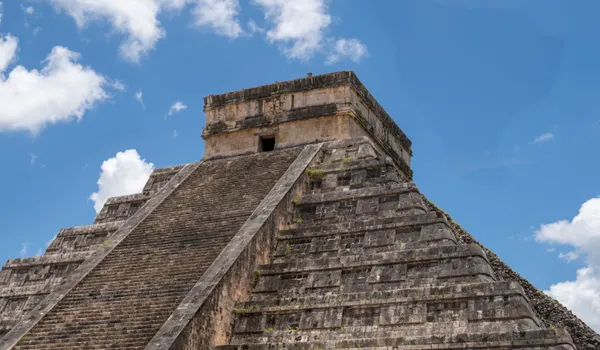 Country
🇲🇽 Mexico
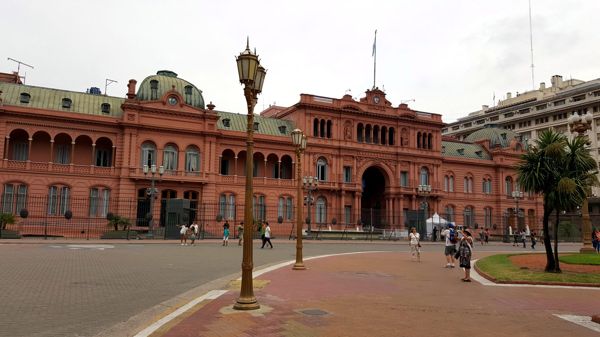 Country
🇦🇷 Argentina
 City
City🇲🇽 Mexico City
 City
City🇲🇦 Marrakech
 City
City🇯🇵 Tokyo
 Country
🇨🇳 China
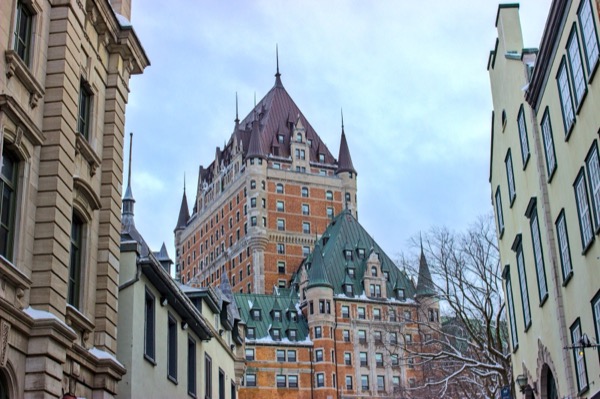 City
City🇨🇦 Montreal and Quebec City
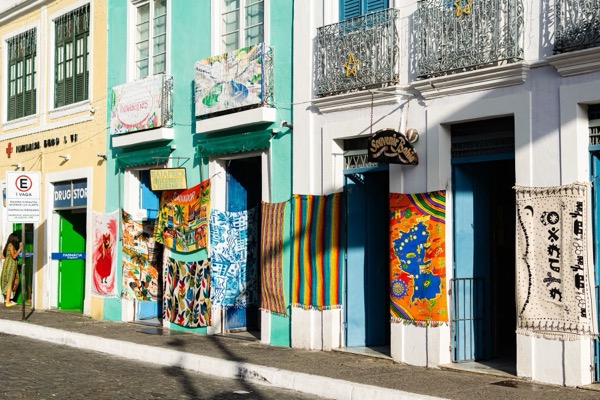 City
City🇧🇷 Salvador da Bahia
 City
City🇨🇦 Montreal
 City
City