When to go to Tokyo?
→ The detailed month-by-month page, with real weather records
Best time: March to May and October to November
At a glance
Why go to Tokyo?
Tokyo is a fascinating megacity where the ultra-modern rubs shoulders with the ancestral in disconcerting harmony. Futuristic skyscrapers, neon-saturated crossings and centuries-old temples coexist in the same neighbourhood. This sprawling capital, one of the most populous in the world, nonetheless proves surprisingly orderly, clean and reassuring.
The city is discovered neighbourhood by neighbourhood, each with its own personality. Shibuya pulses to the beat of youth and fashion, Asakusa preserves the atmosphere of old Edo, while Ginza embodies luxury. In a few stops you go from a peaceful temple to a maze of hyperactive electronic arcades.
Tokyo is also an unrivalled food capital, with more Michelin stars than any other city. From sushi counters to steaming ramen stalls, culinary excellence lurks everywhere, even in the humblest corners. Every meal, from the simplest to the most refined, becomes a memorable experience.
Map of Tokyo: what is where?
The map shows the 6 places covered in this guide, to picture the distances and plan your route.
- Shibuya Crossing
- Senso-ji Temple
- Shinjuku
- Meiji Shrine
- Akihabara
- Tsukiji Market
How much does a trip to Tokyo cost?
Tokyo is more affordable than you might imagine, especially when it comes to food. Accommodation and transport are the main expenses.
| Style | Per day | What it covers |
|---|---|---|
| Backpacker | €50-80/day | Capsule hotel, ramen, konbini and public transport |
| Comfort | €120-200/day | Well-located hotel, varied restaurants and a few paid activities |
| Premium | €350+/day | Luxury hotel, fine-dining tables and private experiences |
Japan remains attached to cash; withdraw yen from the cash machines in konbini, which accept foreign cards.
Is Tokyo safe?
Tokyo ranks among the safest big cities in the world, with extremely low crime. It is not unusual for a lost item to be handed in at the neighbourhood police box. The main nuisances are the density of the rush-hour crowds and the complexity of the transport network. Stay alert during the occasional earthquake by following the posted instructions. If in doubt, locals and staff are remarkably helpful, even if you do not speak Japanese.
What to see and do in Tokyo
- Shibuya and its crossing
- Senso-ji temple
- Shinjuku
- the Akihabara district
- Tsukiji Market
Shibuya Crossing

This pedestrian crossing is the busiest in the world, crossed by thousands of people at every light change. Beneath the giant screens and neon, the crowd flows in a hypnotic, perfectly smooth ballet. The statue of Hachiko the dog, close by, is the city's iconic meeting point. Cafés on upper floors offer the best view of this urban spectacle.
Senso-ji Temple in Asakusa
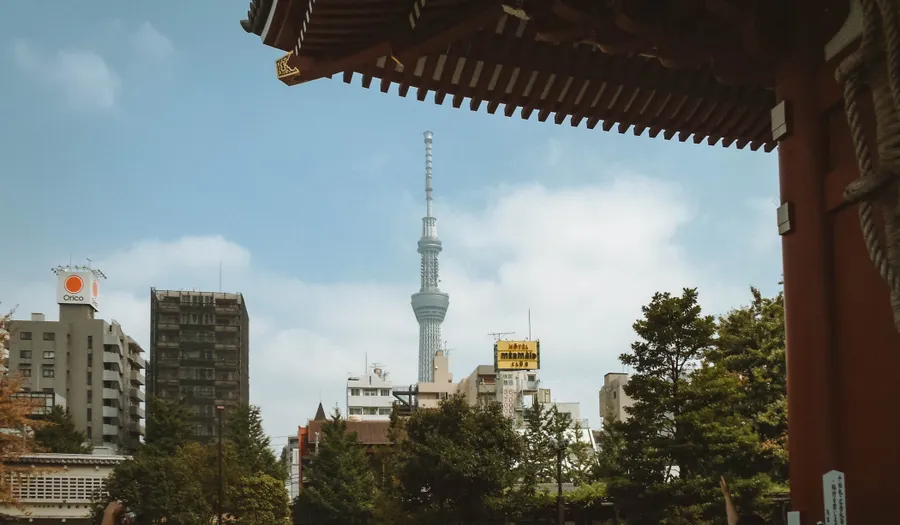
Tokyo's oldest temple, this Buddhist sanctuary founded in the 7th century draws millions of visitors. You enter through the Kaminarimon Gate with its gigantic red lantern, then along a lively shopping street. Incense rises before the main hall as worshippers draw their fortunes. It is the beating heart of old Tokyo, steeped in tradition.
Shinjuku

This district never sleeps, between government skyscrapers, the world's busiest station and effervescent nightlife. The alleys of Golden Gai and Omoide Yokocho pack in a myriad of tiny bars. The free observatory at the city hall offers a panoramic view as far as Mount Fuji on clear days. Neon, izakayas and crowds make up a cinematic backdrop.
Meiji Shrine

Nestled in a vast forest in the heart of the city, this Shinto shrine is dedicated to Emperor Meiji. You approach it through majestic wooden torii spanning a soothing wooded avenue. It is an unexpected haven of serenity, a stone's throw from the bustle of Harajuku. Traditional wedding ceremonies are frequent here at weekends.
Akihabara
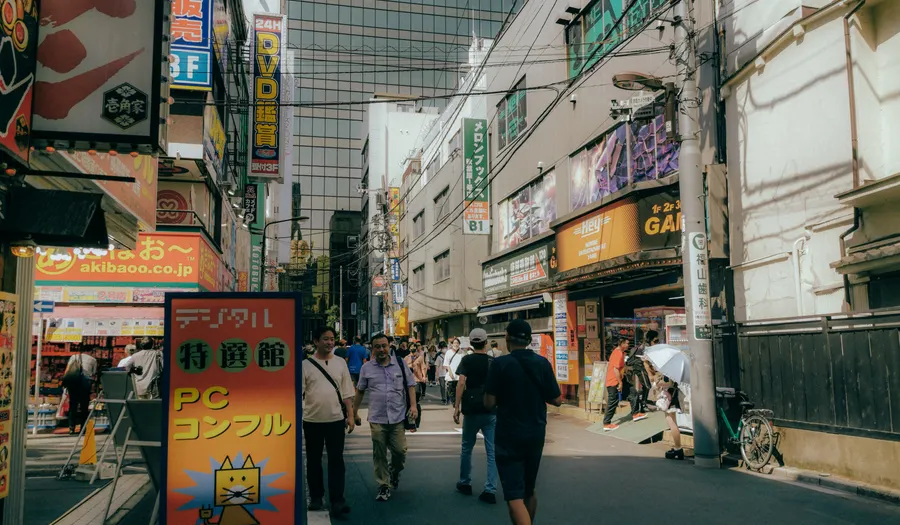
A paradise of geek culture and electronics, Akihabara overflows with high-tech shops, manga and video games. Multicoloured façades, arcades and themed cafés create a unique atmosphere. It is the temple of Japanese pop culture, where you dive into the otaku universe. Gadget and figurine fans will find everything they could wish for.
Tsukiji Market
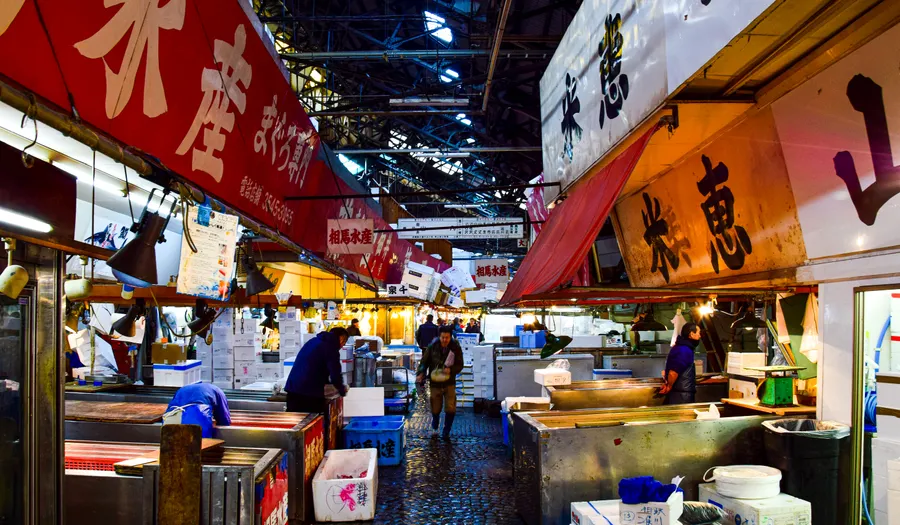
Although the wholesale market has moved, Tsukiji Outer Market remains a hotspot of gastronomy. Its lanes are crammed with stalls serving sushi, seafood skewers and tamago omelettes. You taste the freshest fish in Tokyo in an authentic, lively atmosphere. It is an unmissable stop for anyone who loves Japanese food.
How many days, and which itinerary?
Allow 4 to 5 days to explore Tokyo's main neighbourhoods, more for excursions in the surrounding area.
🗺️ Day-by-day itinerary · 📓 Free printable Tokyo guide (PDF) · 🌍 All of Japan
Tokyo discovery (4 days)
Devote one day to Shibuya and Harajuku, one to Asakusa and Ueno, one to Shinjuku, and the last to Akihabara and Ginza. Each neighbourhood reveals a different side of the capital.
Tokyo in depth (6 days)
Add days for the museums, the Odaiba district and an immersion in izakayas. Take time to wander and savour the city beyond the big sights.
Tokyo and around (8 days)
Round off the city stay with excursions to Nikko, Kamakura or Mount Fuji. These getaways offer temples, nature and volcanoes within train reach of the capital.
Getting there and getting around
The metro and JR trains cover the whole city with legendary punctuality
A prepaid Suica or Pasmo card simplifies every journey with a simple tap
The Japan Rail Pass is mainly worthwhile if you travel beyond Tokyo
Taxis are impeccable but expensive, best kept for late-night journeys
Where to stay in Tokyo?
Hostels and capsule hotels: €20 to €40 a night
Functional business hotels: €60 to €100 a room
Well-located mid-range hotels: €120 to €200 a night
Luxury hotels with a view: €300 and up a night
Our places to stay, stop by stop, at three budgets →
What to eat in Tokyo?
Sushi and sashimi reach incomparable freshness, from the modest counter to the three-star table
Ramen comes in endless variations, each stall defending its own recipe
Izakayas serve yakitori skewers and small plates for sharing in the evening
Department store basement food halls are packed with gourmet treasures
Entry requirements
Visa-free for 90 days for EU, UK, US, Canadian and Australian passports.
Rules change: check your own government's travel advice before you go.
Frequently asked questions about Tokyo
When is the best time to visit Tokyo?
Spring, for the cherry blossom from late March to early April, and autumn, from October to November, for its colours, are the most popular.
How many days should you spend in Tokyo?
Four to five days let you cover the main neighbourhoods, more for excursions in the surrounding area.
What daily budget for Tokyo?
Allow €50 to €80 a day as a backpacker and €120 to €200 for a comfortable stay.
How do you get around Tokyo?
The metro and JR trains are ultra-efficient, and a Suica or Pasmo card makes every journey smooth and hassle-free.
Which area should you stay in in Tokyo?
Shinjuku and Shibuya offer buzz and handy connections, while Asakusa charms with its traditional character and gentler prices.
Similar destinations
 City
City🇹🇭 Bangkok
 Country
🇨🇳 China
 Country
🇲🇽 Mexico
 Country
🇰🇷 South Korea
 City
City🇹🇷 Bodrum
 City
City🇹🇷 Istanbul
 City
City🇺🇸 Las Vegas
 City
City🇲🇽 Mexico City
 City
City🇨🇳 Shanghai
 City
City