When to go to Japan?
→ The detailed month-by-month page, with real weather records
Best time: March to May and October to November
At a glance
Why go to Japan?
Japan moves to two rhythms at once. In a Tokyo backstreet, neon crackles and izakaya spill over until midnight; a few hours away by train, a Kyoto temple imposes its silence and the scent of incense. This leap between the ultra-modern and the sacred is something you only truly experience here.
What strikes you is the precision of everyday life: trains on time to the second, convenience stores open all night, spotless streets without a bin in sight. For a first big long-haul trip, Japan reassures as much as it disorients, because everything works and nothing resembles what you know.
And then there are the seasons, which transform the country completely. Cherry blossom in April turns every park into a pink painting, maples redden the mountains in November, and winter blankets the onsen in snow. Choosing your season already means choosing your Japan.
Map of Japan: what is where?
The map shows the 6 places covered in this guide, to picture the distances and plan your route.
- Tokyo
- Kyoto
- Mount Fuji
- Nara
- Hakone
- Hiroshima
How much does a trip to Japan cost?
Japan has a reputation for being expensive, but it stays manageable with a little organisation. Accommodation and long-distance trains weigh most heavily, while eating well costs surprisingly little.
| Style | Per day | What it covers |
|---|---|---|
| Backpacker | €70-90 | capsules and hostels, ramen, city transport |
| Comfort | €110-150 | business hotels, a few Shinkansen rides, restaurants |
| Treat | €200 and up | ryokan, kaiseki, JR Pass and taxis |
Yen can increasingly be paid by card, but keep cash for small shops and temples. Tipping does not exist and can even cause embarrassment.
Is Japan safe?
Japan is one of the safest countries in the world, with very low crime and lost property often returned. The main hazards are natural: earthquakes and summer typhoons, for which you simply need to follow local instructions. Health standards are excellent and no particular vaccination is required. The language barrier fades thanks to translation apps and frequently bilingual signage.
What to see and do in Japan
- Tokyo (Shibuya, Asakusa)
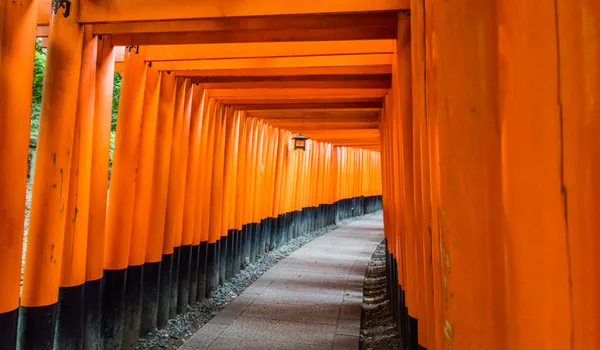
- Kyoto: Fushimi Inari & Arashiyama
- Mount Fuji and the Fuji Lakes
- Nara and its deer
- Onsen in Hakone
Tokyo, from Shibuya to Asakusa
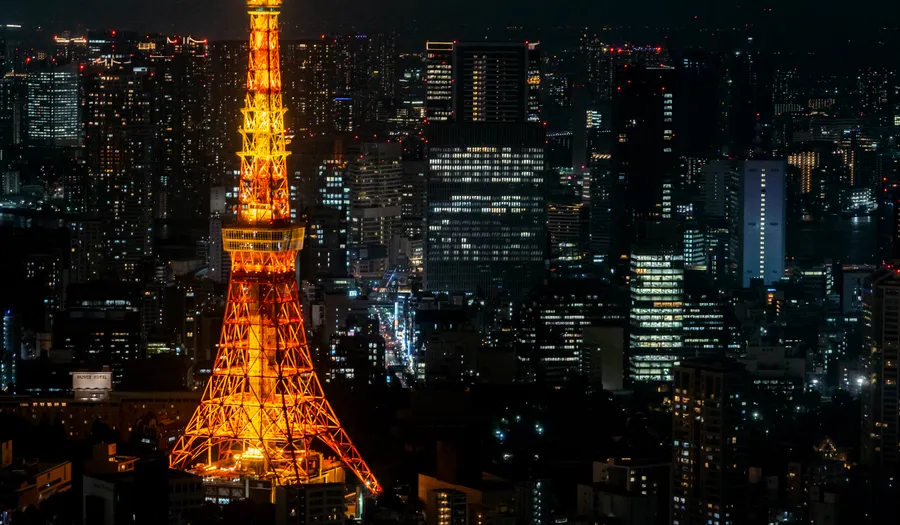
The capital reveals itself through contrasting neighbourhoods. Shibuya and its legendary crossing, Shinjuku and its yokocho alleys, then Asakusa and Senso-ji temple, which recalls old Edo. You can easily spend three or four days here without getting bored, between skyscrapers, shrines and department store basements devoted to food. In the evening, a ramen counter in a corridor is enough to make a memory.
Kyoto, Fushimi Inari and Arashiyama

The former imperial capital, Kyoto distils the picture-book image of Japan. The thousands of vermilion torii gates of Fushimi Inari climb the hillside, and you need to go up early to escape the crowds. To the west, the Arashiyama bamboo grove filters the light like a green cathedral. In between lie dozens of temples and the Gion district, where you sometimes glimpse a geiko at dusk.
Mount Fuji and the lakes 3 736 m
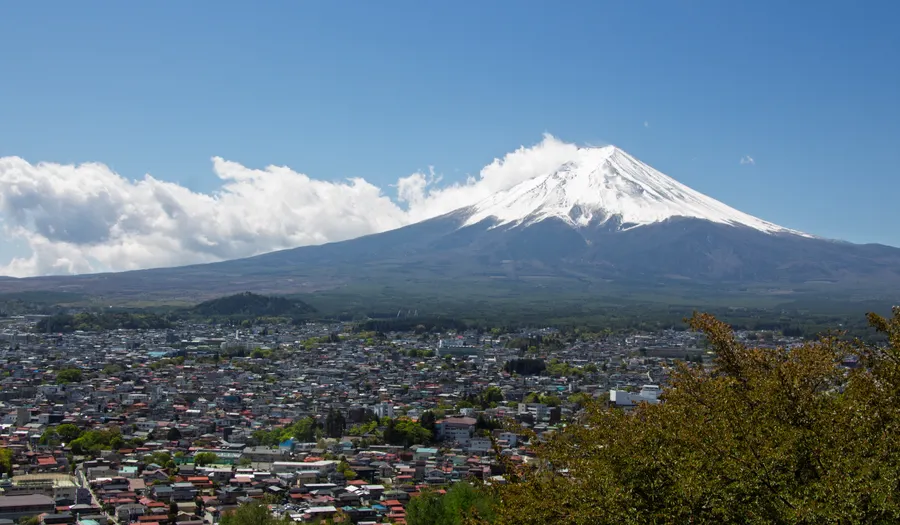
Fuji's perfect cone has haunted the Japanese imagination for centuries. From the Fuji Five Lakes area, around Kawaguchiko, it is reflected in the water in clear weather, often on autumn or winter mornings. You can climb it in July and August, but most travellers are content to admire it, which is already an experience. The Chureito Pagoda offers the most famous postcard view.
Nara and its deer

Less than an hour from Kyoto, Nara was the country's first permanent capital. Its immense bronze Buddha, housed in Todai-ji, impresses by its sheer mass. In the park, hundreds of free-roaming deer bow to visitors who hold out crackers. It is an easy day trip, blending ancient heritage with an almost childlike scene.
Hakone and its onsen

Nestled in the mountains south-west of Tokyo, Hakone is the classic gateway to hot springs. People come to sleep in a ryokan, soak in an onsen overlooking the valley, and travel the loop by rack railway, cable car and boat on Lake Ashi. In fine weather, Fuji appears in the distance. It is the ideal slow interlude after the bustle of the city.
Hiroshima and Miyajima
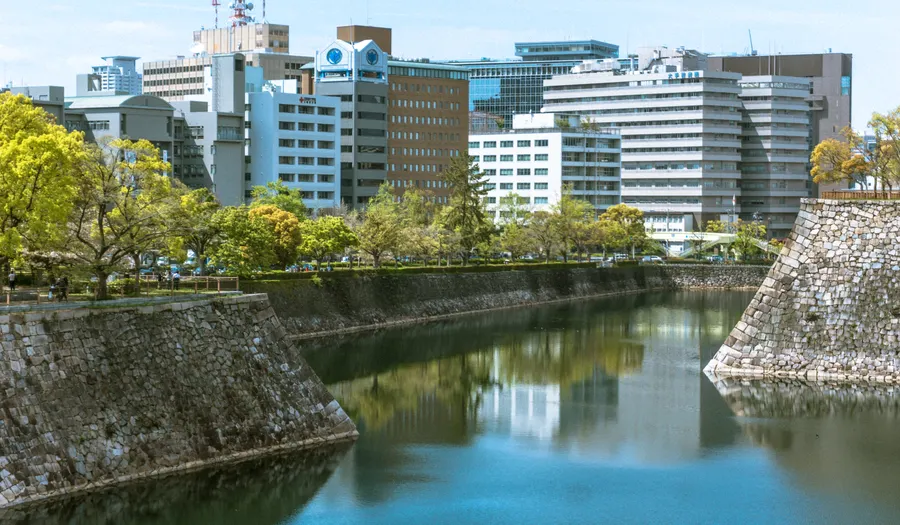
Further west, Hiroshima carries the memory of 1945 with its A-Bomb Dome and Peace Memorial, a powerful and necessary visit. A few minutes away by ferry, Miyajima Island unveils its floating torii, which seems to rest on the sea at high tide. The contrast between the duty of remembrance and the island's serenity leaves a lasting impression. It is well worth adding a night to watch the island empty of its visitors.
How many days, and which itinerary?
Allow two to three weeks for a first grand tour of Japan, or ten days focused on Tokyo, Kyoto and their surroundings.
🗺️ Day-by-day itinerary · 📓 Free printable Japan guide (PDF)
10 days
Days 1-4: Tokyo (Shibuya, Asakusa, a trip to Nikko or Kamakura). Day 5: Hakone, a night in a ryokan and onsen. Days 6-9: Kyoto (Fushimi Inari, Arashiyama, Gion) with a day in Nara. Day 10: back to Tokyo by Shinkansen and some last shopping. A dense but comfortable first look.
3 weeks
Week 1: Tokyo and its surroundings (Hakone, Mount Fuji). Week 2: down to Kyoto, Nara and Osaka for the street food. Week 3: west to Hiroshima and Miyajima, then back or on to the island of Kyushu. The pace leaves time to wander and stray from the main routes.
Getting there and getting around
The train is king: the Japan Rail Pass can be worth it if you chain several long Shinkansen journeys, but do the maths for your itinerary, as its price has risen sharply.
In town, the metro and rechargeable cards such as Suica or Pasmo simplify every journey, and even work in convenience stores.
Domestic flights (ANA, JAL) are useful for reaching Hokkaido or Okinawa; otherwise the railway is more than enough.
Car hire is only worthwhile for the countryside, the Japanese Alps or the small islands.
Where to stay in Japan?
The range runs from capsule hotels (from €25-35 a night) to efficient business hotels at around €60-90, by way of youth hostels.
Treat yourself to at least one night in a traditional ryokan, with a futon on tatami and a kaiseki dinner, especially in Hakone or the countryside.
In Tokyo, aim for Shinjuku, Asakusa or Ueno to stay close to the main lines; in Kyoto, the centre around the station or Gion.
Book early in cherry blossom and autumn maple season, when prices climb sharply.
Our places to stay, stop by stop, at three budgets →
What to eat in Japan?
Japanese food goes far beyond sushi: ramen, udon, tempura, tonkatsu and okonomiyaki set the rhythm of everyday meals.
Each region has its speciality, from Kobe beef to Osaka's takoyaki, by way of the soba noodles of the mountains.
Convenience stores and department store basements (depachika) offer quality meals at low prices.
Be bold and try izakaya in the evening, those pubs where you graze on small plates over a beer or sake.
Entry requirements
Visa-free for 90 days for EU, UK, US, Canadian and Australian passports.
Rules change: check your own government's travel advice before you go.
Cities and regions to discover
 City
City🇯🇵 Tokyo
 City
City🇯🇵 Kyoto
 City
City🇯🇵 Miyajima
 City
City🇯🇵 Nara
 City
City🇯🇵 Hokkaido
 City
City🇯🇵 Okinawa
Frequently asked questions about Japan
When is the best time to go?
Spring (March to May) for the cherry blossom and autumn (October-November) for the maples are the most popular, with mild weather. Summer is hot and humid, winter cold but bright and ideal for snowy onsen.
What daily budget should you plan for?
Allow €80 to €150 per person per day depending on your comfort level, excluding the international flight. Hostels and street food let you spend less, while ryokan and the Shinkansen quickly push the bill up.
Is Japan suitable for a first trip to Asia?
Yes, its safety, cleanliness and reliable transport make it a very accessible destination. The language barrier is easily overcome with apps and bilingual signage in the big cities.
How do you get between cities?
The train, especially the Shinkansen, links the big cities with remarkable punctuality. The Japan Rail Pass can pay off on a long itinerary; otherwise single tickets and Suica cards cover most needs.
Similar destinations
 Country
🇨🇳 China
 Country
🇻🇳 Vietnam
 Country
🇦🇷 Argentina
 Country
🇬🇪 Georgia
 City
City🇮🇩 Java
 Region
🇨🇳 Yunnan
 City
City🇨🇳 Guilin and Yangshuo
 Region
🇫🇷 Béarn
 Country
🇫🇷 France
 Region