When to go to Kyoto?
→ The detailed month-by-month page, with real weather records
Best time: March to May and October to November
At a glance
Why go to Kyoto?
Kyoto was Japan's imperial capital for more than a thousand years and remains the guardian of its traditional soul. Spared by the bombing, the city preserves an exceptional heritage of listed temples, shrines and gardens. Here, geishas still glide through the cobbled lanes and the tea ceremony lives on with grace.
With some two thousand religious buildings, Kyoto invites a unique spiritual and aesthetic journey. Golden pavilions mirrored in water, rustling bamboo forests and thousands of vermilion torii compose scenes of breathtaking beauty. Every season enhances the city, from the cherry blossom of spring to the blazing maples of autumn.
Far from being merely an open-air museum, Kyoto also hums with a refined contemporary life. Outstanding craftsmanship, kaiseki cuisine, covered markets and preserved historic districts make it a complete destination. You sense a quiet elegance here, made of attention to detail and respect for tradition.
Map of Kyoto: what is where?
The map shows the 6 places covered in this guide, to picture the distances and plan your route.
- Fushimi Inari Taisha
- Kinkaku-ji (Golden Pavilion)
- Arashiyama Bamboo Grove
- Gion
- Kiyomizu-dera
- Nijo Castle
How much does a trip to Kyoto cost?
Kyoto's prices are comparable with the rest of Japan, with many temples charging entry. Traditional accommodation can push the bill up.
| Style | Per day | What it covers |
|---|---|---|
| Backpacker | €50-80/day | Guesthouse, street food, konbini and a bus pass |
| Comfort | €120-200/day | Central hotel or modest ryokan, restaurants and temple entry fees |
| Premium | €350+/day | Luxury ryokan, kaiseki dinner and private cultural experiences |
Carry cash, as many temples, markets and small places do not take cards.
Is Kyoto safe?
Kyoto is an extremely safe city where crime is almost non-existent. The main issues relate rather to respecting sacred places and local customs. In Gion, photographing geishas without permission is now regulated, so stay discreet and courteous. Watch out for crowds at the most popular sites in high season and favour morning visits. As everywhere in Japan, the helpfulness of locals makes the stay much easier, even if you do not speak the language.
What to see and do in Kyoto
- Fushimi Inari
- Kinkaku-ji (the Golden Pavilion)
- the Arashiyama bamboo grove
- the Gion district
- Ginkaku-ji (the Silver Pavilion)
Fushimi Inari Taisha

This shrine is famous for its thousands of vermilion torii forming tunnels up the sacred hill. Dedicated to Inari, deity of rice and prosperity, it draws pilgrims and travellers from all over the world. The full climb to the summit takes around two hours and rewards you with calm and views. It is one of the most iconic images of all Japan.
Kinkaku-ji, the Golden Pavilion

This Zen temple covered in gold leaf is beautifully reflected in the pond that surrounds it. Each floor displays a different architectural style, crowned by a golden phoenix. The garden enclosing it is a masterpiece of Japanese landscape design. Under sun or snow, the pavilion offers a dazzling, timeless spectacle.
Arashiyama Bamboo Grove
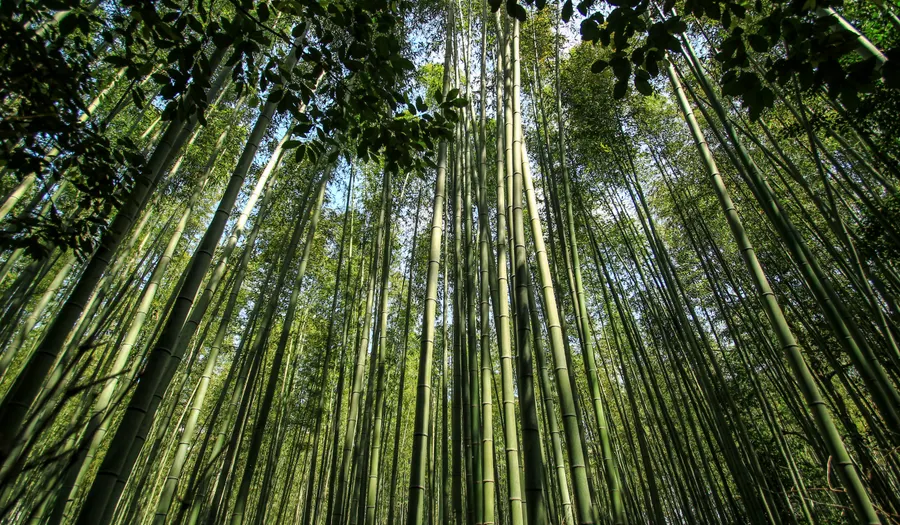
This bamboo grove forms a green cathedral where light filters between the slender stems. The rustle of wind in the leaves creates a soothing, almost meditative atmosphere. Nearby are Tenryu-ji temple and the picturesque Togetsukyo Bridge. The riverside Arashiyama district makes for a lovely day in nature.
Gion
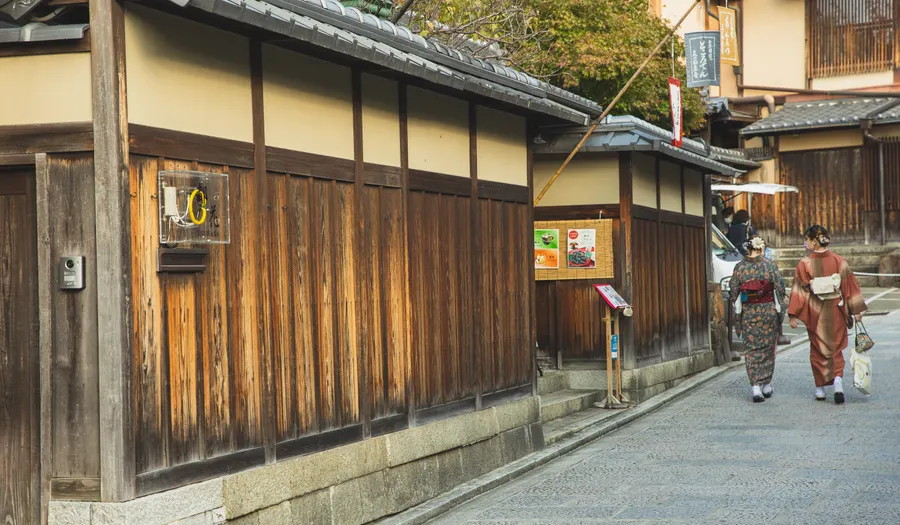
The famous geisha district, Gion enchants with its wooden teahouses and cobbled lanes. With a little luck and discretion, you may pass a maiko on her way to an appointment. Hanamikoji Street and Yasaka Shrine are its highlights. As evening falls, the lanterns light up and the atmosphere becomes particularly spellbinding.
Kiyomizu-dera
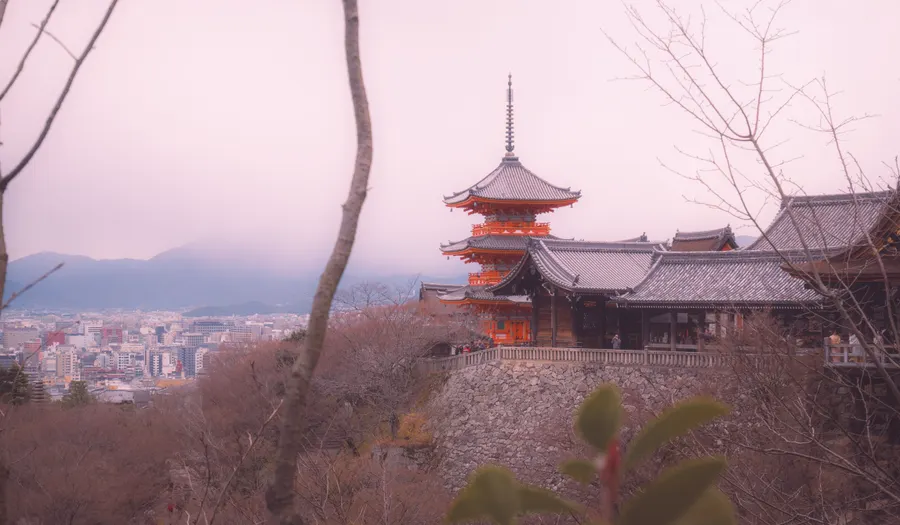
From its vast terrace on stilts, this hillside temple offers a panoramic view over Kyoto. Built without a single nail, the wooden structure is a feat of ancient engineering. The sacred Otowa waterfall, whose water people drink for luck, completes the visit. The steep lanes leading up to the temple are crammed with craft shops and sweets.
Nijo Castle
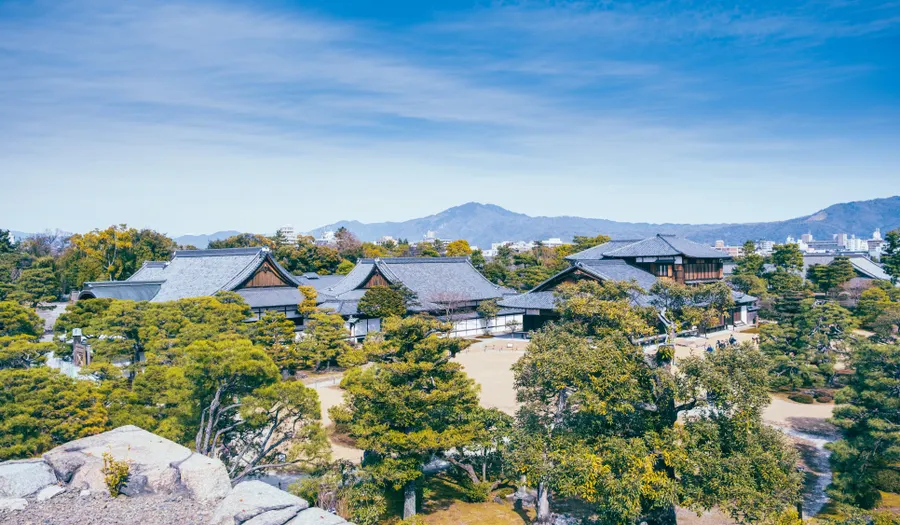
The former residence of the Tokugawa shoguns, this castle illustrates the refinement and power of the feudal era. Its famous nightingale floors squeak on purpose to warn of intruders. The fusuma sliding doors painted with gold leaf and the manicured gardens bear witness to a sumptuous way of life. A World Heritage Site, it plunges visitors into the Japan of the samurai.
How many days, and which itinerary?
Allow 3 to 4 days to explore Kyoto's temples and historic districts at a pleasant pace.
🗺️ Day-by-day itinerary · 📓 Free printable Kyoto guide (PDF) · 🌍 All of Japan
Kyoto essentials (3 days)
Devote one day to the east with Kiyomizu-dera and Gion, one to Fushimi Inari and the south, and one to the west with Arashiyama and the Golden Pavilion. Splitting it up geographically keeps journeys short.
Kyoto in depth (4 days)
Add a day for the Zen gardens, Nijo Castle and the less visited temples of the north. Make time for a tea ceremony or a kaiseki dinner.
Kyoto and Kansai (6 days)
Branch out from Kyoto to Nara and its deer, Osaka and its food, or the shrine at Uji. The Kansai region packs exceptional cultural riches within train reach.
Getting there and getting around
The city bus network serves most temples, ideal with a day pass
Cycling is a pleasant and efficient way to criss-cross this fairly flat city
Two metro lines and the trains complete the service to outlying districts
Kyoto is just over two hours from Tokyo by high-speed train
Where to stay in Kyoto?
Hostels and guesthouses: €20 to €40 a night
Modest traditional ryokan: €60 to €120 a night with breakfast
Central mid-range hotels: €100 to €180 a night
Luxury ryokan with a private bath and kaiseki meals: €300 and up a night
Our places to stay, stop by stop, at three budgets →
What to eat in Kyoto?
Kaiseki cuisine, a refined succession of small seasonal dishes, is an art form in Kyoto
Tofu and temple vegetarian cuisine, shojin ryori, are renowned here
Nishiki Market, nicknamed Kyoto's kitchen, is packed with local specialities
Matcha, powdered green tea, is enjoyed both as a drink and in pastries
Entry requirements
Visa-free for 90 days for EU, UK, US, Canadian and Australian passports.
Rules change: check your own government's travel advice before you go.
Frequently asked questions about Kyoto
When is the best time to visit Kyoto?
Spring for the cherry blossom and autumn for the red maples are sublime, but also the busiest.
How many days should you spend in Kyoto?
Three to four days let you cover the major temples and districts without rushing.
What daily budget for Kyoto?
Allow €50 to €80 a day as a backpacker and €120 to €200 for a comfortable stay.
How do you get around Kyoto?
The bus network serves most temples and cycling is a lovely option, with the metro covering journeys to the outskirts.
Which area should you stay in in Kyoto?
The centre around the station and Kawaramachi is convenient, while Gion and Higashiyama offer a more traditional setting.
Similar destinations
 City
City🇯🇵 Nara
 City
City🇮🇩 Bali
 City
City🇨🇳 Guilin and Yangshuo
 Region
🇭🇷 Istria
 Country
🇫🇷 France
 Region
🇫🇷 Normandy
 Region
🇫🇷 The Loire Valley
 City
City🇫🇷 Bordeaux and Around
 Region
🇮🇹 Florence and Tuscany
 Country