When to go to South Korea?
→ The detailed month-by-month page, with real weather records
Best time: April to May (cherry blossom) and September to October (maples)
At a glance
Why go to South Korea?
South Korea runs at two speeds, and that is its whole charm. On one side, Seoul with its glass skyscrapers, permanently connected neighbourhoods, design cafés and the cultural wave sweeping the world, led by K-pop, TV dramas and beauty. On the other, royal palaces with upturned roofs, Buddhist temples tucked into the mountains and villages of traditional hanok houses. Moving from one to the other in a few metro stops sums up the country.
Korea is also a paradise for anyone who loves to eat. Korean barbecue, ubiquitous kimchi, street markets overflowing with tteokbokki and hotteok, the culture of unlimited banchan: the table is a generous, social art. Every region champions its specialities, and the port city of Busan does not eat like Seoul. Here you travel as much with your taste buds as with your eyes.
Compact and hyper-connected, South Korea is disconcertingly easy to get around. The KTX high-speed train links Seoul and Busan in under three hours, the metro is formidably clean and everything is paid for with a contactless tap. This smooth modernity masks a country still marked by its history, from shamanism to the scars of war visible at the DMZ border. A constant contrast that never grows tiresome.
Map of South Korea: what is where?
The map shows the 6 places covered in this guide, to picture the distances and plan your route.
- Seoul and Gyeongbokgung Palace
- Busan and its beaches
- Jeju Island
- Gyeongju, the museum city
- The DMZ, a frozen border
- Andong and the hanok village
How much does a trip to South Korea cost?
Cheaper than Japan, South Korea offers excellent value for money, especially for transport and street food.
| Style | Per day | What it covers |
|---|---|---|
| Backpacker | €45-70/day | Hostels, street food and markets, public transport and free or cheap museums. |
| Comfort | €100-160/day | Mid-range hotels, varied restaurants, the KTX and a few guided excursions. |
| Premium | €250+/day | Luxury hotels, fine dining, flights to Jeju and private experiences. |
Bank cards are accepted almost everywhere, but keep a few won in cash for the street markets.
Is South Korea safe?
South Korea is one of the safest countries in the world, with very low crime and a helpful population, even at night in the big cities. No vaccinations are compulsory and the healthcare system is excellent, though expensive without insurance. Tension with North Korea does not affect travellers' daily lives, but follow the instructions when visiting the DMZ. Just watch out for heavy traffic and the language barrier outside tourist areas.
What to see and do in South Korea
- the palaces of Seoul
- the Bukchon hanok village
- the volcanic island of Jeju
- the temples of Gyeongju
- Korean street food
Seoul and Gyeongbokgung Palace

At the heart of the capital, the great Gyeongbokgung Palace spreads its courtyards and pavilions out in front of the mountains, with a changing of the guard in traditional costume. All around, the Bukchon hanok village, the trendy lanes of Insadong and the skyscrapers of Gangnam make up a city of a thousand faces. Many visitors rent a hanbok to stroll through the royal grounds. Seoul reveals itself as both imperial and ultramodern.
Busan and its beaches

The country's second city, Busan mixes lively beaches, the giant Jagalchi fish market and colourful villages clinging to the hillside, such as Gamcheon. You swim at Haeundae and climb to the wave-lashed seaside temple of Haedong Yonggungsa. The atmosphere is more relaxed and maritime than in Seoul. It is the seaside and foodie stop of the trip.
Jeju Island

Nicknamed the island of the gods, Jeju wins visitors over with its volcanoes, fields of flowers and black-rock coastline. Climb the crater of Seongsan Ilchulbong at sunrise, or hike Hallasan, the country's highest peak. The haenyeo women divers, who fish on a single breath without tanks, embody a unique tradition. A honeymoon destination for Koreans, the island breathes nature.
Gyeongju, the museum city

The former capital of the Silla kingdom, Gyeongju is an open-air museum scattered with royal burial mounds, temples and ancient observatories. Bulguksa Temple and Seokguram Grotto, both UNESCO-listed, are among the jewels of Korean Buddhism. You cycle between the grassy tombs and the old ponds. It is the best immersion in historic Korea.
The DMZ, a frozen border

The demilitarised zone that has separated the two Koreas since 1953 can be visited on a guided excursion from Seoul. You discover the tunnels dug by the North, the observation posts facing the forbidden territory and the truce village of Panmunjom. The atmosphere is gripping, between geopolitical tension and an eerie calm. A sober, powerful plunge into contemporary history.
Andong and the hanok village

In the centre of the country, Hahoe village in Andong preserves an intact Confucian way of life, with its thatched hanok houses encircled by a loop of the river. UNESCO-listed, it is famous for its masked dances and its local rice liquor. You can sometimes stay with local families, as close as possible to tradition. This is rural, ancestral Korea.
How many days, and which itinerary?
Around ten days is enough to combine Seoul, Busan and Gyeongju by train, two weeks if you add Jeju and the Andong countryside.
🗺️ Day-by-day itinerary · 📓 Free printable South Korea guide (PDF)
Grand tour by KTX (10 days)
Four nights in Seoul including the DMZ, then down by train to Gyeongju and Busan for history and the sea. The classic, efficient route that makes the most of the high-speed network.
Seoul, Jeju and nature (12 days)
Seoul and its palaces, a hop by plane to Jeju Island for its volcanoes and coastline, then back via Busan. A mix of city, hiking and volcanic beaches.
Deep cultural immersion (14 days)
Seoul, Andong and its hanok village, Gyeongju and then Busan, with a temple stay and a cookery class. For those who want to scratch beneath the country's modern surface.
Getting there and getting around
The KTX high-speed train links Seoul and Busan in under three hours and is the backbone of getting around.
Dense, clean, bilingual metro networks in Seoul and Busan, paid for contactlessly with a T-money card.
Fast, cheap domestic flights to reach Jeju Island from the mainland.
Comfortable, punctual express buses for towns less well served by rail.
Where to stay in South Korea?
Youth hostel or guesthouse in Seoul: €20-40 a night, often well located.
Mid-range hotel or Korean design motel: €50-100 a night.
Temple stay or a night in a traditional hanok: €40-90 a night, a cultural experience.
Upmarket hotel in Gangnam or by the sea in Busan: €150 and up a night.
Our places to stay, stop by stop, at three budgets →
What to eat in South Korea?
Bibimbap, a bowl of rice topped with vegetables, meat and egg, mixed with gochujang chilli paste.
Korean barbecue, samgyeopsal or bulgogi grilled at the table and wrapped in lettuce leaves.
Tteokbokki, rice cakes simmered in a spicy sauce, the star of the street markets.
Kimchi and banchan, small fermented side dishes served without limit at every meal.
Entry requirements
Visa-free for 90 days (six months for Canadians). Until 31 December 2026, UK, US, Canadian and Australian passports, and those of eleven EU countries including France, Germany, Italy and Spain, are exempt from the K-ETA; other EU citizens must apply for it online before departure. Travellers without a K-ETA fill in the free e-Arrival card online in the three days before landing.
Rules change: check your own government's travel advice before you go.
Cities and regions to discover
 City
City🇰🇷 Busan
 City
City🇰🇷 Jeju
 City
City🇰🇷 Seoul
Frequently asked questions about South Korea
When is the best time to go?
Spring, from April to May, for the cherry blossom, and autumn, from October to November, for the blazing maples, are the ideal seasons. Summer is hot and humid with a rainy season; winter is cold but bright and good for skiing.
What daily budget should I plan for?
Allow €45-70 a day as a backpacker, €100-160 for comfort. Street food and public transport remain affordable; it is hotels and fine dining that make the difference.
How do you get around South Korea?
The KTX high-speed train and express buses link the cities efficiently, while the metro serves Seoul and Busan. A rechargeable T-money card simplifies all urban journeys, and planes serve Jeju.
Is South Korea safe despite North Korea?
Yes, daily life is not affected at all by the border tension, and the country ranks among the safest on the planet. The only restricted zones, such as the DMZ, can be visited only on a guided excursion.
Similar destinations
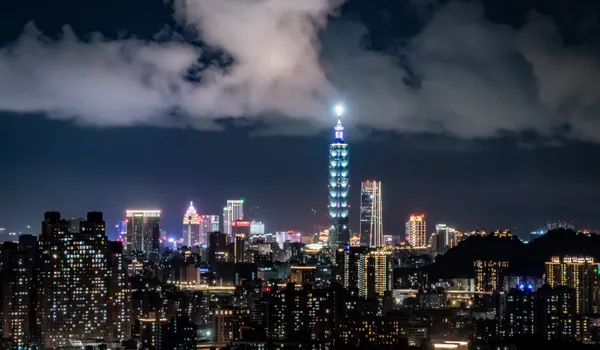 Country
🇹🇼 Taiwan
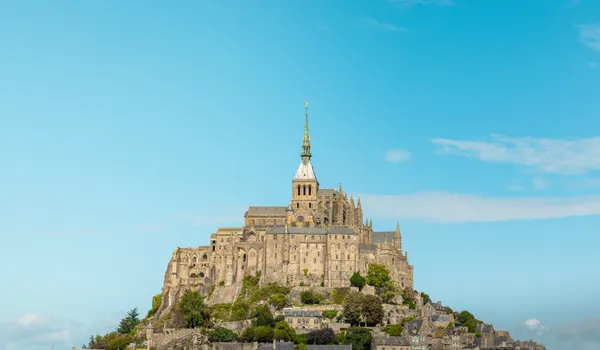 Country
🇫🇷 France
 Country
🇪🇸 Spain
 Region
🇮🇹 Sicily
 Country
🇮🇪 Ireland
 Country
🇩🇪 Germany
 Region
🇪🇸 Andalusia
 Country
🇻🇳 Vietnam
 Country
🇯🇵 Japan
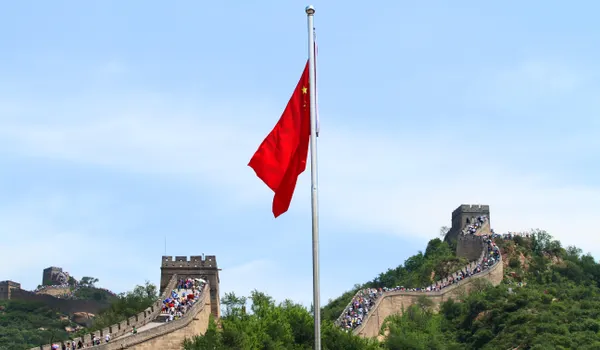 Country