When to go to Jeju?
→ The detailed month-by-month page, with real weather records
Best time: April to May and October to November
At a glance
Why go to Jeju?
Jeju covers just 1,833 km² yet holds three UNESCO labels: biosphere reserve in 2002, World Heritage in 2007, Global Geopark in 2010. It all starts with Hallasan, a 1,947-metre shield volcano crowned by a summit crater, and carries on through 360 secondary cones known as oreum and a network of lava tubes, of which Manjanggul is the longest open to visitors. Twenty minutes on the road takes you from a field of black basalt to a camellia forest.
The island has its own culture, long distinct from that of the mainland. The haenyeo, women divers who free-dive for abalone and sea urchins without air tanks, have been on UNESCO's intangible heritage list since 2016; today there are fewer than 3,000 of them, most over sixty. The low walls of volcanic stone that divide up the fields run to thousands of kilometres, and the dolharubang, bug-eyed basalt statues, still guard the village entrances.
The rest comes down to a holiday rhythm Koreans know by heart. The Seoul-Jeju route is among the busiest in the world, with dozens of daily rotations and fares often under €60. On the island, the Olle trail splits the coastline into 27 sections waymarked with blue and orange ribbons, each 10 to 20 km long. The western beaches, at Hyeopjae or Gwakji, line up pale sand and water at around 25°C in August.
Map of Jeju: what is where?
The map shows the 6 places covered in this guide, to picture the distances and plan your route.
- Jeju City
- Seongsan Ilchulbong
- Udo
- Hallasan
- Manjanggul
- Seogwipo
How much does a trip to Jeju cost?
Jeju costs more than mainland Korea for accommodation and restaurants, but the natural sites are almost free and admission fees rarely top €4. The item that really weighs is the hire car, hard to avoid if you want to get out of the two towns.
| Style | Per day | What it covers |
|---|---|---|
| Backpacker | €55-85/day | Guesthouse, bus and walking, neighbourhood canteens, natural sites and Olle trails |
| Comfort | €120-180/day | Mid-range hotel or guesthouse, hire car, a black pork meal every other day |
| Premium | €300+/day | Jungmun resort, car with full insurance, abalone restaurants and boat trips |
Won are easy to withdraw from the cash machines in GS25 and CU convenience stores, open round the clock, which accept foreign cards unlike many bank machines. Cards are taken everywhere in town, but keep 30,000 to 50,000 won in cash for market stalls and small village canteens.
Is Jeju safe?
Jeju is among the safest places in Asia and petty crime is rare, even at night in the streets of Jeju City. The real risks are natural. The sea first: rip currents are strong on the northern and western beaches, and swimming outside supervised areas causes several drownings every summer. Then the weather, with typhoons between August and September that ground planes for a day or two and close coastal sites without warning. In the mountains, Hallasan changes fast: it can be 25°C at the car park and 8°C with wind at the summit, and the rangers close the intermediate gates with no discussion. Finally, local driving is edgy on the narrow country roads lined with stone walls, and radar speed checks are everywhere.
What to see and do in Jeju
- Seongsan Ilchulbong crater
- Udo Island
- Manjanggul lava tube
- Hallasan summit
- Jusangjeolli cliffs
- Jeongbang waterfall
- Seongeup folk village
- Dongmun market, Jeju
Seongsan Ilchulbong

Korea's most photographed tuff cone, which rose from the sea almost 5,000 years ago at the island's eastern tip. Its 600-metre-wide crater is ringed by 99 rocky points, and the viewpoint is half an hour of steps from the car park. The site opens before dawn, which explains the sunrise crowds between November and February. Just below, Seongsan harbour is the departure point for ferries to Udo and home to one of the last active groups of haenyeo.
Udo

A 6.2 km² satellite island, a quarter of an hour by ferry from Seongsan, where you loop round some fifteen kilometres by bike or scooter. The white sand of Seobin Baeksa comes from coral fragments rather than volcanic rock, which makes it unique in Korea. The Udobong cliff drops into a very clear sea, and the peanut fields supply the peanut ice cream sold all over the island. Tourist traffic is subject to a vehicle quota, handled at the ferry ticket office.
Hallasan

The roof of South Korea at 1,947 metres, with the Baengnokdam crater lake that fills and empties with the rains. Only two routes climb to the summit: Seongpanak, 9.6 km of steady gradient, and Gwaneumsa, 8.7 km and far more demanding. Online booking has been compulsory since 2021 and the intermediate gates close early. The mid-altitude trails, such as Eoseungsaengak or Yeongsil, need no booking and already give fine views over the oreum.
Manjanggul and the lava tubes

The Geomunoreum system counts some twenty tubes carved out by lava between 100,000 and 300,000 years ago. Manjanggul, 7.4 km long, opens one kilometre to the public, with galleries 18 metres wide and a 7.6-metre lava column, the tallest on record. The temperature hovers around 12°C and the floor stays wet. The system's other tubes, such as Bengdwigul or Yongcheondonggul, remain closed for conservation reasons.
Seogwipo and its waterfalls

The island's second town, on the south coast, is the base for the whole southern half. Three waterfalls lie within a few minutes of one another: Jeongbang, 23 metres high, which drops straight into the sea, Cheonjiyeon with its illuminated night walk, and the three-tiered Cheonjeyeon. Seogwipo's Olle market grills mackerel and slices mandarins to order. Boat trips to the islets of Beomseom and Munseom leave from Seogwipo harbour.
The Olle trails

A hiking network created in 2007 by a former journalist, now some 425 km long and split into 27 sections. Each runs 10 to 20 km, takes four to six hours and follows the coast, the oreum or the villages, waymarked with blue and orange ribbons and wooden ponies. Section 7, between Seogwipo and Wolpyeong, runs along the cliffs for 17 km and is still the most walked. A passport to stamp is sold at the visitor centres for those who want to do the lot.
How many days, and which itinerary?
Four full days let you circle the island without rushing, sleeping two nights in the east and two in the south. A week opens the door to the summit of Hallasan, two or three Olle sections and a full day on Udo, with some leeway for a day of typhoon or driving rain.
🗺️ Day-by-day itinerary · 📓 Free printable Jeju guide (PDF) · 🌍 All of South Korea
The essentials (3 days)
Day 1: arrive in Jeju City, Dongmun market in the evening and grilled black pork. Day 2: the eastern road, with Manjanggul in the morning, Seongeup village at midday, then a night in Seongsan to tackle the crater at sunrise. Day 3: down to the south coast, Jeongbang waterfall, the Jusangjeolli cliffs and back to the airport in the late afternoon. A hire car is essential, as the roundabout bus routes eat up hours.
The full loop (1 week)
The same core spread out, plus the climb up Hallasan via Seongpanak with a booking made a month ahead, a full day on Udo by e-bike, two Olle sections including no. 7 between Seogwipo and Wolpyeong, and the western beaches at Hyeopjae and Gwakji. Sleep two nights in Jeju City, two in Seongsan and three in Seogwipo, which saves you circling the island every evening. Keep a spare day in reserve: rain and wind regularly close the national park trails.
Seoul and Jeju combined (10 days)
The most common format: five days in Seoul for the palaces, the Bukchon hanok village and the markets, then a one-hour domestic flight to Jeju and four to five days on the island. Gimpo-Jeju flights leave every twenty minutes and can be booked the day before at no notable extra cost. Plan for the long-haul return from Incheon, which means heading back to Seoul the day before the flight, or choose an open ticket that lets you fly home directly from Jeju via a connection.
Getting there and getting around
The domestic flight from Seoul takes an hour, leaves from Gimpo or Incheon and often costs €40-70 one way on the domestic airlines. There are so many rotations that a ticket bought the day before stays affordable, except during Korean holidays.
A hire car costs €40-70 a day excluding insurance, and can be picked up right at the airport terminal. An International Driving Permit is required alongside your national licence, without which no rental company will hand over the keys.
The bus network covers the island with two express lines that loop round by the coast and through the centre, for 1,150 to 3,000 won a journey. It is reliable but slow: allow three hours to reach Seongsan from Jeju City.
The ferry from Wando or Mokpo, on the mainland, takes four to six hours and carries vehicles. Crossings are cancelled as soon as the wind picks up, which happens often between December and March.
Where to stay in Jeju?
Guesthouses and hostels in Jeju City: €25-45 a night, often run by Koreans who have moved back from the mainland, with a shared kitchen and bikes to borrow. The area around the bus terminal has the cheapest addresses on the island.
Mid-range hotels in Jeju City and Seogwipo: €60-110, compact but well-kept rooms, breakfast rarely included. It is the widest category and the easiest to book at the last minute outside school holidays.
Guesthouses and restored stone houses in the eastern villages, between Gimnyeong and Seongsan: €70-130, with an inner courtyard and often just one room to let. You need a car, as none is properly served by bus.
Large resorts in Jungmun, on the south coast: €180-350, with pools, a private beach and shuttles. Rates double during the Korean holidays from late July to mid-August, a period to avoid if budget matters.
Our places to stay, stop by stop, at three budgets →
What to eat in Jeju?
Jeju black pork, a thick-skinned local breed, is grilled over charcoal in thick slices and dipped in a fermented anchovy sauce. Expect to pay 18,000 to 25,000 won a portion for one person, or €12 to 17, in the streets of Jeju City.
Haemul ttukbaegi and abalone porridge are ordered in seaside canteens run by haenyeo families. A pot of abalone, sea urchin and shellfish comes to around €15, served with half a dozen banchan.
Gogi guksu, wheat noodles in a cloudy pork broth topped with slices of belly, remains the everyday dish at 7,000 or 9,000 won. Every neighbourhood has its canteen and queues form before noon.
The mandarin, grown across the whole southern half, comes as juice, chocolate and cakes sold everywhere. The hallabong variety, large and knobbly at the top, arrives in January and is sold by the kilo at country markets.
Entry requirements
Visa-free for 90 days (six months for Canadians). Until 31 December 2026, UK, US, Canadian and Australian passports, and those of eleven EU countries including France, Germany, Italy and Spain, are exempt from the K-ETA; other EU citizens must apply for it online before departure. Travellers without a K-ETA fill in the free e-Arrival card online in the three days before landing.
Rules change: check your own government's travel advice before you go.
Frequently asked questions about Jeju
Do you need a car on the island?
To cover the east, west and south in a few days, yes. An International Driving Permit is compulsory alongside your national licence, so arrange it before you leave. Without a car, stick to Jeju City and Seogwipo and take the two express bus lines, even if it means losing three hours a journey.
Can you climb to the summit of Hallasan without booking?
No. Since 2021, the two summit trails, Seongpanak and Gwaneumsa, require a named online booking with a daily quota. The mid-altitude trails such as Yeongsil or Eoseungsaengak remain open access. Entry to the park is free; only parking is charged.
What is the best time to visit?
April and May for the rapeseed in flower and mild temperatures, October and November for the dry air and the maples of Hallasan. Avoid late June and July, when the rainy season sets in, as well as August, at once the hottest, the most expensive and the most exposed to typhoons.
How many days should you allow?
Three full days are enough for the east and south by car, but leave the west aside. Four to five days give a comfortable tour of the island. A week becomes worthwhile if you are aiming for the summit of Hallasan, several Olle sections and a full day on Udo, with some leeway for the weather.
Similar destinations
 Region
🇫🇷 Guadeloupe
 Region
🇫🇷 Martinique
 Region
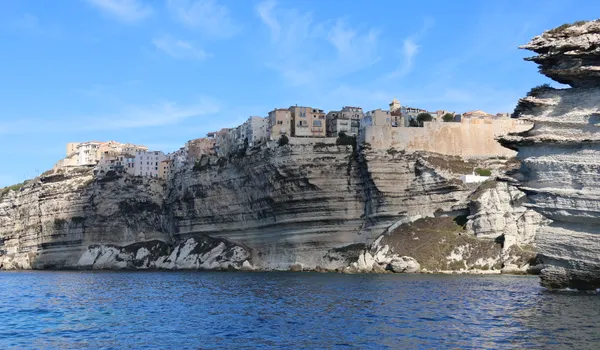
🇫🇷 Corsica
 Region
🇮🇹 Sicily
 Region
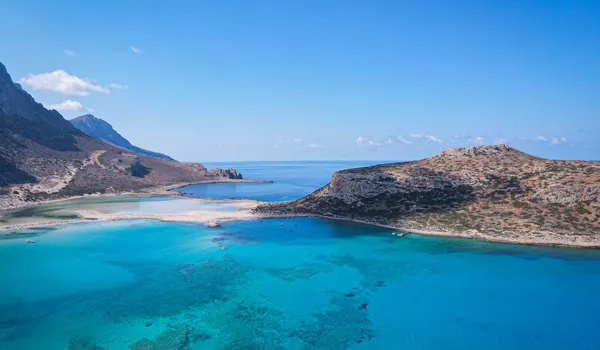
🇬🇷 Crete
 Country
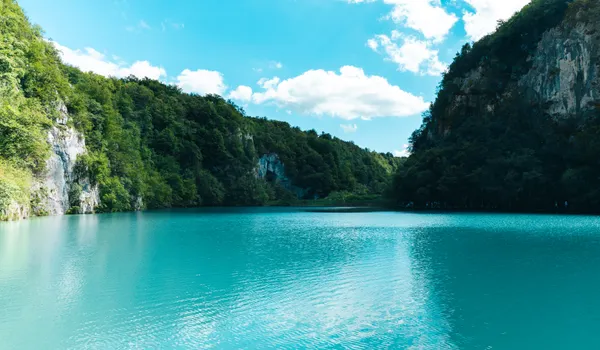
🇭🇷 Croatia
 Country
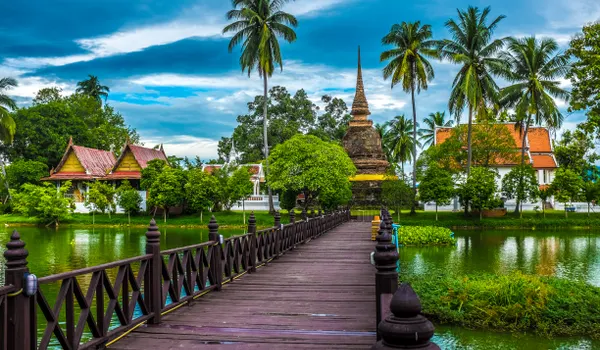
🇹🇭 Thailand
 Country
🇻🇳 Vietnam
 Country
🇮🇩 Indonesia
 City
City