When to go to Thailand?
→ The detailed month-by-month page, with real weather records
Best time: November to March
At a glance
Why go to Thailand?
Thailand is often a traveller's first step into Asia, and for good reason. Everything is easy: direct flights, a warm welcome, a well-oiled tourist infrastructure and prices that give your budget room to breathe. You arrive intimidated and leave wondering why you waited so long.
The country fits several worlds into a single trip. The din and golden temples of Bangkok, the mountain cool and traditions of the north around Chiang Mai, then the turquoise beaches and limestone islands of the south. You move from one to the other on an overnight train or a short flight.
And then there's the food, everywhere and cheap, which quickly becomes the thread running through your trip. A pad thai stir-fried to order on a pavement, a fragrant tom yam soup, sticky mango rice for dessert: Thai street food can be enjoyed at any hour and costs a few euros.
Map of Thailand: what is where?
The map shows the 6 places covered in this guide, to picture the distances and plan your route.
- Bangkok
- Chiang Mai
- Krabi
- Ayutthaya
- Damnoen Saduak
- Sukhothai
How much does a trip to Thailand cost?
Thailand remains one of the cheapest destinations in Southeast Asia. You can live very well on a modest budget, and even upmarket comfort costs a fraction of European prices.
| Style | Per day | What it covers |
|---|---|---|
| Backpacker | €25-35 | dorms, street food, buses and trains |
| Comfort | €45-70 | guesthouses, restaurants, a few flights |
| Treat yourself | €100 and up | resorts, spa, private excursions |
Baht are easy to withdraw from ATMs (fixed fees are common) and cards are accepted in hotels and shopping centres. Keep cash for markets; tipping isn't compulsory but is appreciated.
Is Thailand safe?
Thailand is a safe destination for travellers, where the main annoyances are petty scams (tuk-tuks, scooter rental outfits) rather than violence. Health-wise, avoid tap water, pack mosquito protection against dengue and check your vaccinations before you leave. Scooter riding causes many accidents: always wear a helmet, and avoid it if you are a beginner. Respect local codes, notably the deference due to the royal family and to temples.
What to see and do in Thailand
- Bangkok (Grand Palace, Wat Pho)
- Chiang Mai and the north
- the southern islands (Krabi, Phuket)
- Ayutthaya and its temples
- the floating markets
Bangkok, the Grand Palace and Wat Pho
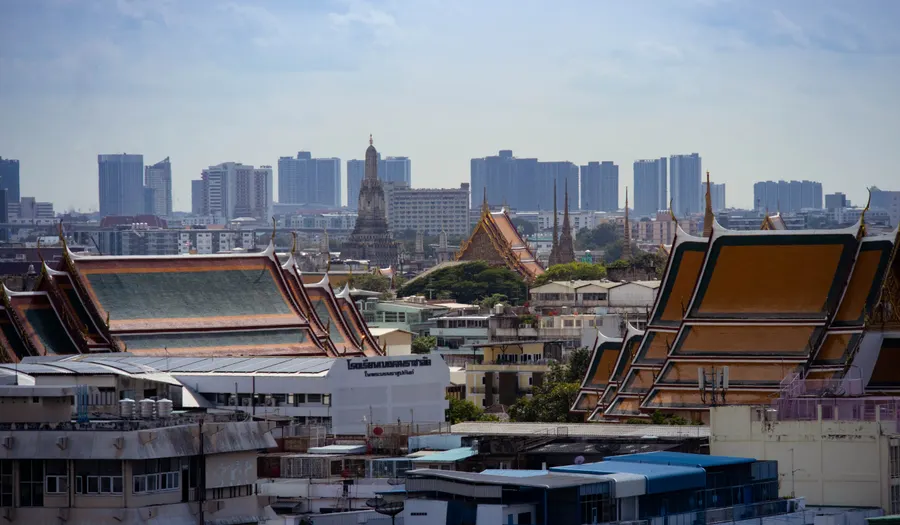
The seething capital deserves time to work its charm. The Grand Palace and the Temple of the Emerald Buddha dazzle with their gilding, while Wat Pho houses a 46-metre reclining Buddha. Between temples, you zip along the Chao Phraya River by boat or lose yourself in the markets and street-food lanes. In the evening, the rooftop bars offer dizzying views over the electric city.
Chiang Mai and the north

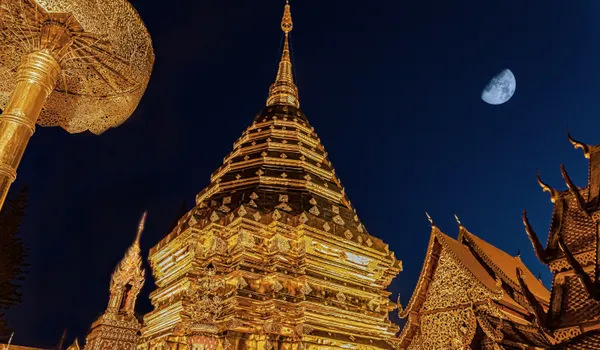
The former capital of the Lanna kingdom, Chiang Mai moves at a very different pace from Bangkok. Its moated old town is packed with temples, and Doi Suthep watches over the valley from its mountain. It is the ideal base for ethical elephant sanctuaries, treks to villages or cooking classes. The air is cooler and the atmosphere decidedly more relaxed.
The southern islands, Krabi and Phuket
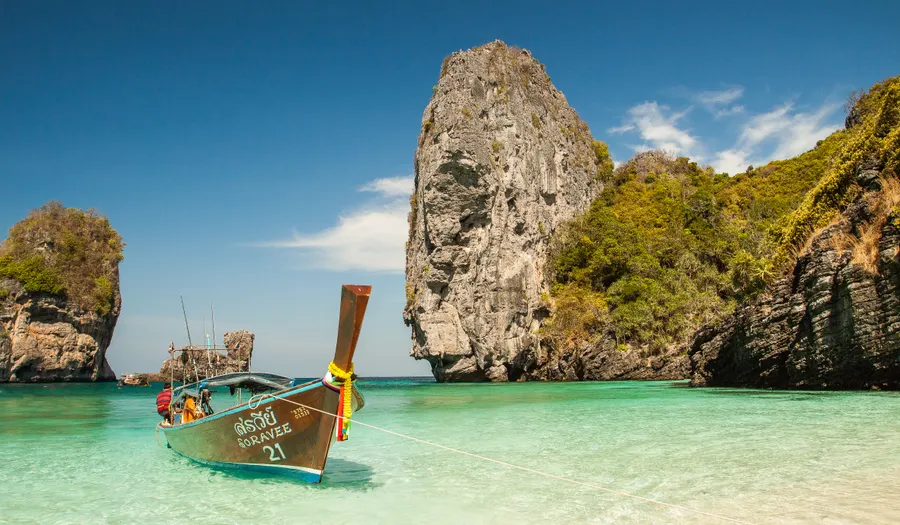
The south has two coastlines, the Andaman Sea to the west and the Gulf of Thailand to the east. Around Krabi and Railay, limestone cliffs plunge into turquoise water, a paradise for climbers and kayakers. Phuket is the gateway to the Phi Phi Islands and James Bond Island. Days alternate between lazing on the sand, diving and outings by longtail boat.
Ayutthaya, the ancient capital
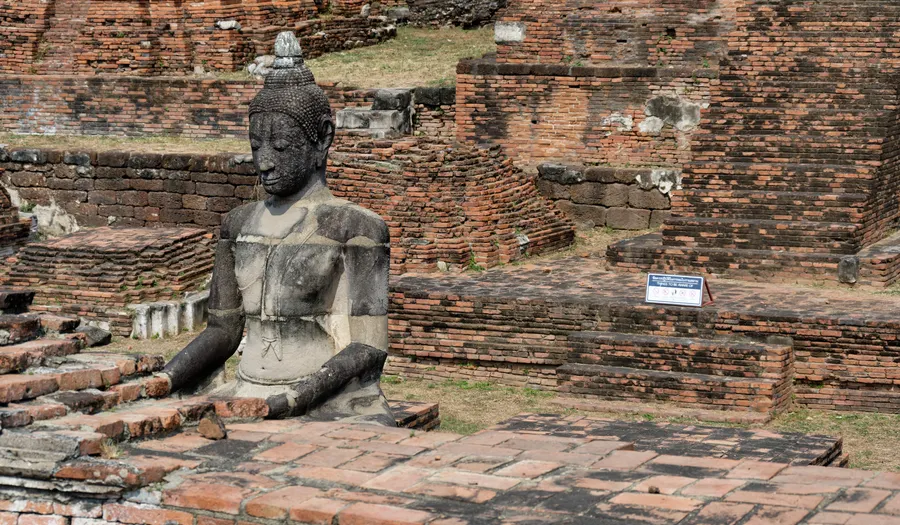
Less than two hours north of Bangkok, Ayutthaya was one of the largest cities in the world in the 18th century. Its temple ruins and russet brick stupas form a UNESCO-listed site, perfect to explore by bike. The Buddha head entwined in the roots of a fig tree has become the site's emblematic image. A day trip or a stop on the road north.
Floating and night markets

Thailand lives largely at the market, and some are worth a visit in their own right. At floating markets such as Damnoen Saduak or Amphawa, vendors paddle boats laden with fruit and steaming dishes. Night markets, from Chiang Mai to Bangkok, mix crafts, street food and music. This is where you take the pulse of the country, skewer in hand.
Sukhothai, cradle of the kingdom

Often overshadowed by Ayutthaya, Sukhothai was the first capital of Siam in the 13th century. Its historical park, greener and more peaceful, lines up serene Buddhas among lotus ponds. You explore it by bike in late-afternoon light, which is the heart of its charm. A restful stop on the road between Bangkok and Chiang Mai.
How many days, and which itinerary?
Two to three weeks let you combine Bangkok, the north and a dose of islands; ten days are enough for a focused first look.
🗺️ Day-by-day itinerary · 📓 Free printable Thailand guide (PDF)
12 days
Days 1-3: Bangkok (Grand Palace, Wat Pho, markets). Day 4: Ayutthaya by bike. Days 5-7: Chiang Mai (old town, elephant sanctuary, cooking class). Days 8-12: fly south for beaches and islands around Krabi or Koh Lanta. A fine balance of culture and relaxation.
3 weeks
Week 1: Bangkok and its surroundings, with Ayutthaya and a floating market. Week 2: head north to Sukhothai, then Chiang Mai and Chiang Rai. Week 3: south to the islands, alternating between the Andaman and the Gulf depending on the season. The pace leaves room for the unexpected and for overnight trains.
Getting there and getting around
Domestic flights (AirAsia, Nok Air, Bangkok Airways) are cheap and save precious time between north and south.
Night trains, notably Bangkok-Chiang Mai, are a comfortable and economical experience in a sleeper berth.
Buses and minivans cover the country in fine detail, while ferries and longtail boats link the islands.
In town, tuk-tuks, metered taxis and apps such as Grab make getting around easy; in Bangkok, the BTS and the metro beat the traffic jams.
Where to stay in Thailand?
The choice is huge and affordable: dorm beds at €6-10, guesthouses and comfortable double rooms around €15-30.
Boutique hotels and beach resorts remain accessible, often under €60 outside the very top end.
In Bangkok, Sukhumvit or the riverside are convenient areas; in Chiang Mai, the old town puts everything within walking distance.
On the islands, book ahead in high season (December to February), when the best places go fast.
Our places to stay, stop by stop, at three budgets →
What to eat in Thailand?
Street food reigns: pad thai, fried rice, grilled skewers and noodle soups are eaten everywhere for a handful of baht.
Don't miss tom yam kung, green curry, som tam papaya salad and khao man kai chicken rice.
The north has its own specialities such as khao soi, a curried noodle soup, and the south has spicier curries.
Finish with mango sticky rice, mango and glutinous rice with coconut milk, a cult dessert.
Entry requirements
30 days visa-free for tourism with a passport for EU, UK, US, Canadian and Australian citizens, down from 60 days since 15 September 2026; an extension can be requested at an immigration office. Everyone must also fill in the free Thailand Digital Arrival Card online in the three days before arrival.
Rules change: check your own government's travel advice before you go.
Cities and regions to discover
 City
City🇹🇭 Bangkok
 Region
🇹🇭 Phuket and the southern islands
 City
City🇹🇭 Chiang Mai
 City
City🇹🇭 Koh Samui
Frequently asked questions about Thailand
When is the best time to go?
The cool, dry season, from November to March, is ideal for the whole country. April and May are very hot, and the summer monsoon brings showers, often brief, between June and October. The south has microclimates to watch depending on the coast.
What daily budget should I plan for?
Allow €30 to €60 per person per day for a comfortable trip, excluding the international flight. Backpackers easily get below that thanks to dorms and street food, while resorts push the bill up.
Is Thailand a good choice for a first trip to Asia?
Absolutely, it is even an ideal gateway thanks to its infrastructure, safety and welcome. Getting around is easy and English is enough in tourist areas. The value for money puts first-timers' budgets at ease.
How do I travel between the north and the south?
Low-cost domestic flights are unbeatable for long distances, and often cheaper than you might imagine. The night train to Chiang Mai remains a great experience, and buses, minivans and then ferries cover the rest, islands included.
Similar destinations
 Country
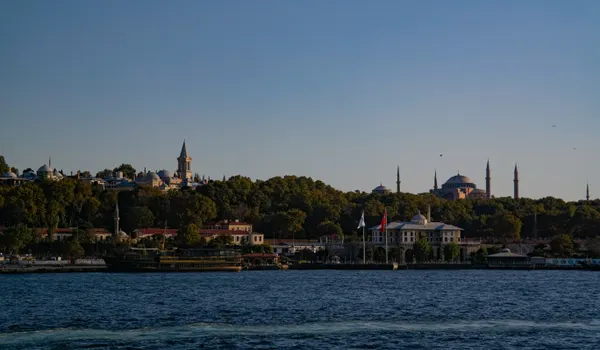
🇹🇷 Turkey
 City
City🇵🇭 Cebu
 Country
🇲🇦 Morocco
 Country
🇻🇳 Vietnam
 Country
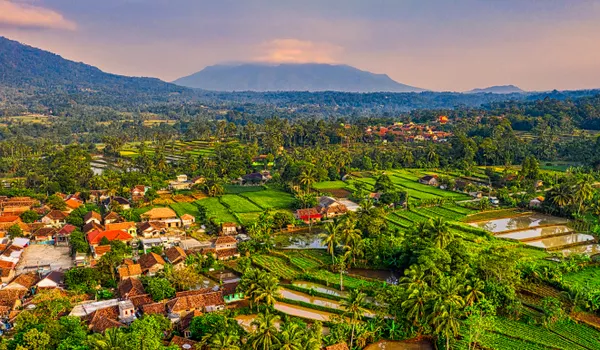
🇮🇩 Indonesia
 Country
🇱🇰 Sri Lanka
 Region
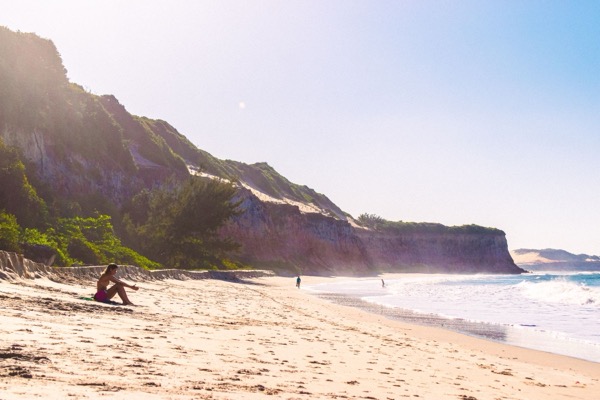
🇧🇷 Northeast Brazil
 Country
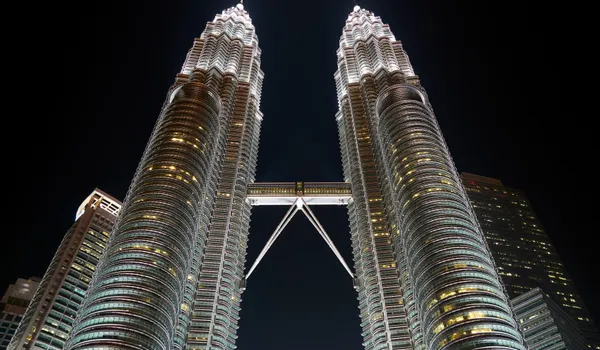
🇲🇾 Malaysia
 City
City🇹🇷 Antalya
 City
City