When to go to Turkey?
→ The detailed month-by-month page, with real weather records
Best time: April to June and September to October
At a glance
Why go to Turkey?
Turkey is that bridge between two worlds where Europe takes Asia by the hand above the Bosphorus. In Istanbul you cross from one continent to the other by ferry, tea in hand, while gulls escort the boat and the call to prayer rolls across the rooftops. It is a hinge of a country, rich in everything that has passed through it: Byzantium, Rome, the Ottomans. Here you walk in the footsteps of three thousand years of history.
It is also a land of landscapes that seem lifted from a dream. The fairy chimneys of Cappadocia dotted with hot-air balloons at dawn, the white limestone pools of Pamukkale, the turquoise waters of the Lycian coast where you sail from cove to cove. Turkish nature has a flair for staging. You go from the steppes of Anatolia to Mediterranean beaches in a single day's drive.
And above all there is the welcome, a Turkish hospitality that is no legend. You are offered tea with no ulterior motive, invited to share a meal, shown the way with a smile. The cuisine, generous and refined, seals the deal at every table. Turkey is one of those countries where you feel expected, and which you leave with the sense of having truly been received.
Map of Turkey: what is where?
The map shows the 6 places covered in this guide, to picture the distances and plan your route.
- Istanbul, Hagia Sophia
- Cappadocia, Göreme
- Ephesus, Selçuk
- Pamukkale
- Lycian coast, Ölüdeniz
- Ankara, Anitkabir
How much does a trip to Turkey cost?
Thanks to a weak currency, Turkey offers excellent value for money, even if Istanbul and the peak tourist season push prices up.
| Style | Per day | What it covers |
|---|---|---|
| Backpacker | €30-45/day | guesthouses, street food, long-distance coaches |
| Comfort | €70-120/day | boutique hotels, restaurants, a few domestic flights |
| Premium | €200+/day | luxury hotels, private gulet cruise, guides and transfers |
The Turkish lira is the local currency and fluctuates a great deal; pay by card when you can, withdraw as you go and keep cash for the bazaars and small villages.
Is Turkey safe?
Turkey is generally safe for travellers, with a welcoming population and low street crime in tourist areas; simply watch out for scams (taxis, bazaars) and always haggle. Avoid the south-eastern border near Syria, which the authorities advise against. Health-wise, no vaccinations are required, but bring your boosters up to date and drink bottled water as a precaution. Take out travel insurance and keep the local emergency number (112) to hand.
What to see and do in Turkey
- Hagia Sophia and the Bosphorus in Istanbul
- the hot-air balloons of Cappadocia
- the pools of Pamukkale
- the site of Ephesus
- the turquoise coast and Lycia
Istanbul, between two continents

Istanbul is best savoured slowly, between the majesty of Hagia Sophia and the Blue Mosque facing each other and the bustle of the Grand Bazaar. Cross the Bosphorus by ferry to change continents, and wander through the Balat district and its colourful houses. In the evening, dine on meze by the water, then lose yourself in the hammam-lined backstreets. It is a world city that needs at least three days.
Cappadocia and its fairy chimneys

In Cappadocia, erosion has sculpted a lunar landscape of fairy chimneys, ochre valleys and cave churches carved into the tuff. At dawn, dozens of hot-air balloons rise above Göreme in a pink light: a show well worth the crack-of-dawn alarm. You sleep in cave hotels, hike through the valleys and descend into the underground cities. It is Turkey's picture-postcard image, and it lives up to its promise.
Ephesus, an ancient city

Ephesus, near Selçuk, is one of the best-preserved Greco-Roman sites in the world. You stroll along a marble avenue lined by the spectacular facade of the Library of Celsus, the great theatre and the baths. The city was a major port in Antiquity before the sea retreated. Come early in the morning or late in the afternoon to avoid the heat and the groups.
Pamukkale and Hierapolis

Pamukkale, the cotton castle, lines up white limestone pools filled with turquoise thermal water, terraced down the hillside. You walk barefoot through the warm water between the sparkling basins. At the top lies the ancient spa city of Hierapolis, with its necropolis and antique pool. It is fragile and unique, a site to respect by staying on the authorised paths.
The Lycian coast and its turquoise waters

Along the Mediterranean, the Lycian coast strings together translucent coves, ancient ruins lapped by the sea and fishing villages. Board a gulet cruise from Fethiye to Olympos, swim in the Ölüdeniz lagoon, walk the Lycian Way. Kas and Kalkan make charming bases. This is summery, easy-going Turkey, the Turkey of slow-motion holidays.
Ankara, the overlooked capital
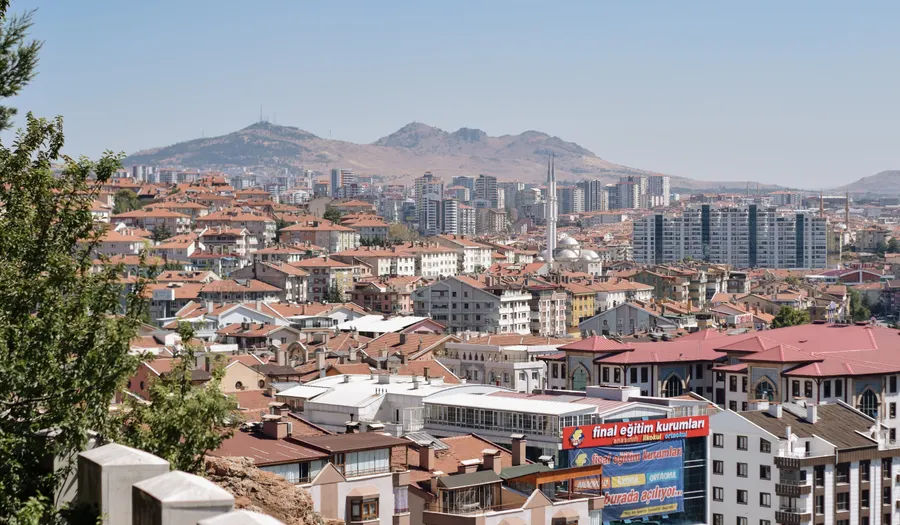
Often skipped, Ankara deserves a stop for its extraordinary Museum of Anatolian Civilisations, which unfolds ten thousand years of the region's history. Atatürk's imposing mausoleum (Anitkabir) sheds light on modern Turkey. The citadel and its lanes give a glimpse of the old town. It is a cultural and administrative stop, useful for understanding the country beyond the postcards.
How many days, and which itinerary?
Ten days to two weeks are enough to combine Istanbul, Cappadocia and part of the Aegean or Mediterranean coast.
🗺️ Day-by-day itinerary · 📓 Free printable Turkey guide (PDF)
Turkey essentials (10 days)
Three days in Istanbul, a flight to Cappadocia, then down to Ephesus and Pamukkale. The ideal route for a first visit, mixing cities, landscapes and ancient sites.
Turkey and the Aegean (14 days)
Istanbul, Cappadocia, then Ephesus, Pamukkale and the Lycian coast around Fethiye and Kas. Swimming and a gulet cruise are added to the cultural discovery.
Istanbul and Cappadocia express (7 days)
Four days in Istanbul and three in Cappadocia, linked by a one-hour domestic flight. Perfect for a first immersion when time is short.
Getting there and getting around
Domestic flights (Turkish Airlines, Pegasus, AJet) are cheap and save precious time between Istanbul, Cappadocia and the coast: book early.
Long-distance coaches are comfortable, punctual and criss-cross the whole country, with tea served on board; companies such as Kamil Koc are reliable.
In Istanbul, get an Istanbulkart for the metro, tram, funicular and ferries: the network is dense and the Bosphorus is crossed by boat.
Renting a car is ideal in Cappadocia and on the Lycian coast to explore at your own pace; the road network is good and fuel prices are average.
Where to stay in Turkey?
Hostels and guesthouses (pansiyon): €12 to €25 a night, warm and family-run, often with a generous Turkish breakfast included.
Mid-range and boutique hotels: €40 to €80 for a double, excellent value for money throughout the country.
Cave hotels in Cappadocia, carved into the rock: €70 to €150 a night, an experience in its own right.
Luxury hotels and suites with Bosphorus views in Istanbul: from €180 and well beyond.
Our places to stay, stop by stop, at three budgets →
What to eat in Turkey?
Kebabs in all their forms (adana, iskender, döner) and pide, boat-shaped dough topped like a Turkish pizza.
Meze for sharing: hummus, smoky aubergine, stuffed vine leaves (dolma), all washed down with aniseed raki.
Turkish breakfast (kahvalti), a feast of cheeses, olives, tomatoes, honey, eggs and warm bread, a sacred moment.
Sweets: pistachio baklava dripping with syrup, lokum (Turkish delight), and thick Turkish coffee served with a glass of water.
Entry requirements
Visa-free for 90 days in any 180 with a passport, for EU, UK, US, Canadian and Australian citizens.
Rules change: check your own government's travel advice before you go.
Cities and regions to discover
 City
City🇹🇷 Antalya
 City
City🇹🇷 Bodrum
 Region
🇹🇷 Cappadocia
 City
City🇹🇷 Istanbul
Frequently asked questions about Turkey
When is the best time to visit?
Spring (April to June) and autumn (September to October) offer ideal weather, mild and sunny, across the whole country. Summer is perfect for the coast but very hot inland; winter dusts Cappadocia with pretty snow.
What daily budget should I plan?
Allow around €30 to €45 a day as a backpacker and €70 to €120 in comfort. Domestic flights, Cappadocia and Istanbul are the items that weigh most on the bill.
Is a hot-air balloon flight in Cappadocia worth it?
Yes, it is the region's signature experience, but book ahead with a certified operator and budget around €150 to €250 per person. Flights depend on the weather and take off at dawn, so leave some slack in your schedule.
How do I get around between regions?
Very cheap domestic flights quickly link Istanbul, Cappadocia and the coast. For shorter journeys or to save money, long-distance coaches are comfortable and cover the whole country.
Similar destinations
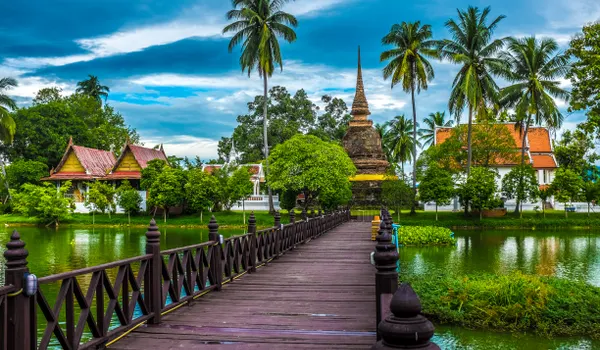 Country
🇹🇭 Thailand
 Country
🇲🇦 Morocco
 Country
🇻🇳 Vietnam
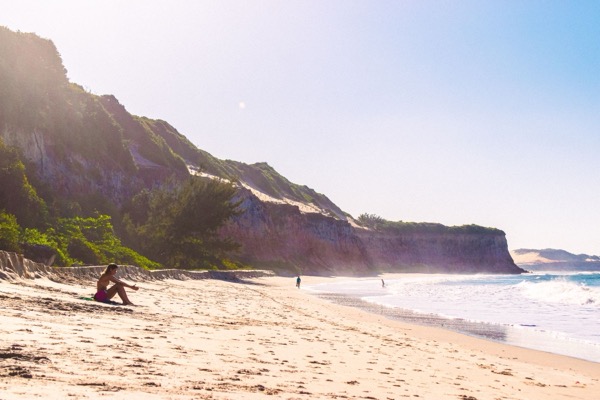 Region
🇧🇷 Northeast Brazil
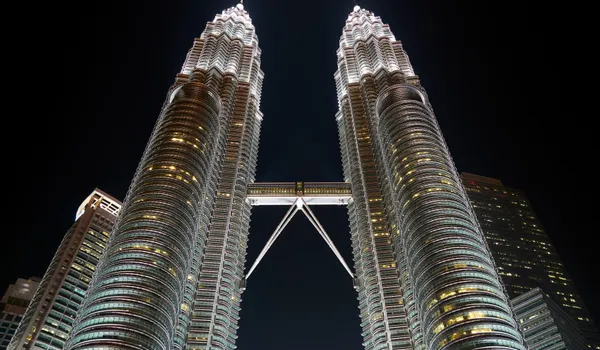 Country
🇲🇾 Malaysia
 City
City🇮🇩 Java
 City
City🇵🇭 Cebu
 City
City🇬🇪 Tbilisi
 City
City🇹🇭 Chiang Mai
 Country