When to go to Cebu?
→ The detailed month-by-month page, with real weather records
Best time: January to May (dry season)
At a glance
Why go to Cebu?
Cebu is the oldest city in the Philippines and the place where the archipelago tipped into European history: Magellan had a cross planted here on 21 April 1521 and baptised Rajah Humabon, before being killed a few days later on neighbouring Mactan by Lapu-Lapu's men. Legazpi founded the first permanent Spanish colony here in 1565. The centre keeps a coral-stone basilica, a triangular fort and a kiosk sheltering a cross, wedged between the shopping malls.
The island is 200 kilometres long and around thirty wide, and everything happens on the coasts. To the west, Moalboal and its shoal of several million sardines twenty metres from the shore. To the south, the turquoise Kawasan Falls and canyoning down the Kanlaob. To the north, Malapascua and its thresher sharks, seen almost every morning over an underwater shoal. Few places in Southeast Asia pack so many different dive sites within four hours' drive of one another.
The rest comes down to logistics and food. Mactan-Cebu is the country's second international airport, with direct flights from Seoul, Tokyo, Singapore and Dubai, which spares you the usual detour via Manila. Buses and ferries reach Bohol, Negros, Leyte and Siquijor in a few hours. And Cebu lays claim to the best lechon in the Philippines, the spit-roasted suckling pig sold by the kilo that Manila residents come here specially to buy.
Map of Cebu: what is where?
The map shows the 6 places covered in this guide, to picture the distances and plan your route.
- Cebu City
- Mactan
- Moalboal
- Kawasan Falls
- Oslob
- Malapascua
How much does a trip to Cebu cost?
Cebu stays cheap for accommodation and food, with rooms at €15 and meals at €4. It's the activities that add up: diving at €25 a tank, canyoning at €25, whale sharks at €16, plus intercity transport if you combine the north and the south.
| Style | Per day | What it covers |
|---|---|---|
| Backpacker | €25-45/day | Guesthouse with a fan, canteens and grills, local buses, snorkelling from the shore at Moalboal |
| Comfort | €70-120/day | Hotel with a pool or beach bungalow, two dives a day, private transfers, rented motorbike |
| Premium | €250+/day | Mactan resort, liveaboard dive cruise, transfers by air-conditioned van, domestic flights to save time |
Philippine pesos come out of ATMs, which often cap each withdrawal at 10,000 pesos with a €4 fee: favour BPI and BDO, whose limits are higher. Cards work in the city and at resorts, almost never in villages, on bangkas or at markets. Always keep small notes on you.
Is Cebu safe?
Cebu is easy to travel, but the city calls for the precautions of any big Asian metropolis: don't flash your phone in packed jeepneys, avoid poorly lit streets in the centre after midnight, and be wary of touts around the bus terminals. The real risks are at sea. Bangka crossings are cancelled when the swell rises, and you should accept those cancellations rather than look for a skipper willing to set off anyway. Diving at Monad Shoal happens at 25 metres, before daybreak, and is no place for a first dive. Kawasan canyoning has seen fatal accidents: go only with an insured operator and refuse, without discussion, any jump you don't feel up to. Finally, typhoon season runs from June to November, with real damage in the north of the island in 2013 and in 2021.
What to see and do in Cebu
- Basilica del Santo Niño
- Magellan's Cross
- Fort San Pedro
- The Moalboal sardine shoal
- Canyoning to Kawasan Falls
- The thresher sharks of Malapascua
- The summit of Osmeña Peak
- The whale sharks of Oslob
Historic Cebu

Old Cebu fits into a few hundred metres around Plaza Independencia: the Basilica del Santo Niño and its statuette from 1521, the kiosk sheltering Magellan's Cross, and Fort San Pedro with its coral walls. Around it, the modern city piles shopping malls and traffic jams onto three million inhabitants. Carbon Market, ten minutes' walk away, is still the oldest and liveliest, and the Taoist Temple in Beverly Hills looks down on it all from the hills.
Mactan and Lapu-Lapu

Mactan Island, linked to the mainland by two bridges, holds the international airport and most of the beachfront resorts. It is also where Magellan was killed on 27 April 1521 by Lapu-Lapu's men, an episode that two neighbouring monuments tell from opposite points of view. The beaches are artificial and privately owned, but bangka trips to the islets of Hilutungan and Nalusuan reach decent reefs within an hour by boat.
Moalboal

Three hours' drive to the south-west, a dive village set on a beachless coast, where the drop-off begins five metres from the water's edge. The sardine shoal stays put all year round twenty metres from the shore, in a few metres of water, and can be swum with nothing more than a mask. Green turtles graze the seagrass beds of White Beach, two kilometres to the north. Panagsama holds the dive centres, the restaurants and a modest nightlife, all at low prices.
Badian and Kawasan

Twenty kilometres south of Moalboal, the Kanlaob River has carved a limestone canyon whose water runs turquoise. The canyoning route takes three to four hours, stringing together jumps, slides and swims, down to the three tiered pools of Kawasan Falls. The site has become much busier since 2015 and now has to be booked in advance. The falls alone can be reached on foot from the road in twenty minutes, without doing the canyon.
The south and Oslob

The southern tip of the island lines up several sites within three hours' drive: Oslob and its fed whale sharks, the Sumilon sandbar, Tumalog Falls and the Simala Shrine, a white church shaped like a castle. Many agencies cram all of this into a fifteen-hour day trip from Cebu, which is gruelling. A night in Oslob or Dalaguete changes the pace completely.
Malapascua and the north

At the northern tip, four hours by road then thirty minutes by bangka, Malapascua covers two square kilometres and lives off diving. Monad Shoal, twenty minutes away by boat, draws thresher sharks every morning to be cleaned, a phenomenon almost unique in the world. The island was hit hard by Typhoon Yolanda in 2013 and then by Odette in 2021, and has rebuilt. Bounty Beach keeps its white sand and its bungalows.
How many days, and which itinerary?
Five days are enough for the city, Moalboal and the canyoning. Eight to ten let you add Malapascua in the north, a neighbouring island and days of diving without spending all your time on the road.
🗺️ Day-by-day itinerary · 📓 Free printable Cebu guide (PDF) · 🌍 All of the Philippines
Cebu in 5 days
Day 1: old Cebu on foot, the basilica, Magellan's Cross, Fort San Pedro and Carbon Market, then lechon in the evening. Day 2: the three-hour drive to Moalboal, and sardines at sunset. Day 3: Kawasan canyoning in the first slot, back to Moalboal for the turtles. Day 4: Osmeña Peak at sunrise, then Tumalog Falls. Day 5: a last morning with mask and snorkel before heading back up to Mactan airport.
Cebu and Malapascua in 10 days
The five-day base in the south, then up to the north: four hours by bus to Maya, thirty minutes by bangka, and three nights on Malapascua for two mornings with the thresher sharks and a dive on the Gato reefs. Finish with a night on Bantayan, to the west, for its white-sand beaches. Allow a buffer day: bangkas don't sail when the sea is rough, which often happens in January.
Cebu, Bohol and Siquijor in two weeks
Cebu is the hub for the whole of the central Philippines. Five days on the island, then two hours by fast ferry to Bohol for the Chocolate Hills and the tarsiers, three nights, then an hour and a half by boat to Siquijor and its waterfalls. Straight back to Cebu by fast ferry. Everything can be booked the day before through an agency or online, and crossings are cancelled in heavy weather, so keep a spare day before your flight home.
Getting there and getting around
Mactan-Cebu International Airport is on the neighbouring island, 12 km from the centre across two bridges, around thirty minutes outside the jams and twice that at rush hour. It has direct flights from Seoul, Tokyo, Singapore, Dubai and Manila.
Buses from the South Bus Terminal leave every half hour for Moalboal, Badian and Oslob, for €3-5 and a three-hour journey. Those from the North Bus Terminal serve Maya, the jumping-off point for Malapascua, in four hours. Air-conditioned buses cost a third more and are worth the extra.
In town, the jeepney is still the basic way to get around for a few cents, backed up by metered taxis and ride-hailing apps. Habal-habal, the motorbike taxis, and tricycles cover short hops in the villages, at around €1-2 a ride, agreed before you climb on.
Renting a motorbike costs €8-12 a day in Moalboal or on Malapascua and is the simplest way to get around the south. An international driving permit is required at police checks, and the mountain roads call for caution, especially after rain.
Where to stay in Cebu?
Hostels and guesthouses in Cebu City and Moalboal: €10-25 a night for a double room with a fan or air conditioning. Panagsama Beach has dozens of them, often attached to a dive centre, with a shared kitchen and weekly discounts.
Mid-range hotels in Cebu City, around €35-70 a night, mostly in the business districts of Lahug and Cebu Business Park, with rooftop pools. The old centre has few, and you are better off sleeping near the restaurants than near the churches.
On Mactan, beachfront resorts run from €90 to €250 a night, with landscaped beaches, pools and boat trips. You are ten minutes from the airport and forty-five from old Cebu, which mostly suits a first and a last night.
On Malapascua and Bantayan, beachfront bungalows cost €25-80 a night depending on the season, with frequent power cuts and generators taking over. Book ahead from December to May: supply is limited and groups of divers block out entire weeks.
Our places to stay, stop by stop, at three budgets →
What to eat in Cebu?
Cebu lechon, suckling pig stuffed with lemongrass and spit-roasted for four hours, is sold by the kilo at the stalls of Talisay and Carbon Market, around €10 a kilo. The crackling skin and fragrant meat explain why Manila residents take it home by the crate.
Larsian, an open-air grill market in the city centre, serves pork skewers, chicken wings, blood sausage and rice wrapped in banana leaf, for €3-5 a full meal. You pick your skewers raw and have them grilled in front of you, in a permanent haze of smoke.
Kinilaw, raw fish marinated in coconut vinegar, ginger and chilli, is served all along the coast for €3-6. The markets of Moalboal and Oslob sell fresh tuna, marlin and octopus in the morning, and many guesthouses will cook it for you for a few pesos.
The local breakfast combines garlic rice, a fried egg and dried meat, under the name silog, for €2-3. Coffee from the Cebu highlands is drunk very sweet, and the island's dried mangoes, an export speciality, are sold in bags at every market.
Entry requirements
Visa-free for 30 days with a passport valid six months beyond arrival, for EU, UK, US, Canadian and Australian citizens, with proof of onward travel. Everyone must also register online on eTravel within the 72 hours before arrival.
Rules change: check your own government's travel advice before you go.
Frequently asked questions about Cebu
Should you go and see the whale sharks at Oslob?
It's a genuine debate. The animals have been fed daily since 2011, which according to several studies alters their movements and behaviour, and collisions with the boats are documented. If the encounter matters more to you than the guarantee, Donsol in southern Luzon and Southern Leyte offer unprovoked encounters, which are therefore more hit-and-miss.
When is the best time to go?
From January to May: clear skies, calm seas and the best underwater visibility. Sinulog, the country's biggest festival, is held on the third Sunday of January and fills the city. From June to November, rain and typhoons disrupt boat crossings, with the risk peaking between September and November.
Do you need to be a certified diver?
Not for Moalboal, where the sardine shoal and the turtles can be seen with mask and snorkel a few metres from the shore. For Malapascua, yes: the thresher sharks are found at 25 metres, before sunrise. Open Water certification and around twenty logged dives are the reasonable minimum.
How many days should you allow?
Five days for Cebu City, Moalboal and Kawasan canyoning. Eight to ten to add Malapascua in the north, which takes four hours by bus and a bangka crossing. Two weeks let you carry on to Bohol and Siquijor by ferry, which remains Cebu's great strength as a starting point.
Similar destinations
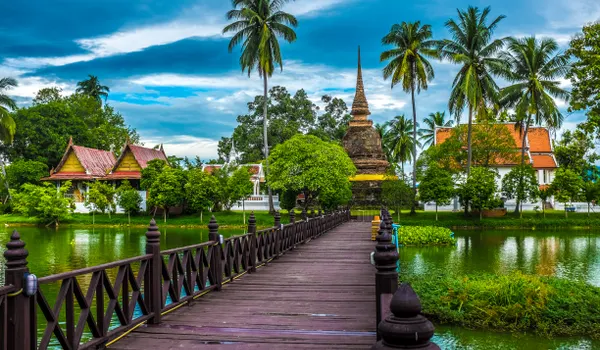 Country
🇹🇭 Thailand
 Country
🇻🇳 Vietnam
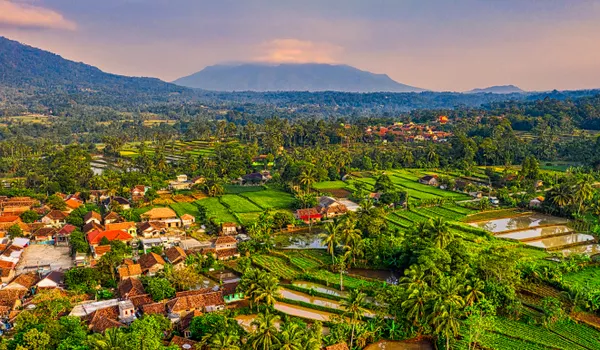 Country
🇮🇩 Indonesia
 Country
🇱🇰 Sri Lanka
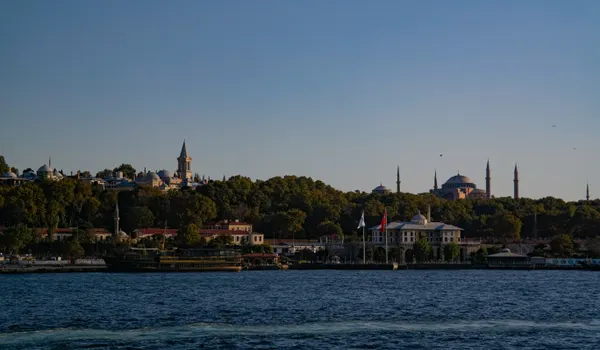 Country
🇹🇷 Turkey
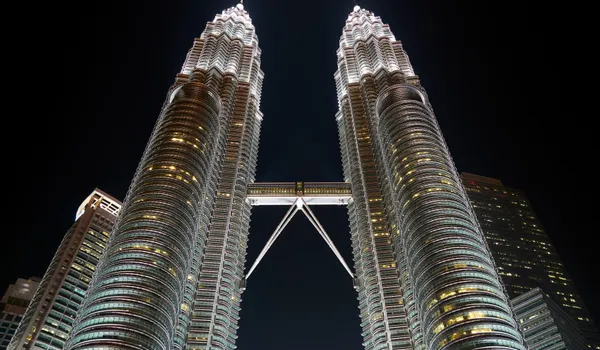 Country
🇲🇾 Malaysia
 City
City🇹🇷 Antalya
 City
City🇯🇵 Hokkaido
 City
City🇮🇩 Java
 City
City