When to go to Sri Lanka?
→ The detailed month-by-month page, with real weather records
Best time: December to March (east coast: May to September)
At a glance
Why go to Sri Lanka?
Sri Lanka packs a dizzying diversity onto an island the size of Ireland. In a single day you can go from palm-fringed beaches to mist-wrapped mountains, from tea plantations to reserves teeming with elephants. That compactness is the whole joy of the trip: distances are short and every bend in the road changes the scenery. Few destinations offer so many contrasts in such a small space.
The island carries more than two thousand years of Buddhist and Hindu history, carved into its ancient cities and cave temples. Sigiriya Rock, the white dagobas of Anuradhapura and the Temple of the Tooth in Kandy tell the story of a refined civilisation. Religious devotion runs through daily life, from lotus offerings to colourful processions. Heritage here is lived in the present, never frozen in the past.
Above all, though, Sri Lanka is a warm way of life and a feast for the senses. The train ride through the tea plantations ranks among the most beautiful in the world, windows open onto green hills. The food, generous and spicy, spins endless variations on curry, and Sri Lankans welcome travellers with genuine hospitality. Few people leave untouched by the island's charm.
Map of Sri Lanka: what is where?
The map shows the 6 places covered in this guide, to picture the distances and plan your route.
- Sigiriya
- Kandy
- Ella
- Yala National Park
- Galle
- Mirissa
How much does a trip to Sri Lanka cost?
Sri Lanka offers excellent value for money, with plenty of options for every budget.
| Style | Per day | What it covers |
|---|---|---|
| Backpacker | €25-35/day | guesthouse, rice and curry, trains and local buses |
| Comfort | €60-100/day | boutique hotel, private driver, restaurants and safaris |
| Premium | €200+/day | luxury lodges, tea plantations, private guides and excursions |
The Sri Lankan rupee is the only currency accepted; withdraw cash from ATMs in town and keep small change for tuk-tuks.
Is Sri Lanka safe?
Sri Lanka is a safe and welcoming destination, with petty crime rare and tourism well organised. Bring mosquito protection (dengue is present) and keep your routine vaccinations up to date. Take care when swimming: some currents on the south coast are dangerous, so respect the flags and ask locally. Cover shoulders and knees in temples, and never turn your back on a Buddha statue for a photo, a gesture that causes real offence.
What to see and do in Sri Lanka
- Sigiriya Rock
- Ella's tea plantations
- a safari in Yala
- the Temple of the Tooth in Kandy
- the southern beaches
Sigiriya Rock
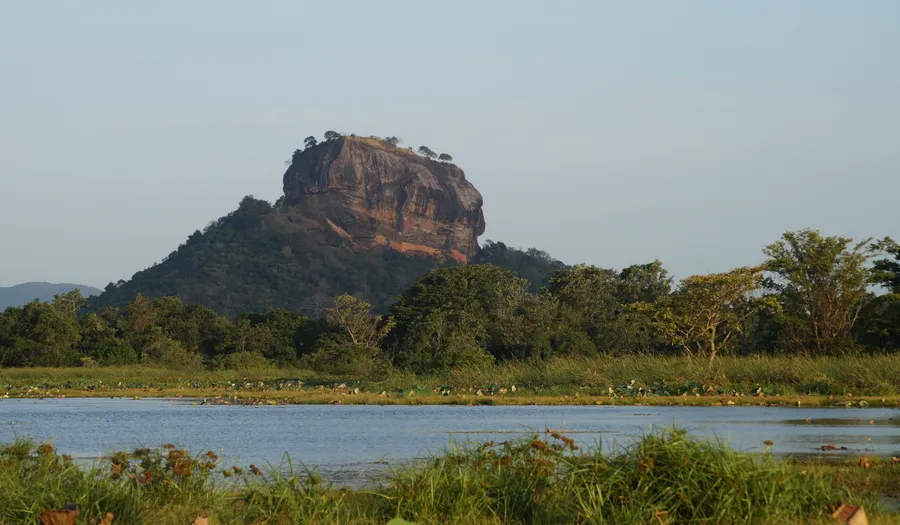
This 5th-century royal fortress rises from a two-hundred-metre rock outcrop in the middle of the jungle. The climb reveals frescoes of court maidens, a polished mirror wall and the remains of a palace perched on the summit. The panoramic view over the canopy rewards the early-morning effort. Neighbouring Pidurangala offers a spectacular viewpoint over the rock itself.
Kandy and the Temple of the Tooth

The last royal capital, wrapped around a lake, Kandy guards the most sacred relic of Sinhalese Buddhism, a tooth of the Buddha. The Sri Dalada Maligawa comes alive during pujas driven by the beat of drums. The Peradeniya botanical gardens and performances of Kandyan dance round off the visit. Cooler than the coast, the city has a deeply spiritual atmosphere.
The hill country train to Ella

The Kandy-Ella line is famed as one of the most beautiful train journeys in the world. The train snakes along the mountainside past waterfalls, forests and tea plantations of an intense green. You travel with the windows open, often perched in the carriage doorway, legs dangling over the drop. Ella, a hikers' village, offers the Nine Arch Bridge and the climb up Little Adam's Peak.
Yala safari
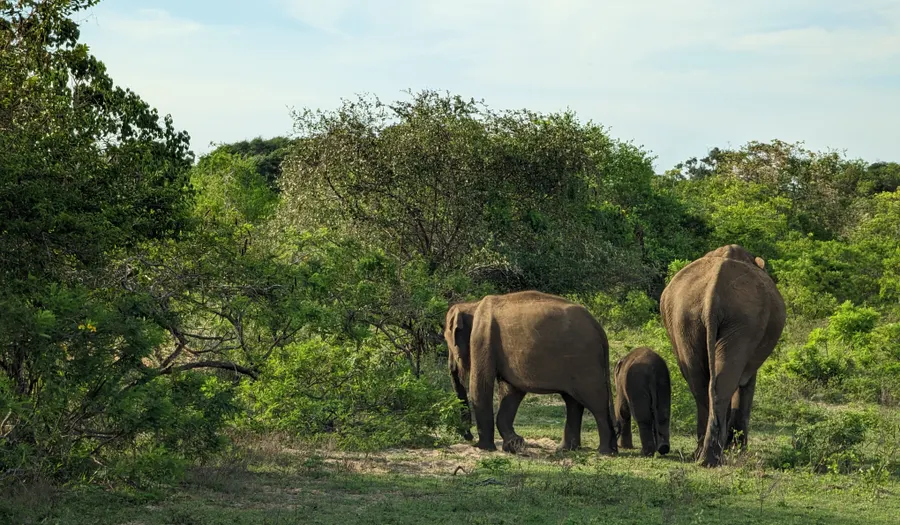
Yala National Park has the highest density of leopards in the world, along with elephants, crocodiles and peacocks. 4x4 safaris run at dawn or late in the afternoon, when the wildlife stirs. The landscape mixes savannah, lagoons and granite boulders sculpted by time. Book a knowledgeable guide and avoid peak season to escape the crush of jeeps.
Galle and its fort

A former colonial trading post fortified by the Dutch, Galle is a gem on the shores of the Indian Ocean. Its ramparts, cobbled lanes and verandah houses now shelter galleries, cafés and craft shops. The lighthouse and the white mosque make for fine photos at sunset. A UNESCO World Heritage Site, the old town is best explored on foot at an unhurried stroll.
The southern beaches
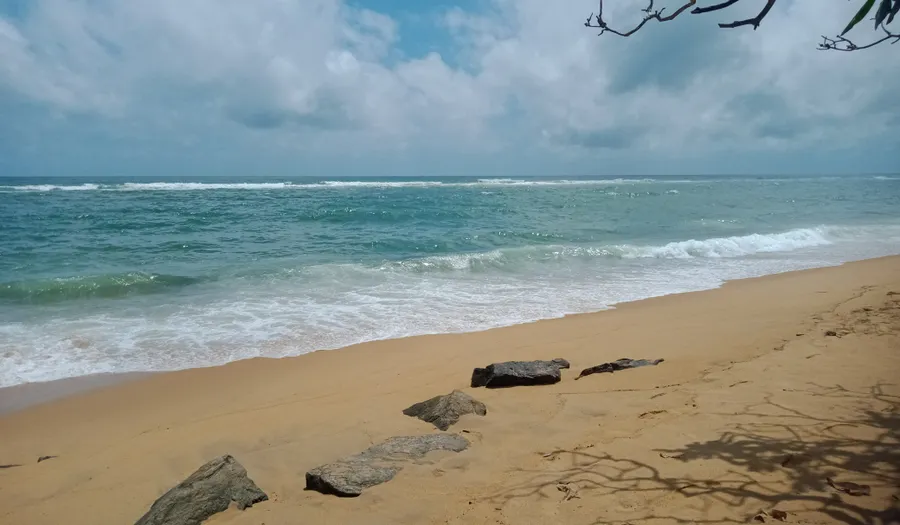
From Mirissa to Tangalle, the south coast strings together golden bays, surf spots and leaning coconut palms. Mirissa is the departure point for blue whale watching trips, from November to April. Weligama introduces beginners to surfing on its gentle waves. Unawatuna and its calm waters suit families looking for peaceful swimming.
How many days, and which itinerary?
A stay of 12 to 15 days lets you cover the Cultural Triangle, the hill country and the south coast without rushing.
🗺️ Day-by-day itinerary · 📓 Free printable Sri Lanka guide (PDF)
Heart of the island (9 days)
From the Cultural Triangle and Sigiriya to Kandy, then the legendary train to Ella and a safari in Yala. A rich immersion in heritage and mountain scenery, ideal for a first visit.
The whole island (14 days)
The grand tour adds the south coast and its beaches after the Cultural Triangle, the tea country and a safari. You alternate temples, scenic trains, wildlife and lazy days by the ocean.
The gentle south (7 days)
A short circuit centred on Galle, the southern beaches and whale watching in Mirissa, with an escape to Ella. Perfect for a relaxing stay punctuated by a few highlights.
Getting there and getting around
The train remains the star experience, especially on the Kandy-Ella line: book first class ahead in peak season.
Hiring a driver-guide by the day (€40-60) gives you comfort and flexibility to cover several stops.
Tuk-tuks, now often fitted with meters or bookable through the PickMe app, are perfect for short hops.
Local buses, packed but very cheap, let you travel right alongside the locals.
Where to stay in Sri Lanka?
Family guesthouses and homestays, often with breakfast: €10-20 a night.
Boutique hotels and charming colonial houses in Galle or the hill country: €40-80.
Comfortable beach bungalows and hotels on the south coast: €30-70 depending on the season.
Luxury lodges and restored former tea plantations: €150-300 and up.
Our places to stay, stop by stop, at three budgets →
What to eat in Sri Lanka?
Rice and curry, an array of small vegetarian dishes and sauces around a mound of rice, is the everyday meal par excellence.
Hoppers, bowl-shaped pancakes made from fermented rice flour, are eaten with an egg or coconut sambol.
Kottu, flatbread chopped with a cleaver and stir-fried with vegetables and meat, clatters through every street in the evening.
Spicy coconut sambol (pol sambol) and lentil dhal accompany almost every meal.
Entry requirements
An ETA is required and must be applied for online before you travel, with a passport, for EU, UK, US, Canadian and Australian citizens.
Rules change: check your own government's travel advice before you go.
Cities and regions to discover
 City
City🇱🇰 Ella
 City
City🇱🇰 Galle
 City
City🇱🇰 Kandy
 City
City🇱🇰 Sigiriya
Frequently asked questions about Sri Lanka
When is the best time to go?
Sri Lanka has two monsoons: aim for December to March for the south and west coasts, and May to September for the east coast. The centre and the highlands stay pleasant for much of the year.
What daily budget should I plan for?
Allow around €30 a day as a backpacker and €80 for mid-range comfort with a driver. Safaris and whale watching are separate expenses.
Is Sri Lanka safe right now?
Yes, the island has become a calm tourist destination again and the welcome is warm. The usual vigilance is enough, particularly when swimming, as currents can be strong.
How do I get around the island?
The train offers the most beautiful journeys, especially to the tea country, while a private driver saves precious time between stops. Tuk-tuks handle short distances in town.
Similar destinations
 Country
🇮🇩 Indonesia
 City
City🇮🇩 Lombok
 Country
🇹🇭 Thailand
 City
City🇹🇭 Chiang Mai
 Country
🇻🇳 Vietnam
 City
City🇮🇩 Bali
 Country
🇮🇳 Kerala
 Country
🇱🇦 Laos
 City
City🇮🇩 Java
 Region