When to go to Kerala?
→ The detailed month-by-month page, with real weather records
Best time: October to March
At a glance
Why go to Kerala?
South India is a world apart, greener, more tropical and more peaceful than the great plains of the North. Across Kerala, Tamil Nadu and Karnataka, you discover an India where coconut palms bend over the canals, paddy fields shimmer between the hills and life seems to follow a gentler tempo. Here the monsoon shapes the landscape, spices scent the air and the welcome keeps a simple warmth that disarms the hurried traveller.
On this strip of land between the Arabian Sea and the Bay of Bengal, each state cultivates its own personality. Kerala unfurls its backwaters and tea plantations; Tamil Nadu lines up Dravidian temples whose carved towers rise like mountains of gods; Karnataka offers the palaces of Mysore and the remains of ancient kingdoms. You move from houseboats gliding between palm trees to hypostyle halls echoing with bells, never feeling you have changed country, yet passing through a thousand atmospheres.
It is also a land of senses and flavours. The cooking, overwhelmingly vegetarian, is enjoyed on a banana leaf, with rice and curries ladled out until you are full. Ayurveda has its roots here, hot-oil massages punctuate a stay, and Kathakali brings age-old myths to life on stage. For anyone seeking a more accessible first taste of India, or a more intimate second visit, the South keeps a rare promise: a change of scene without the harshness.
Map of Kerala: what is where?
The map shows the 7 places covered in this guide, to picture the distances and plan your route.
- Kochi (Fort Kochi)
- Alleppey (backwaters)
- Munnar
- Thekkady (Periyar)
- Varkala
- Madurai
- Mysore
How much does a trip to Kerala cost?
South India remains a very cheap destination, where a modest budget is enough to travel comfortably. The prices below are per person per day, including accommodation, meals and local transport, excluding international flights and major excursions.
| Style | Per day | What it covers |
|---|---|---|
| Backpacker | 1500-2500 INR (€16-27) | Simple guesthouses and homestays, meals in local canteens (thali, dosa), economy-class trains and buses, a few visits. |
| Comfort | 3500-6000 INR (€38-65) | Charming hotels or guesthouses, a night on a houseboat, varied restaurants, car with driver for some legs, site entrances and occasional guides. |
| Luxury | 10000 INR and up (€110 and up) | Resorts and former palaces, upmarket houseboats, Ayurvedic treatments, private driver for the whole trip, exclusive experiences and excursions. |
The Indian rupee (INR) is the only useful currency locally; withdraw cash from ATMs, found in every town, and keep small change for rickshaws and markets. Cards are accepted in upmarket hotels and restaurants, but cash remains essential for small shops and rural areas. Mobile payment has spread widely, though it is not always accessible to foreign travellers. Bargaining is customary in shops and for unmetered rides, to be done with a smile.
Is Kerala safe?
South India is considered one of the safest and most peaceful regions of the country, with a reputation for kindly hospitality and a relaxed pace of life. Precautions are mostly common sense: watch your belongings in stations and crowded places, agree rickshaw fares in advance, and pay attention to food hygiene to avoid the stomach upsets common among newcomers. Women travelling alone generally find a calmer environment than in the North, while keeping dress and behaviour discreet, especially in temples. It is best to take out solid travel insurance and to read up on the monsoon, from June to September, which can disrupt roads and excursions.
What to see and do in Kerala
- Kerala's backwaters by houseboat
- the tea plantations of Munnar
- the temples of Tamil Nadu
- the beaches of Varkala
- the spices of the South
Kerala's backwaters by houseboat

The backwaters form a labyrinth of lagoons, lakes and canals running for hundreds of kilometres along the Kerala coast. You explore them aboard a kettuvallam, an old rice barge converted into a houseboat, often setting off from Alleppey or Kumarakom. The boat moves slowly between curtains of coconut palms, past villages where people wash clothes, cast nets and grow rice below the waterline. A crew cooks fish curries and fresh vegetables on board, served facing the sunset. Night falls in a silence broken only by birdsong, far from any road. To experience river life up close, you can also opt for a narrow canoe that slips into the side canals the big boats cannot reach.
The tea plantations of Munnar

Perched at around 1600 metres in the Western Ghats, Munnar unfolds a landscape of hills carpeted with neatly clipped tea bushes, a deep, even green. The coolness contrasts with the sticky heat of the plains, and mornings often open on banks of mist clinging to the ridges. You can visit old tea factories still in operation, where you follow the leaf's journey from picking to cup. Hairpin roads climb to spectacular viewpoints over the valleys and dams. In spring, some slopes are occasionally covered in the blue of Neelakurinji, a flower that blooms only once every twelve years. Hikers and fresh-air lovers find a welcome counterpoint here to the tropical heat of the coast.
The temples of Tamil Nadu (Madurai)

Tamil Nadu is the beating heart of Dravidian architecture, and the Meenakshi temple in Madurai is its most dizzying jewel. Its gopurams, gateway towers several dozen metres high, are covered in thousands of painted statues of gods, demons and fabulous creatures. Inside, a maze of pillared halls, sacred tanks and shrines hums with unbroken devotion, amid flower offerings and incense smoke. The temple lives from morning to night to the rhythm of rituals, processions and barefoot pilgrims. Madurai, one of the oldest continuously inhabited cities in South India, extends the experience with its lively markets. You can round off the discovery with the temples of Thanjavur or the seaside sculptures of Mahabalipuram.
Fort Kochi and its Chinese fishing nets

Fort Kochi distils centuries of maritime encounters on a headland between lagoon and Arabian Sea. Along the shore, the great Chinese fishing nets, huge cantilevers of wood and rope, have been rising and falling for generations, iconic silhouettes at sunset. In the lanes, the Portuguese, Dutch and then British heritage can be read in the churches, spice warehouses and weathered colonial façades. The Jewish quarter and its old synagogue, the art galleries and cafés give the place a singular, almost timeless atmosphere. In the evening, a Kathakali performance reveals its spectacular make-up and codified gestures. Strolling here, you grasp how the spice trade made this coast a crossroads of the world.
The beaches of Varkala

Varkala stands out from most Kerala beaches thanks to its spectacular red laterite cliff rising straight above the sand and waves. At the top of the headland, a footpath runs past a string of cafés, shops and terraces facing the sea. Below, the beach draws swimmers and surfers, while the spring gushing from the cliff remains sacred to Hindu pilgrims. The site keeps a spiritual dimension with its ancient temple and funeral rites performed at the water's edge. Sunrises and sunsets are memorable here, setting the rock ablaze. It is a place made for rest, yoga and Ayurvedic treatments, between lazing about and contemplation.
Mysore Palace

Mysore Palace, residence of the Wodeyar dynasty in Karnataka, ranks among the most sumptuous royal residences in India. Rebuilt at the start of the twentieth century in Indo-Saracenic style, it blends domes, arcades and stained glass in controlled profusion. Inside, audience halls, ornate ceilings, cast-iron columns and mosaics bear witness to the splendour of a refined court. On Sunday evenings and during the Dasara festival, the façade lights up with nearly one hundred thousand bulbs, turning the building into a golden apparition. Around it, Mysore cultivates a reputation as a city of sandalwood, silk and fragrant markets. Take time to visit Devaraja Market, overflowing with flowers, fruit and coloured powders.
Periyar reserve and the spices

Tucked into the hills of Thekkady, Periyar reserve protects lush forest around a vast artificial lake. You explore its wildlife by boat, on the lookout for wild elephants, gaur, deer and the countless birds that frequent the shores. Guided walks with rangers offer a closer approach to the jungle and its animal tracks. The region is also the kingdom of spices: cardamom, pepper, cloves, vanilla and cinnamon grow in plantations you can visit to learn how they are cultivated. The scents, terraced gardens and small workshops tell of an ancient economy that is still very much alive. Finally, it is a gateway to Ayurveda, with its treatment centres and massages with fragrant oils.
How many days, and which itinerary?
Two weeks is the ideal length to take in Kerala and a slice of Tamil Nadu or Karnataka without rushing. In ten days, you can already link backwaters, tea plantations and Fort Kochi comfortably. With three weeks, it becomes possible to add the great temples of Tamil Nadu, the Mahabalipuram coast and Mysore, taking time to savour each stop.
🗺️ Day-by-day itinerary · 📓 Free printable Kerala guide (PDF)
10 days, the best of Kerala
This itinerary focuses on Kerala and its concentrated mix of landscapes. Start in Fort Kochi for two nights, time enough for the Chinese nets and a Kathakali show, then head up to Munnar to discover the tea plantations and the cool air of the Ghats. Next, make for Thekkady and Periyar reserve for wildlife and spices, before reaching Alleppey and a night on a houseboat on the backwaters. Wind down gently on the cliff at Varkala, between beach, yoga and sunsets.
15 days, from Kerala to Tamil Nadu
Over two weeks, the previous itinerary extends east to the great Dravidian temples. After the backwaters and Varkala, head to Madurai and its Meenakshi temple, a summit of devotion and sculpture. Continue to Thanjavur and its Brihadishvara temple, then to the coast and Mahabalipuram, with its reliefs and temples facing the sea. This loop blends Kerala's nature with Tamil Nadu's heritage, with slightly longer but highly varied journeys.
21 days, grand tour of the South
In three weeks, you add Karnataka and a deeper dive into the cultures of the South. To the Kerala and Tamil Nadu programme come Mysore and its palace, Devaraja Market and, for lovers of ruins, a side trip to Hampi and its landscapes of granite boulders. This generous pace allows rest days, Ayurvedic treatments and encounters, turning the trip into a true immersion rather than a race between sites.
Getting there and getting around
The train remains the backbone of travel in South India, cheap and scenic, provided you book tickets ahead for long distances. The stations of Kochi, Madurai and Mysore link the main stops efficiently, while the air-conditioned classes offer a good compromise on comfort. For shorter or less well-served journeys, buses complete the network, with frequent services that can be gruelling on mountain roads.
The most flexible option is to hire a car with driver, common and affordable in the region, which spares you the stress of local driving and lets you stop whenever you like. Locally, rickshaws (autos) and taxis handle short trips, negotiated or metered depending on the city. Flying remains useful for reaching the South from abroad or covering long distances, via the airports of Kochi, Trivandrum, Madurai or Bangalore.
Where to stay in Kerala?
Accommodation in South India offers remarkable value for money and a lovely variety of styles. In Kerala, treat yourself to a night aboard a houseboat on the backwaters, an experience to have at least once, as well as family homestays that open the door to local cooking and warm exchanges. In Munnar or Thekkady, lodges nestled in greenery extend the immersion, while Fort Kochi is full of guesthouses set in old colonial mansions.
Along the coasts, notably in Varkala, options range from simple clifftop guesthouses to wellness and Ayurveda resorts. In the cities of Tamil Nadu and Karnataka, the choice runs from budget hotels near the stations to charming establishments, sometimes converted former palaces. Booking ahead in high season, from November to March, is wise for the most sought-after places.
Our places to stay, stop by stop, at three budgets →
What to eat in Kerala?
Southern cooking, overwhelmingly vegetarian, is best savoured first through the thali served on a banana leaf: rice surrounded by small curries, chutneys, sambar and papadums, replenished at will. In the morning, feast on steamed idli, crisp dosas filled with spiced potato, vada and uttapam, served with coconut chutney and sambar. The flavours, bold and fragrant, combine coconut, curry leaves, mustard, tamarind and chilli.
In Kerala, the sea and the Christian community broaden the menu with fish curries, seafood and the famous appam served with stew. South Indian filter coffee, served frothy in a metal tumbler, punctuates the day, as do fresh fruit juices and coconut water. Locally grown spices, cardamom and pepper first among them, find their way even into desserts and drinks. Take care with water, though: choose sealed bottled water and avoid ice of uncertain origin.
Entry requirements
An e-visa is required and must be applied for online at least four days before arrival, with a passport valid six months, for EU, UK, US, Canadian and Australian citizens. An online e-arrival card is also required.
Rules change: check your own government's travel advice before you go.
Cities and regions to discover
 Region
🇮🇳 Kerala
 City
City🇮🇳 Tamil Nadu
 City
City🇮🇳 Karnataka (Mysore and Hampi)
 City
City🇮🇳 Fort Kochi
Frequently asked questions about Kerala
When is the best time to visit South India?
The ideal season runs from November to March, when the climate is drier and milder, with pleasant temperatures on the coasts and in the hills. The monsoon, from June to September, turns the landscapes green but complicates roads and excursions; it does, however, draw Ayurveda enthusiasts, as treatments are reputed to be more effective at that time.
Is South India a good choice for a first trip to India?
Absolutely: greener, calmer and often considered more accessible than the North, it offers a gentler introduction to the country. Distances remain reasonable, the welcome is warm and Kerala's tourist infrastructure makes planning easier. It is an excellent choice for discovering India without being hit by its full intensity straight away.
Is southern cooking suitable for vegetarians?
The South is a paradise for vegetarians, as local cooking is mostly vegetarian. Thalis on banana leaves, dosas, idlis and vegetable curries make complete, tasty meals available everywhere. Those who eat meat or fish will also be happy, especially in Kerala, on the coasts.
How long should you allow for a trip to South India?
Around ten days is enough to grasp the essentials of Kerala, between backwaters, plantations and Fort Kochi. Two weeks offer an ideal balance to add the temples of Tamil Nadu or Mysore without rushing. Beyond that, three weeks allow a grand tour including Karnataka and more downtime.
Similar destinations
 Country
🇻🇳 Vietnam
 Country
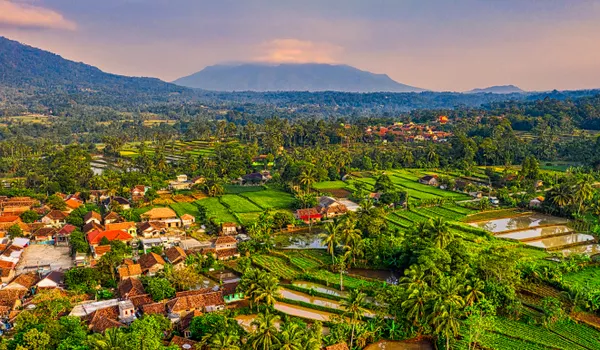
🇮🇩 Indonesia
 Country
🇱🇰 Sri Lanka
 Country
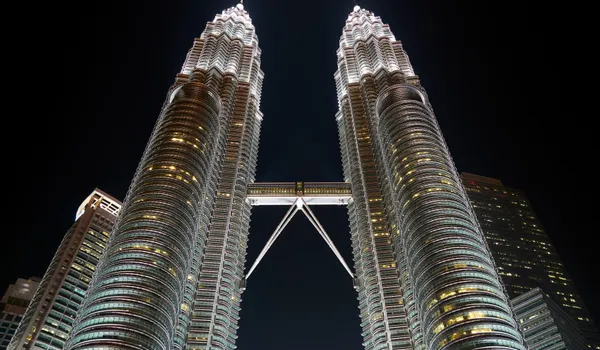
🇲🇾 Malaysia
 City
City🇹🇷 Antalya
 City
City🇮🇩 Java
 City
City🇱🇦 Luang Prabang
 Country
🇵🇹 Portugal
 Country
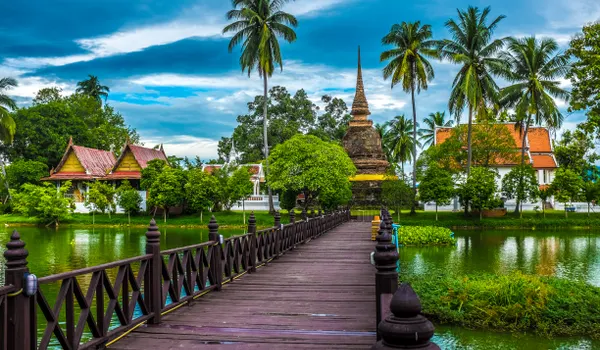
🇹🇭 Thailand
 City
City