When to go to Chiang Mai?
→ The detailed month-by-month page, with real weather records
Best time: November to February
At a glance
Why go to Chiang Mai?
Chiang Mai is the cultural capital of northern Thailand, nestled in a setting of green mountains. The former city of the Lanna kingdom, it retains an old town ringed by moats and ramparts and dotted with hundreds of temples. The pace is gentler and the atmosphere more authentic than in Bangkok. You quickly feel at home.
The city has become a paradise for lovers of nature and wellness. Ethical elephant sanctuaries, treks to mountain villages, waterfalls and rice paddies surround it. It is also a capital of northern cuisine and a hotspot for nomadic, creative living. Cafés, markets and craft workshops abound.
Finally, Chiang Mai shines through its festivals and spirituality. The Yi Peng lantern festival lights up the sky once a year in an enchanting spectacle. Hilltop temples such as Doi Suthep offer panoramas and a contemplative atmosphere. Accessible and cheap, the city appeals to every kind of traveller.
Map of Chiang Mai: what is where?
The map shows the 6 places covered in this guide, to picture the distances and plan your route.
- Doi Suthep
- Wat Chedi Luang
- Sunday Night Market
- Elephant Sanctuary (Mae Taeng)
- Doi Inthanon
- Bo Sang Village
How much does a trip to Chiang Mai cost?
Chiang Mai is one of the cheapest destinations in Thailand.
| Style | Per day | What it covers |
|---|---|---|
| Backpacker | €18-30/day | Dorm, street food, songthaews and free or cheap temples. |
| Comfort | €45-80/day | Boutique hotel, cooking class, elephant sanctuary and good restaurants. |
| Premium | €150+/day | Resort in the hills, private excursions and upmarket spa. |
Carry cash for markets and songthaews; cards are mainly accepted in hotels and cafés.
Is Chiang Mai safe?
Chiang Mai is one of the safest and most relaxed cities in Thailand. The main points to watch are scooter riding, a source of accidents, and air quality: from February to April, agricultural burning causes heavy pollution, worth monitoring if you are sensitive. Choose genuinely ethical elephant sanctuaries so as not to support mistreatment. Otherwise, crime is low and the welcome warm; common-sense precautions are more than enough.
What to see and do in Chiang Mai
- Doi Suthep
- the old town and its temples
- an elephant sanctuary
- the night market
- trekking in the mountains
Doi Suthep

This mountaintop temple overlooks the city from its dragon-guarded staircase. Its golden stupa gleams in the sun and draws pilgrims and visitors alike. The terrace offers a superb view over Chiang Mai and the valley. You reach it by a winding road through the forest.
Old Town and Wat Chedi Luang
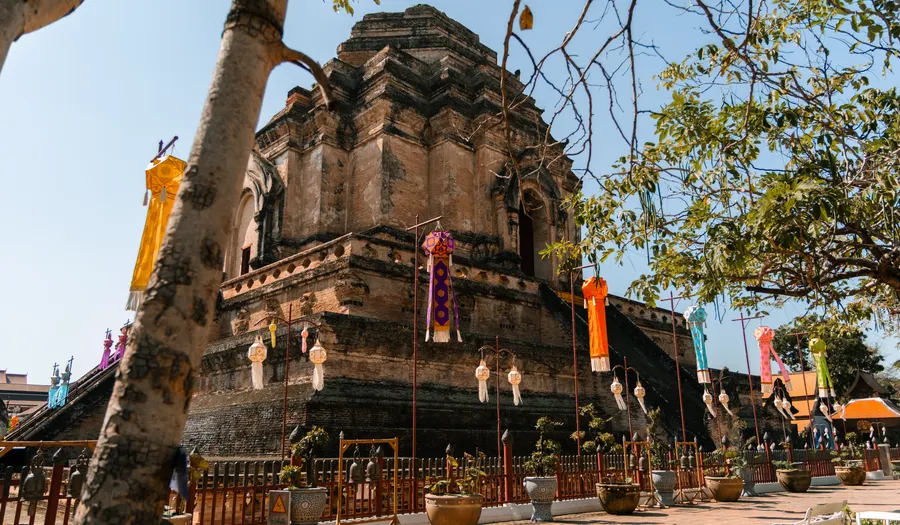
The historic heart, enclosed by moats, gathers the oldest temples. Wat Chedi Luang impresses with its immense stupa, partly ruined by an earthquake. The lanes invite you to drift from temple to café. It is the best place to grasp the soul of Chiang Mai.
Sunday Night Market
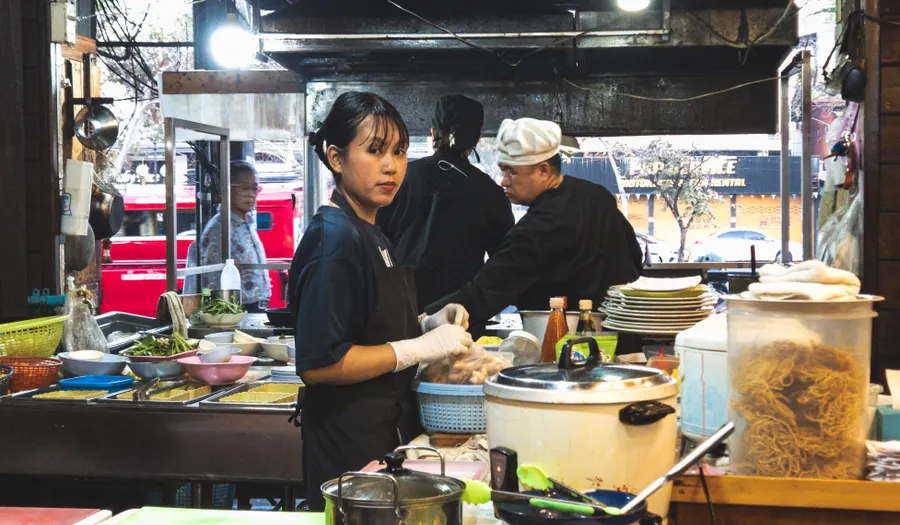
Every Sunday, the old town turns into a huge pedestrian market. Crafts, textiles, street food and musicians create a warm atmosphere. You can unearth fine handmade pieces at good prices. Come early to enjoy it before the big crowds.
Elephant sanctuary
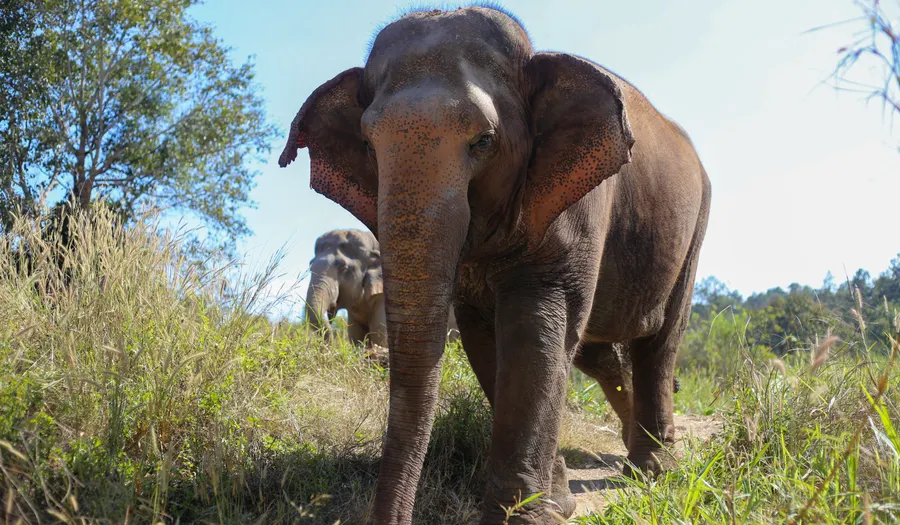
Around Chiang Mai, ethical refuges take in elephants rescued from exploitation. You feed them, watch them and accompany them to bathe, without ever riding them. Choose a reputable centre that bans elephant rides. It is a memorable and responsible experience.
Doi Inthanon 2 557 m
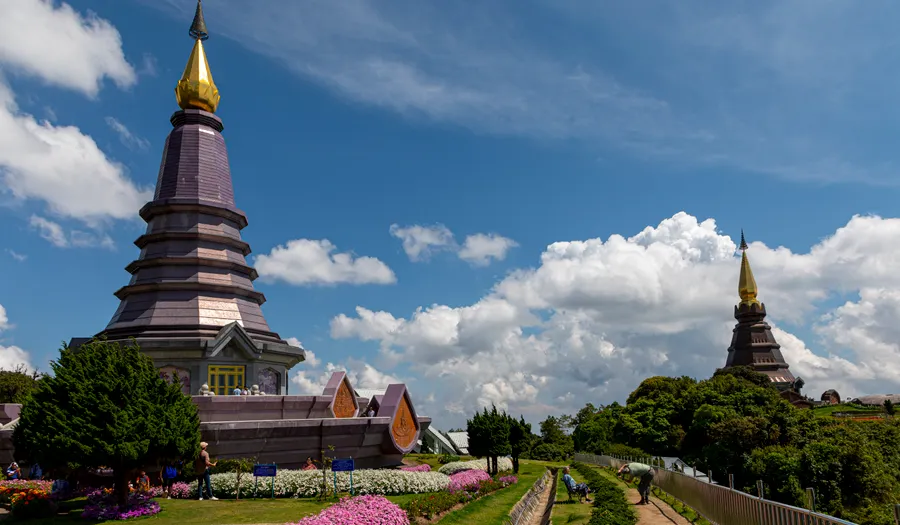
Thailand's highest peak, around two hours' drive away, rises to more than two thousand five hundred metres. The national park shelters waterfalls, trails and the famous royal twin pagodas. Nature is lush and the climate cool. It is the quintessential nature escape from Chiang Mai.
Bo Sang Village

This craft village is famous for its hand-painted umbrellas. You can watch the artisans make and decorate the mulberry-paper parasols. Shops and workshops let you take home lovely souvenirs. A colourful festival celebrates this craft every year.
How many days, and which itinerary?
Three to four days are enough for the city and its surroundings, longer for mountain treks.
🗺️ Day-by-day itinerary · 📓 Free printable Chiang Mai guide (PDF) · 🌍 All of Thailand
Essential Chiang Mai (3 days)
Explore the old town and its temples on the first day, and head up to Doi Suthep on the second. Devote the third to an ethical elephant sanctuary and the night market.
Chiang Mai and nature (4 days)
Add a day in Doi Inthanon National Park, among waterfalls and pagodas. Finish with a northern cooking class and a wander through the cafés of Nimman.
Northern Thailand (5 days)
Extend your trip to Chiang Rai and its White Temple, or go on a two-day trek through the mountain villages. This version immerses you in Lanna culture and the minority peoples.
Getting there and getting around
The old town is easy to explore on foot or by bike, as everything is close.
The red songthaews, shared pick-up trucks, serve the city for a few baht.
The Grab app is handy and transparent for slightly longer journeys.
Hire a scooter to reach Doi Suthep and the countryside, with care on the roads.
Where to stay in Chiang Mai?
Friendly hostels in the old town, dorm beds from €6 to €15 a night.
Charming guesthouses and hotels near the moats, from €25 to €50.
Lovely boutique hotels in Nimman with pools, from €60 to €110.
Luxury resorts in the surrounding hills, often over €180 a night.
Our places to stay, stop by stop, at three budgets →
What to eat in Chiang Mai?
Khao soi, a coconut milk curry with noodles, is the north's emblematic speciality.
Try sai ua, spicy sausages, and nam prik, chilli pastes for spreading.
Night markets offer an abundance of northern dishes at tiny prices.
Cooking classes, hugely popular, often include a market visit.
Entry requirements
30 days visa-free for tourism with a passport for EU, UK, US, Canadian and Australian citizens, down from 60 days since 15 September 2026; an extension can be requested at an immigration office. Everyone must also fill in the free Thailand Digital Arrival Card online in the three days before arrival.
Rules change: check your own government's travel advice before you go.
Frequently asked questions about Chiang Mai
When is the best time to visit Chiang Mai?
From November to February, the weather is cool and dry, ideal for the city and treks. Avoid the burning season from February to April, when the air is heavily polluted.
How many days should I spend in Chiang Mai?
Three days are enough for the city and Doi Suthep, four to five if you add Doi Inthanon, a trek or Chiang Rai.
What daily budget for Chiang Mai?
Allow around €20 a day as a backpacker, €45 to €80 for comfort and over €150 for a premium resort stay.
How do I get around Chiang Mai?
The old town can be done on foot or by bike, the red songthaews and Grab serve the city, and a scooter lets you explore the countryside.
Which area should I stay in in Chiang Mai?
The old town is ideal for the temples and atmosphere, while the Nimman district appeals to fans of cafés, design and nightlife.
Similar destinations
 Country
🇻🇳 Vietnam
 Country
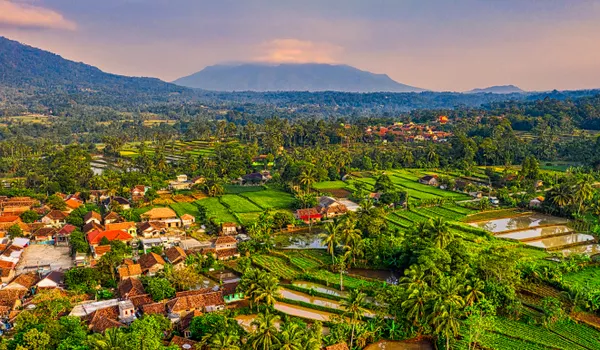
🇮🇩 Indonesia
 Country
🇱🇰 Sri Lanka
 Country
🇳🇵 Nepal
 Country
🇱🇦 Laos
 Country
🇬🇪 Georgia
 City
City🇬🇹 Lake Atitlán
 City
City🇮🇩 Java
 Region
🇨🇳 Yunnan
 City
City