When to go to Nepal?
→ The detailed month-by-month page, with real weather records
Best time: October to November and March to April
At a glance
Why go to Nepal?
Nepal is first and foremost about vertical excess: eight of the ten highest peaks on the planet, Everest at their head, raise their wall of ice across the north of the country. But reducing Nepal to its summits would be a mistake. Between the terraced rice fields of the hills and the sweltering jungle of the Terai, the landscapes drop from eternal snows to tropical plains within a few dozen kilometres. Few countries offer such a shortcut through the whole Earth.
A meeting ground of Hinduism and Buddhism, the Kathmandu Valley packs in an almost unreal density of temples, stupas and royal squares. Durbar Square, the Boudhanath stupa, Pashupatinath temple: every stone tells of centuries of devotion. Despite the 2015 earthquake, reconstruction has brought this UNESCO-listed heritage back to life. You wander to the sound of bells and prayer wheels.
Above all, Nepal is the undisputed kingdom of walking. From the Annapurna Circuit to Everest Base Camp, trekking trails wind from village to village and lodge to lodge, carried by the legendary welcome of the Sherpas and the Gurung. No need for a tent or a heavy expedition here: you walk light, sleep warm and share dal bhat. It is an adventure within reach of far more travellers than you might think.
Map of Nepal: what is where?
The map shows the 6 places covered in this guide, to picture the distances and plan your route.
- Kathmandu, Durbar Square
- Pokhara, Phewa Lake
- Everest Base Camp
- Annapurna massif
- Chitwan National Park
- Bhaktapur
How much does a trip to Nepal cost?
Nepal remains one of the most affordable adventure destinations in the world, where even a guided trek barely dents the wallet.
| Style | Per day | What it covers |
|---|---|---|
| Backpacker | €20-35/day | Simple guesthouses, local buses, dal bhat and independent trekking in lodges. |
| Comfort | €50-90/day | Pleasant hotels, domestic flights, guided trek with guide and porter. |
| Premium | €150+/day | Boutique hotels, upmarket lodges on the treks, private transfers and comfortable safaris. |
Withdraw Nepalese rupees in cash, essential on the trails where cards are not accepted.
Is Nepal safe?
Nepal is a welcoming and generally safe country, but altitude is the real danger: acute mountain sickness can strike above 3,000 metres and demands slow acclimatisation and insurance that covers helicopter evacuation. In town, beware of petty theft and chaotic traffic. Health-wise, bring treatment for traveller's diarrhoea, stay well hydrated and, depending on the season, take malaria protection for Chitwan. Always check the weather before domestic flights, which are often disrupted.
What to see and do in Nepal
- Everest Base Camp
- the Annapurna trek
- Kathmandu
- the temples of Bhaktapur
- the Pokhara valley
Kathmandu and Durbar Square

The historic and spiritual heart of the country, Kathmandu's royal square lines up palaces, carved wooden temples and Hindu shrines. All around, the Thamel district buzzes with trekking shops, cafés and travel agencies. This is where you take the pulse of urban Nepal, chaotic and endearing. It is the obligatory starting point for most trips.
Pokhara and Phewa Lake

Backed by the Annapurnas, which are reflected in Phewa Lake, Pokhara is the most relaxed city in the country. You can hire a rowing boat, climb to the World Peace Pagoda or soar over the valley on a paraglider. It is also the base camp for Annapurna treks. After several days of walking, its lakeside terraces feel like paradise.
Everest Base Camp 5 282 m

The ultimate legendary trek, a dozen or so days of walking from Lukla up to 5,364 metres at the foot of the roof of the world. You pass through Sherpa villages, go by Tengboche monastery and face the altitude pass after pass. No mountaineering is required, but good fitness and gradual acclimatisation are essential. Reaching base camp remains the achievement of a lifetime.
The Annapurna massif 7 850 m

This high-mountain sanctuary offers the most varied and accessible treks in the country, from Annapurna Base Camp to the full circuit of the massif. Trails climb through rice terraces, rhododendron forests and hilltop villages, with views of peaks over 8,000 metres. Comfortable lodges line the stages. It is the ideal introduction to Himalayan trekking.
Chitwan National Park
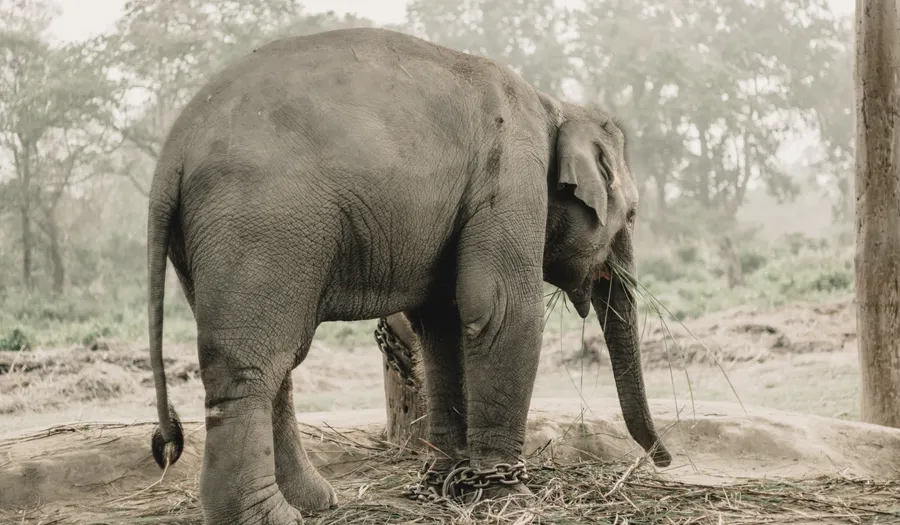
In the hot plains of the Terai, Chitwan protects spectacular wildlife: one-horned rhinos, wild elephants and, with luck, Bengal tigers. You explore it on a 4x4 safari, in a dugout canoe on the river or on foot with a guide. The surrounding Tharu villages add a cultural dimension. A striking contrast with the high mountains.
Bhaktapur, the medieval city
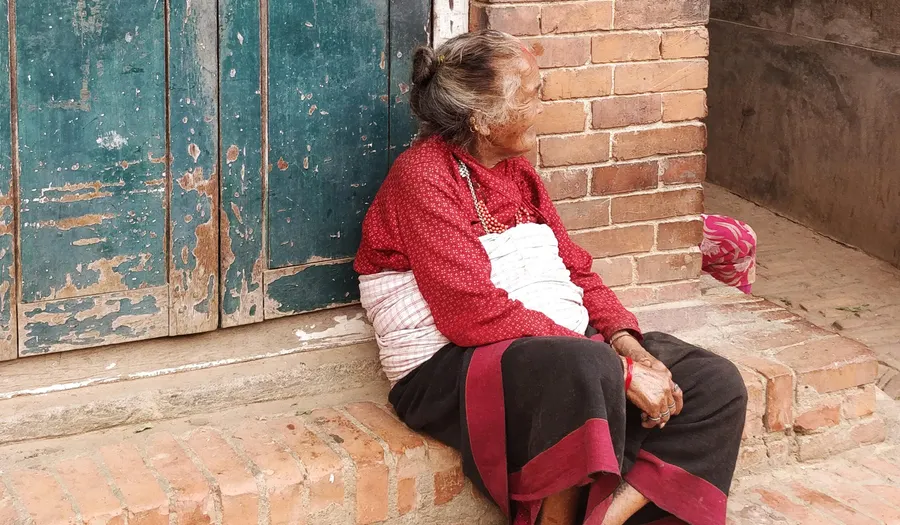
A few kilometres from Kathmandu, Bhaktapur has kept a rare medieval atmosphere, with its paved squares, potters' workshops and Palace of 55 Windows. Less choked by traffic than the capital, it is explored on foot, from courtyard to temple. The local yoghurt, juju dhau, is famous. It is the architectural jewel of the valley.
How many days, and which itinerary?
Allow at least two weeks to combine the Kathmandu Valley and a trek, three if you are aiming for Everest Base Camp with the necessary acclimatisation.
🗺️ Day-by-day itinerary · 📓 Free printable Nepal guide (PDF)
Kathmandu Valley and the Annapurnas (14 days)
Three days between Kathmandu, Bhaktapur and Patan, then the road to Pokhara to tackle a short trek in the Annapurnas such as Base Camp or Poon Hill. The best balance of culture, mountains and comfort.
The great Everest trek (18 days)
A flight to Lukla and twelve days of walking to base camp and the Kala Patthar viewpoint, with acclimatisation days in Namche and Dingboche. Best organised through local agencies and not to be underestimated physically.
Gentle culture and safari (10 days)
The Kathmandu Valley, Pokhara and a safari in Chitwan, with no high-altitude trek. An accessible introduction for those who prefer light walking and watching wildlife.
Getting there and getting around
Domestic flights are essential to save time, notably the spectacular Kathmandu-Lukla hop, which is prone to weather delays.
Local buses are very cheap but slow and bumpy on winding mountain roads.
Tourist buses and shared minivans between Kathmandu, Pokhara and Chitwan are more comfortable.
Taxis in town at a fixed price agreed in advance, and plenty of walking once you are on the trails.
Where to stay in Nepal?
Simple guesthouse in Kathmandu or Thamel: €8 to €20 a night, friendly and central.
Trekking lodge in the mountains: €5 to €15 a night, with meals usually taken on site.
Comfortable hotel in Pokhara with lake view: €30 to €70 a night.
Charming property or boutique hotel in the valley: €80 to €150 a night.
Our places to stay, stop by stop, at three budgets →
What to eat in Nepal?
Dal bhat, the national dish of lentils, rice, vegetables and sometimes meat, often served with unlimited refills.
Momos, steamed or fried dumplings filled with vegetables, buffalo or chicken, the country's favourite snack.
Thukpa, a comforting Tibetan noodle soup, perfect at altitude.
Sel roti, a sweet, crispy rice-flour doughnut eaten at festivals and for breakfast.
Entry requirements
A visa is required for EU, UK, US, Canadian and Australian passports. It is issued on arrival at Kathmandu airport and the main land borders, for 15, 30 or 90 days and paid in US dollars, or can be pre-registered online up to 15 days before arrival. The passport must be valid six months from entry.
Rules change: check your own government's travel advice before you go.
Cities and regions to discover
 Region
🇳🇵 Annapurna
 City
City🇳🇵 Kathmandu
Frequently asked questions about Nepal
When is the best time to go?
Autumn, from October to November, brings the clearest skies and the best trekking conditions. Spring, from March to May, is also appealing with the rhododendrons in bloom, while the monsoon from June to September makes the trails slippery.
What daily budget should I plan for?
Allow €20 to €35 a day as a backpacker and €50 to €90 for comfort with a guided trek. Domestic flights and trekking permits are what push the bill up.
How do you get around Nepal?
By tourist bus between the main stops, by domestic flight to save time and reach Lukla, and a great deal on foot on the trails. Mountain roads remain slow and gruelling.
Can you trek without being a top athlete?
Yes, many treks such as Poon Hill or Annapurna Base Camp are within reach of anyone in good physical shape, with no technical gear. Good preparation and gradual acclimatisation are enough, with accommodation in comfortable lodges.
Similar destinations
 City
City🇹🇭 Chiang Mai
 Country
🇻🇳 Vietnam
 Country
🇬🇪 Georgia
 City
City🇮🇩 Java
 Region
🇨🇳 Yunnan
 Country
🇵🇱 Poland
 Country
🇰🇭 Cambodia
 Country
🇮🇩 Indonesia
 Country
🇯🇵 Japan
 Country