When to go to Poland?
→ The detailed month-by-month page, with real weather records
Best time: May to September
At a glance
Why go to Poland?
Poland is a country that paid dearly for its history and has turned it into a strength. Its cities were razed and then rebuilt stone by stone, its memories are heavy but openly faced, and from this resilience comes a rare intensity. You don't visit Poland like a postcard; you travel through it like a novel.
Krakow alone embodies the charm of an unspoilt Central Europe, with its vast medieval square, its royal castle and its Jewish quarter of Kazimierz, vibrant once more. Spared by the bombing, it offers an authentic historic centre that is easily explored on foot. It is the ideal gateway to understanding the country.
But Poland is also about contrasts. The Tatra Mountains invite you to hike, the Baltic laps at beautiful Gdansk and its Hanseatic houses, and the countryside unfolds landscapes of forests and lakes. All at prices that remain among the gentlest in Europe, with a warm welcome to match.
Map of Poland: what is where?
The map shows the 6 places covered in this guide, to picture the distances and plan your route.
- Krakow
- Auschwitz-Birkenau
- Warsaw
- Wieliczka Salt Mine
- Gdansk
- Zakopane
How much does a trip to Poland cost?
Poland ranks among the cheapest destinations in the European Union, with a high standard of hospitality.
| Style | Per day | What it covers |
|---|---|---|
| Backpacker | €35-50/day | Dorm, street food, public transport and free sights |
| Comfort | €60-95/day | Double room, restaurants, entry to sites and museums |
| Premium | €140+/day | Boutique hotel, fine dining and guided excursions |
The currency is the Polish zloty; pay by card when you can and withdraw from bank cash machines for better rates.
Is Poland safe?
Poland is a very safe country where travellers get around calmly, day and night. Violent crime is rare and the main risks are limited to pickpockets in stations and busy tourist areas. Avoid heavy drinking in certain party districts at weekends and beware of unofficial taxis. On the whole, the welcome is warm and the sense of safety is high.
What to see and do in Poland
- Krakow and its Old Town
- rebuilt Warsaw
- the Auschwitz memorial
- the Wieliczka salt mines
- the Tatra Mountains
Krakow
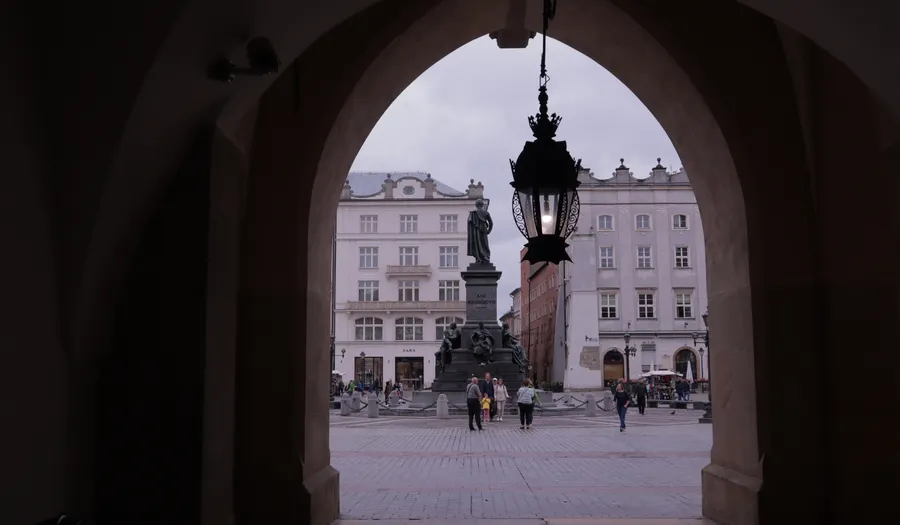
The former royal capital spreads one of the finest medieval ensembles in Europe around its Main Square. Wawel Castle, perched above the Vistula, holds the treasures of the Polish kings. The Kazimierz district, once the Jewish heart of the city, now buzzes with bars and restaurants. Allow at least two days to fully soak up the atmosphere of the city.
Auschwitz-Birkenau

An hour from Krakow, the former concentration and extermination camp is visited as an act of remembrance. The site, preserved as it was, traces the horror of the Holocaust with harrowing restraint. The guided tour, free outside high season but to be booked, lasts about three and a half hours. This heavy place demands respect and reflection, and it leaves a lasting mark on visitors.
Warsaw

The capital, more than eighty per cent destroyed during the war, has been rebuilt with astonishing faithfulness. Its colourful Old Town, a World Heritage Site, sits alongside modern, trendy districts. The Warsaw Rising Museum tells the story of the city's courage in 1944. Warsaw surprises with its energy and its booming cultural scene.
Wieliczka Salt Mine

These centuries-old, UNESCO-listed salt mines plunge visitors into an underground labyrinth of galleries and chapels carved out of salt. The Chapel of St Kinga, hewn entirely from rock salt, dazzles with its chandeliers of salt crystals. The guided tour descends more than a hundred metres below ground. Located near Krakow, it is easily combined in half a day.
Gdansk
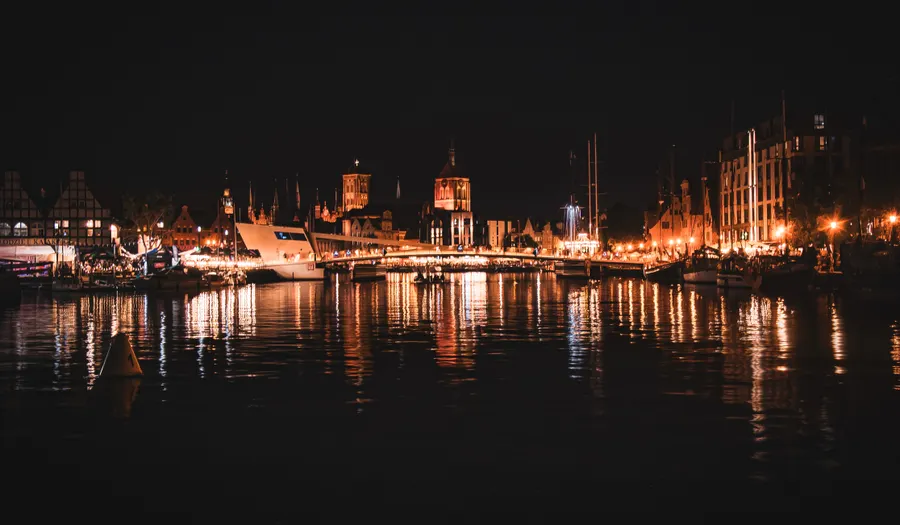
On the shores of the Baltic, this former Hanseatic city lines up superb colourful façades along its Royal Way. Its maritime and industrial past can be read in the shipyards, birthplace of the Solidarnosc trade union. The great medieval crane and the amber shops bear witness to its mercantile wealth. The neighbouring seaside resort of Sopot invites you to relax in summer.
Zakopane and the Tatras
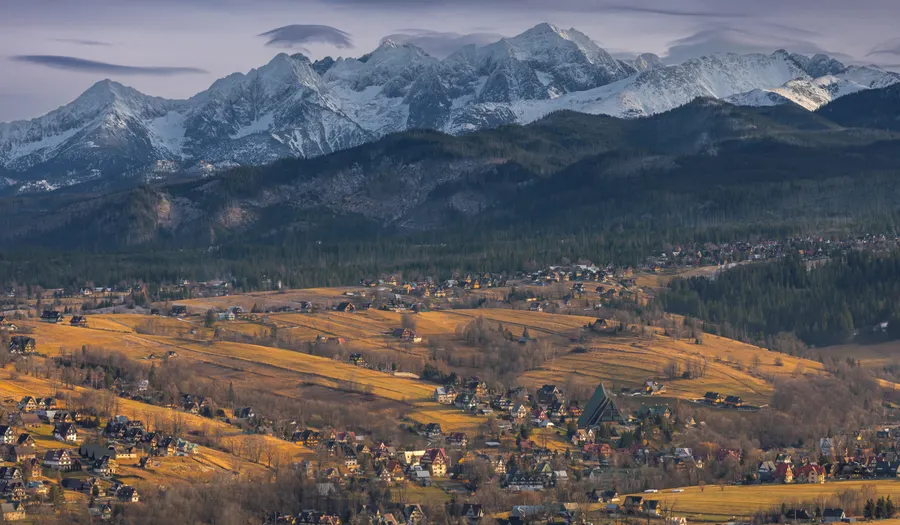
Nestled at the foot of the Tatras, this mountain resort is the country's winter capital and a hiking paradise in summer. Its traditional wooden chalets and Goral highland culture give it a unique character. The Gubalowka funicular offers a panoramic view of the peaks. The Alpine lakes and surrounding trails delight nature lovers.
How many days, and which itinerary?
A week to ten days lets you link Krakow, Warsaw and a getaway to the mountains or the Baltic.
🗺️ Day-by-day itinerary · 📓 Free printable Poland guide (PDF)
Krakow and its region (4 days)
Two days in the Old Town and the Kazimierz district, a day devoted to Auschwitz-Birkenau and a morning in the Wieliczka salt mines.
Essential Poland (8 days)
From Krakow and Auschwitz to Warsaw and its rebuilt Old Town, then up to Gdansk and the Baltic. A stop in Zakopane will satisfy mountain lovers.
The south and the mountains (5 days)
Krakow as a base, with the salt mines and Auschwitz, before heading to Zakopane for two days of hiking in the Tatras.
Getting there and getting around
PKP Intercity trains link Krakow, Warsaw and Gdansk quickly and at good prices
FlixBus and local companies serve Zakopane and the smaller towns
Urban transport, trams and buses, is efficient and very affordable in the big cities
A car is handy for exploring the Tatras and the countryside, less useful in the cities
Where to stay in Poland?
Hostels in Krakow and Warsaw for 10 to 20 euros a night
B&Bs and small hotels from 35 to 60 euros a double
Comfortable city-centre hotels from 65 to 110 euros a night
Upmarket and boutique hotels from 150 euros
Our places to stay, stop by stop, at three budgets →
What to eat in Poland?
Pierogi, Polish dumplings filled with meat, cheese or fruit
Bigos, a long-simmered stew of sauerkraut and meats, the national dish
Zurek, a sour soup made with fermented rye, served with sausage and egg
Local vodka, drunk ice-cold, and zapiekanka, a street-food open sandwich topped with melted cheese
Entry requirements
Schengen area: an ID card or passport for EU citizens, 90 days visa-free for UK, US, Canadian and Australian passports.
Rules change: check your own government's travel advice before you go.
Cities and regions to discover

Frequently asked questions about Poland
When is the best time to visit?
From May to September for pleasant weather, with mild summers that are ideal for hiking. Snowy winters make Krakow and Zakopane look sublime, but temperatures are harsh.
What daily budget should I plan for?
Allow 35 to 50 euros a day travelling on a budget, and 60 to 95 euros for a comfortable stay. The country remains very affordable for Europe.
How do I get around Poland?
Trains link the major cities efficiently and cheaply, backed up by long-distance buses. A car is only really useful for the Tatras and the countryside.
Do you pay in euros in Poland?
No, the official currency is the zloty. Euros are almost never accepted, so bring zlotys or pay by bank card, which is widely used.
Similar destinations
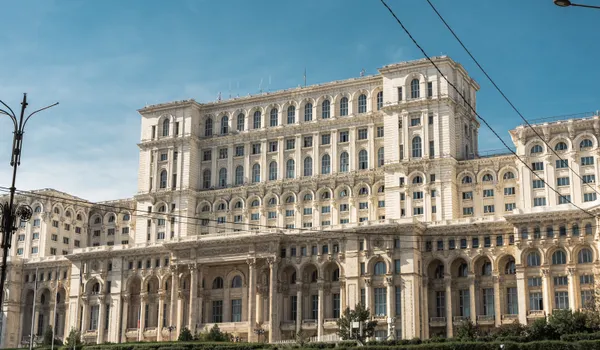 Country
🇷🇴 Romania
 Region
🇷🇴 Transylvania
 Country
🇬🇧 United Kingdom
 City
City🏴 Scotland
 Country
🇮🇪 Ireland
 City
City🇮🇪 Galway and Connemara
 Country
🇦🇹 Austria
 City
City🇹🇭 Chiang Mai
 Country
🇻🇳 Vietnam
 Country