
Best time to travel in Romania?
→ The detailed month-by-month page, with 2015-2024 averages
Best time: May to September
- ✓Transfăgărășan road open (summer only)
- ✓Hikes in the Carpathians and the Saxon villages of Transylvania
- ✓Danube Delta at its best for birdwatching
- ✗Marked heat on the plains, around 30°C in Bucharest in summer
- ✗Bran and Peleș castles very busy in July-August
- ✓Sibiu Christmas market, one of the most renowned in Eastern Europe
- ✓Skiing in Poiana Brașov and a snowy atmosphere in Transylvania
- ✗Transfăgărășan and high mountain roads closed
- ✗Harsh continental cold and short days
Visitor numbers month by month
Overnight stays recorded in Romania’s tourist accommodation in 2025. Busiest month: August. Quietest month: March, with 3 times fewer overnight stays.
The crowd dots in the calendar are calculated from these figures. Source: Structurile de primire turistică cu funcțiuni de cazare, lunar 2025, Institutul Național de Statistică (INS), CC BY 4.0.
Temperatures and rainfall modelled for Brasov · averages over recent years, Open-Meteo data (ERA5 reanalysis).
Continental, hot summers and cold, snowy winters. The best time to visit Romania is May, June, July, August and September, with temperatures reaching 28-31°C (summer). By contrast, January, February, March, April, October, November and December are generally less favourable (less pleasant weather or heavy crowds, depending on the destination), although a trip is still possible with some planning. In high season, book early: prices and visitor numbers rise quickly.
Go against the flow. To avoid the crowds without sacrificing too much on the weather, aim for April and October: the crowds thin out, prices drop too, and the climate stays pleasant.
Do these months appeal to you? See what's best elsewhere too: where to go in May · where to go in June · where to go in July · where to go in August · where to go in September.
At a glance
Why go to Romania?
Romania is one of Europe's last great adventures, a country where you still come across horse-drawn carts and shepherds driving their flocks through the Carpathians. Far from the well-trodden circuits, it offers a raw authenticity that has vanished elsewhere. You travel here with the feeling of going back in time, without ever giving up comfort.
Transylvania holds the whole of the country's imagination, between fortified Saxon towns, hilltop castles and deep forests that fed the Dracula legend. Brasov, Sighisoara and Sibiu unfold colourful medieval squares ringed by mountains. It is a region where history is read in the open air, in every tower and every bell tower.
But Romania does not stop at the Carpathians. Bucharest surprises with its mix of communist grandeur and creative ferment, the Danube Delta shelters exceptional wildlife, and mountain roads such as the Transfagarasan rank among the most beautiful on the continent. All at prices that remain unbeatable.
Tourist map of Romania: what's where?
The map below pinpoints the 6 places covered in this guide: a handy way to picture the distances between each stop and plan your route in Romania.
- Brasov
- Bran Castle
- Bucharest
- Sighisoara
- Danube Delta
- Transfagarasan
How much does a trip to Romania cost in 2026? Budget calculator
Estimate your budget for Romania based on your travel style: accommodation, meals, activities and local transport included (flights excluded). Adjust the length and the number of travellers, and the totals update.
Totals for all travellers over the chosen length; the daily amount is per person. Flights extra, indicative amounts to adjust depending on the season.
The currency is the Romanian leu; pay by card in the cities and keep cash for the countryside and the delta.
Safety in Romania: should you be worried?
Romania is a safe country, the opposite of the clichés that cling to it, and travellers are generally made welcome. The usual precautions are enough, keeping an eye on your belongings in stations and on Bucharest's public transport. Watch out for stray dogs in some rural areas and on mountain trails. Driving can be lively, so stay careful behind the wheel on country roads.
Things to see and do in Romania
Our first-hand favourites, and the great classics:
- Bran Castle (Dracula)
- Brasov's old town
- the painted monasteries of Bucovina
- the Transfagarasan road
- Bucharest and its Parliament
What to book before you go to Romania →
🧭 Discover the Romania itinerary, day by dayMap, timings, budget and where to stay: free to access, to fit your dates. Create my tailor-made itinerary →Brasov and Transylvania

Ringed by the Carpathians, this Saxon town charms with its medieval square and its Gothic Black Church. Cobbled lanes lead to watchtowers and to a cable car offering a plunging view over the rooftops. Brasov makes an ideal base for exploring the region. The fortified villages nearby, such as Viscri, are worth the detour for their preserved authenticity.
Bran Castle

Perched on a rocky spur, this Gothic castle is associated worldwide with the Dracula legend, even though Vlad the Impaler barely stayed there. Its turrets, secret passages and medieval collections delight visitors. The site draws crowds, so it is best to come early in the morning. Located near Brasov, it combines easily with a tour of Transylvania.
Bucharest

The capital surprises with its contrasts, between the immense Palace of the Parliament, the second-largest administrative building in the world, and its trendy cafés. The old town is packed with bars, restaurants and hidden Orthodox churches. Once nicknamed Little Paris, it retains fine Belle Époque buildings. Two days are enough to grasp the city's singular energy.
Sighisoara
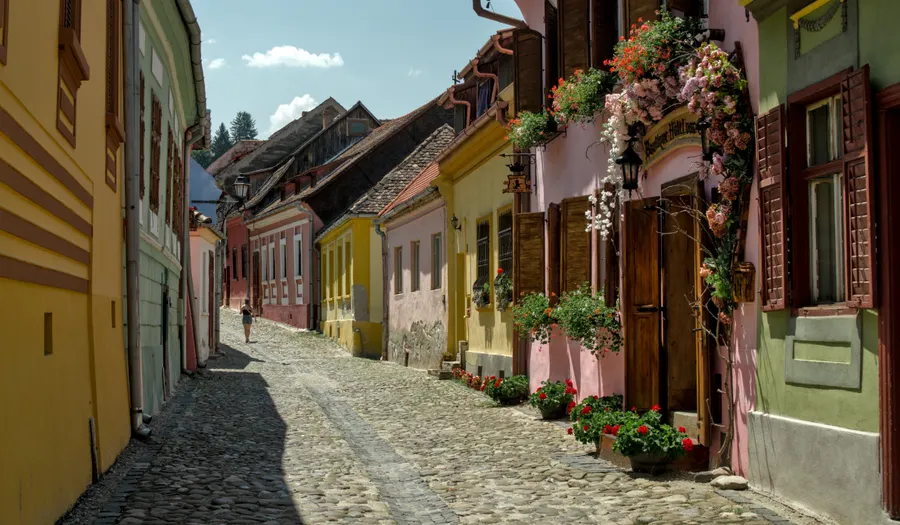
This perfectly preserved, Unesco-listed medieval citadel lines up colourful houses and cobbled lanes at the foot of its Clock Tower. It is said to be the birthplace of Vlad the Impaler, whose childhood home can be visited. Its timeless atmosphere makes it one of the jewels of Transylvania. A night there lets you enjoy the town once the day-trippers have gone.
Danube Delta

Where the Danube meets the Black Sea, this vast, Unesco-listed labyrinth of channels and reed beds shelters rare biodiversity. From a rowing boat you can watch pelicans, herons and hundreds of bird species. Isolated fishing villages keep a traditional way of life alive. The town of Tulcea is the gateway for organising boat trips.
Transfagarasan
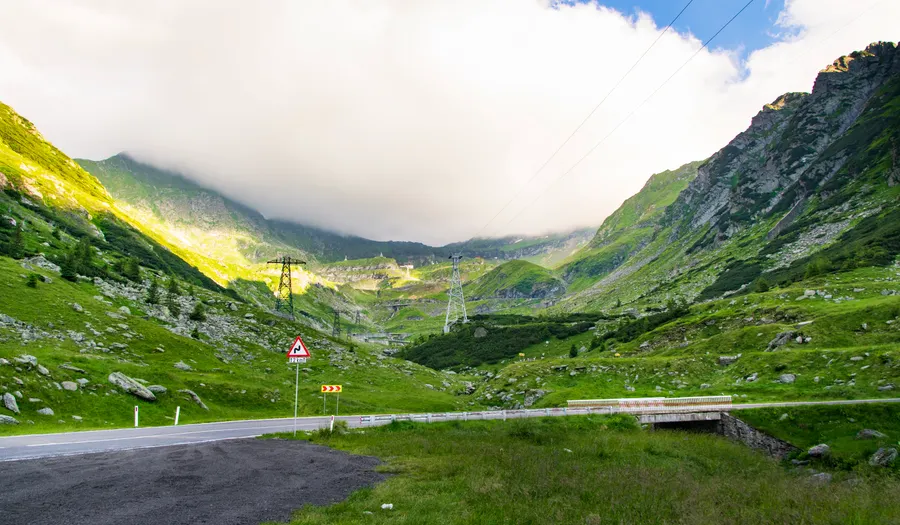
This spectacular mountain road winds through the Carpathians to more than two thousand metres above sea level. Dizzying hairpins, waterfalls and the glacial lake of Balea make it an unforgettable drive. It is only open in summer, usually from July to October depending on the snow. Whether you drive it or join an excursion, it offers some of the most beautiful scenery in the country.
How many days, and which itinerary in Romania?
Eight to ten days let you combine Transylvania, Bucharest and a trip to the Danube Delta or the Carpathian road.
🗺️ Day-by-day Romania itinerary · 📓 Printable Romania travel guide (PDF)
Medieval Transylvania (5 days)
Base yourself in Brasov to explore the town, Bran Castle and Sighisoara, with a day in fortified Saxon villages such as Viscri.
Grand Romanian tour (9 days)
From Bucharest to Transylvania via Brasov, Bran and Sighisoara, then the Transfagarasan road in summer. The Danube Delta crowns the trip with a dose of nature.
Nature and the Carpathians (6 days)
Hikes in the Carpathians from Brasov, a crossing of the Transfagarasan and a look at the monasteries and mountain villages nearby.
How to get to Romania and get around?
CFR trains link the big cities cheaply, but often slowly
Buses and minibuses, or maxitaxis, serve towns and villages with good coverage
A car is highly recommended for the Transfagarasan and isolated villages
In Bucharest, the metro and surface transport make getting around the city easy
Where to stay in Romania?
Hostels and dorms in Bucharest and Brasov for between €10 and €20 a night
Guesthouses and B&Bs in Transylvania from €30 to €55 for a double
Comfortable city-centre hotels from €55 to €95 a night
Manor houses and boutique hotels from €130
Our picks stop by stop, in three price ranges →
What to eat in Romania?
Sarmale, cabbage leaves stuffed with meat and rice, a dish for special occasions
Mamaliga, a creamy polenta served with cheese and sour cream
Mici, small spicy grilled sausages, a must on café terraces
Tuica, a plum brandy served as an aperitif all over the country
Which kind of traveller is it for?
Romania lends itself to a cultural, active and nature-focused trip. Whether you go as a couple, with friends or even with family, everyone can find their own pace there. As for accommodation, it is mostly classic hotels, boutique hotels and lodges.
Entry requirements & practical info
Schengen area: an ID card or passport for EU citizens, 90 days visa-free for UK, US, Canadian and Australian passports.
Rules change: before you leave, check your country's official travel advice.
Cities & regions to discover


Frequently asked questions about Romania
When is the best time to visit?
From May to September to make the most of the Carpathians and the delta, as the Transfagarasan is only open in summer. Spring and autumn offer superb scenery and fewer crowds.
What daily budget should I plan?
Allow €30 to €45 a day on a budget, and €55 to €90 for a comfortable stay. It is one of the most affordable countries on the continent.
How do I get around Romania?
Trains and buses link the cities cheaply, but slowly. A car is strongly advised for exploring Transylvania, the Transfagarasan and isolated villages.
Do they use the euro in Romania?
No, the official currency is the Romanian leu. The euro is rarely accepted, so bring lei and favour your bank card in the cities.
Similar destinations
 Countries
🇵🇱 Poland
 Countries
🇬🇧 United Kingdom
 City
🏴 Scotland
 Countries
🇮🇪 Ireland
 City
🇮🇪 Galway and Connemara
 Countries
🇦🇹 Austria
 City
🇹🇭 Chiang Mai
 Countries
🇻🇳 Vietnam
 Countries
🇳🇵 Nepal
 Countries