When to go to India?
→ The detailed month-by-month page, with real weather records
Best time: October to March
At a glance
Why go to India?
India cannot be described, it has to be felt through every pore. It is a clash of jasmine and roasted spices, an uproar of horns, a whirl of flame-coloured saris amid the dust. You arrive with ideas and leave washed out and in love. No country shakes you up as much, and none rewards so richly those who let go.
It is also a land of open-air spirituality, where the sacred is never far away. On the ghats of Varanasi, life and death sit side by side on the banks of the Ganges with an intensity that defies understanding. Temples swarm with worshippers, incense mingles with the sound of bells, and you quickly realise the journey will be as much inward as outward. India always asks questions.
And then India is a stack of worlds: the pink sandstone palaces of Rajasthan, the emerald-green backwaters of Kerala, the quiet beaches of Goa, the Himalayas in the distance. A night train ticket changes your climate, language and cuisine. You do not visit India, you catch a piece of it, already knowing you will come back for another.
Map of India: what is where?
The map shows the 6 places covered in this guide, to picture the distances and plan your route.
- Taj Mahal, Agra
- Rajasthan, Jaipur
- Varanasi, Ganges ghats
- Kerala backwaters, Alleppey
- Delhi, Red Fort
- Goa, beaches
How much does a trip to India cost?
India is one of the cheapest destinations in the world: you can live very well here for little, while treating yourself to luxury at gentle prices.
| Style | Per day | What it covers |
|---|---|---|
| Backpacker | €15-30/day | guesthouses, thalis, economy-class trains |
| Comfort | €50-90/day | air-conditioned hotels, restaurants, occasional car with driver |
| Premium | €150+/day | havelis and palace hotels, domestic flights, private guides |
The Indian rupee is the only currency accepted; withdraw from cash machines, keep cash for small purchases and carry notes in medium denominations.
Is India safe?
India calls for vigilance without being dangerous: the main nuisances are scams, fake guides and digestive problems, the infamous Delhi belly. Drink only sealed bottled water, avoid ice and food that has been left standing, and wash your hands often. Women travelling alone should take extra care, dress modestly and avoid going out alone at night. Health-wise, see a doctor about hepatitis A, typhoid and possible antimalarials depending on the regions and the season.
What to see and do in India
- the Taj Mahal
- the palaces of Rajasthan
- Varanasi and the Ganges
- Kerala
- Delhi
The Taj Mahal in Agra

No photo truly prepares you for the Taj Mahal, a white marble that seems to float in the dawn mist. Arrive at opening time, ahead of the crowds and the heat, to watch the stone turn from pink to dazzling white. This mausoleum, built by an emperor for his late wife, remains one of history's most beautiful gestures of love. Buy your ticket online and leave bags and tripods at the hotel, as checks are strict.
Rajasthan and its colour-coded cities

Rajasthan lines up storybook cities: pink Jaipur, blue Jodhpur, Udaipur and its palaces on the water, golden Jaisalmer on the edge of the desert. You sleep in former maharajas' mansions, haggle in the bazaars and set off by camel into the dunes of the Thar. This is the India of hilltop forts and flamboyant turbans. Allow a good week to tour it without rushing.
Varanasi and the ghats of the Ganges
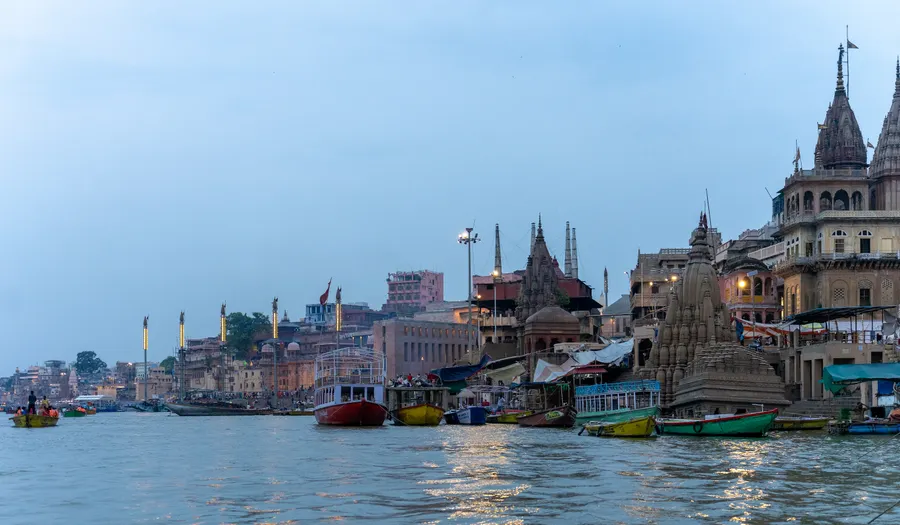
Varanasi, one of the oldest inhabited cities in the world, is best experienced early in the morning on the Ganges. Hire a boat at dawn to watch pilgrims bathing and funeral pyres smoking on the ghats. In the evening, the fire ceremony (aarti) sets the riverbank ablaze amid a thunder of drums. It is intense, sometimes unsettling, always unforgettable: spiritual India in its rawest form.
The backwaters of Kerala
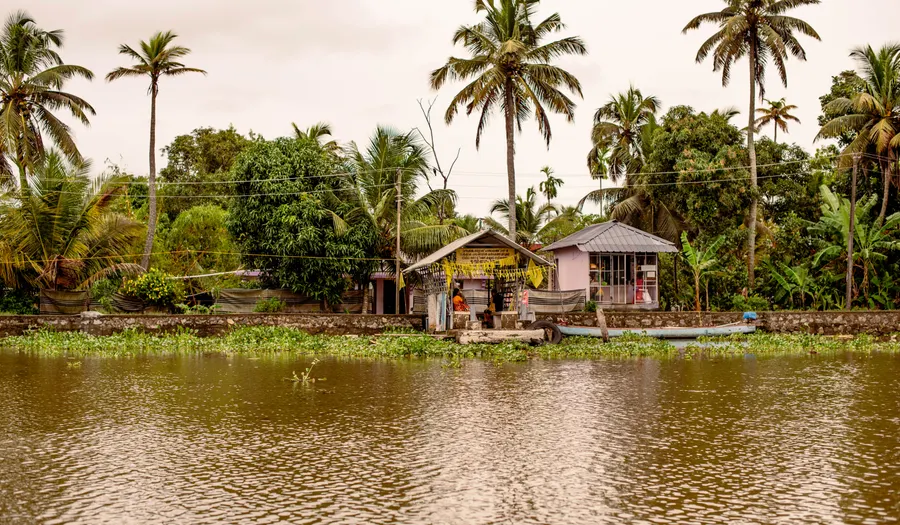
A complete change of mood in Kerala, in the far south: palm-fringed canals, rice fields and lagoons that you explore aboard a traditional houseboat (kettuvallam). You spend a night on board, gently rocked, watching village life drift by along the water. Add the tea plantations of Munnar and the beaches of Alleppey for a stay of pure gentleness. Kerala is India slowing down.
Delhi, the two-faced capital

Delhi condenses India into one city: the teeming chaos of Old Delhi around Chandni Chowk facing the colonial avenues of New Delhi. Explore the Red Fort and the great Jama Masjid mosque, then Humayun's Tomb, a foretaste of the Taj. Take a cycle rickshaw through the spice lanes of the old city. It is often the point of entry, best tamed gently.
Goa, beaches and Portuguese heritage

A former Portuguese colony, Goa blends baroque churches, colourful houses and long palm-lined beaches. The north is more party-minded, the south quieter and family-friendly. You taste a fusion cuisine built on fish curry and vindaloo. It is the ideal beach break after the intensity of the northern cities.
How many days, and which itinerary?
Two to three weeks let you cover a good route (the Golden Triangle plus one region), but India is a continent: better to choose a little and do it well.
🗺️ Day-by-day itinerary · 📓 Free printable India guide (PDF)
The Golden Triangle (10 days)
Delhi, Agra and the Taj Mahal, then Jaipur in Rajasthan, linked by road and rail. The classic first-timer's itinerary, packed with monuments and colour.
Rajasthan in depth (15 days)
Delhi, then Jaipur, Jodhpur, Udaipur and the desert at Jaisalmer, moving from palace to fort to bazaar. A plunge into the India of the maharajas, with nights in havelis.
The gentle south (14 days)
Kochi, the backwaters of Kerala, the tea plantations of Munnar and then the beaches of Goa. A greener, slower and easier India, ideal for a relaxed first trip.
Getting there and getting around
The train is an institution: a huge, cheap network, best booked in advance via the IRCTC app or an agent. Aim for the AC classes (2AC, 3AC) for comfort and cleanliness.
For long distances, domestic flights (IndiGo, Air India, Vistara) are fast and often cheap outside high season.
In town, the Uber and Ola apps, along with auto-rickshaws (haggle or insist on the meter), are the simplest solution.
Hiring a car with a driver for a few days (common in Rajasthan) costs surprisingly little and spares you the strain of driving in the traffic.
Where to stay in India?
Guesthouses and hostels: €6 to €15 a night, very common, perfect for small budgets and meeting other travellers.
Mid-range hotels and small guesthouses: €20 to €45 for a double, often with air conditioning and breakfast.
Havelis and charming hotels in Rajasthan, restored former mansions: €60 to €120 a night, a real favourite.
Palace hotels and luxury addresses (Taj, Oberoi): from €200 and well beyond, for a night fit for a maharaja.
Our places to stay, stop by stop, at three budgets →
What to eat in India?
Thalis, platters of several small vegetarian dishes with refills, different in every region, the best way to taste everything.
In the north, chicken tikka masala, dal makhani and naan or paratha breads fresh from the tandoor oven.
In the south, crispy dosa (rice crêpe) for breakfast, coconut milk curries and rice in abundance.
Street food, to be approached with care but irresistible: samosas, pani puri, chai (spiced milky tea) on every street corner, and ice-cold lassi.
Entry requirements
An e-visa is required and must be applied for online before departure, with a passport valid six months, for EU, UK, US, Canadian and Australian citizens.
Rules change: check your own government's travel advice before you go.
Cities and regions to discover
 City
City🇮🇳 Goa
 Region
🇮🇳 Rajasthan
Frequently asked questions about India
When is the best time to go?
The dry, cool season from November to March is ideal across most of the country, especially the north and Rajasthan. Avoid the monsoon (June to September) and the crushing heat of April-May, except for the Himalayas.
What daily budget should you plan for?
India is very affordable: around €15 to €30 a day as a backpacker, €50 to €90 in comfort. Even luxury, in palace hotels, remains accessible compared with Europe.
How do you avoid Delhi belly?
Drink only sealed bottled or filtered water, refuse ice, eat food that is hot and freshly cooked, and peel your fruit. A course of probiotics and an anti-diarrhoea kit in your luggage are sensible precautions.
Is India safe to travel in?
Yes, for the most part, as violence against tourists is rare, but beware of scams and fake tourist offices. Women travelling alone should stay careful, dress modestly and favour well-rated transport and accommodation.
Similar destinations
 Country
🇻🇳 Vietnam
 Country
🇨🇳 China
 Country
🇬🇪 Georgia
 City
City🇮🇩 Java
 Region
🇨🇳 Yunnan
 Country
🇲🇦 Morocco
 Country
🇹🇭 Thailand
 City
City🇹🇭 Chiang Mai
 Country
🇯🇵 Japan
 Country