When to go to Morocco?
→ The detailed month-by-month page, with real weather records
Best time: March to May and September to November
At a glance
Why go to Morocco?
Morocco is an assault on the senses from the moment you step off the plane. The hubbub of Jemaa el-Fna square at nightfall, the smell of cumin and mint, carpets piled high in the souks, the call to prayer rolling over the rooftops. A complete change of scene, and yet only a short flight from Europe.
The country tells its story in contrasts. The labyrinthine medinas of Marrakech and Fez, then the passes of the Atlas where snow sits alongside mud-brick villages, and finally the silence of the dunes at sunset. You go from the Red City to the desert and from the ocean to the mountains in a few hours' drive.
And everywhere, a disarming hospitality: mint tea poured from on high, a tagine simmering for hours, the invitation to sit down even when you are only passing through. Morocco is to be lived slowly, over a scalding, sweet glass, amid the generosity of those who welcome you.
Map of Morocco: what is where?
The map shows the 6 places covered in this guide, to picture the distances and plan your route.
- Marrakech
- Fez
- Merzouga
- Imlil (Atlas)
- Essaouira
- Aït Benhaddou
How much does a trip to Morocco cost?
Morocco is one of the most affordable destinations within easy reach of Europe, where you can live very well on a moderate budget. Riad accommodation, meals and transport stay cheap; guided excursions and nights in luxury desert camps push the bill up if you want them.
| Style | Per day | What it covers |
|---|---|---|
| Backpacker | €25-40/day | Hostels and small guesthouses, grand taxis and buses, food stalls and street food. |
| Comfort | €50-80/day | Charming riads, a car or organised excursions, restaurant dinners and a night in a desert camp. |
| Indulgence | €130/day and up | Upmarket riads, private driver, luxury desert camps and refined restaurants. |
The currency is the dirham, which can only be exchanged once you arrive. Cash is king in the souks, taxis and small establishments; withdraw from cash machines in the cities and always keep small change.
Is Morocco safe?
Morocco is a safe destination, well used to tourism, where you can travel without major worries. Stay alert above all to the low-key scams of the medinas: fake guides, inflated prices and pushy vendors, which you defuse with a smile and a firm no. Women travelling alone should be a little more careful and dress modestly. Always agree the price of a taxi before getting in, and keep some change for tips.
What to see and do in Morocco
- the medinas of Marrakech and Fez
- the Atlas Mountains
- a night in the desert
- the Essaouira coast
- tagine and mint tea
Marrakech
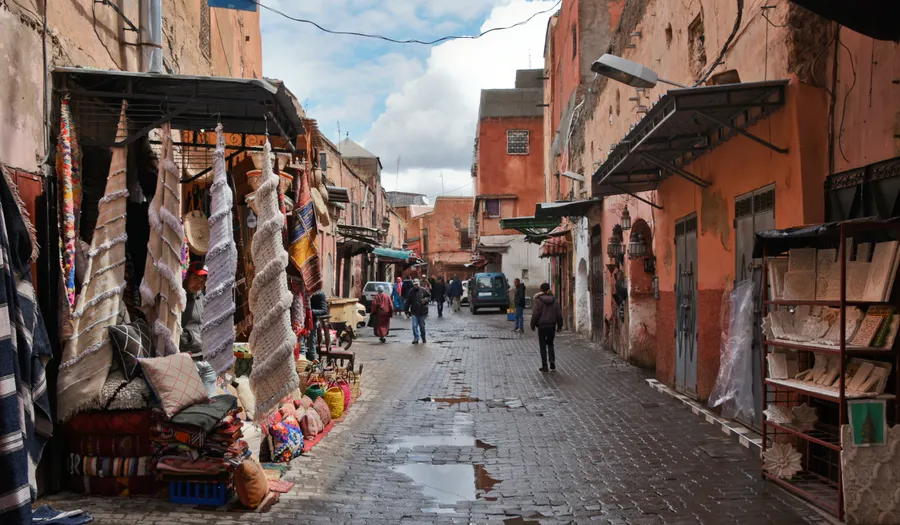
The Red City concentrates everything that makes Morocco so fascinating. Every evening, Jemaa el-Fna square comes alive with storytellers, juice sellers and smoking food stalls. All around, the souks unroll their alleys of craftspeople, while the Majorelle and Menara gardens offer breathing space. Push open the door of a riad to grasp the luxury hidden behind the blank walls of the medina.
Fez

The oldest of the imperial cities is home to one of the largest and most intact medinas in the Arab world, a maze of thousands of lanes where getting lost is a pleasure. The Chouara tanneries, with their coloured vats, are an unforgettable sight, best enjoyed with a sprig of mint under your nose. Al-Qarawiyyin University is among the oldest in the world. Hire a guide so you miss nothing and don't go round in circles.
The Merzouga desert
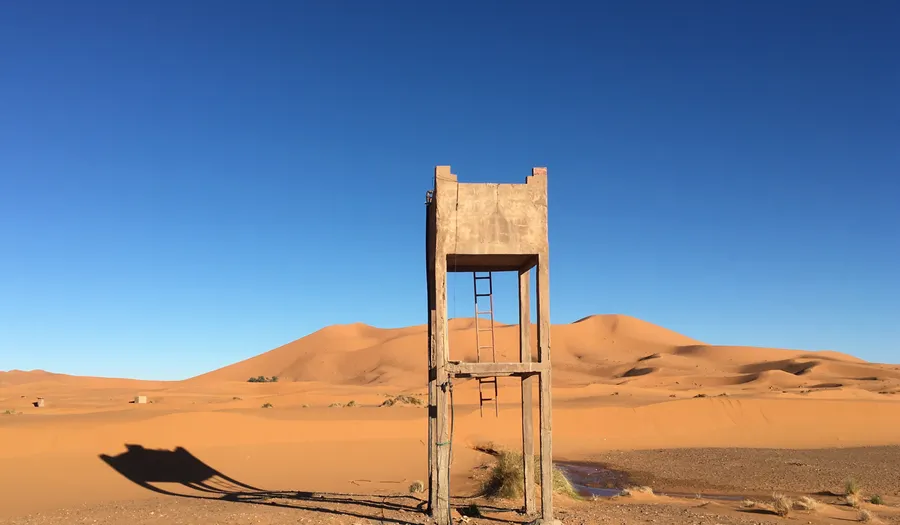
The dunes of Erg Chebbi are the picture-postcard Sahara: waves of orange sand that blaze at sunrise and sunset. You reach them by dromedary or 4x4, for a night under canvas in a desert camp. The silence, the vastness and the starry sky are of rare intensity. The road from Marrakech, through gorges and kasbahs, is worth the trip on its own.
The Atlas Mountains
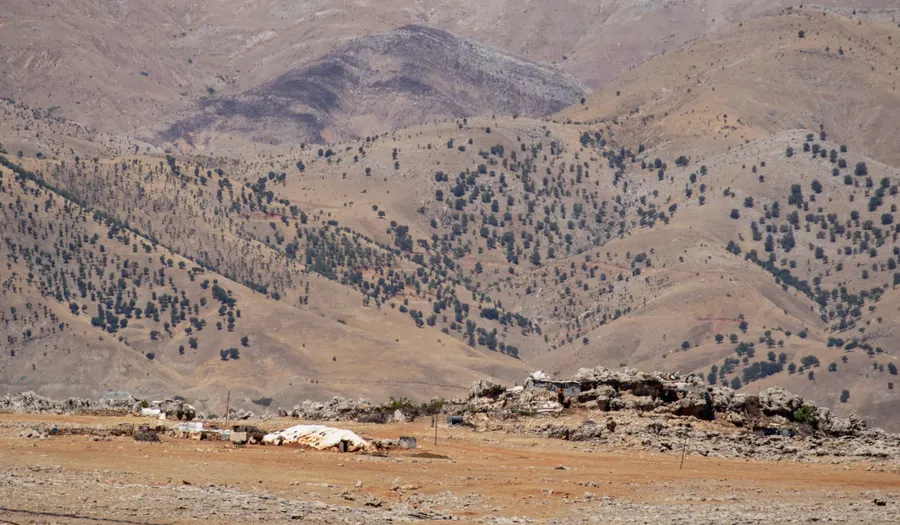
An hour from Marrakech, the High Atlas raises its peaks above the Berber valleys. The Ourika Valley and the village of Imlil are the gateways to hikes up to the roof of North Africa, Toubkal. You walk from village to village, welcomed into local homes, between cultivated terraces and cool rivers. A striking contrast with the heat of the plains.
Essaouira
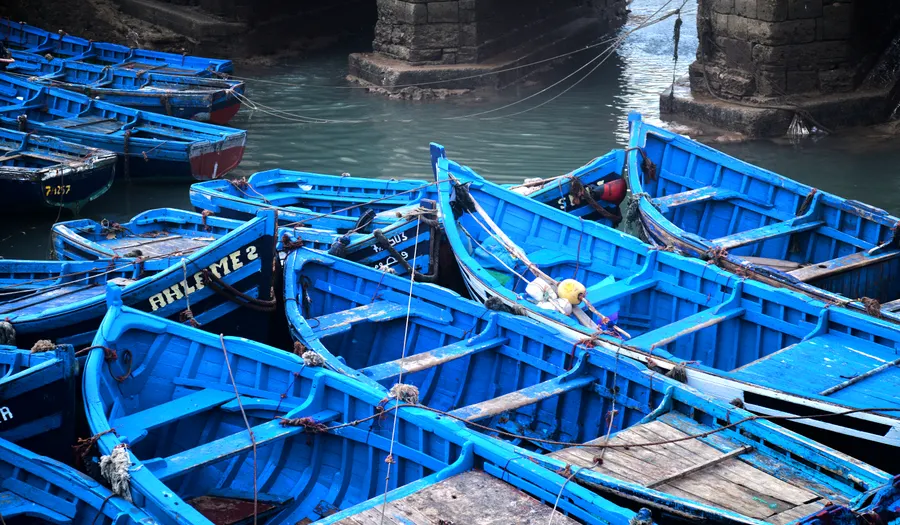
On the Atlantic, Essaouira breathes a breeze of sea air and freedom. Its fortified medina, white and blue, can be explored stress-free, away from the bustle of the big cities. The fishing port overflows with blue boats and seagulls, and you eat grilled fish on the quayside. The trade winds make it a renowned surfing and kitesurfing spot, and the terraces invite idleness.
The Draa Valley and the kasbahs
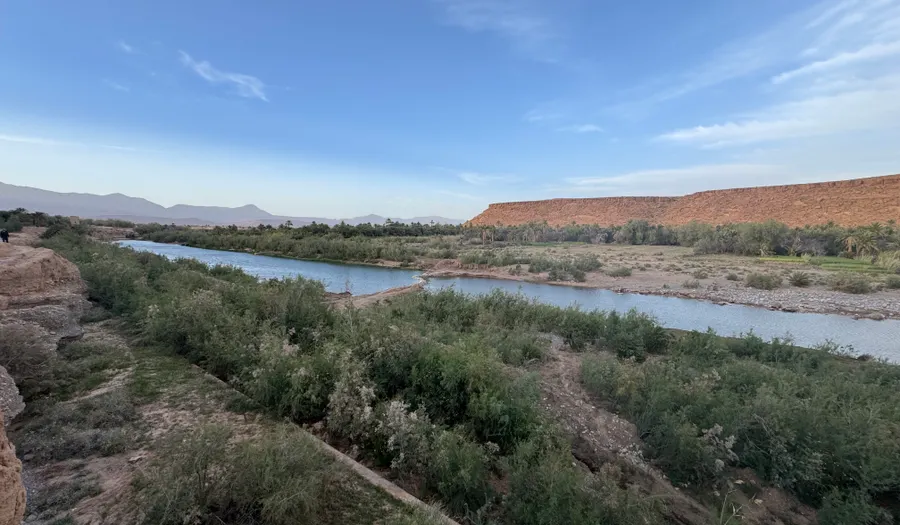
On the road to the desert, the Draa palm grove snakes between ochre cliffs and mud-brick villages. Aït Benhaddou, a listed ksar and the backdrop to many films, raises its rammed-earth towers above the river. The Todgha and Dadès gorges cut spectacular canyons into the mountains. This is Morocco of the great landscapes, to be crossed at your own pace.
How many days, and which itinerary?
A week lets you combine Marrakech, the Atlas and a night in the desert; allow ten to fifteen days to add Fez, Essaouira and the Road of the Kasbahs.
🗺️ Day-by-day itinerary · 📓 Free printable Morocco guide (PDF)
Southern loop in 8 days
Two days in Marrakech for the medina and Jemaa el-Fna, then head south over the Tizi n'Tichka pass and Aït Benhaddou. Cross the Draa Valley and the gorges before a night under canvas at Merzouga. Head back via the kasbahs and a stop in the Atlas before looping back to Marrakech.
Imperial cities and ocean, 10 days
From Marrakech, travel to Fez for two days in the great medina and its tanneries. Come back down via Meknes and Rabat, then make for the Atlantic and Essaouira to catch your breath. Return to Marrakech for the souks and a last evening on the square.
Atlas and desert in 6 days
From Marrakech, head to Imlil for one or two days of Berber hiking in the High Atlas. Take the Road of the Kasbahs to Ouarzazate, then the Dadès and Todgha gorges. Finish with a night in the dunes of Merzouga before heading back north.
Getting there and getting around
The grand taxi, a shared ride often in an old saloon car, links towns and villages cheaply; negotiate the fare, or pay for the empty seats to have it to yourself.
Hiring a car gives real freedom on the Road of the Kasbahs and in the Atlas, on roads in good condition but with local driving habits that take some getting used to.
Comfortable CTM and Supratours buses serve the whole country reliably; book at the station or online for long journeys.
The train efficiently links Marrakech, Casablanca, Rabat and Fez, modern and punctual on the northern line.
Where to stay in Morocco?
Riads, traditional houses built around a patio, are the unmissable experience in the medinas, from 40 to 70 euros a night with breakfast.
Berber guesthouses in the Atlas offer a homestay welcome, simple and warm, at gentle prices.
Desert camps range from basic tents to luxury encampments, to choose according to the comfort you want.
Hostels and budget hotels in the cities for small budgets, but the riad remains the best value for charm.
Our places to stay, stop by stop, at three budgets →
What to eat in Morocco?
Tagine, slow-cooked in its conical dish: chicken with preserved lemon and olives, or lamb with prunes and almonds.
Friday couscous, served on the day of the main weekly prayer, piled into a dome with its vegetables and broth.
Pastilla, a sweet-and-savoury pastry filled with pigeon or chicken and dusted with cinnamon, a dish for special occasions.
Mint tea poured from on high, and the honey and almond pastries that go with it at any hour.
Entry requirements
90 days visa-free with a passport for EU, UK, US, Canadian and Australian citizens.
Rules change: check your own government's travel advice before you go.
Cities and regions to discover
 City
City🇲🇦 Marrakech
 City
City🇲🇦 Essaouira
 City
City🇲🇦 Fez
 City
City🇲🇦 Merzouga and Erg Chebbi
Frequently asked questions about Morocco
What is the best season for Morocco?
March-May and September-November offer ideal temperatures, neither the furnace of summer nor the chill of winter. The desert is best experienced outside the hottest months, and the Atlas can be snow-covered in winter.
Is it risky to travel in Morocco?
No, the country is safe and used to travellers. The most common annoyances are fake guides and inflated prices in the medinas, easy to handle with firmness and good humour.
How do you get between cities?
The train efficiently serves the Marrakech-Casablanca-Fez axis, CTM and Supratours buses cover the rest of the country, and grand taxis fill in the local links. A hire car is ideal for the Road of the Kasbahs.
Should you spend a night in the desert?
Yes, it is one of the highlights of the trip: sunset over the dunes, a night beneath the stars and the silence of the Sahara. Factor in the drive from Marrakech, often over two days via the kasbahs.
Similar destinations
 Country
🇹🇳 Tunisia
 Country
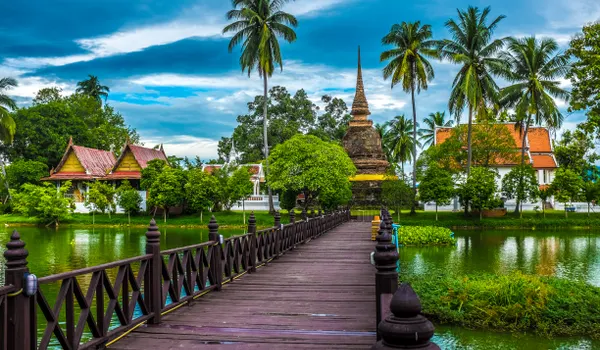
🇹🇭 Thailand
 Region
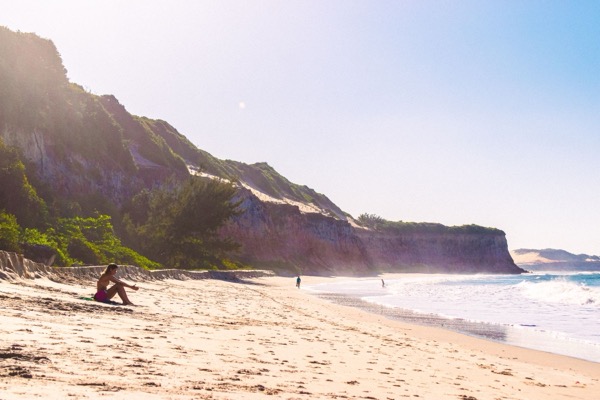
🇧🇷 Northeast Brazil
 Country
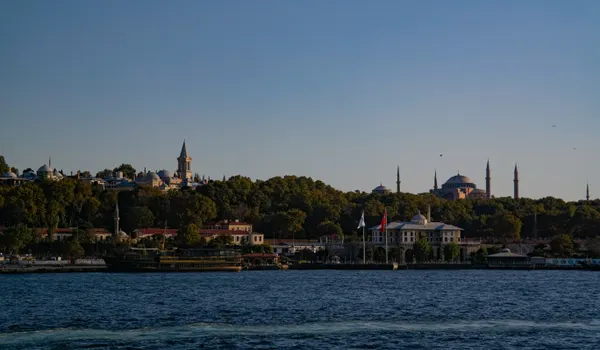
🇹🇷 Turkey
 Country
🇪🇬 Egypt
 City
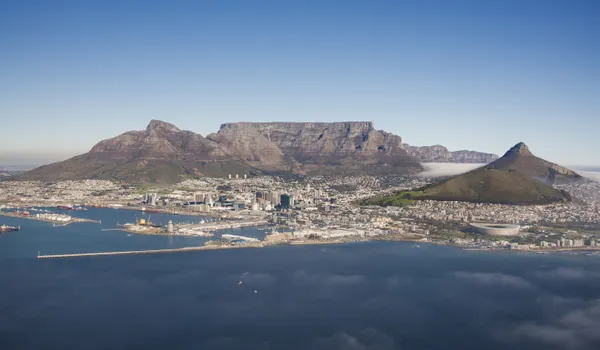
City🇿🇦 Cape Town
 Country
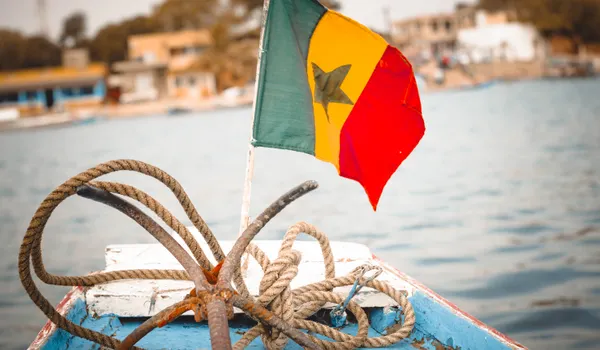
🇸🇳 Senegal
 Country
🇻🇳 Vietnam
 Country
🇮🇳 India
 Country