When to go to Egypt?
→ The detailed month-by-month page, with real weather records
Best time: October to March
At a glance
Why go to Egypt?
Few destinations offer such historical vertigo. The pyramids of Giza, standing for more than four thousand years on the edge of the desert, leave you speechless, and that is only the beginning. Every temple, every painted tomb extends a civilisation whose greatness we have never finished measuring.
A Nile cruise remains the finest way to link these treasures. You glide from one temple to the next on the water, past palm groves and feluccas, watching rural life roll by on the banks. The river imposes its slow pace, and that is the whole charm of the journey.
And then there is the Red Sea, the country's unexpected other side. Beneath the surface, coral reefs rank among the most beautiful in the world, within reach of a mask or a tank. After the temples and the desert, diving offers a restful blue interlude.
Map of Egypt: what is where?
The map shows the 6 places covered in this guide, to picture the distances and plan your route.
- Pyramids of Giza
- Cairo
- Luxor
- Aswan
- Abu Simbel
- Hurghada
How much does a trip to Egypt cost?
Egypt remains an affordable destination, especially outside cruises and upmarket resorts. Allow between €45 and €80 per person per day, with the cruise and domestic flights weighing most on the bill.
| Style | Per day | What it covers |
|---|---|---|
| Backpacker | €30-45/day | Simple hotels, local transport and trains, street food and self-guided sites. |
| Comfort | €70-110/day | Good hotels, mid-range cruise, private guide for the temples and domestic flights. |
| Premium | €200/day and up | Luxury cruise, palace hotels on the Nile, private Egyptologist and a balloon flight in Luxor. |
Cash remains essential for the ever-present tips and small purchases in the souks. Change money locally and keep small notes; cards are accepted in hotels and large shops, but rarely elsewhere.
Is Egypt safe?
Egypt can be visited without major concerns on the classic, closely supervised tourist circuits, but keep a few customs in mind. The country runs on baksheesh and bargaining: touts, fake guides and tips demanded at every turn are part of the scenery, with no real aggression if you stay firm and smiling. Always agree prices in advance, drink bottled water and follow official travel advice for the border regions and the Sinai.
What to see and do in Egypt
- the pyramids of Giza
- a Nile cruise
- the temples of Luxor and Karnak
- diving in the Red Sea
- the Grand Egyptian Museum
The pyramids of Giza

The country's ultimate symbol, right on the edge of Cairo. You approach the three pyramids and the Sphinx on foot or by dromedary, take in the colossal scale of the blocks, then step back to see the whole ensemble from the plateau. The site is very busy and touts are numerous, but nothing dents the power of the place. A shock at first sight.
Cairo and the Grand Egyptian Museum

A frenetic, noisy and fascinating megacity spread across both banks of the Nile. The new Grand Egyptian Museum brings together spectacular collections, including the treasure of Tutankhamun, in a modern setting facing the pyramids. Islamic Old Cairo lines up mosques, souks and alleys steeped in history. This is where you take the country's pulse before heading south.
Luxor

The greatest concentration of ancient Egyptian monuments, on both banks of the Nile. On the east bank, the giant columns of Karnak and Luxor Temple lit up at night; on the west bank, the Valley of the Kings and its painted tombs with colours still intact. Hire a bike or a horse-drawn carriage to get between sites, and get up early for a hot-air balloon flight over the temples. One day is not enough.
Aswan and Abu Simbel

The Nubian south, gentler and brighter. Aswan lines up its feluccas on a wider Nile, between Elephantine Island and the botanical gardens. Further south still, the colossi of Abu Simbel, carved into the cliff by Ramesses II, are reached on an early-morning excursion. The atmosphere is more relaxed than in the north, and the sunsets over the river are worth the trip.
The Nile cruise

The thread running through any trip to Egypt, between Luxor and Aswan. You sail for a few days to the rhythm of locks and temples, Edfu and Kom Ombo, each within reach of the quay. Meals are taken on deck facing the green banks, and feluccas cross the boat's path on the water. A restful and logical way to string together the major sites.
The Red Sea

The country's seaside counterpoint, around Hurghada, Marsa Alam or the Sinai Peninsula. The coral reefs teem with life, accessible from the very first metres, and the resorts offer diving and snorkelling all year round. You extend the trip with a few days of relaxation after the temples. Warm water, superb visibility and fish in entire shoals.
How many days, and which itinerary?
Around ten days lets you combine Cairo, a cruise between Luxor and Aswan and a few days on the Red Sea without rushing.
🗺️ Day-by-day itinerary · 📓 Free printable Egypt guide (PDF)
Classic Nile, 8 days
Two days in Cairo for the pyramids and the Grand Museum, a flight to Luxor, then a three-night cruise to Aswan with the temples of Edfu and Kom Ombo on the way. The most logical and complete itinerary for a first visit. You end in Aswan, the departure point for the excursion to Abu Simbel.
Temples and Red Sea, 12 days
The same Nile loop extended by a few days of diving in Hurghada or Marsa Alam, reached by bus or a short flight from Luxor. History in the morning, reefs in the afternoon: the best-balanced combination in the country. Ideal for alternating intense culture with genuine beach relaxation.
Cairo and the desert, 6 days
A short format centred on Cairo, its pyramids, its museum and the old Islamic quarter, with an escape to the White Desert or to Saqqara. Perfect for a first taste when time is short, without a cruise. You can easily add a night under the stars among the dunes.
Getting there and getting around
The Nile cruise serves as both transport and accommodation between Luxor and Aswan, the smoothest way to link the temples.
Domestic flights, notably Cairo-Luxor, save long hours on the road and are easy to book in advance.
In town, taxis and ride-hailing apps are cheap; agree the fare before getting into a regular taxi.
Overnight trains link Cairo with the south for tight budgets, either in comfortable sleeper berths or in more basic seats.
Where to stay in Egypt?
Hotels offer excellent value for money, from small family-run places to colonial palaces on the Nile.
On a cruise, your cabin serves as your room for several nights, all inclusive, which simplifies planning.
In Cairo, aim for a central district or a pyramid view in Giza, depending on your budget.
On the Red Sea, all-inclusive resorts dominate and take the hassle out of meals.
Our places to stay, stop by stop, at three budgets →
What to eat in Egypt?
Koshari, the national dish of rice, pasta, lentils and spicy tomato sauce, filling and cheap.
Ful and ta'ameya, fava bean purée and fava bean fritters, the pillars of the Egyptian breakfast.
Grilled meats and mezze, hummus, baba ganoush and warm bread, served in abundance.
Sweet tea and fresh fruit juices, sugar cane, mango or hibiscus, to enjoy on a terrace.
Entry requirements
Visa on arrival or an e-visa, needed by EU, UK, US, Canadian and Australian passports: buying the e-visa online before you fly saves the airport queue.
Rules change: check your own government's travel advice before you go.
Cities and regions to discover
 City
City🇪🇬 Cairo
 City
City🇪🇬 Luxor and the Nile Valley
 Region
🇪🇬 The Egyptian Red Sea
Frequently asked questions about Egypt
When is the best time to go?
From October to March, when the heat becomes bearable for visiting temples and deserts. Summer is torrid in the south, around Luxor and Aswan, where the thermometer soars during the day.
Is a Nile cruise worth it?
It is almost a must: it is the most logical and restful way to link the great temples between Luxor and Aswan. You sleep, eat and travel on board, enjoying the river scenery.
How should I handle tipping and bargaining?
Baksheesh is part of the local culture: keep small change to hand and always negotiate prices with a smile, without letting yourself be rushed. Staying firm and polite defuses most solicitations.
Can you dive in the Red Sea all year round?
Yes, the water stays warm and clear in every season, with excellent visibility. Winter is a little cooler but perfectly manageable with a suitable wetsuit.
Similar destinations
 Country
🇲🇦 Morocco
 Country
🇹🇳 Tunisia
 Country
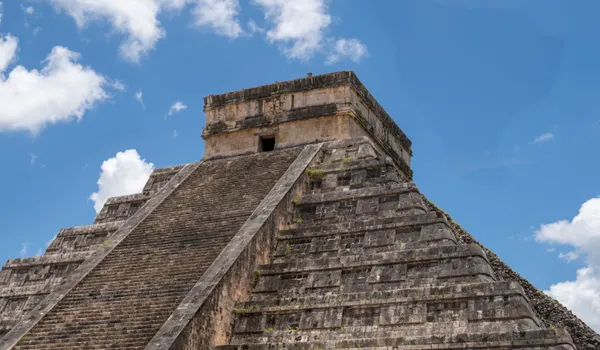
🇲🇽 Mexico
 Country
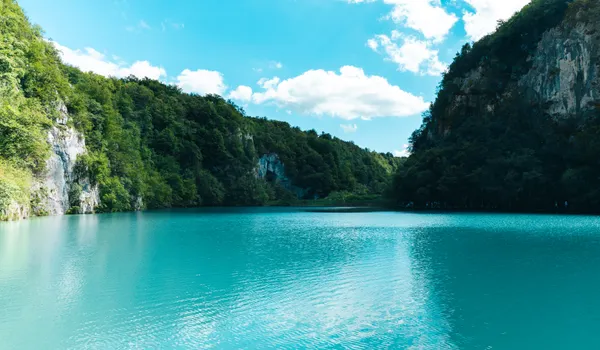
🇭🇷 Croatia
 City
City🇮🇪 Galway and Connemara
 City
City🇲🇦 Essaouira
 City
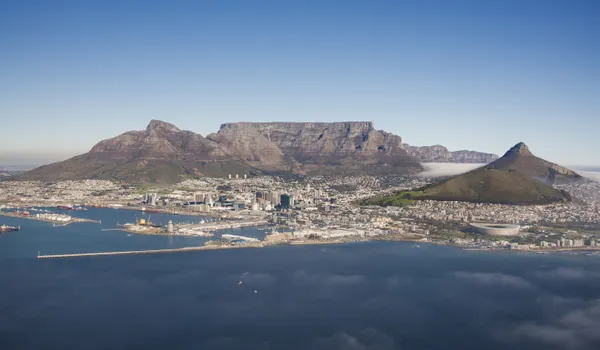
City🇿🇦 Cape Town
 Country
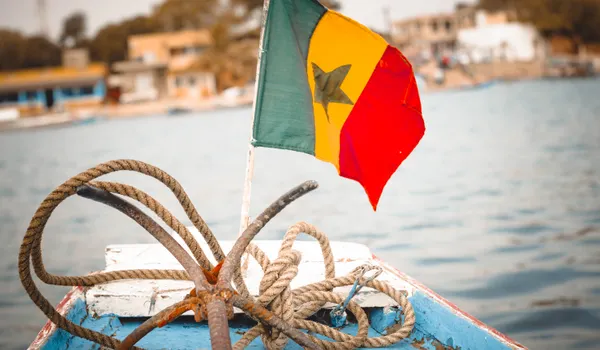
🇸🇳 Senegal
 Country
🇺🇸 The American West
 Country