When to go to the Egyptian Red Sea?
→ The detailed month-by-month page, with real weather records
Best time: March to May and October to November
At a glance
Why go to the Egyptian Red Sea?
The Red Sea is the closest tropical sea to Europe: around five hours on a direct flight from much of Western Europe, and you are diving a reef at 25°C, with a time difference of no more than an hour or two. Its corals, adapted to warm, salty water, resist bleaching better than those of the Caribbean or Australia, and the fringing reefs often begin just a few metres from the beach. Whether for a first go with mask and snorkel or for an experienced diver, there is nothing to match it at this distance.
The coast falls into three zones. Sinai, with Sharm el-Sheikh, the drop-offs of Ras Mohammed and Dahab, a divers' village at the foot of the mountains. The central coast, from El Gouna to Hurghada and Soma Bay, home to the big resorts, the charter flights and family trips out to the islands. The South, from Marsa Alam to Hamata, wilder, with dugongs, the dolphins of Sataya and the sharks of Elphinstone. The three are rarely combined in one trip; each is enough for a week.
Desert and history are within driving distance. St Catherine's Monastery, founded in the 6th century at the foot of Mount Sinai, is three hours from Sharm; Luxor and the Valley of the Kings are four hours from Hurghada. The Bedouin villages along the coast offer evenings in the wadis, nights under the stars and walks to springs. And the cost of living, with a devalued Egyptian pound, makes a stay affordable outside the big hotels.
Map of the Egyptian Red Sea: what is where?
The map shows the 6 places covered in this guide, to picture the distances and plan your route.
- Hurghada
- Sharm el-Sheikh
- Dahab
- Marsa Alam
- El Gouna
- St Catherine's
How much does a trip to the Egyptian Red Sea cost?
The Red Sea remains one of the cheapest tropical destinations from Europe, especially as a flight-and-hotel package. The big expense is the sea: boat trips, dives and park fees, often charged in euros or dollars. The devalued Egyptian pound makes everything else cheap.
| Style | Per day | What it covers |
|---|---|---|
| Backpacker | €35-60/day | Camp or small hotel in Dahab, snorkelling from the beach, street food, shared minibuses, the occasional dive |
| Comfort | €90-150/day | All-inclusive 4- or 5-star resort, two boat trips a week, a ten-dive package, an excursion to Luxor or St Catherine's |
| Premium | €250+/day | International chain hotel in Soma Bay or Sahl Hasheesh, private dives, a diving liveaboard, transfers and guides by the day |
The Egyptian pound has lost much of its value since 2022, and local prices look low when converted into euros. Withdraw from cash machines in town, expect to pay hotels and dive centres by card, often in euros or dollars, and keep small notes in pounds for taxis, tips, which are expected everywhere, and markets. Euros in cash are easy to change; traveller's cheques no longer are at all.
Is the Egyptian Red Sea safe?
The Red Sea resorts are under constant surveillance, with checkpoints on every road and security gates at hotel entrances, and incidents targeting visitors are rare. North Sinai is off limits, and the interior of the peninsula should be explored with organised transport, following your government's travel advice. The real risks are first at sea: currents on the drop-offs, poorly maintained boats, dives that go too deep. Choose a centre affiliated with a recognised federation, check the condition of the boat and turn down overcrowded trips. Sun, dehydration and excessive air conditioning wear you out more than anything; drink bottled water and cover up at sea. Corals cut, and stonefish and scorpionfish sting, so touch nothing and wear reef shoes. Stomach upsets are common, so be careful with raw vegetables and ice. Finally, respect the reefs: anchoring, collecting coral and feeding fish are penalised in protected areas.
What to see and do in the Egyptian Red Sea
- Ras Mohammed National Park
- Dahab's Blue Hole
- Thistlegorm Wreck
- Giftun Island
- Abu Dabbab Bay
- St Catherine's Monastery and Mount Sinai
- El Gouna
- Elphinstone Reef
Hurghada

A former fishing village turned city of 250,000 people stretching along 40 km of coast, it is the busiest gateway, with an airport linked to all of Europe. The old El Dahar district keeps its souk and shisha cafés, Sekalla is lined with bars and dive centres, and the marina, opened in 2008, is the departure point for boats to Giftun. The enclaves of Sahl Hasheesh and Makadi Bay, to the south, group the upmarket hotels on landscaped bays. Public beaches are rare, and the reef is reached mainly from hotel jetties or by boat. Luxor is a 4h drive away.
Sharm el-Sheikh

At the tip of Sinai, the resort has grown since the 1980s around Naama Bay, its terraced hotels and its promenade of restaurants. Excursions head to Ras Mohammed in the south, the Strait of Tiran and its four reefs in the north, the Thistlegorm for divers, and St Catherine's in the mountains. The Old Market, 8 km away, keeps a little local life. Visitors arriving at Sharm airport and staying in South Sinai benefit from a free 15-day stamp, valid as far as Dahab, Nuweiba and St Catherine's, but not for Ras Mohammed or the rest of Egypt.
Dahab

90 km north of Sharm, a former Bedouin village that has become the base for divers and kitesurfers escaping the resorts. Cushioned cafés line Masbat Bay, the Lighthouse reef begins ten metres from the promenade, and the lagoon to the south gets a steady wind for sailing. To the north, the coast road leads to the Canyon, the Blue Hole and, by camel or boat, to Ras Abu Galum, a roadless reserve with fishermen's huts. Accommodation ranges from €15 camps to small boutique hotels, and a week flies by between dives, snorkelling and evenings in the desert.
Marsa Alam

270 km south of Hurghada and served by its own airport since 2001, the Marsa Alam coast caters to divers and those seeking peace and quiet. The hotels are strung out along 100 km of shoreline, each with its own house reef, between Port Ghalib, a marina and new town, and Hamata in the south. Boat trips head for Elphinstone and its sharks, Sataya and its spinner dolphins, and Abu Dabbab and its turtles. On land, Wadi el Gemal National Park offers 4x4 trips to Ababda villages and Roman emerald mines. Nightlife is confined to the hotels.
El Gouna

A private town built since 1990 some twenty kilometres north of Hurghada, on a network of artificial lagoons and islets linked by bridges, with around twenty hotels, two marinas, a golf course and a pedestrian town centre. Tuk-tuks and shuttle boats connect the districts, and the streets are clean and quiet, which makes it a popular choice for families and kitesurfers, who find flat, windy water at Mangroovy from April to October. The October film festival draws Arab cinema. You can spend a week here without seeing much of Egypt, which is sometimes the point.
St Catherine's

In the heart of Sinai, at 1,500 metres and three hours by road from Sharm or two from Dahab, a Bedouin village, a 6th-century monastery and Mount Sinai, 2,285 metres, climbed at night for the sunrise. The monastery is open in the morning, except on Fridays and Sundays, with its basilica, the burning bush, the ossuary and part of the icon collection. Sleeping on site, in a village guesthouse or a Bedouin camp, lets you climb at your own pace, come down by the steps and walk the next day to the gardens of the neighbouring wadis, at 5 or 6°C on winter mornings.
How many days, and which itinerary?
A week at a single base, Hurghada, Sharm, Dahab or Marsa Alam, with three or four boat trips and one excursion on land, is the most common format. Ten days let you pair two bases, for example Dahab and Sharm, or add Luxor from Hurghada.
🗺️ Day-by-day itinerary · 📓 Free printable Egyptian Red Sea guide (PDF) · 🌍 All of Egypt
A week of diving in Sharm and Dahab
Three nights in Sharm el-Sheikh: a day at Ras Mohammed, one in the Strait of Tiran, the Thistlegorm for experienced divers. Then the road to Dahab, 1h30: four nights in a small hotel or a camp, dives at the Lighthouse, the Canyon and the Blue Hole via the Bells, a Bedouin evening in the desert, and an overnight excursion to St Catherine's to climb Mount Sinai for dawn. Back to Sharm airport on the last day. Enter via Sharm with the free Sinai stamp if you give up Ras Mohammed by road, otherwise get the full visa.
Hurghada with the family (7 days)
An all-inclusive resort in Makadi Bay, Sahl Hasheesh or El Gouna, with a reef reachable from the jetty for snorkelling. Two boat trips, one to Giftun with lunch on the beach, one in a glass-bottom boat or an observation submarine for the little ones. An afternoon in El Gouna by tuk-tuk, a dinner in the El Dahar souk in Hurghada, and a day in Luxor by minibus, 4h each way, for Karnak and the Valley of the Kings. The rest by the pool and on the beach, using the morning slots for the clearest water.
The South and its big animals (10 days)
Fly into Marsa Alam or take a 3h transfer from Hurghada. Six nights in a hotel with a house reef between Port Ghalib and Marsa Alam, with Abu Dabbab for turtles, Elphinstone for sharks, a day at Sataya to swim with spinner dolphins, and a 4x4 trip into Wadi el Gemal. Then three nights further south towards Hamata, for mangroves, the Qulaan islands and the almost deserted reefs of Fury Shoals. For divers, a six-day liveaboard to the Brothers, Daedalus and Elphinstone replaces the second part.
Getting there and getting around
Between Hurghada and Luxor, 280 km and 4h by road in a minibus or private taxi, €60-90 per vehicle. Go Bus coaches link Hurghada to Cairo in 6h for around fifteen euros and serve Marsa Alam and Sharm on longer routes.
In Sinai, Sharm and Dahab are 1h30 apart on the coast road, €25-35 by taxi, a few euros by shared minibus. St Catherine's is 2h from Dahab or 3h from Sharm, almost always on an organised excursion, as hitchhiking is not an option.
Locally, agree taxi fares before getting in; Uber works in Hurghada, and tuk-tuks in El Gouna. Hiring a car is possible but pointless: hotels and dive centres arrange transfers, and checkpoints dot the roads.
Where to stay in the Egyptian Red Sea?
All-inclusive resorts in Hurghada, Makadi Bay, Soma Bay and Sharm start at €60 a room in a 4-star and €150-300 in a 5-star international chain hotel. The house reef and the jetty matter more than the pool, so check them before booking.
In Dahab, Bedouin camps and small hotels on the promenade rent simple rooms for €15-40, with boutique places at €60-90. It is the cheapest base on the coast and the most pleasant for anyone who can do without a resort.
El Gouna and Sahl Hasheesh fill the family and upmarket niche, €100-250, with calm lagoons and well-kept beaches. Marsa Alam and Port Ghalib have dive hotels with private reefs, €70-150, often far from everything.
In St Catherine's, village guesthouses and Bedouin camps offer rooms and huts for €15-40, with meals. A night on site saves the night-time return trip from the coast and makes the climb up Mount Sinai more enjoyable.
Our places to stay, stop by stop, at three budgets →
What to eat in the Egyptian Red Sea?
Hotel buffets revolve around rice, grilled meats, mezze and honey pastries, with variable quality. The à la carte restaurants, fish or Italian, are often worth booking as soon as you arrive, for a modest supplement.
In town, the catch of the day is picked from the ice and paid for by weight, grilled or fried, with rice, salad and tahini, for €8-15 per person in Hurghada or Dahab. Prawns and squid are the safest bets; lobster is often frozen.
Egyptian street food costs a few euros: koshari, ful, taameya, shawarma, fresh-pressed sugar cane juice. The El Dahar souk in Hurghada and the Old Market in Sharm are the best places to find it.
Bedouin tea with sage and bread baked in the sand are served on evenings in the desert. Alcohol is limited to hotels and a few bars; Stella beer and local wine are decent, while imported spirits are heavily taxed.
Entry requirements
Visa on arrival or an e-visa, needed by EU, UK, US, Canadian and Australian passports: buying the e-visa online before you fly saves the airport queue.
Rules change: check your own government's travel advice before you go.
Frequently asked questions about the Egyptian Red Sea
When is the best time to go?
March to May and October to November: 28-33°C in the air, 24-28°C in the water, little wind. Summer goes above 38°C on land, but the water is 29°C and visibility excellent. Winter stays mild, 22-24°C, with water at 22°C that calls for a 5 mm wetsuit and wind that can be strong in January-February.
Can you snorkel without knowing how to dive?
Yes, it is even the coast's great strength: the fringing reefs begin a few metres from the shore in Dahab, at Abu Dabbab and from the hotel jetties of Hurghada and Marsa Alam. Life jackets are provided on the boats, and many sites can be done without fins. Children who are comfortable in the water see as much as the divers.
Hurghada or Sharm el-Sheikh?
Hurghada offers more direct flights, cheaper hotels, access to Luxor in 4h and El Gouna next door. Sharm offers more spectacular drop-offs at Ras Mohammed and Tiran, Dahab 1h30 away and St Catherine's in the mountains. For families and budgets, Hurghada; for diving and Sinai, Sharm.
Is it safe to go?
The coastal resorts have a permanent police presence and welcome millions of visitors every year without notable incident. North Sinai is off limits, and the interior is visited on organised transport. Check your government's travel advice before you leave, and focus your attention on safety at sea, where most accidents happen.
Similar destinations
 Country
🇹🇿 Tanzania
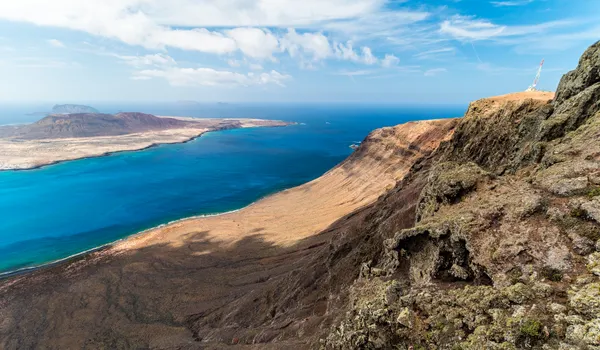 Region
🇪🇸 The Canary Islands
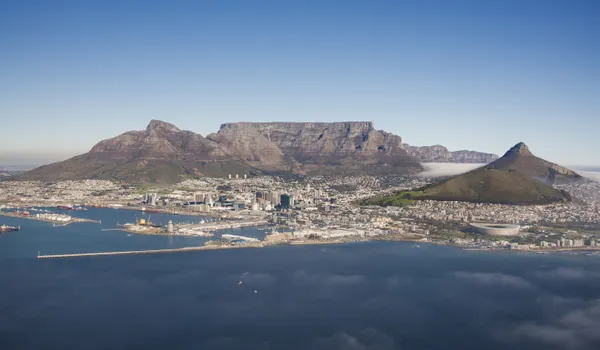 City
City🇿🇦 Cape Town
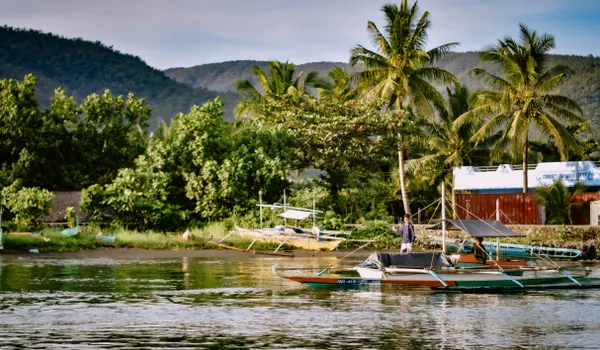 Country
🇵🇭 The Philippines
 Country
🇴🇲 Oman
 Country
🇷🇪 Réunion
 City
City🇨🇱 The Atacama Desert
 Region
🇲🇽 Baja California
 City
City🇲🇬 Nosy Be
 City
City