When to go to Oman?
→ The detailed month-by-month page, with real weather records
Best time: October to April
At a glance
Why go to Oman?
Oman cultivates a quiet elegance that its Gulf neighbours have traded for excess. Here there are no skyscrapers vying with the clouds, but mud-brick forts, whitewashed lanes and a sultanate that has made heritage a source of national pride. The country reveals itself in slow motion, between a shared cup of tea and a call to prayer drifting from a minaret. This is Arabia as we imagined it before oil.
Omani geography looks like a film set. In a week you go from the ochre dunes of the Wahiba to the turquoise pools of the wadis, from the dizzying heights of Jebel Shams to the coastal mangroves. Every bend in the track holds a contrast, and driving a 4x4 becomes an adventure in its own right. Few countries let nature put on such a theatrical show without ever tipping into cliché.
Omani hospitality is not a tourist selling point, it is second nature. People invite you to share dates, point you the way and insist on coming along, and talk to you with genuine curiosity. This gentleness in human relations, combined with a level of safety rare in the region, makes Oman a destination where you can let your guard down. You leave feeling you were truly received, not merely welcomed.
Map of Oman: what is where?
The map shows the 6 places covered in this guide, to picture the distances and plan your route.
- Muscat
- Wadi Shab
- Wahiba Sands
- Jebel Shams
- Nizwa
- Salalah
How much does a trip to Oman cost?
Oman is pricier than its Asian neighbours but stays manageable if you share the cost of the 4x4. Fuel is cheap; accommodation and activities weigh heaviest.
| Style | Per day | What it covers |
|---|---|---|
| Backpacker | €45-70/day | Simple guesthouses, street food, a shared 4x4 and free wadis. |
| Comfort | €90-160/day | Mid-range hotels, restaurants, a desert camp and guided excursions. |
| Premium | €220+/day | Luxury resorts, private driver, domestic flights and tailor-made experiences. |
The Omani rial is the local currency; cards are accepted in town, but keep cash for rural areas and the souqs.
Is Oman safe?
Oman ranks among the safest countries in the world, with almost no crime and a remarkably kind population. No vaccinations are compulsory, but the usual routine jabs and serious sun protection are a must in the heat. Driving on tracks and exploring the wadis call for caution, water supplies and vigilance about flash floods. Respect the dress codes, especially near mosques, and the month of Ramadan calls for extra discretion.
What to see and do in Oman
- the Wahiba Sands desert
- the wadis of Bani Khalid and Shab
- Muscat's mosque and souq
- the forts of Nizwa
- the fjords of Musandam
Muscat

The capital stretches between arid mountains and the Arabian Sea without ever giving up its human scale. The Sultan Qaboos Grand Mosque dazzles with its monumental chandelier and giant Persian carpet, while Mutrah Souq is fragrant with incense and frankincense. The corniche is best walked at sunset, when Al Alam Palace lights up. It is an introduction steeped in understated refinement.
Wadi Shab

This spectacular canyon has to be earned, after a short boat crossing and an hour's walk among the palm trees. Pools of emerald water follow one another, inviting a welcome cooling swim. At the end of the trail, a hidden cave shelters a waterfall that you reach by swimming through a narrow passage. It is one of the most memorable water hikes in the country.
Wahiba Sands

The ochre dunes of the Wahiba ripple as far as the eye can see, changing colour as the day goes by. You sleep in a Bedouin tent, climb the crests to watch the sunset and try your hand at dune bashing in a 4x4. The Bedouin still live here by raising camels and happily share a cardamom coffee. At night, the starry sky is strikingly pure.
Jebel Shams 2 690 m
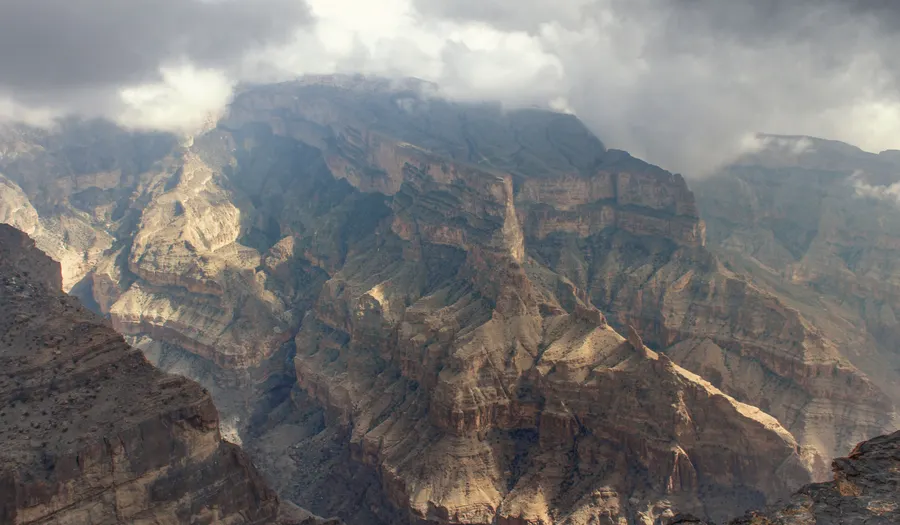
Nicknamed the Grand Canyon of Arabia, this summit rises to more than 3,000 metres and towers over a dizzying gorge. The Balcony Walk follows the cliff edge to an abandoned village, with breathtaking panoramas along the way. The air is cool, the nights chilly, and the contrast with the desert plains is striking. The villages clinging to the mountain still grow roses and pomegranates on terraces.
Nizwa
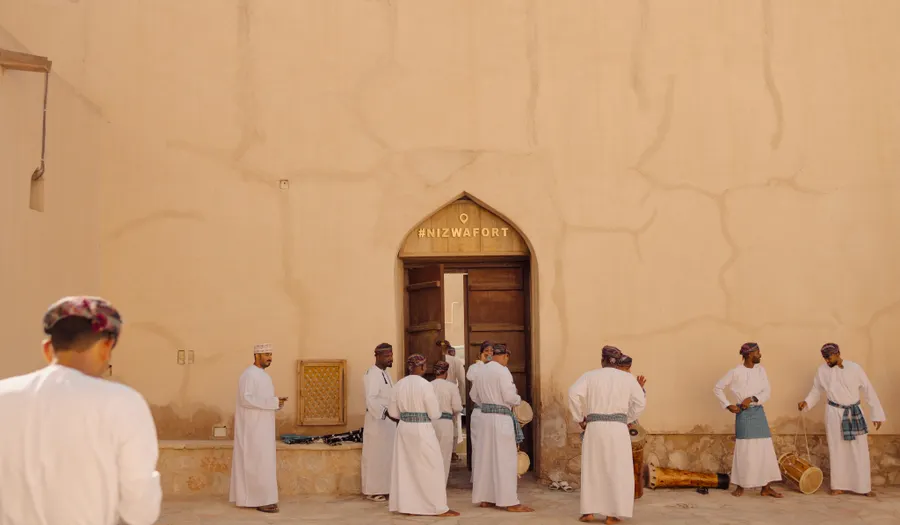
The former capital of the interior, Nizwa embodies traditional Oman with its imposing round fort and lively souq. On Friday mornings, the livestock market draws herders from across the region in a vibrantly colourful atmosphere. You can still buy khanjars, pottery and halwa, the local sweet. The town is the gateway to the Hajar Mountains and the surrounding oases.
Salalah

In the south of the country, Salalah surprises with lush vegetation fed by the summer monsoon, the khareef. Coconut groves, waterfalls and white-sand beaches create an almost tropical landscape, unique in Arabia. The region produces the world's most renowned frankincense, from trees that grow in the surrounding wadis. The remains of the ancient city of Al Baleed recall its past as a trading crossroads.
How many days, and which itinerary?
Allow eight to ten days to combine Muscat, the mountainous interior and the desert without rushing, and two weeks if you push on to Salalah.
🗺️ Day-by-day itinerary · 📓 Free printable Oman guide (PDF)
Classic northern loop (8 days)
From Muscat, head to Nizwa and its forts, then climb Jebel Akhdar before dropping down to Wadi Shab. The Wahiba desert rounds off the trip under a Bedouin tent. An ideal digest for a first discovery by 4x4.
Grand tour north and south (14 days)
The same northern circuit is extended with a flight to Salalah to explore the green landscapes of Dhofar. You alternate between wadis, wild beaches and archaeological sites far from the crowds. This version suits those with time to spare who want to see every face of the sultanate.
Nature and hiking escape (6 days)
Focused on the Hajar Mountains, this trip strings together Jebel Shams, Jebel Akhdar and the hilltop villages. You hike along dizzying balcony paths and sleep in mountain lodges. A sporty pace for lovers of wide open spaces.
Getting there and getting around
Renting a 4x4 is all but essential for the interior and the desert; the main roads are excellent but the tracks require a suitable vehicle.
Distances are long and the public transport network is limited; plan to drive yourself or hire a driver.
Domestic flights link Muscat with Salalah in under two hours, saving a long thousand-kilometre drive.
In town, taxis and apps such as Otaxi work well, but always agree the fare before getting into a cab without a meter.
Where to stay in Oman?
Hostels and simple guesthouses in Muscat or Nizwa: €25-45 a night, often with breakfast.
Comfortable mid-range hotels in town or near the wadis: €60-120 for a double room.
Desert camps in the Wahiba, from basic Bedouin tents to polished camps: €50-150 per person depending on the standard.
Upmarket resorts and mountain lodges run by big-name brands: €200 and up a night.
Our places to stay, stop by stop, at three budgets →
What to eat in Oman?
Shuwa, lamb marinated in spices and slow-cooked underground for twenty-four hours, served on special occasions.
Maqbous, saffron-scented rice served with meat or fish, the everyday dish par excellence.
Omani halwa, a gelatinous sweet made with saffron, rosewater and dried fruit, offered with coffee.
Grilled fish from the coast, notably grouper and kingfish, served with rice and preserved lemon.
Entry requirements
Visa-free for up to 14 days for EU, UK, US, Canadian and Australian passports, with a return ticket, a hotel booking and health insurance to show. The 14 days cannot be extended: for a longer stay, apply for an e-visa from the Royal Oman Police before you go.
Rules change: check your own government's travel advice before you go.
Frequently asked questions about Oman
When is the best time to go?
The ideal season runs from October to April, when temperatures stay pleasant in the north. For Salalah and the south, by contrast, the khareef monsoon from June to September brings uniquely green landscapes.
What daily budget should I plan for?
Allow around €50 a day travelling frugally, and €120-150 for mid-range comfort. The biggest expense remains the 4x4 hire, best shared between several people.
How do I get around the country?
Renting a 4x4 is the most practical solution and often essential for the interior. Domestic flights link Muscat and Salalah efficiently, and private drivers are available for those who would rather not drive.
Is Oman a safe country for travellers?
Yes, it is one of the safest destinations in the world, including for women and families. The population is welcoming and petty crime almost non-existent, provided you respect local customs.
Similar destinations
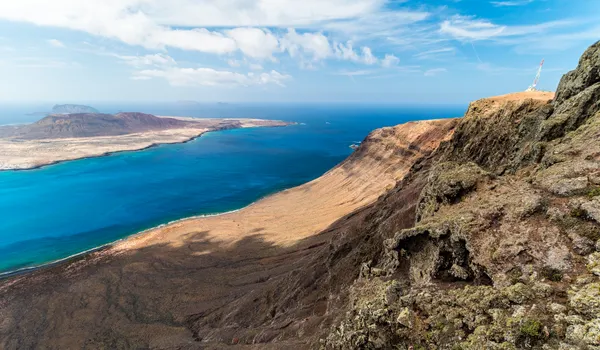 Region
🇪🇸 The Canary Islands
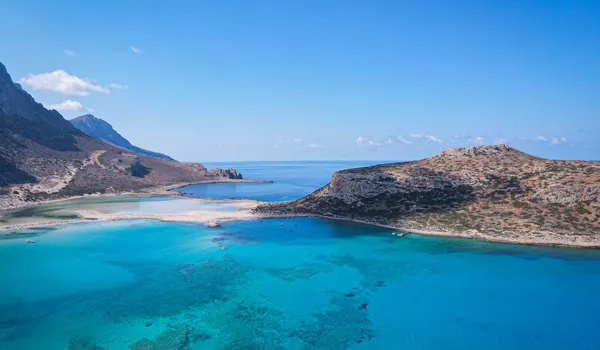 Region
🇬🇷 Crete
 Country
🇭🇷 Croatia
 City
City🇮🇪 Donegal
 City
City🇮🇪 The Ring of Kerry
 City
City🇮🇪 Galway and Connemara
 Country
🇯🇴 Jordan
 Country
🇮🇩 Indonesia
 City
City🇮🇩 Bali
 Country